
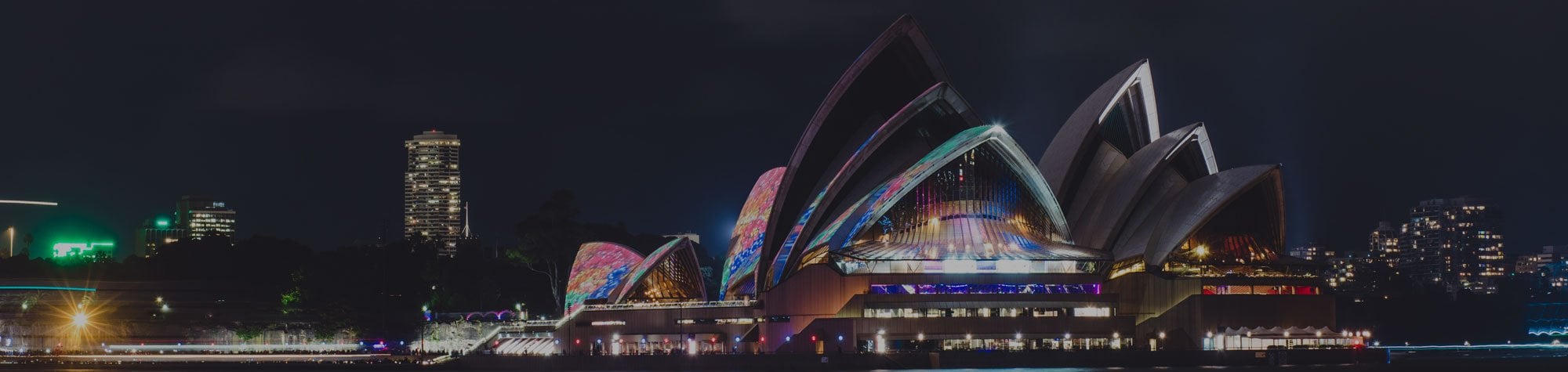

Opera is one of the most ambitious forms of performance art ever created, combining powerful vocal performances, dramatic storytelling, elaborate staging, and in many cases, full orchestras and choreographed dance. The history of opera begins in late 16th century Italy, and over the centuries it has grown into a global art form celebrated for its emotional depth and complexity. Whether you experience it live in a grand theater or from the comfort of your own home theater seating area through recorded performances, opera has a way of pulling you in and holding your attention from the first note to the final curtain.

The term opera literally translates into “labor” or “work” in Italian, a fitting name for an art form that involves demanding work at every step. The first opera is generally credited to Jacopo Peri, whose Dafne premiered in Florence around 1598, and Claudio Monteverdi’s L’Orfeo followed in 1607. In Venice, operas became popular during the 1600s, when the city opened the first public opera house in 1637 and audiences embraced a mix of tragedy, comedy and movement. Throughout the centuries, notable artists like Mozart, Alessandro Scarlatti and Gioachino Rossini have had a huge impact on the art form.

Operas were traditionally, and still are, performed in opera theaters, known as opera houses. These large structures typically feature elegant architecture and huge stages and seating arrangements. These theaters feature the stage, a pit for the orchestra, audience seating, backstage provisions and costume areas. Classic and modern contemporary performances fill these opera houses on a regular basis.
People who love classical music, dramatic pieces and range in music and acting will enjoy the opera. Going to the opera is typically an event, with patrons dressing up to make an evening of it. People are also able to purchase opera recordings when they were not able to make it to the event. Some of the greatest opera houses still remain in Europe, with people coming from all over the world to catch a show. The United States is home to a number of noted opera houses, with New York, Chicago and Los Angeles putting on some of the best work in the country. Going to the opera is a tradition that has stood the test of time due to its charm and many elements that set it apart from other art forms. The art form is continuously evolving, while retaining the tenets that made it a phenomenon to begin with.
Learn More About Opera and Home Theater Seating Options
Opera has a rich history that rewards those who take the time to explore it. The more you learn about its origins, its evolution, and the legendary performers who shaped it, the more you’ll appreciate every aria and overture. And if opera is something you plan to enjoy regularly from home, the experience is only as good as the space you create for it. At Theater Seat Store, you’ll find a wide selection of luxury home theater seating, from modern style sectionals and power recliners to heated massage chairs and sofa sets, all designed to make every performance feel like a night at the opera house.
Anybody looking to learn more about opera should do their research and become familiar with its history.
- A History of Opera
- This New York Times article discusses history and the development of the opera, while referencing a book by Carolyn Abbate and Roger Parker.
- A History of Opera: The Seductive Power of Song
- The Telegraph goes into detail about the beauty of opera, stating that the voice is the element that progresses it.
- A Timeline of Opera
- HistoryWorld gives a detailed timeline of opera history, from its Italian origins to the modern era.
- The Opera: A History
- The Met details art history through the years.
- Early History & Development of Opera
- This site explains opera, its origins and key elements.
- Introduction to Opera
- Inquiring minds will receive a detailed explanation about opera and its many features.
- Opera Composers
- Stanford provides a list of noted opera composers throughout the years.
- Opera Pronunciation Guide
- It pays to gain an understanding of opera. This site provides pronunciation guides and historical information on the art.
- Italian Composers
- Gramophone profiles the greatest Italian composers, including opera giants Monteverdi, Rossini, Verdi and Puccini.
- Top 50 Operas
- The Guardian profiles the top 50 opera works of all time.
- The 20 Greatest Operas of All Time
- BBC Music Magazine ranks the most famous operas ever written, from Mozart to Wagner.
- Top 10 Opera Houses
- The magazine travels to Italy, Germany, Argentina, England, Russia and other locations in order to pinpoint the best opera houses in the world.
- 10 Greatest Opera Houses
- This travel and leisure publication details a number of excellent opera houses throughout the world.
- Great Opera Houses of the World
- Pertinent information about the best opera houses throughout the world.
- Development of Opera
- An in-depth article about the development of opera as well as opera singers.
- Biography of Pavarotti
- A biography of Luciano Pavarotti, one of the most commercially successful opera singers of all time.
- Maria Callas
- A biography of Maria Callas, the American-born Greek soprano who became one of the most celebrated opera singers of the 20th century.
- The Theatrical Works of Gilbert and Sullivan
- Our guide to the comic operas of Gilbert and Sullivan, from H.M.S. Pinafore to The Pirates of Penzance.