
How Will
ai
Impact the
Movie business
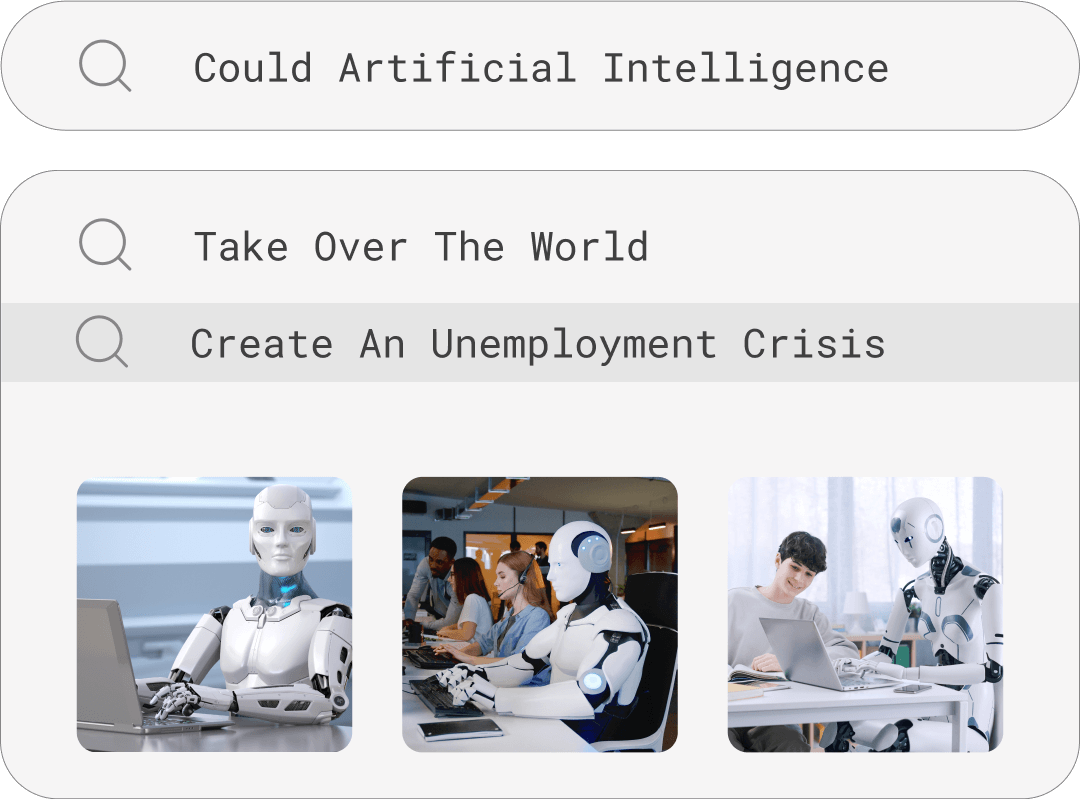
When typing the words ‘Could artificial intelligence’ into any search engine, the phrases ‘take over the world’ and ‘create an unemployment crisis’ are some of the first suggestions that come up. This highlights the scary side of AI, which we often associate with robots invading the earth, taking our jobs and potentially destroying humanity as we know it!
Despite this, AI can also have a truly positive impact on many elements of our lives, whether predicting dangerous weather patterns or facilitating the early detection of disease. But did you know that this transformative technology also plays an important role in many of your favorite films?
Positive Impact Of AI

Weather
Forecasting

Detection Of
Diseases

Technology In
Movies

AI’s Influence on Film Production, Editing, and Distribution
AI has already been shaping the way that those in the film business make, edit, release, and distribute movies, but what’s clear is that we’ve only just scratched the surface of what this disruptive force can do.


Dangers of AI
However, every good movie features a villain. From 2001: A Space Odyssey’s HAL 9000 to the evil doll M3GAN, artificial intelligence going rogue has been a key trope used by scriptwriters over the past couple of decades. Not only is this intended to provide a great source of entertainment for modern movie viewers, but it also sends a real-life warning about the dangers of AI.
In this article, we’ll therefore take a deeper dive into both the positive applications of artificial intelligence, while considering the risks it could pose to human creativity, privacy, and data security in the thriving movie industry. Lights, camera, action!
A Brief History of
Technology in movies
artificial intelligence . ai
Technological innovations over the past century have transformed the film industry from the age of silent films, right through to today’s fully digitalized era. Let’s explore two of the biggest contributions to this revolution:


CGI - computer-generated imagery
CGI, or computer-generated imagery, uses graphics to produce 2D and 3D objects, text, landscapes, characters, and scenes for movies.

2D & 3D Objects

Text

Landscapes

Characters

Scenes
1950s
Alfred Hitchcock’s Vertigo
These visual effects have been allowing filmmakers to bring fantastical elements to life on the big screen since as early as the 1950s, with the release of Alfred Hitchcock’s Vertigo.



Digital Cameras
19th
Century
Hand-cracked film cameras like the Lumière Cinématographe and the Edison Kinetoscope models were the first to capture black and white moving pictures back in the late 19th century.
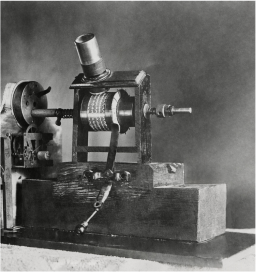
Edison Kinetoscope

Lumière Cinématographe
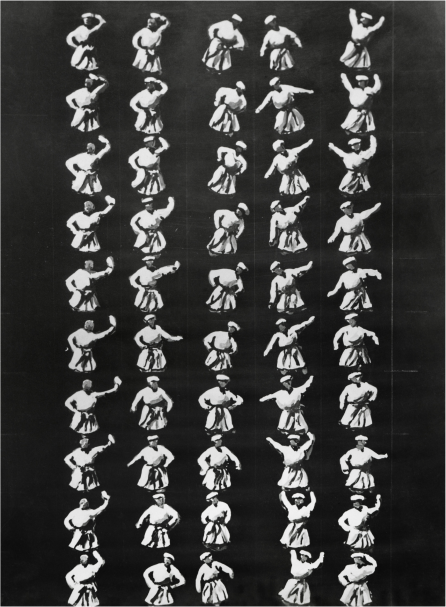
19th Century Black And White Moving Image
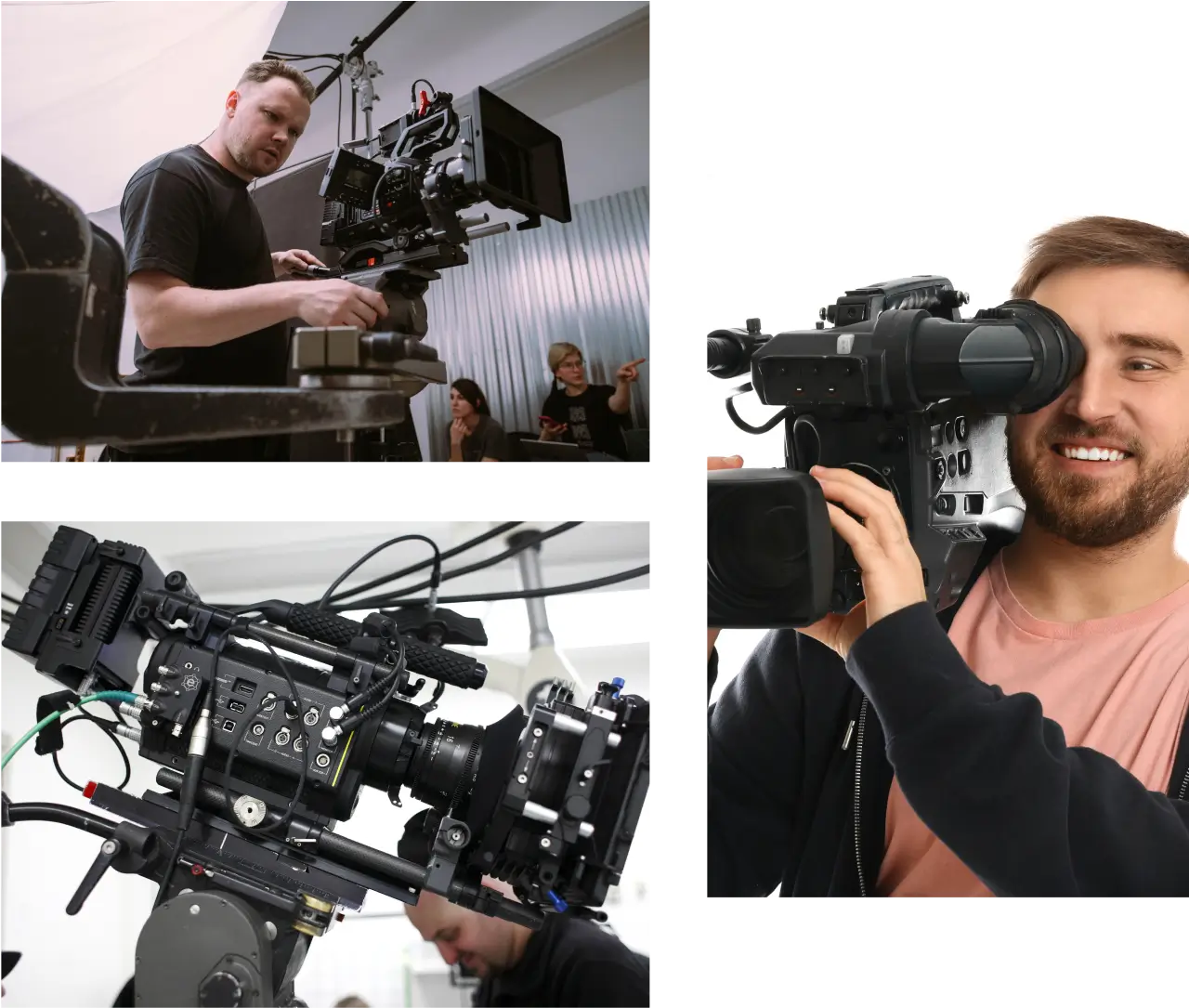
21st
Century
Featuring 360-degree capture and high dynamic range (HDR), the convenience and flexibility of digital cameras have given filmmakers greater control over image quality. They’ve also given way to a rise in independent movie-making, thanks to the affordability and availability of this type of equipment.
Early Instances of
AI in the
Movie Business
artificial intelligence . ai
1927
FIRST AI FILM
Representations of artificial intelligence first made their way onto our screens in 1927, with the release of the German expressionist film Metropolis. However, filmmakers wouldn’t begin utilizing this new technology until the early 2000s, in the following ways:
SCRIPT ANALYSIS TOOLS
One of the earliest cases of AI adoption is Epagogix, a UK-based company that developed computer-enhanced algorithms and neural networks. These tools could predict whether certain movies would be box office hits, based on elements such as a script’s plot structure, content, and character development.
However, the jury’s still out on whether this type of software can truly anticipate movie success – the 2007 $50 million film Lucky You was estimated to take just $7 million by Epagogix!
Automated Editing Software
Early forms of AI have also proved to be extremely valuable in the editing suite.
Rather than spending hours trawling through raw footage, AI tools can streamline this painstaking task by syncing audio with video, categorizing shots, using facial recognition, and even compiling rough cuts based on a predefined set of rules.

Box Office Prediction Models
Artificial intelligence isn’t only useful in creative processes; before it became a mainstream tool for filmmakers and editors, AI models were often utilized as key analysis tools.
For example, they would consider previous movie performances to forecast the earnings of future releases, evaluating factors such as genre popularity, release dates, and competitor success.

Digital Asset Management (DAM)
From images and graphics to video clips and audio samples, movie production involves a huge range of visual content that must be organized effectively and safely. DAM solutions were therefore one of the earliest AI-powered applications in the film industry, where they would be used to help catalog and retrieve these digital files through metadata.
Audience Analysis Tools
Test screenings and early critic reviews are just two ways that film studios can get an idea of the early consensus surrounding their creations; will they be a hit with audiences, or not?
AI tools would analyze the feedback received and use this data to optimize everything from final edits to marketing strategies, ensuring the final creation appealed to avid theater-goers.
Character Animation
Traditional frame-by-frame animation is often enjoyed by companies like Disney who are famous for that iconic touch of magic in every film. However, many film studios found that techniques such as stop motion and hand-drawn animation take hours of work by an entire expert team, which is where AI came in.
Motion capture technology was used to smooth out the data captured by actors’ performances, therefore significantly reducing the time and money required to produce more realistic animations.
Recommendation Algorithms for Streaming Services
Ever wondered how Netflix knows what your new favorite show might be?
As the streaming services we all know and love today began to emerge, AI algorithms from the early 2000’s used basic metadata and viewing history to make personalized content recommendations. Today, these algorithms have become much more advanced, considering everything from age and location to your web surfing behavior.
AI IN
Movie Production
artificial intelligence . ai
Here’s how artificial intelligence is reshaping the way movies are produced today, both before, during, and after filming begins:
Pre-Production
AI-powered analysis and editing tools aren’t designed to replace human creativity, but instead help writers and directors create works of art more quickly, for a fraction of the cost.
SCRITPBOOK – SOFTWARE
For example, deep learning and natural language processing can be used to rapidly analyze scripts, based on the success of previous films. Software such as ScriptBook looks at elements like plot structure and character development to predict whether the movie will be a hit or a flop at the box office.
Cinelytic – TOOL
Artificial intelligence can also be incredibly useful during cast and location scouting. Tools like Cinelytic have made spotting the next big movie superstar much easier, by analyzing past performances and predicting chemistry between actors.
weather conditions
Plus, algorithms can provide information on everything from weather conditions to the suitability of a filming location, looking through hours of footage to save time and money on travel.
Production
With AI, film creators no longer need to have huge budgets for state-of-the-art equipment or large teams. Virtual cinematography tools instead make it possible for filmmakers to produce life-like digital environments that recreate physical locations. Here, they can test out camera movements and lighting setups before shooting begins to ensure great quality and save precious time.
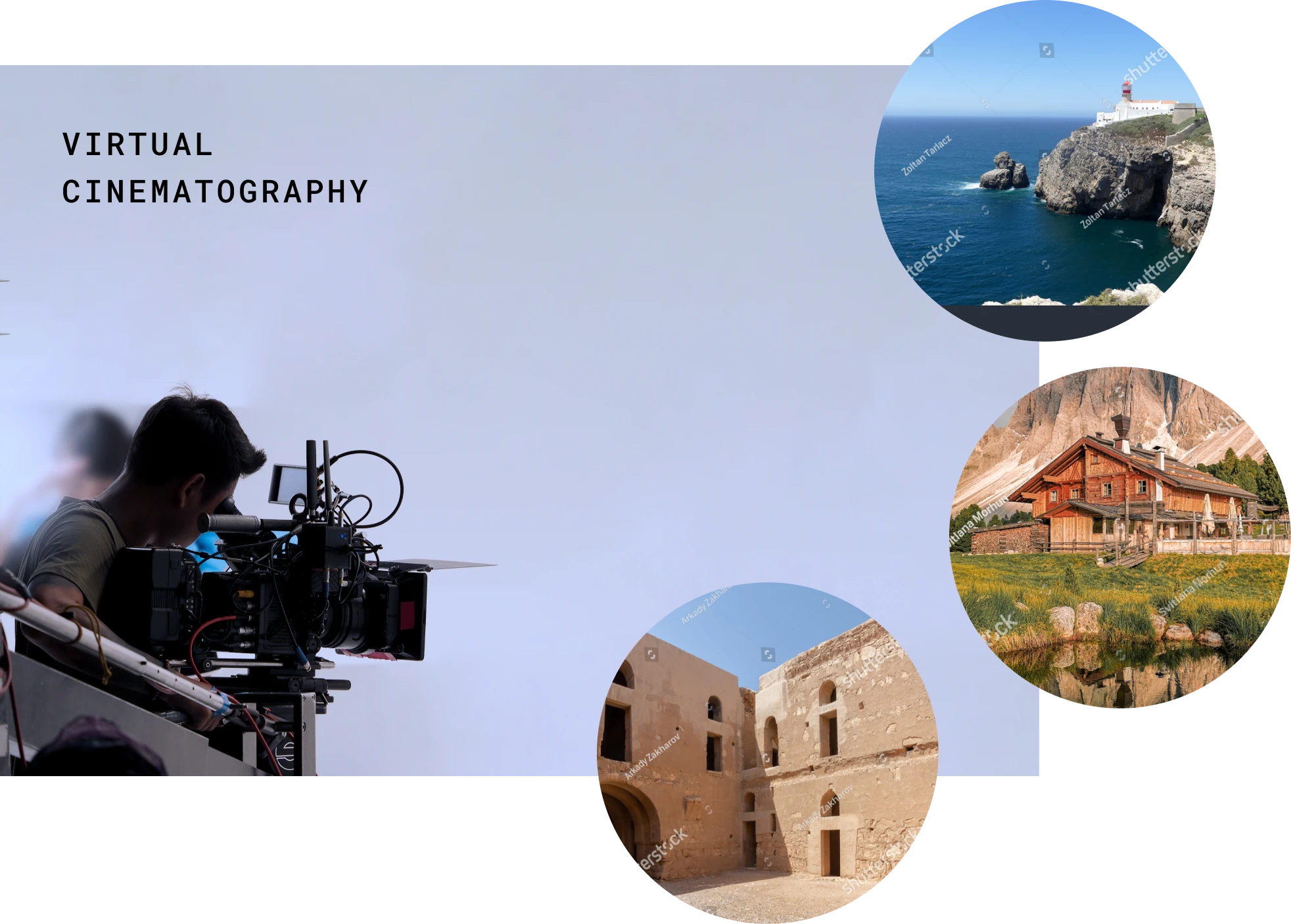
Real-time editing is another huge perk of AI. Using everything from facial recognition to semantic analysis, these tools offer immediate feedback on adjustments that can be made to optimize performance or camera movements, for example.


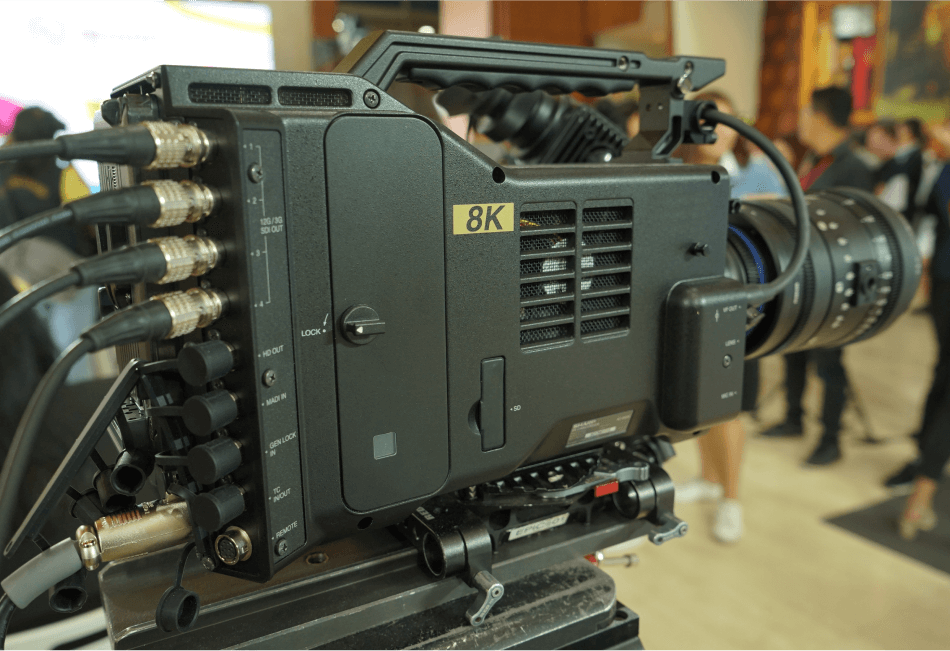
ADR (automated dialogue replacement)
It also reduces the need for extensive manual adjustments with ADR (automated dialogue replacement), which automatically syncs dubbed audio with on-screen lip movements.
Post Production
automate editing
One of the biggest post-production benefits of AI is that it automates those tedious editing tasks, like scene stabilization, color correction, and object removal, saving hours of manual work. This software also speeds up the editing process by selecting the best takes from a series of rough cuts.
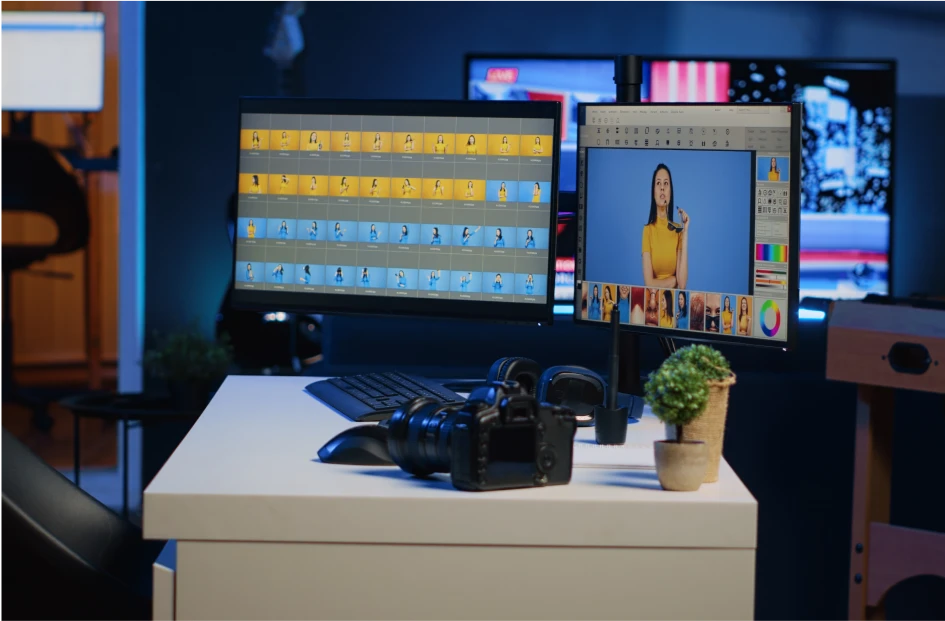
Another key advantage offered by AI-powered tools is their ability to automate repetitive VFX (visual effects) tasks, including rotoscoping and even complex CGI animations. Directors can adjust an actor’s performance during the post-production process by generating composite expressions, ensuring that their scene captures the perfect sense of emotion.
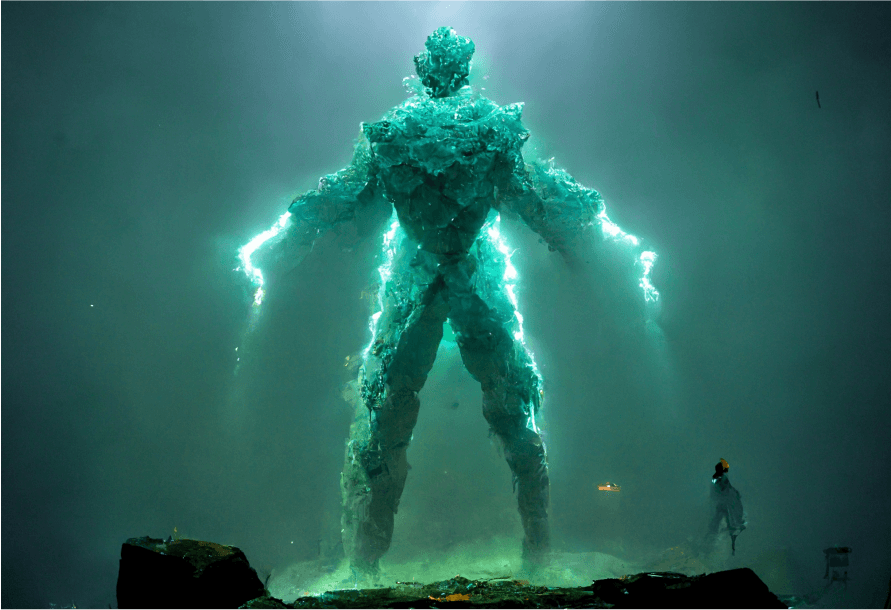
VFX (Visual Effects)
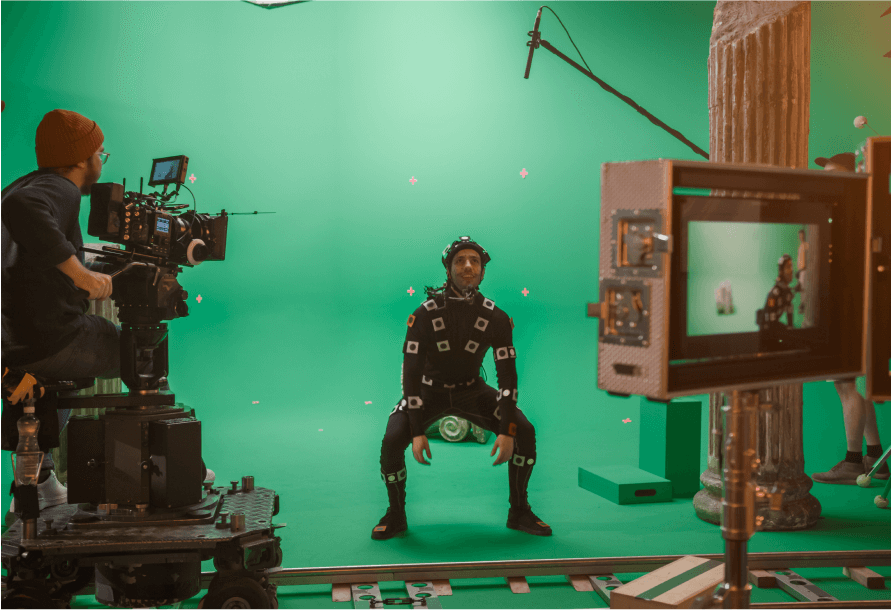
CGI Animation
Sound Design
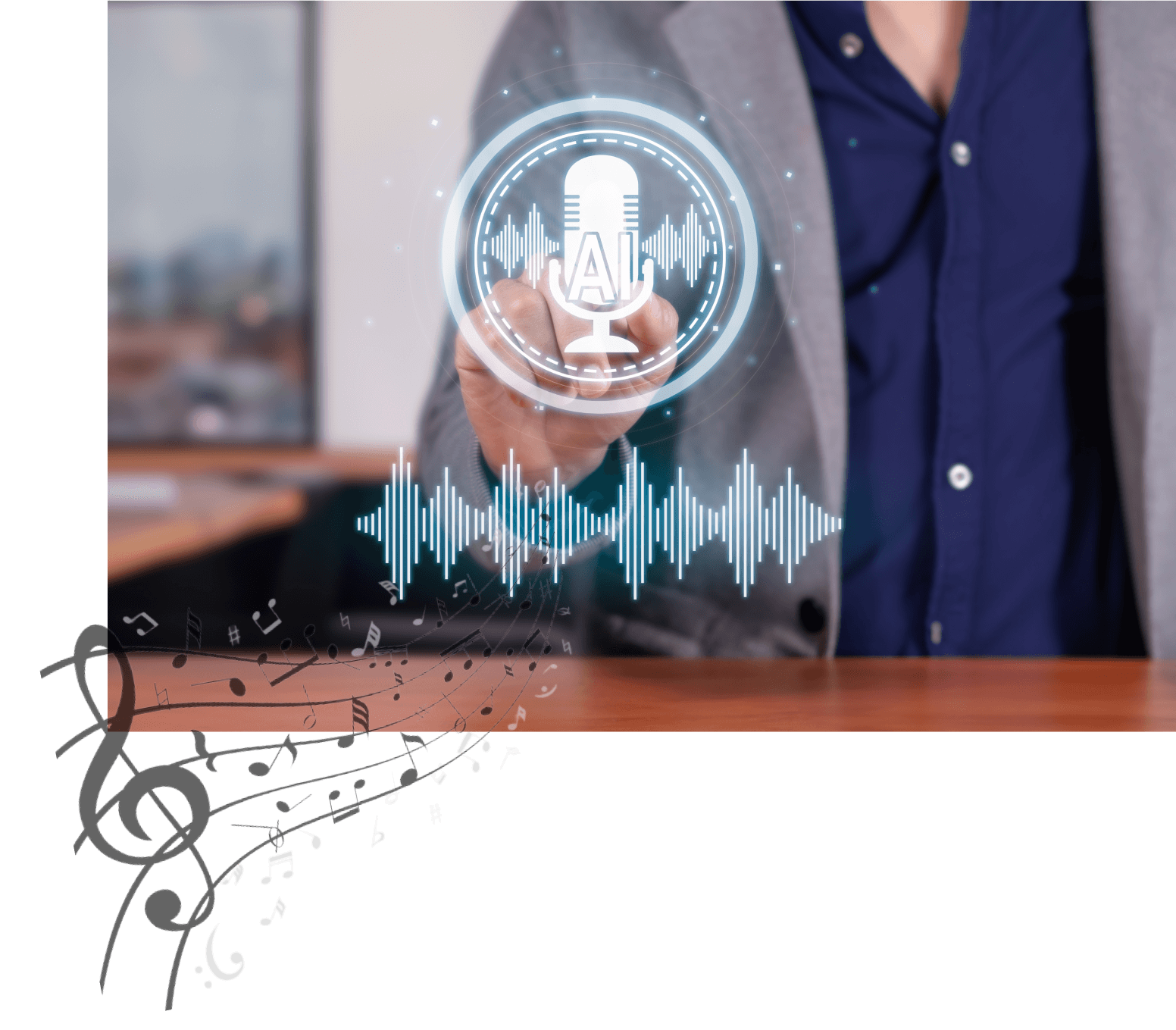
Not only do AI algorithms enhance the images we see on screen, but they can also be used to generate Foley effects without the need for an extensive library. These are everyday sounds added during post-production to suit the visual elements of a scene.
Music is another area where AI now shines brightly, particularly when it comes to creating original scores that complement the pace and emotion of a specific scene.
AI IN
DISTRIBUTION AND MARKETING
artificial intelligence . ai
Filming and editing are just two key parts of the movie production process that benefit from artificial intelligence.
This technology also helps to ensure that films are enjoyed by their intended audiences when they hit the big screen through effective marketing and distribution techniques.

Filming

Editing

Marketing

Distribution
Predictive Analytics for Box Office Performance
Thanks to the development of machine learning, methods used to predict the success of blockbusters at the box office have seen a huge shift in recent years.
Previously, movie marketers would use historical data and genre trends,
Historical Data

Genre Trends
whereas today a wider range of factors are considered. This includes audience demographics, ticket sales, social media feedback, and even weather patterns!

Audience Demographics

Ticket Sales

Social Media Feedback

Weather Patterns
Targeted Marketing and Personalization
Understanding core consumer needs and preferences is crucial for any film company hoping to attract big audiences, and that’s exactly where artificial intelligence can help.
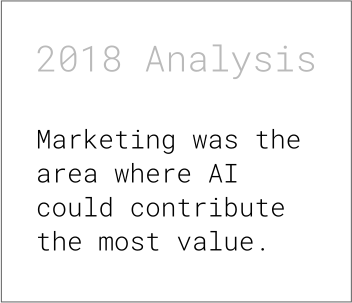
In fact, a 2018 analysis of over 400 advanced use cases found that marketing was the area where AI could contribute the most value.
When it comes to targeted marketing, AI-powered technology is useful for two specific purposes:
Audience Segmentation
AI analyzes everything from viewing habits to social media engagement to identify the type of audience that may be interested in a particular film. Movie marketers can then create promotional materials that are designed to engage these specific groups, therefore running more effective marketing campaigns.
Personalized Advertising
Predicting the type of promotional content that will appeal most to different viewers allows marketers to create a more immersive experience for the target audience, including on billboards and digital ads. For instance, the chatbot used for the 2016 horror Morgan interacted directly with users.
Social Media and Digital Marketing
We all know the power of social media in reaching a global audience, especially when it comes to the entertainment industry.
A simple tweet or viral video can be the difference between a film flop or success, making the online space an essential marketing tool for filmmakers.

Audience sentiment tools that are powered by AI use machine learning algorithms to collect data from these social media platforms. They’ll then analyze patterns in language and tone to gauge the general buzz around a film, which can then help studios decide on marketing strategies and promotional campaigns.

Data Collection


Pattern Analysis

Sentiment Gauging

Promotional Campaigns
These Strategies Include Content Creation – Another Area Where AI Is Invaluable! Movie Marketers Can Benefit From AI-Powered Software That Creates Everything From Posters To Responsive Content, Based On The Latest Trends And Audience Sentiment Feedback

Optimization of Release Strategies
Predictive analytics tools that harness the power of AI are crucial in timing movie releases perfectly so that they reach the right audience and achieve their full potential. As well as looking at the best release dates, AI algorithms can also inform the following strategies:
Geographic and
Demographic Insights
By looking at past box office data in various regions, AI can analyze local preferences and determine the best regions for releasing a film.

Platform Decisions
There are now more than 200 streaming services available worldwide, from subscription-based platforms like Netflix to transactional video on-demand services such as iTunes. For films that are created specifically to be shown on small screens, AI tools can analyze audience demographics and viewing habits for each platform to decide which will work best.
Enhancing Viewer Engagement and Retention
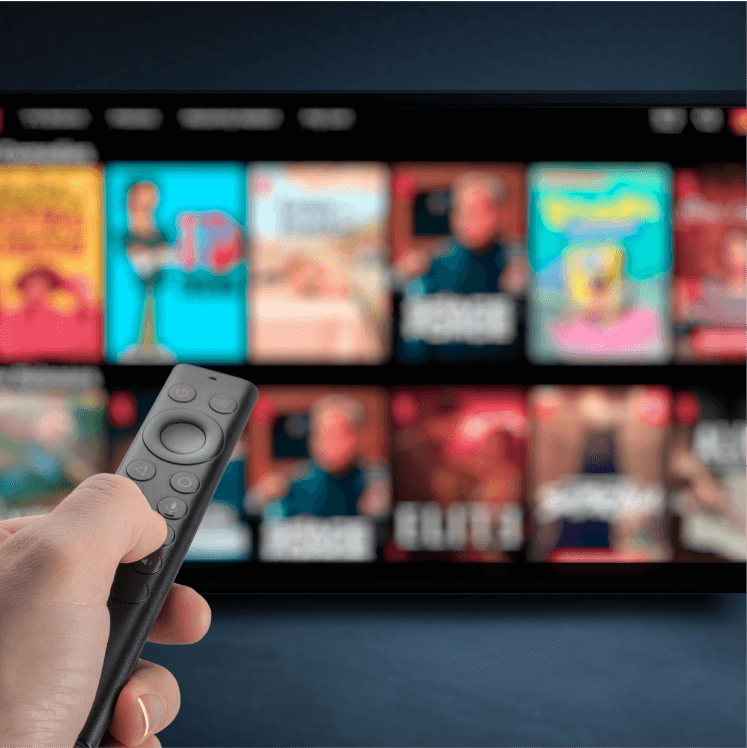
Most modern streaming services have AI-powered recommendation systems that help viewers discover new movies, without the hassle of scrolling for hours. These systems determine whether users will enjoy particular titles by considering factors such as viewing history, actors and genres, film length, and the time of day you usually watch.
AI-Powered Streaming
Recommendations Factors

Personalized recommendations therefore keep viewers watching for longer and help streaming platforms maintain high engagement levels.
AI and Creativity
artificial intelligence . ai
As we’ve seen, artificial intelligence can certainly revolutionize creative processes in every area of film production, from enhancing the efficiency of scriptwriting to ensuring that blockbusters reach their target audience.
These tools use machine learning algorithms to analyze vast amounts of data and automate repetitive tasks, giving artists the time and headspace to come up with new and unique ideas. But can AI truly help those in the film industry push the boundaries of artistic expression, or are these algorithms simply paving the way for the loss of that unique human touch?
Case Studies of
AI-Assisted Movie Projects
To show how AI can enhance the creativity of filmmakers, writers, directors, and editors, we’ll take a closer look at five projects that used this technology to refine the movie-making process:
2016 2016 2016 2016 2016 2016 2016 2016 2016 2016
Morgan
20th Century Fox created AI inception in 2016 by using the IBM Watson supercomputer to produce a trailer for Morgan – a sci-fi thriller about a lab-created AI humanoid. Watson looked at over 100 horror movie trailers to learn what elements most keep audiences engaged.
After performing visual and audio analyses on separate moments in every trailer, the computer then quickly trawled through 90 minutes of Morgan and proposed the most suspenseful moments for its very own trailer.
While significantly speeding up the entire process, which took just 24 hours rather than weeks, this demonstrates the potential of AI in helping marketers consider what makes audiences tick when it comes to engaging and suspenseful film trailers.
2019 2019 2019 2019 2019 2019 2019 2019 2019 2019
The Irishman
Films spanning several decades typically use CGI or makeup to maintain continuity in storytelling, particularly when it comes to aging characters. Some even recast younger and older actors! However, Martin Scorsese’s epic gangster tale The Irishman took a different approach entirely: replacing more traditional de-aging methods with advanced VFX technology.
Powered by machine learning algorithms, these AI technologies instead allowed editors to alter the appearance of Robert De Niro and Al Pacino in post-production. Being able to highlight a time progression while using the same actors therefore presents a whole host of creative possibilities, especially for narratives that follow characters through their entire lives.
2021 2021 2021 2021 2021 2021 2021 2021 2021 2021
Reminiscence
Written and directed by Westworld co-creator Lisa Joy, the sci-fi thriller Reminiscence used AI tools to craft a realistic dystopian world, where regions along the coast began to be swallowed by rising sea waters.
VFX technology merged with aerial footage allowed the film’s production team to reconstruct Miami from scratch, enhancing visual effects particularly in those scenes involving the city’s landscape or intricate water reflections.
It was here that editors used AI tools to speed up the VFX rendering process by predicting realistic environmental interactions, leading to more visually compelling scenes overall.

2020 2020 2020 2020 2020 2020 2020 2020 2020 2020
Two Distant Strangers
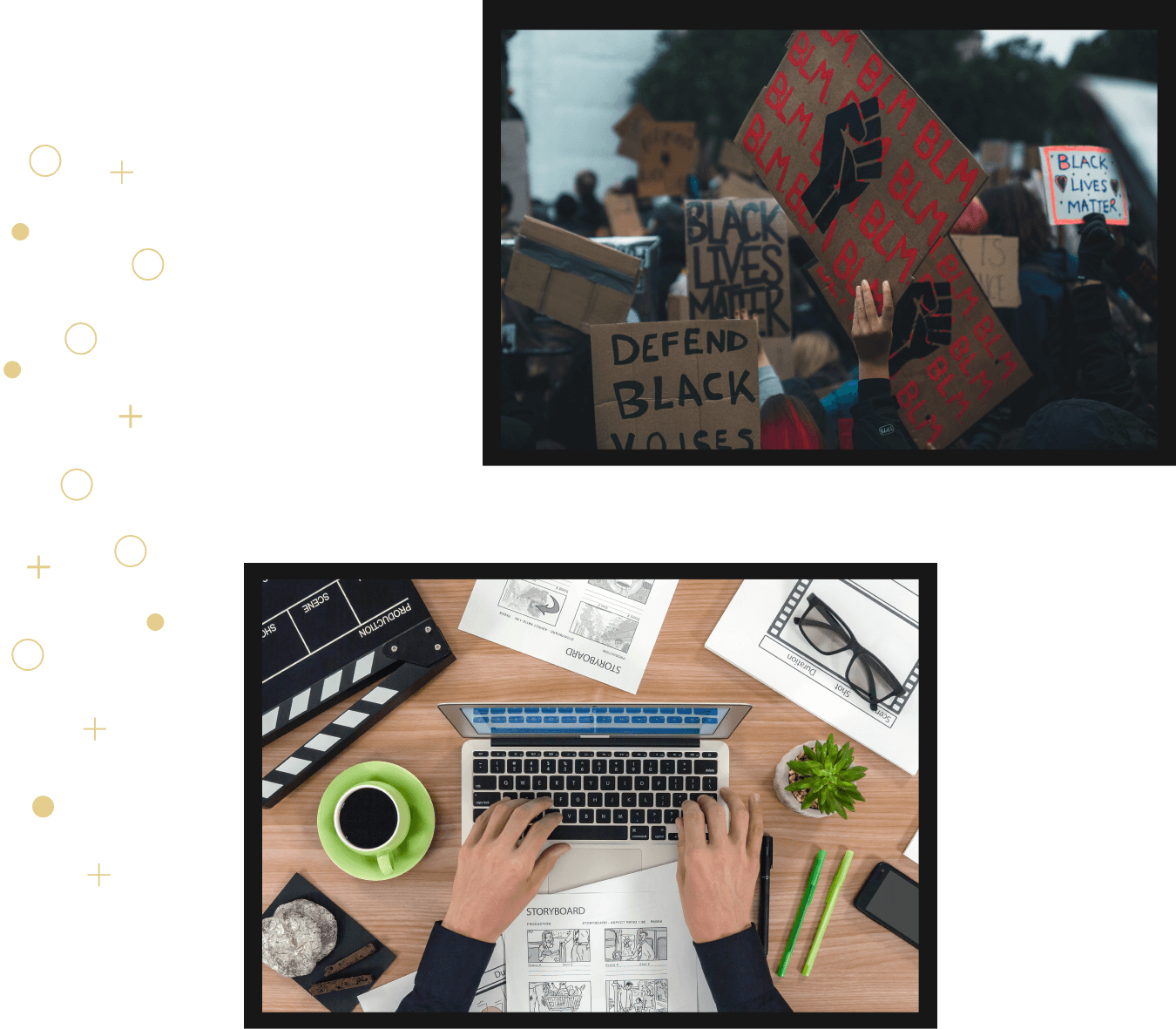
There’s no doubt that Oscar-winning short film Two Distant Strangers is incredibly hard-hitting – following the death of George Floyd and the Black Lives Matter movement, the 2020 movie addresses the police killings of black people in the US.
With the main character stuck in a time loop from which he cannot escape, the emotion that this narrative structure conveys was achieved with the help of an AI scriptwriting tool. This analyzed the original script for pacing and character development before making suggestions for improvement, allowing creator Travon Free to truly imitate life with his artistic representation of the 2020 social climate.
2021 2021 2021 2021 2021 2021 2021 2021 2021 2021
Flawless
Global accessibility is a key consideration for filmmakers wanting their creations to be a hit at box offices across the world. Flawless is an example of one movie that has achieved this with the help of AI lip-syncing technology, allowing actors to dub their lines in multiple languages with perfect accuracy.
This technology works by analyzing each actor’s unique mouth movements and modulating the dubbed audio to match, which has revolutionized the localization process for many film studios.

Director & Artist Perspectives
of AI in the Creative Process
On one side of the AI argument, artists and directors are excited about the possibilities for creativity and efficiency beyond what humans could achieve alone. Yet on the other hand, the drastic changes that these AI technologies can bring has created a sense of apprehension, making some creatives more critical.
Enhancement of Creative Tools
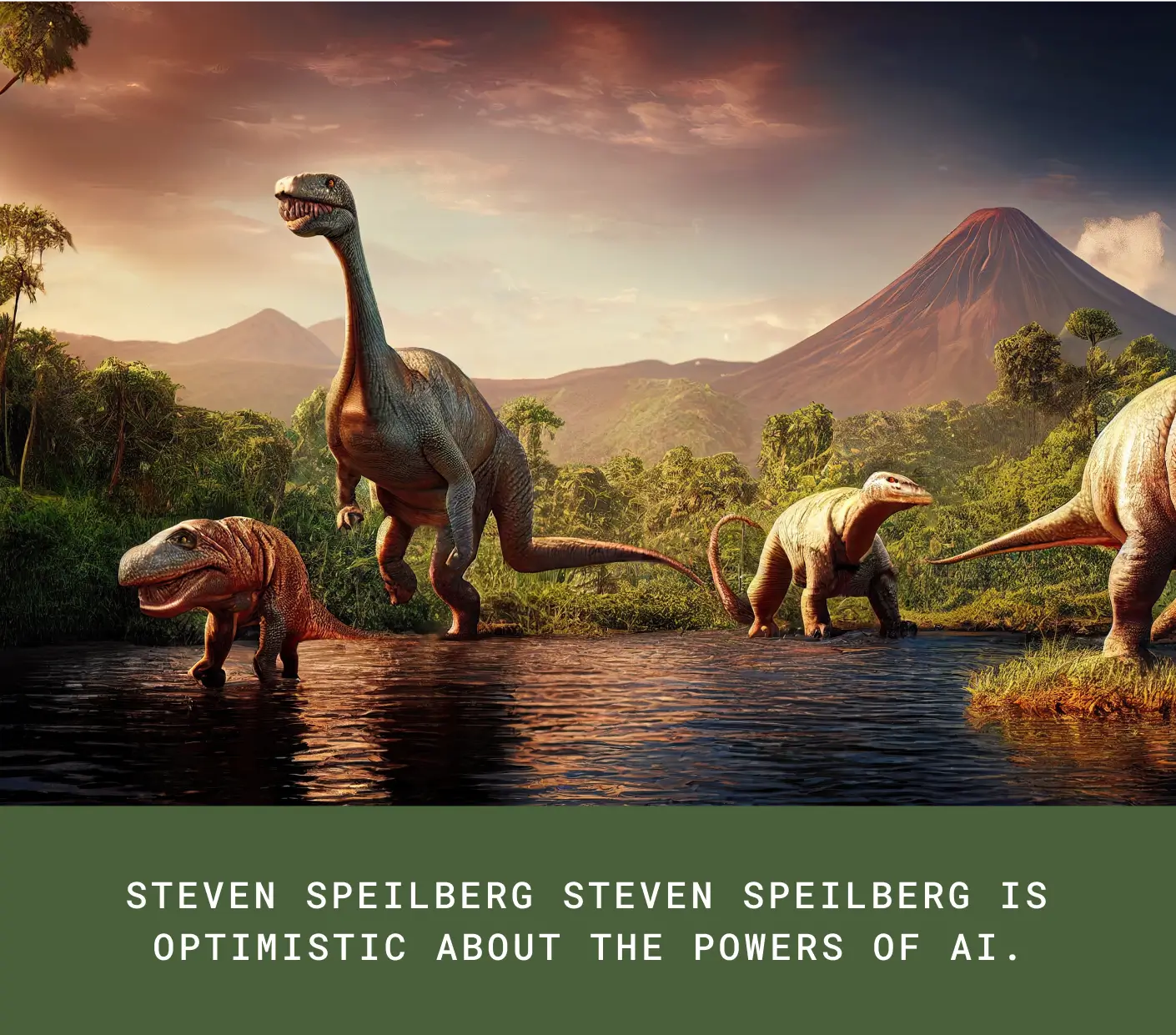
In terms of the opportunities for creative storytelling, Steven Speilberg is optimistic about the powers of AI.
As one of Hollywood’s best-known and most influential directors, he sees artificial intelligence as a way to help moviemakers both explore narrative dimensions and solve practical problems that arise during the creative process, particularly when guided by human creativity.
1995
James Cameron’s AVATAR
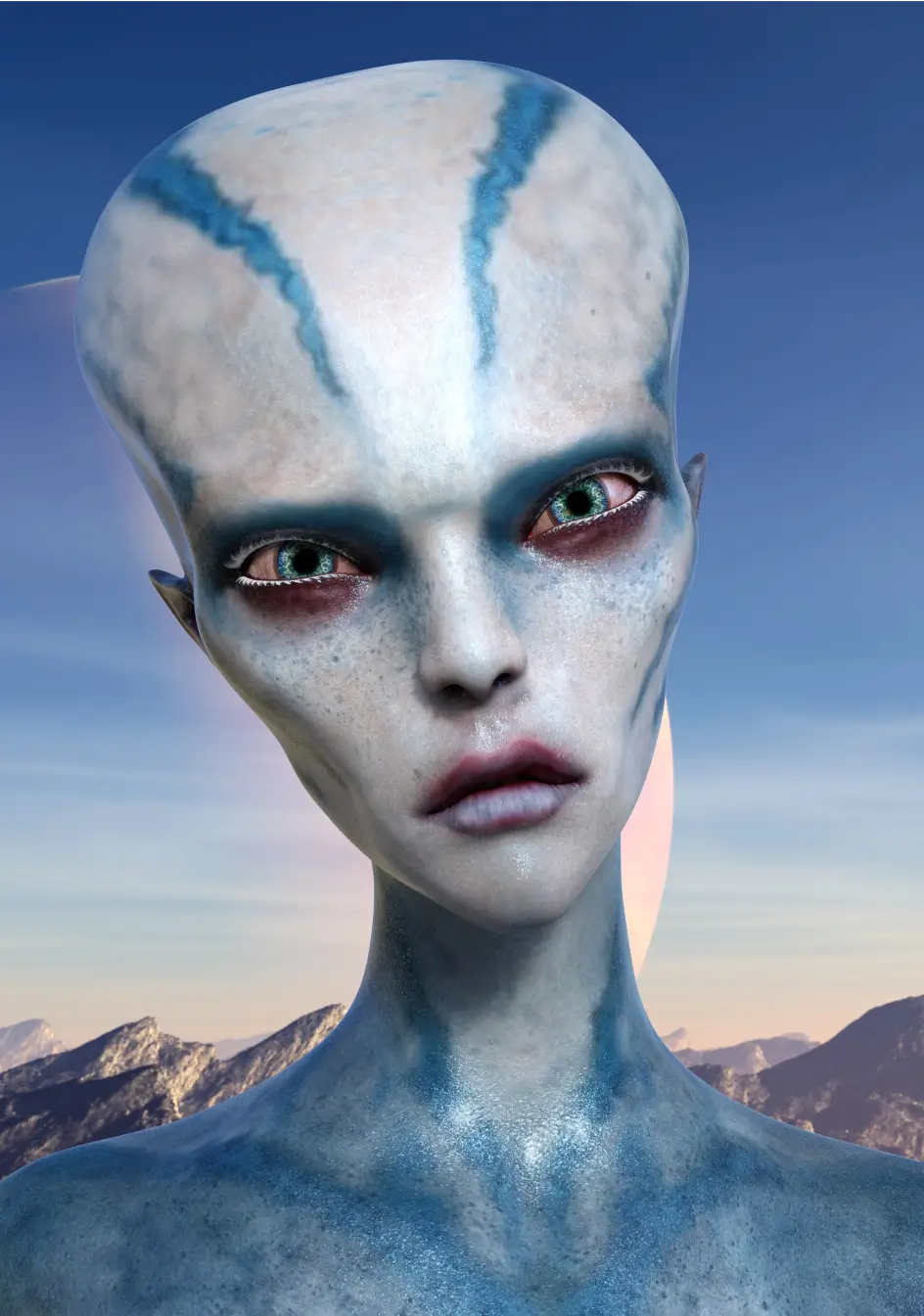
James Cameron, known for pioneering VFX-powered films like Avatar, is another director who appreciates AI for its ability to make the visually impossible, possible on the big screen. Cameron initially wrote Avatar back in 1995 with the idea of creating a 3D, computer-generated world, taking on an ambitious project that would require waiting for new technologies to emerge.
Concern About Authenticity &
Originality
From Reservoir Dogs to The Hateful Eight, each film in Quentin Tarantino’s ten-movie portfolio is known for its chronologically reshuffled, often violent narrative. However, what makes the ‘Tarantino-esque’ style so unique, the director argues, are the imperfections, intuition, and spontaneity that human writing brings.
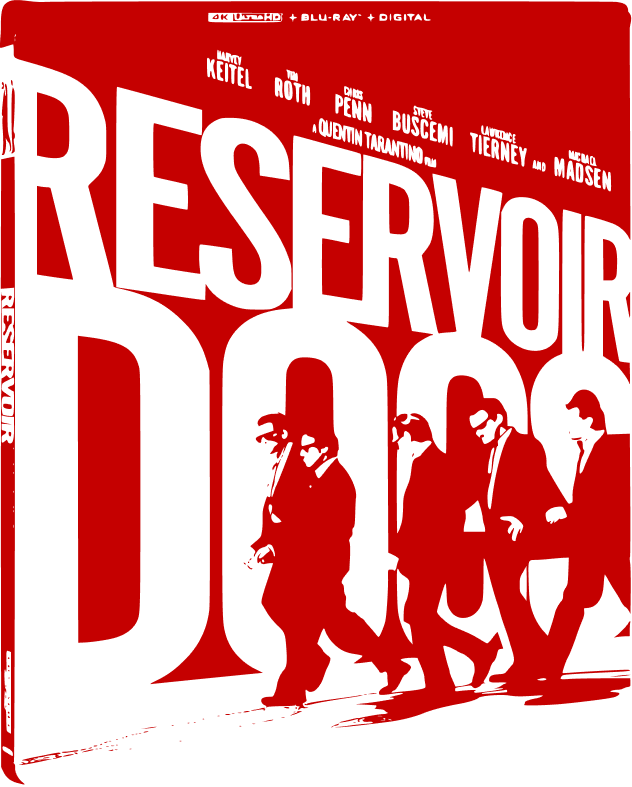
Quentin Tarantino’s work
Known for his preference for traditional filmmaking techniques, Tarantino’s concerns about the over-reliance on AI come from the potential loss of unique artistic signatures, which ensure that films resonate emotionally with audiences.
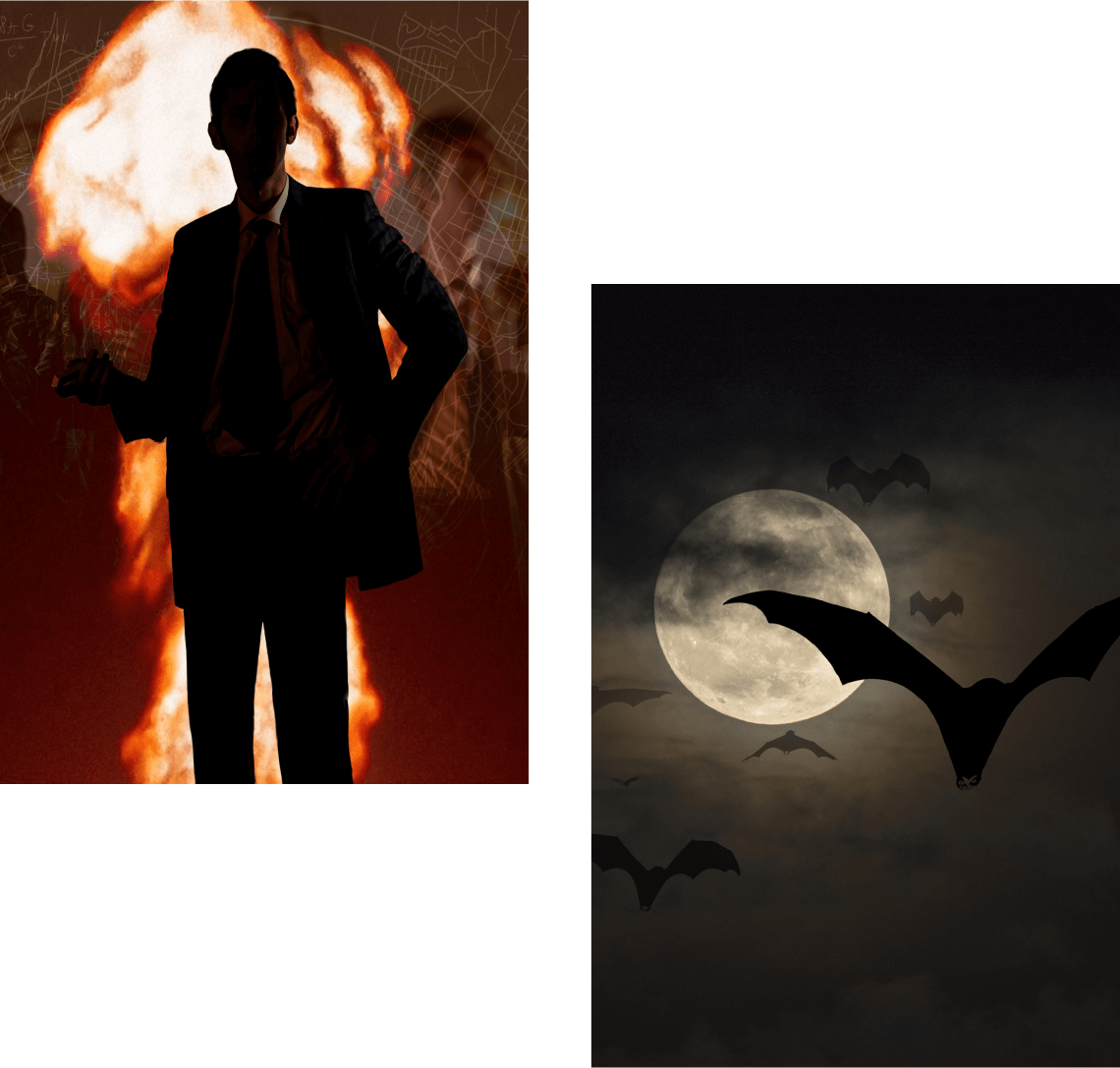
Christopher Nolan
Another filmmaker who champions human-driven storytelling is Christopher Nolan, creator of Hollywood blockbusters including Oppenheimer and The Dark Knight. Nolan worries that AI could remove the creative human touch that makes auteur cinema so distinct, while simultaneously acknowledging the efficiency that such technologies can bring to the table.
The Debate on AI’s Role in Creativity
Can AI ever really generate the same level of creativity that comes from human insight? German filmmaker and actor Werner Herzog doesn’t think so.
With a style involving improvisation and little storyboarding, Herzog has reflected on the philosophical implications of artificial intelligence, suggesting that he doesn’t share the same concerns as many about these technologies replacing human artists.
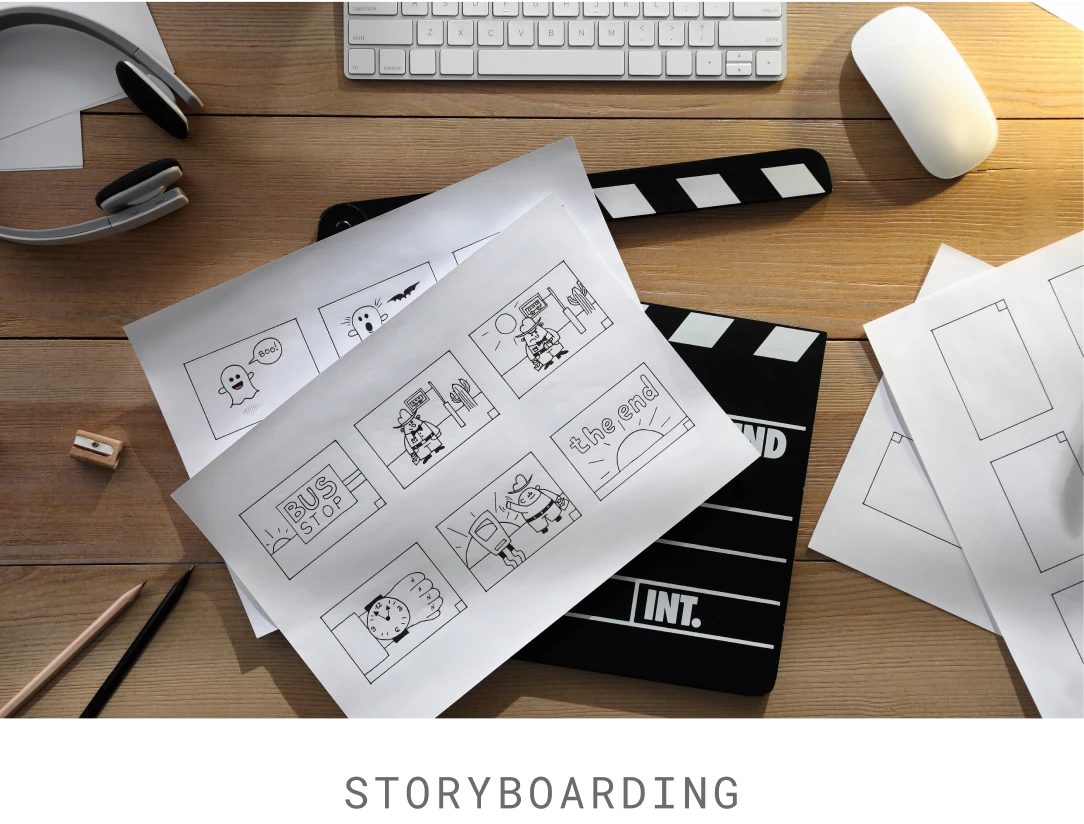
Greta Gerwig has a slightly more optimistic, yet cautious approach to AI. While being curious about the potential of AI in assisting editing and writing, the solo filmmaker believes that the core creative vision should originate from human experience.
Exploration and Experimentation
Thanks to AI-powered tools, the efficiency of faster production and lower production costs in the film industry means that scriptwriters and directors have more resources to dedicate to experimentation.
Filmmaking
As a visual effects supervisor and advocate for technological innovation, Robert Rodriguez has pioneered the use of AI experimentation in many of his projects. He views AI as a tool for exploring new storytelling techniques, along with interesting styles of filmmaking.
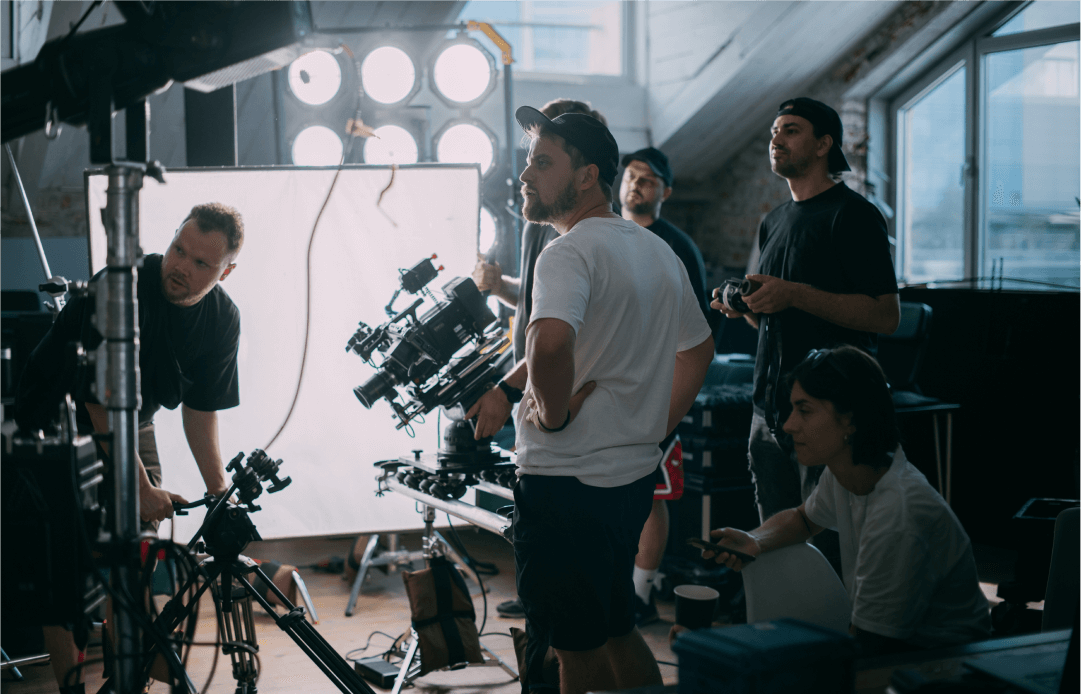
A Nike Commercial
For example, when creating a Nike commercial, Rodriguez used AI to compile a series of movie shots. This would give the crew an idea of what the location and lighting should look like to achieve his creative vision, so that they could then start shooting in record time.
Tarsem Singh has also shown interest in the use of AI tools for designing visually unique elements, such as those in his modern cult favorite film The Fall. The Indian director suggests that artificial intelligence could become a future collaborator in creating more intricate visual narratives.
impact on employment

artificial intelligence . ai
AI technology may show promise in terms of both innovation and efficiency as it becomes more widely adopted throughout the movie business.

AI Technology


Innovation

Effciency

However, while opening up exciting new avenues for more creativity in screenwriting, it also poses a significant threat to those whose job roles rely on handling the more time-consuming operational tasks within the film industry.
Job Displacement
According to the World Economic Forum’s Future of Jobs Report, artificial intelligence could lead to the disruption or replacement of around 85 million jobs by 2025, including the following movie industry roles:

World Economic Forum’s Future of Jobs Report
ai will replace
85 million jobs by 2025
01
Script Analysts
Script analysis tools powered by AI can be used to provide pointers on everything from plot points to narrative structure, allowing writers to make improvements before a movie goes into production. These tools often work more efficiently than human scriptwriters, whose preferences towards certain film types, genres, actors, and plots may impact their ability to stay objective.
02
Basic Editing Tasks
Automated editing software may reduce the need for junior editing assistants. This role generally involves tasks such as working through hours of footage to assemble rough cuts or making manual adjustments to ensure accurate lip-syncing.
03
Visual Effects Technicians
With the gradual integration of AI into VFX creation, tedious tasks like object removal and background replacement, which are usually performed by entry-level artists, may become automated.
04
Colorists
While more complex color-correction challenges will still require that creative human touch, AI tools that automatically adjust colors and lighting across scenes are now available. This reduces the need for hours of manual work to maintain visual continuity.
05
Camera Operators
Many AI-driven camera systems work automatically to frame shots and track moving subjects in real-time, without the need for adjustment from human operators. Plus, they can work in any conditions, no matter how bad the weather, while still maintaining those precise and stable shots.
06
sound design
AI software can be used to recreate the everyday sound effects that human foley artists would usually add manually to movies. It may also lower the workload for sound engineers, particularly those whose roles involve mixing and editing soundtracks.
07
casting directors
With movie casting sometimes taking months, film studios working at lower budgets or on a reduced timescale can benefit from the use of AI. These algorithms analyze past casting data to predict audience reactions, which streamlines the process and reduces the need for large casting teams.
08
box office analysts
Box office prediction models that can forecast the earnings of future releases, analyze audience demographics, and suggest ideal release dates could replace the demand for human marketing analysts.
New Opportunities
Emerging Job Roles & Skills Due to AI Integration
While artificial intelligence does pose a threat to the livelihoods of those working within the film industry, for now, human creativity still reigns supreme in many areas that require emotion and innovation.

To cope with this tech revolution, filmmakers must adapt to hybrid models that combine their traditional expertise with newer AI applications. In some of the following emerging roles, AI can therefore be seen as something that benefits natural human creativity, rather than simply replacing it:

Ethical Considerations
artificial intelligence . ai
No significant technological change comes without challenges, especially with a tool as powerful as artificial intelligence. The use of AI-powered systems poses some big ethical questions, which filmmakers must consider to maintain the integrity of this special art form.
artificial intelligence . ai
Collection of Sensitive Information
Distribution and marketing tasks that involve predictive analysis usually require large amounts of sensitive information, including viewing habits, demographic details, and audience preferences. Proper consent must be acquired before collecting this data to avoid privacy violations.

artificial intelligence . ai
Data Security and Breaches
Keeping large amounts of data on file can also make audiences, filmmakers, and other companies involved in film production and distribution vulnerable to security breaches.
artificial intelligence . ai
Inadequate Anonymization
Part of keeping sensitive information stored safely should involve anonymization. Without a sufficient anonymization process, film studios could experience significant privacy infringements, which could lead to lawsuits if handled incorrectly.

artificial intelligence . ai
Bias and Discrimination
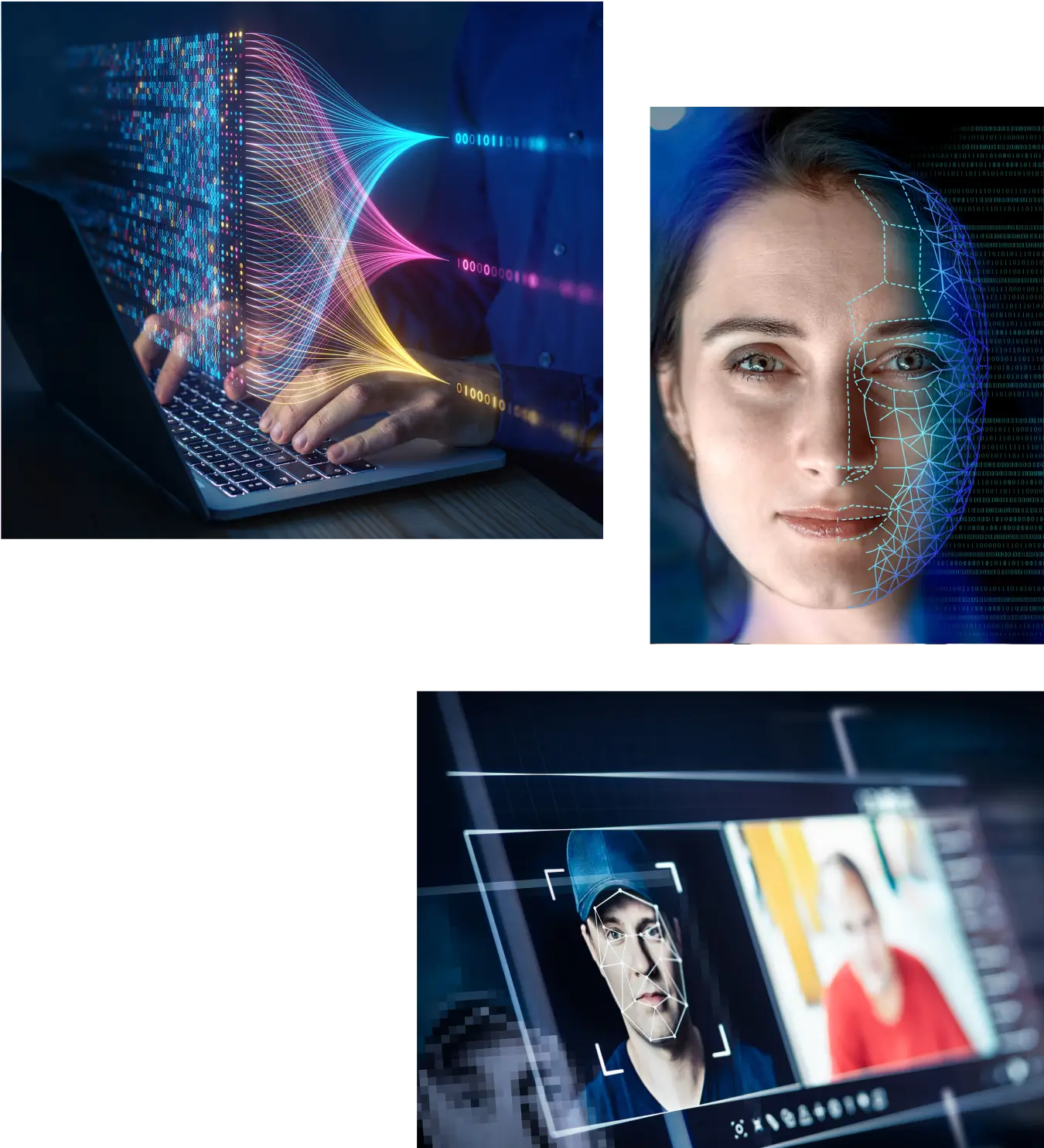
One notable benefit of using AI analysis tools to make decisions regarding scriptwriting and marketing, for instance, is that they can be more objective than human analysts. However, unless they’re fed properly representative data, these systems are still at risk of bias.
This could lead to discriminatory decisions being made, such as marketing strategies that fail to target specific groups, or particular types of people being excluded from casting.

artificial intelligence . ai
Informed Consent
Gaining consent before collecting and using data is an important part of data privacy, along with ensuring that users understand exactly what they’re consenting to. This is especially relevant for movies that are designed for online streaming platforms.

artificial intelligence . ai
Use of Publicly Available Data
Different countries have different regulations regarding the use of data, especially when it comes to US vs European Union laws. With data often crossing international borders, navigating the legal landscape can often become complicated for film productions that span several countries.
Plus, while the short-term storage of personal data may reduce the efficiency of AI-trained systems, storing it for longer periods increases the risk of privacy issues, including data breaches.

Conclusion
artificial intelligence . ai
AI. shaping the future of the movie industry
From streamlining the production process to enhancing scriptwriting creativity, artificial intelligence looks set to continue shaping the future of the movie industry. While these technologies can save precious money, they don’t come without their challenges, however.

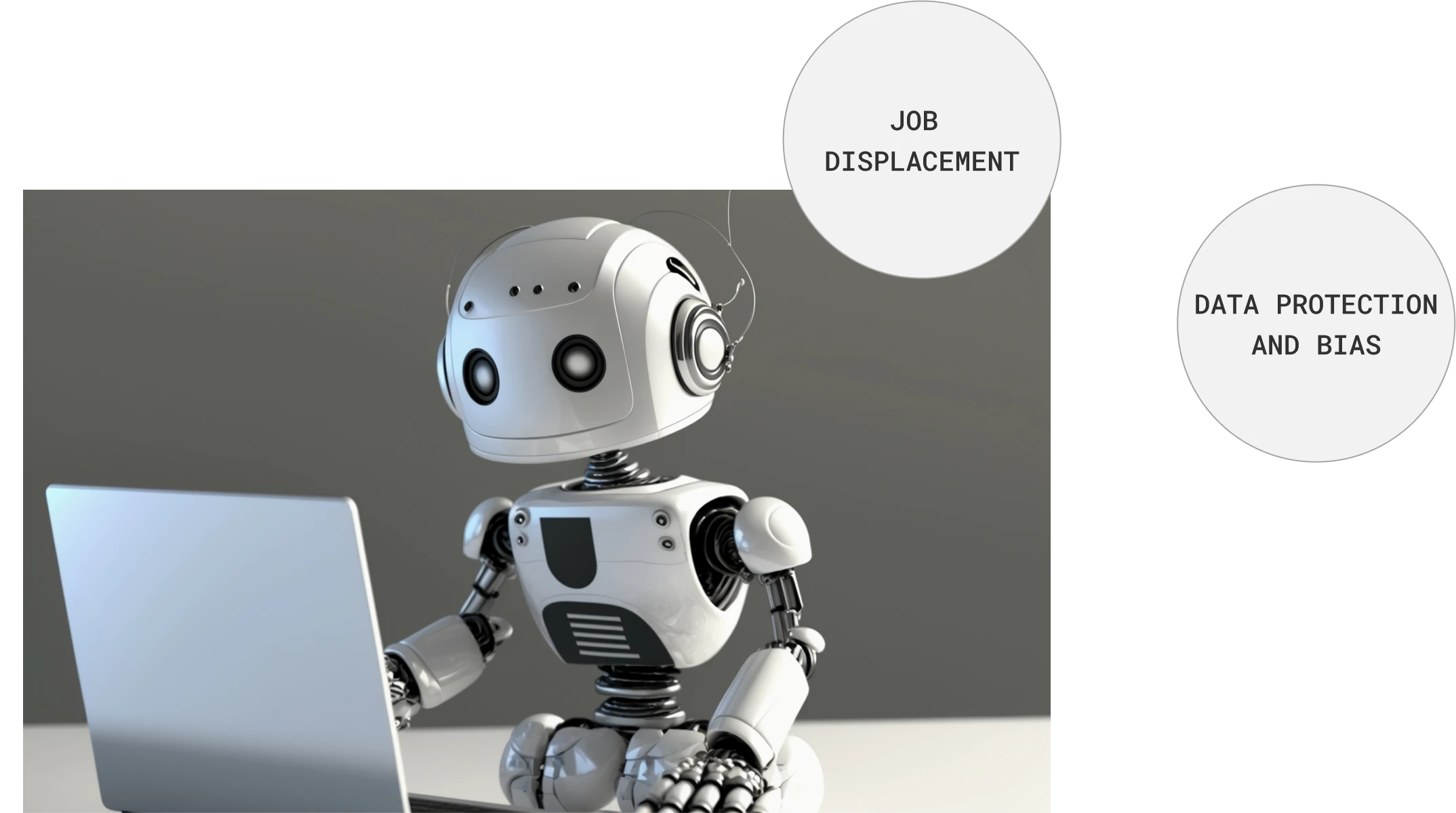
Factors such as data protection and bias, as well as the impact on job displacement, are two key concerns that those using AI must consider to ensure that its power is harnessed both ethically and effectively.
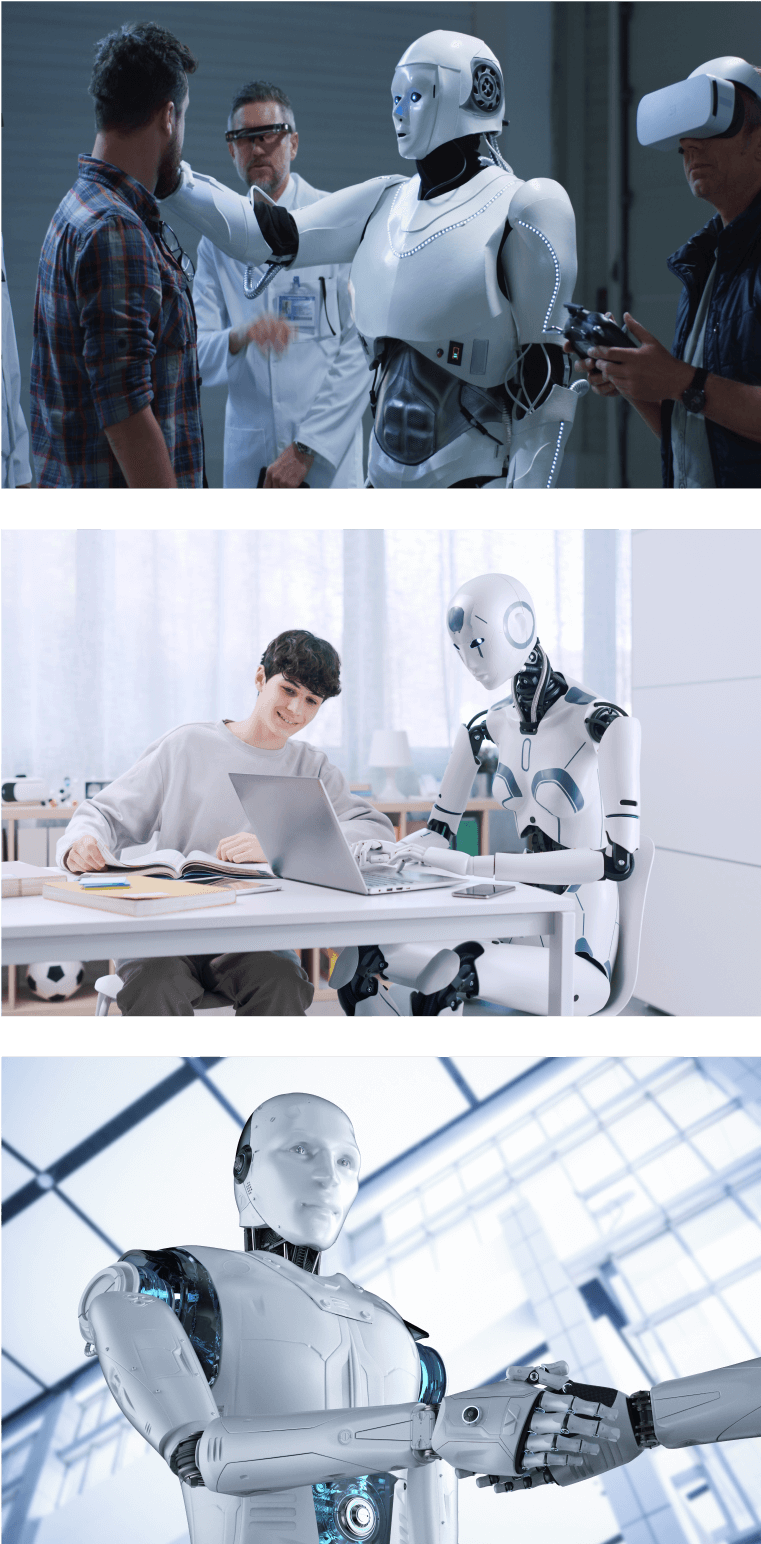
AI & HUMAN
But what is the ideal role of AI in film production? While it may be too early to draw a full conclusion, a combination of human creativity and AI-powered tools could be the most promising strategy for creating movies with spellbinding visual effects that still capture true human emotion.
How is AI used in filmmaking?
AI assists in scriptwriting, visual effects, editing, and even creating virtual actors.
Can AI write movie scripts?
AI can generate ideas and assist writers, but full scripts still require human creativity.
Will AI replace human actors?
While AI can create digital actors, it’s unlikely to fully replace human performers.
How does AI improve visual effects?
AI enhances CGI, automates tasks, and creates more realistic animations.
Can AI predict a movie's success?
AI analyzes data to forecast box office performance, but predictions aren’t foolproof.
How is AI changing movie marketing?
AI personalizes trailers, targets ads, and analyzes audience reactions.
Are there AI-directed films?
Some experimental short films use AI, but feature films still rely on human directors.
How does AI assist in film editing?
AI can suggest cuts, organize footage, and automate time-consuming tasks.
Will AI make filmmaking cheaper?
AI can reduce costs in some areas, but high-quality filmmaking remains expensive.
What are the ethical concerns of AI in film?
Issues include job displacement, copyright, and the authenticity of AI-generated content.