

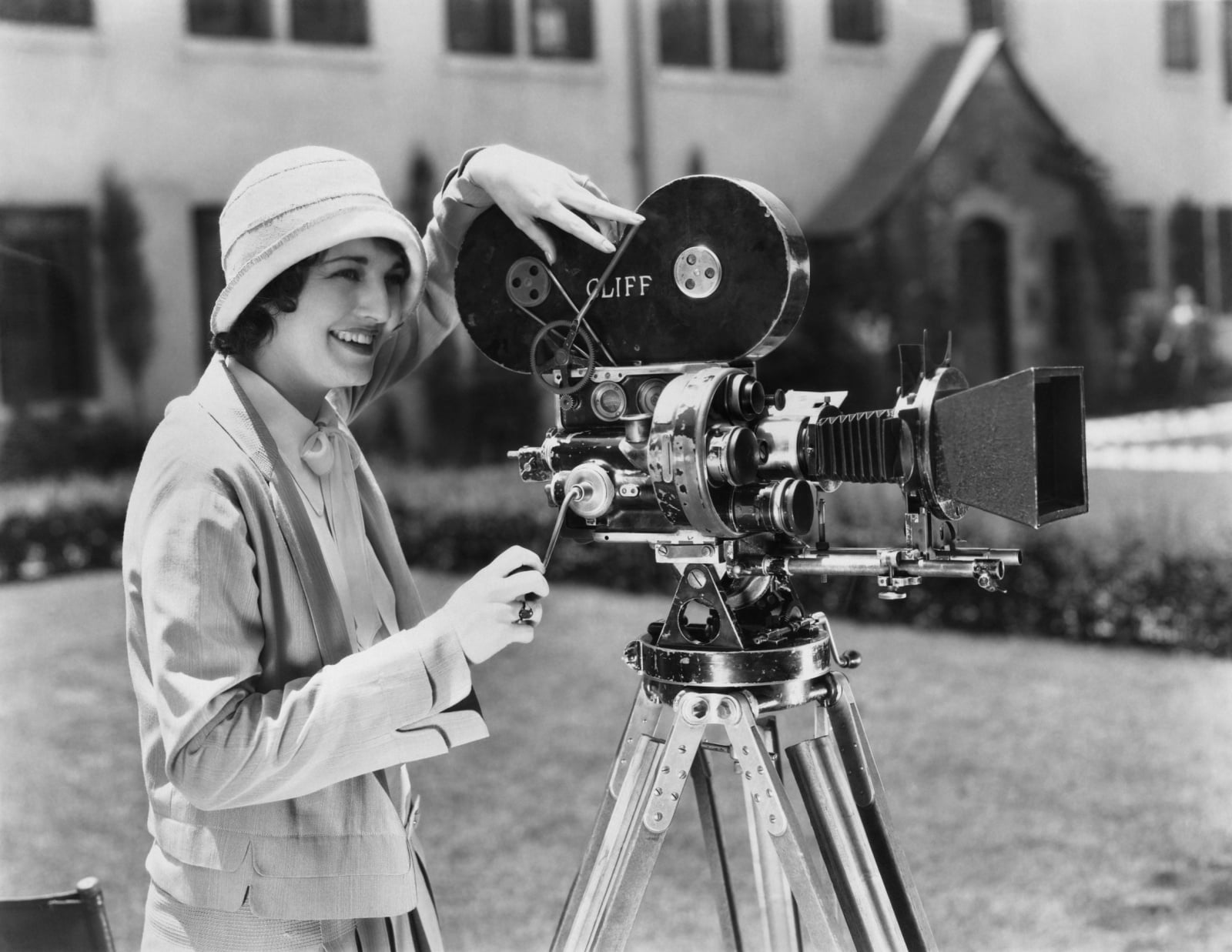
When you watch the credits roll at the end of a film from your movie-watching sofa, the sheer number of names makes it clear how many people it takes to bring a story to life. What often goes unnoticed is how deeply women have shaped every part of filmmaking, from acting, directing, and editing to composing, producing, and even running studios. While their presence has sometimes been sidelined or erased from the record, women have been essential to cinema since its earliest flickers on the screen.

The 1890s: Setting the Stage
From the very start of cinema, women played key roles both on and off the screen. Thomas Edison was experimenting with film and starting to make his own movies, including John Rice-May Irwin Kiss, the first film with a female co-star. At the same time, Alice Guy-Blaché, a French filmmaker, was releasing her first movie, The Cabbage Fairy, which was also the first narrative film by a female director. Guy-Blaché would go on to build the first female-operated studio, setting up Solax Studios in New Jersey.

1900s: Before Hollywood, a Time of Experimentation
Early cinema was a period of innovation, with silent films exploring new techniques like close-ups, artificial lighting, and special effects. Women were involved in every aspect of production, including acting, writing, directing, editing, and stunt work. Florence Lawrence became the first movie star known by name; before this, actors weren’t credited. And screenwriter Gene Gauntier adapted Ben-Hur into a screenplay in only two days, exemplifying women’s vital contributions behind the camera.

1910s: The Silent Film Era
During the 1910s, women had unprecedented opportunities in film. Directors, producers, screenwriters, and editors flourished. Lois Weber, the highest-paid director in the silent era, tackled moral and social issues in her films, including birth control and racial justice. Female screenwriters outnumbered men ten to one, and actresses dominated serials and cliffhanger adventures. One actress in particular, Mary Pickford, helped to break a major boundary in the film industry, co-founding United Artists with Charlie Chaplin, director D.W. Griffith, and her husband, Douglas Fairbanks. This was the first major studio controlled by artists, not businessmen.

1920s: Hollywood Becomes Big Business
As film production grew into a major industry, men increasingly dominated leadership roles, and women’s influence diminished. Small independent studios run by women were largely pushed out. Men took over directing, producing, and departmental leadership, while women were often confined to editing, costume design, or acting. Still, some women, like Dorothy Arzner, managed to direct successful films, proving that female voices could survive within a male-controlled system. Meanwhile, on screen, Anna May Wong became the first Chinese American movie star, though she often faced racial typecasting and was denied lead roles.

1930s: Talkies, Technicolor, and the Great Depression
The advent of sound and Technicolor brought both challenges and opportunities. Female screenwriters thrived, crafting dialogue-rich scripts that featured intelligent, independent female characters. Editors who remained influential shaped the storytelling process, and costume designers like Edith Head, a future Oscar winner, created iconic looks that set public fashion trends. Actresses such as Greta Garbo successfully transitioned to talkies, showing women’s adaptability during technological change.
1940s: Hollywood’s Golden Age
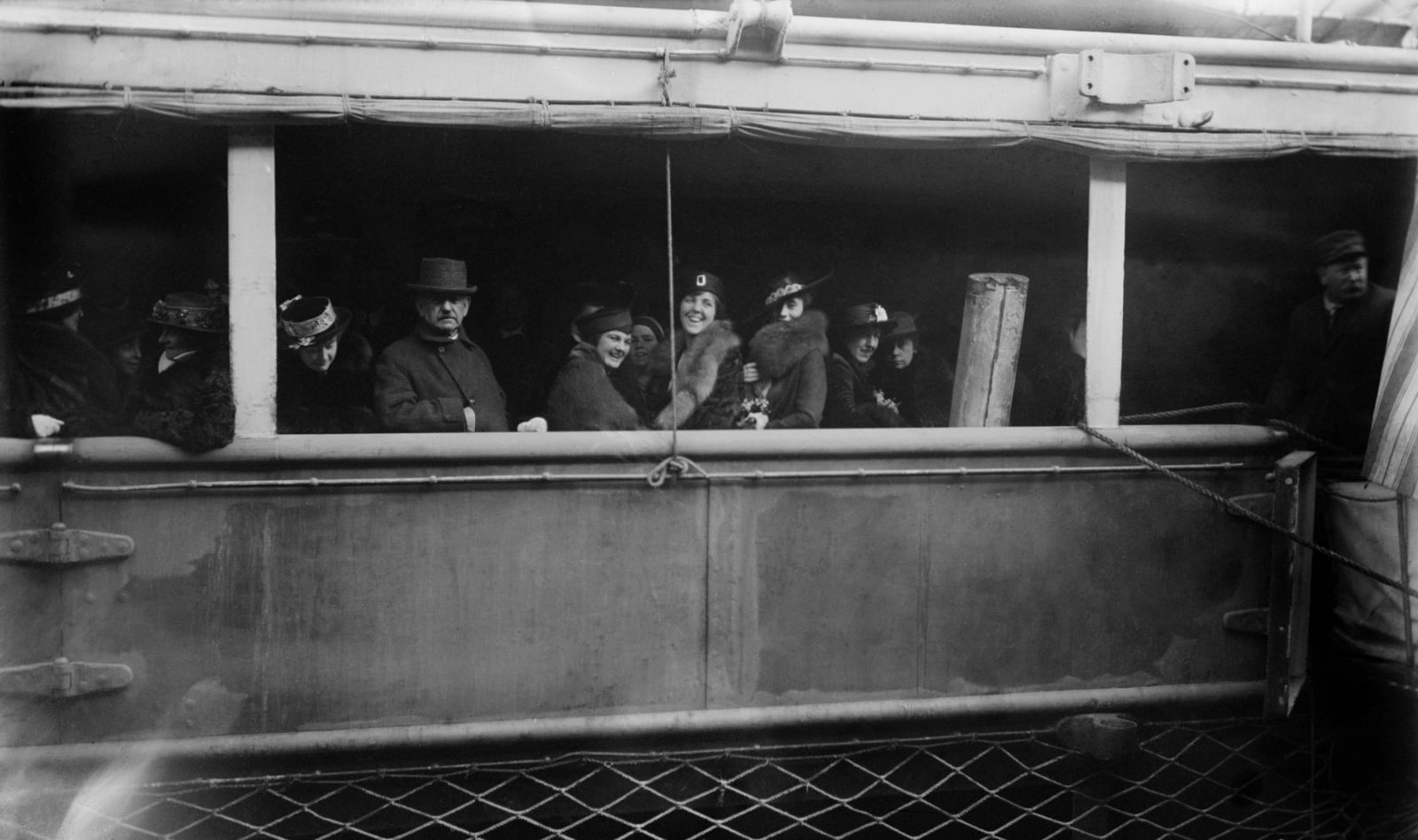
The 1940s saw glamour and prestige dominate film, with stars like Betty Grable and Lauren Bacall capturing audiences’ imaginations and filling theater seats. Women earned Oscars as screenwriters, editors, and costume designers. Hattie McDaniel became the first African American Oscar winner, taking the award for best supporting actress for her role in Gone With the Wind. And Virginia Van Upp became executive producer of Columbia Pictures, opening doors to studio management for women.

1950s: The Breakup of the Studio System
Postwar societal shifts and the rise of television reduced opportunities for women in film in the 1950s. Many screenwriters and editors were pushed out, while costume design remained a stronghold for female talent. Dorothy Dandridge made history as the first African American woman nominated for the Oscar for best actress. And the collapse of the studio system, under which studios kept artists under long-term contracts and owned their own movie theaters, brought greater flexibility but less job security for women in film.

1960s: The Times Are a-Changin’
Cultural upheavals influenced Hollywood in the 1960s, from the sexual revolution to the women’s movement. Women excelled in set decoration, art direction, and costume design, with Edith Head remaining dominant. Teenage “teen queens” became popular on screen, with actors like Ann-Margret and Sandra Dee rising to fame, but behind-the-scenes authority remained limited, with the seats of power mostly filled by men.

1970s: Starting a Comeback
Women began reclaiming their foothold in film in the 1970s. Dede Allen became a leading editor and the first to secure a percentage of a film’s profits. Julia Phillips broke barriers as the first female producer to win the Oscar for best picture for The Sting (1974). Lina Wertmüller became the first female nominee for best director in 1977 and also earned recognition for screenwriting. Women increasingly wore multiple hats to advance their projects and assert influence in the industry.

1980s: Women Manage Their Futures
Sherry Lansing became the first female president of a major studio, 20th Century Fox, in 1980, opening high-level decision-making roles to women. Barbra Streisand co-wrote, produced, directed, and starred in Yentl (1983), and Gale Anne Hurd both co-wrote and produced 1984’s The Terminator. Editors and screenwriters continued to earn Oscars, while women in costume design, makeup, and visual effects maintained strong representation. Though women in the director’s seat still faced barriers, progress was visible across multiple disciplines.

2000s: Breakthroughs
Halle Berry became the first black woman to take home the Oscar for best actress for Monster’s Ball in 2002. Sofia Coppola won for best original screenplay and earned a best director nomination. Women also advanced technological innovations in film, such as Kristina Johnson’s work on RealD 3D imaging. Diablo Cody, Fran Walsh, and other women won Oscars for writing, producing, and costume design. Across the industry, women expanded their reach in creative, technical, and leadership roles.
2010s: Women Rise
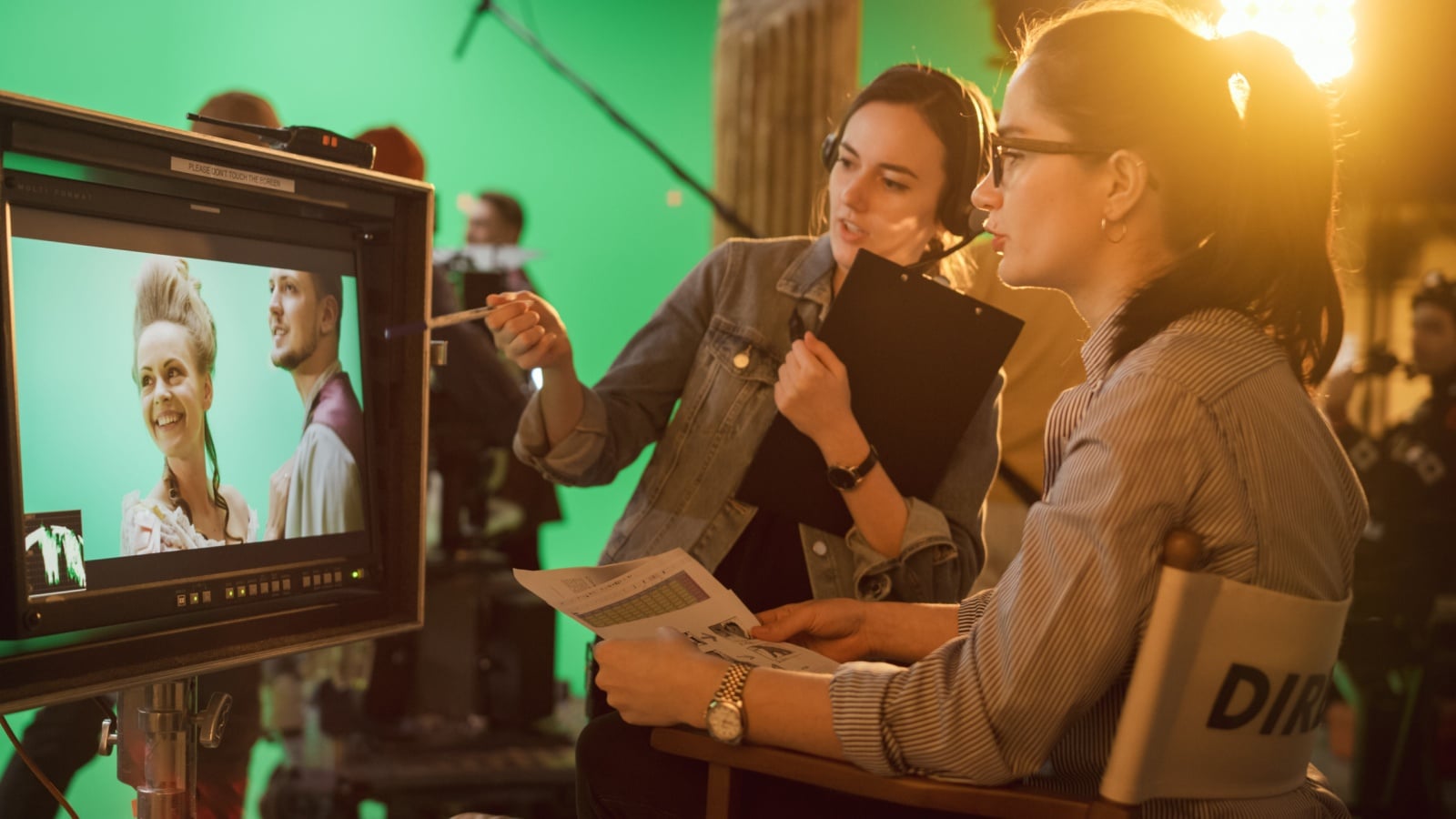
Kathryn Bigelow became the first woman to win the best director Oscar for The Hurt Locker in 2010, also earning a best picture Oscar. Greta Gerwig and Ava DuVernay gained prominence, while Rachel Morrison became the first woman nominated for best cinematography. Lora Hirschberg and Sara Bennett broke new ground in sound and visual effects. And the Time’s Up movement emerged in 2018, throwing the spotlight on inequities, harassment, and pay gaps in the industry. Women in film, through more than a century of contributions, had finally begun to assert long-overdue power.

2020s: Cementing a New Era
The 2020s opened with a surge of firsts that cemented women’s growing authority in film. Chloé Zhao became the second woman, and the first woman of color, to win the best director Oscar for her 2020 film Nomadland. The following year, Jane Campion became the third woman to win the best director Oscar for her 2021 film The Power of the Dog, also making her the first woman to receive two nominations in that category. Behind the camera, representation advanced on the technical side as well: cinematographer Autumn Durald Arkapaw became the first woman, and the first woman of color, to win the Oscar for best cinematography for her work on Sinners at the 2026 Academy Awards.
On the commercial front, women rewrote the record books. Greta Gerwig cemented box office history as her blockbuster Barbie scored a massive $155 million in its opening weekend, marking the biggest debut ever for a film directed by a woman. The film went on to earn $1.4 billion at the box office worldwide, becoming the highest-grossing film ever directed by a woman. The decade’s momentum showed no sign of slowing, with more women directing, shooting, and producing major studio films than any prior generation, backed by a growing network of industry organizations pushing for systemic change.