


Fortress Home Theater Seating
Fortress home theater seating occupies a category almost entirely of its own. Founded in 1935 and still manufacturing near Los Angeles, Fortress spent more than seven decades building commercial and executive seating before turning that engineering toward private cinemas. The result is a line of theater chairs that are not selected from a catalog so much as commissioned. Nothing sits in a warehouse waiting for an order. Each frame is cut, upholstered, and assembled after you decide what you want it to be.
 Limited Time Sale on Now!Californian by Fortress Seating+ Many Colors, Options & LayoutsFrom $2,000 / seat $2,50020% Off2
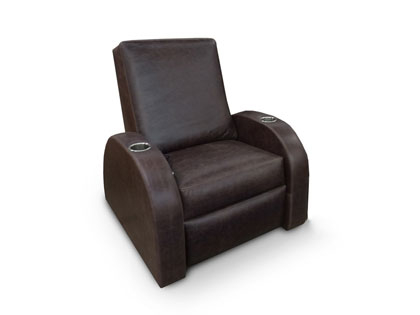


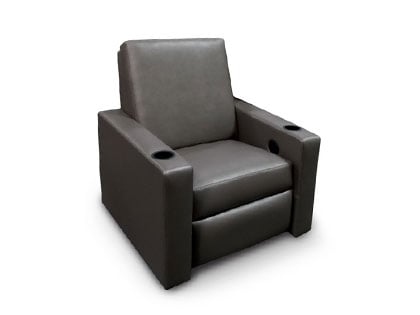
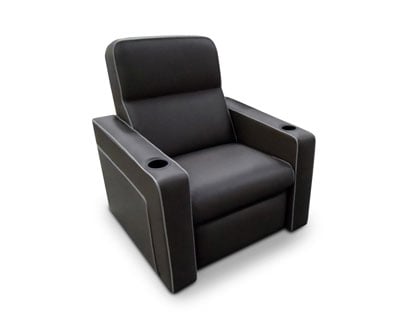
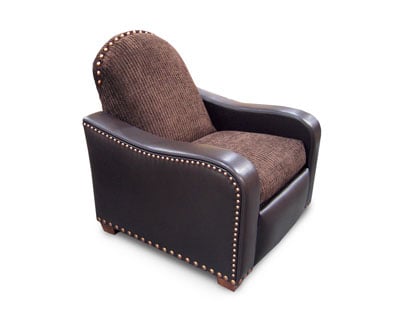


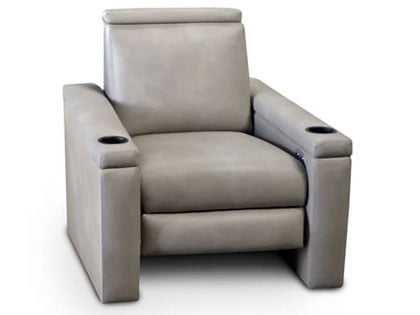
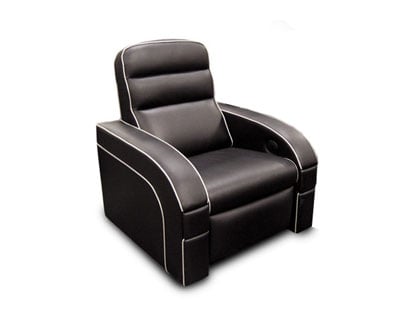

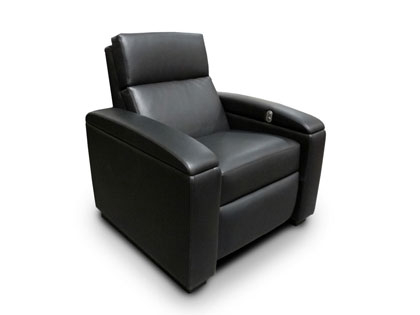


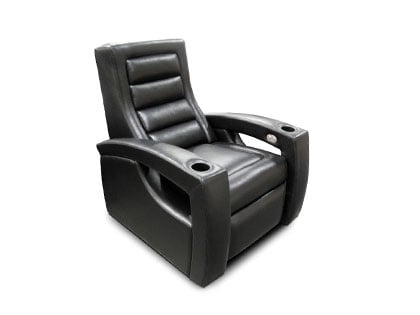


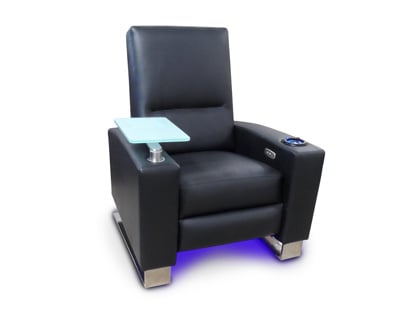


Fortress Seating for Sale
That distinction matters more than it sounds. Most home theater seating is built to a fixed set of dimensions, and your room has to accommodate the furniture. Fortress reverses the relationship. Seat width, back height, arm profile, recline depth, row curvature, and upholstery are all variables you control, which is why integrators designing rooms with awkward widths, low ceilings, or unusual sightlines keep coming back to this brand. If a standard row of four leaves you eleven inches short of the wall, Fortress can simply build the seats eleven inches wider.
We carry 39 Fortress models at TheaterSeatStore, from the accessible Californian to the flagship AirFlo, with pricing from $2,000 to $5,400 per seat during current promotions. Every price on this page is a real, visible number — no "call for pricing," no hidden MAP gate, no login wall.
Why Fortress Popular Models Customization Compare Brands Buying Guide
What Sets Fortress Furniture Apart
Ask a custom integrator why they specify Fortress for a six-figure theater build and you will usually get the same three answers. The frames outlast the room. The customization is genuine rather than cosmetic. And the finish work holds up to close inspection in a space where the lights come back on and people actually look at the furniture.
- Commercial DNA in a residential chair: Fortress cut its teeth on cinema and corporate seating, where a chair is expected to survive thousands of cycles a year. Those reinforced frames and heavy-duty recline mechanisms carry straight over to the home line.
- True built-to-order manufacturing: Not "choose from six colors." Dimensions, proportions, and construction details change per order, and Fortress accepts Customer's Own Material (COM) if you have a specific hide or fabric in mind.
- Built in the USA: Production stays domestic, which shortens the feedback loop when something needs to be adjusted mid-build. Browse the full North American made seating collection to compare, or start from the full home theater seating collection to see Fortress alongside every other brand we carry.
- Top-grain leather as the standard, not the upgrade: Fortress works in genuine top-grain and full-grain leather rather than the bonded or PU material common at lower price points. It breaks in instead of breaking down.
- Design range without a house style: The catalog spans clean modern silhouettes and heavily detailed traditional pieces with nailhead trim and channel tufting, so the seating can follow the room instead of dictating it.
- Serviceable for the long haul: Components are replaceable and parts remain available, which is the quiet reason Fortress installations from the early 2000s are still in service.
Popular Fortress Home Theater Seats
Thirty-nine models is a lot to work through, so here is how the collection tends to break down in practice. Most buyers land in one of four camps.
Traditional & Ornate
The Eldorado is the signature piece here — nailhead detailing, two-tone leather options, embroidered logo capability, and the kind of presence that anchors a room built around velvet drapes and sconce lighting. The Guild takes a similar approach with a slightly heavier frame and deeper seat. The Casablanca splits the difference, borrowing golden-age cinema styling while keeping modern power functions underneath.
Modern & Architectural
The Metro and Lexington are the go-to choices for contemporary rooms — low profile, tight stitching, minimal ornamentation. The Crosstown adds optional heat and massage without visually announcing it, and the CineMilano wraps full leather over a European-influenced frame with power recline and power headrest standard.
Comfort-First Recliners
If the priority is simply sitting through a three-hour film without shifting, look at the Kensington, which pairs plush back cushioning with genuinely useful lumbar support and low-profile arms with integrated cup holders. The Manhattan and Matinee are the value entries in this group, and the Matinee in particular is one of the more approachable ways into the brand.
Flagship & Fully Loaded
At the top of the range, the AirFlo and Hudson represent what the factory can do when nothing is held back — advanced comfort systems, the widest customization latitude, and construction detail you notice the moment you sit down. These are the chairs that end up in rooms photographed for magazines.
Beyond individual recliners, Fortress also builds custom chaise loungers, theater sofas, and sectionals in matching upholstery — useful when the back row of a theater doubles as lounge seating, or when a media room needs a mix of formats.
How Fortress Customization Actually Works
"Customizable" is one of the most abused words in furniture marketing. With most brands it means a color picker. With Fortress it means the factory changes the build. Here is what is genuinely on the table:
- Seat dimensions: Width, depth, and back height adjust to your room and to the people using it. This is the single most valuable option Fortress offers, and it is how rooms fit an extra seat per row.
- Row configuration: Straight or curved rows in any count, from a pair to a row of six, including center loveseat layouts for couples who would rather not sit divided by an arm.
- Arms and consoles: Fixed, retractable, or storage arms that swallow remotes, glasses, and a phone. Console width is adjustable too.
- Motion and support: Manual or power recline, motorized headrests, and power lumbar that lets each viewer dial in their own back support.
- Upholstery: Top-grain leather in a deep color range, performance fabrics and microfiber, two-tone combinations, contrast stitching, and COM if you are matching an existing interior scheme.
- Detailing: Embroidered logos or monograms, nailheads, diamond and channel stitching, piping, and specified hardware finishes.
- Integration hardware: Touchscreen and tablet mounts, actuator wiring, and mounting provisions for bass shakers and tactile transducers built into the frame rather than bolted on afterward.
- Tables and surfaces: Swivel tray tables and drop-down surfaces sized to the arm.
Because every order is built rather than pulled, Fortress seating typically ships in roughly 10 to 12 weeks. Plan your build timeline around that window. If your projector is going in next month, this is the wrong brand — and we will tell you so and point you at quick-ship alternatives instead of taking the order.
Materials and Craftsmanship Behind Fortress Chairs
Two theater seats can look identical in a product photo and diverge completely after three years of use. The difference is almost always in the parts you cannot see. Here is what Fortress puts underneath the leather.
Frames. Fortress carried its commercial frame engineering directly into the residential line. Where a mass-market recliner often relies on stapled engineered wood, Fortress uses reinforced, corner-blocked construction sized for continuous use in public venues. That is why the brand can offer oversized seat widths without the chair developing a wobble — the frame was overbuilt before the dimensions changed.
Leather. The upholstery grade is where budget theater seating quietly cuts cost. Bonded leather is shredded hide dust adhered to a backing; PU is a plastic film. Both crack and flake, usually between years two and five, and neither can be repaired. Fortress works in top-grain and full-grain hides that develop patina instead of failure. If you are cross-shopping and want to know exactly what to look for on a spec sheet, read our breakdown of how to identify genuinely good leather.
Foam and seating comfort. High-density foam holds its shape under repeated compression; cheap foam takes a permanent impression of whoever sits in it most. Fortress specifies densities intended for long-session viewing, and pairs them with ergonomic back geometry — the reason seat ergonomics matter as much as cushion softness for a three-hour film.
Mechanisms. Recline hardware is the most common failure point in any powered seat. Fortress uses heavy-duty mechanisms drawn from its commercial catalog, and because parts remain available from a domestic factory, a motor replacement in year seven is a service call rather than a replacement purchase.
Finish work. Stitch spacing, seam alignment, piping consistency, nailhead placement — the details that separate furniture from a chair. This is hand-executed work, and it is the part buyers most often mention after delivery. Browse the diamond stitch collection to see the technique across brands.
Matching Fortress Seating to Your Room Type
Which Fortress model makes sense depends heavily on what kind of space you are building. The brand's flexibility is most valuable in rooms that refuse to cooperate.
- Dedicated theater with tiered rows: This is Fortress's home ground. Custom seat widths let you maximize row capacity, and curved row geometry keeps every seat aimed at the screen. Pair with built-on riser seating or standalone platforms for the back row.
- Multi-purpose media room: When the room hosts football on Sunday and a movie on Friday, a mix of formats works better than a uniform row. Combine Fortress recliners with a matching Fortress sofa or custom sectional. Our comparison of a dedicated theater versus a media room is a useful starting point.
- Narrow or awkward rooms: Rooms with a doorway mid-wall, a support column, or a width that lands between standard row sizes are exactly where custom dimensions pay for themselves. Wall-hugger mechanisms recover several inches behind each seat.
- Great rooms and open plans: When the seating is visible from the kitchen, it has to work as furniture first. Modern low-profile models like the Metro and Lexington read as a designer sofa rather than a row of recliners.
- Commercial and screening rooms: Fortress builds to the same standards for private screening rooms and corporate viewing spaces — see our VIP cinema seating range for adjacent options.
If your layout is unusual, send us the dimensions before you shortlist a model. Half the value of specifying Fortress comes from designing the seats around the room, and that conversation should happen before you fall in love with a particular chair.
Fortress vs. Other Premium Theater Seating Brands
Fortress is not the right answer for every project, and pretending otherwise wastes your time. Here is the honest positioning against the two brands most often shortlisted alongside it.
Fortress vs. Palliser: Palliser builds excellent seating with strong leather quality and a good feature set, at a meaningfully lower price per seat. What it does not do is change frame dimensions. If your room is a standard rectangle and a stock 27-inch seat width works, Palliser is often the smarter buy. If you need 31 inches, or a curve radius matched to a specific throw distance, only Fortress will build it.
Fortress vs. Octane: Octane competes on features per dollar, ships fast, and offers a large accessory ecosystem. It is the value-density choice. Fortress competes on construction, dimensional freedom, and finish quality, and asks two to four times the price for it. Both are legitimate positions — they are just answering different questions.
Fortress vs. big-box and marketplace listings: The chairs sold as "luxury theater seating" on general marketplaces are usually bonded leather over a lightweight frame with a two-year mechanism. They photograph well. They do not hold up the same way, and there is no factory to call when a motor fails in year four. If you want to understand what you are actually looking at in a product photo, our guide to spotting genuine quality leather is worth ten minutes.
One more practical difference: many premium dealers hide pricing behind MAP agreements and quote requests. We publish every Fortress price on this page. You can compare against the rest of our premium seating before you ever speak to a person.
How to Choose the Right Fortress Theater Seats
A custom order is harder to undo than a stock one, so it pays to work through these in order before you configure anything.
- Measure first, always. Note usable wall-to-wall width, walkway clearance, and how far the seat can recline before it meets a wall. Our room measuring guide walks through the numbers Fortress will ask you for.
- Decide row count before model. Seating two rows of four changes which chairs make sense versus a single row of six. Read seating layouts for multiple viewers if you are torn.
- Sort out riser height early. Second-row sightlines depend on it, and riser depth affects how much floor your seats have. See the riser planning guide and our risers and platforms.
- Match the seat to the body. Taller viewers need higher backs and deeper seats; big and tall configurations exist for a reason, and Fortress will size beyond even those.
- Choose upholstery for the room, not the showroom. Dark black leather controls screen reflection best; brown top-grain reads warmer in a multi-use media room.
- Budget the full row, not the seat. A four-seat Fortress row is a real purchase. Financing options exist, and our home theater cost breakdown helps you size the rest of the build around it.
Still narrowing it down? Our seating selection guide and the customer installation gallery are the two resources buyers tell us were most useful.
Is Fortress Worth the Investment?
It is a fair question, and the answer depends on how long you plan to keep the room. Run the math on cost per year rather than cost per seat and the picture shifts. A four-seat row of mid-market recliners at $900 each runs $3,600 and realistically needs replacing somewhere between year six and year ten, usually because a mechanism fails or the upholstery degrades past repair. A four-seat Fortress row at $4,000 per seat is $16,000 — but installations from the early 2000s are still in daily service, and components remain serviceable rather than disposable.
That does not make Fortress the correct choice for everyone. If you are furnishing a rental, outfitting a room you expect to reconfigure in three years, or building on a budget where seating competes directly with the projector, a well-chosen Palliser or Octane row will serve you better and leave money for acoustic treatment. Fortress earns its price in permanent rooms, in spaces where the seating has to be dimensionally exact, and in projects where the furniture is part of the design rather than a fixture dropped into it.
The buyers who are happiest with a Fortress purchase tend to share a profile: they measured carefully, they had a specific constraint that stock seating could not solve, and they planned around the build lead time instead of fighting it. If that describes your project, this is the brand. Browse the completed installation gallery to see how these rooms come together, or read what designers look for in theater seating before you commit to a configuration.
Why Buy Fortress Seating From TheaterSeatStore
- Transparent pricing: Every Fortress model shows a real price and the current promotional discount. No quote gate.
- Free nationwide in-home delivery: Your seats arrive placed in the room, not stacked in a driveway.
- Specialists who have configured these rooms before: Our team has spec'd Fortress rows against real floor plans and will flag a dimension problem before it becomes a manufacturing problem.
- Lowest price guarantee on every Fortress order.
- Warranty support handled here — see our warranty and care plan terms.
Explore the full Fortress brand collection, read verified customer reviews, or call 888-602-7328 to talk through a layout with a specialist.