

American film has played a huge role in shaping entertainment, culture, and storytelling for more than a century. From early silent films to today’s blockbusters, the film industry has grown into one of the most influential forms of media in the world. Movies have reflected American society, changed the way people experience stories, and introduced new technologies that have revolutionized filmmaking. Understanding the history of American film means exploring its origins, major shifts, and the impact it has had on audiences both in the United States and around the globe. The industry has evolved alongside technological advances, economic changes, and cultural movements, making it a dynamic and ever-changing art form.
The First Motion Pictures
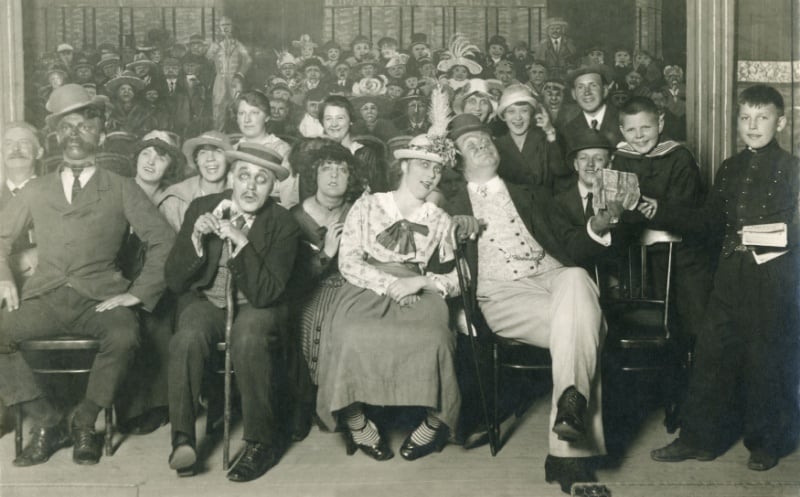
The earliest motion pictures in the United States appeared in the late 19th century. Inspired by advances in photography and optical illusions, inventors worked to create machines that could capture and project moving images. Thomas Edison and his assistant William Dickson developed the Kinetoscope in the 1890s, allowing people to view short films through a peephole viewer. This device was one of the first steps toward modern cinema, though its limitations meant that only one person could watch at a time.
Soon after, filmmakers began experimenting with storytelling, moving beyond simple recordings of everyday life. The Lumière brothers from France introduced the Cinématographe, a lightweight camera and projector that allowed films to be screened for larger audiences. This invention contributed to the growing popularity of film as a communal experience. By the early 1900s, small theaters called nickelodeons popped up in cities across America, offering cheap and accessible entertainment for people of all backgrounds. Short films, often lasting less than 15 minutes, became a sensation, with subjects ranging from slapstick comedy to dramatic reenactments of historical events. As theater audiences grew, so did the ambition of filmmakers, setting the stage for the birth of the American film industry.
America’s Silent Film Era

During the 1910s and 1920s, American cinema became a major industry, with Hollywood emerging as its center. Silent films, which relied on expressive acting, intertitles to convey the dialogue, and live musical accompaniment, dominated this period. Directors such as D.W. Griffith experimented with editing and camera techniques that made movies feel more dramatic and engaging. Griffith’s 1915 film The Birth of a Nation demonstrated the power of film to tell complex stories, though it was also highly controversial due to its racist themes.
Stars like Charlie Chaplin, Buster Keaton, and Mary Pickford became household names, drawing audiences to fill theater seats week after week. Chaplin, in particular, became an international icon with his comedic character “The Tramp,” blending humor with deep social commentary. Keaton, known for his incredible physical stunts and deadpan expression, pushed the boundaries of visual storytelling. Meanwhile, Pickford, often referred to as “America’s Sweetheart,” was one of the first actors to gain significant control over her own films, co-founding United Artists in 1919 with Chaplin, Douglas Fairbanks, and Griffith.
The film industry also developed a studio system, with major companies like Paramount, Warner Bros., and MGM controlling production, distribution, and exhibition. Hollywood became the center of the industry due to its sunny weather, which allowed for year-round filming, and its distance from East Coast patent restrictions. By the late 1920s, synchronized sound was introduced with The Jazz Singer (1927), bringing an end to the silent era. This technological leap transformed the industry, requiring theaters to upgrade their equipment and actors to adapt to the new demands of spoken dialogue.
The Era of New Hollywood
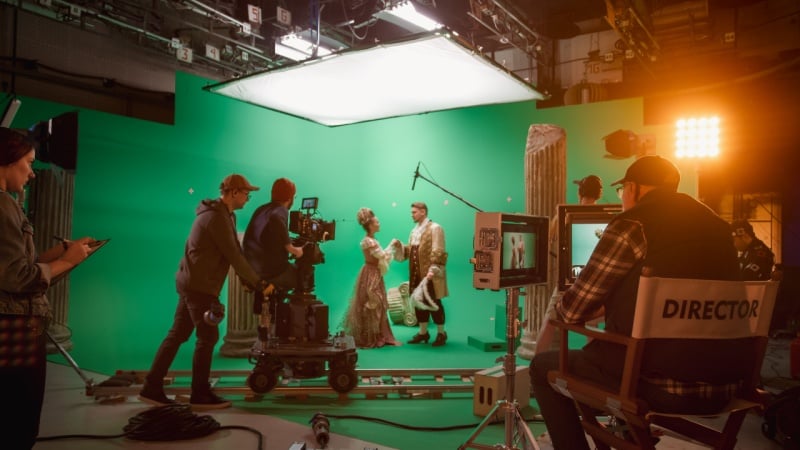
By the late 1960s and 1970s, American filmmaking underwent another major shift. Traditional Hollywood studios, which had controlled the movie industry for decades, struggled to connect with younger audiences. A new generation of directors, including Martin Scorsese, Francis Ford Coppola, Steven Spielberg, and George Lucas, brought fresh ideas and bold storytelling to the screen. These filmmakers broke away from old studio traditions, experimenting with unconventional plots, realistic characters, and new filming techniques. Movies like The Godfather, Jaws, and Star Wars changed the industry by proving that both artistic and commercial success were possible.
One of the defining traits of New Hollywood was the willingness to tackle controversial or complex themes. Films such as Taxi Driver (1976) and Apocalypse Now (1979) explored psychological trauma, violence, and the disillusionment of post-Vietnam America. Directors took inspiration from European cinema, blending artistic ambition with commercial appeal. At the same time, technological advances allowed for more sophisticated special effects, particularly in science fiction and action films.
The success of Jaws (1975) and Star Wars (1977) signaled the beginning of the blockbuster era, where studios focused on high-budget spectacles designed to fill movie theater seats. These films changed the way movies were marketed, introducing large-scale advertising campaigns and summer releases as key strategies. Though the creative freedom of the New Hollywood era faded by the early 1980s, its influence on filmmaking remains strong, shaping modern storytelling and production techniques.
- Film as Social and Cultural History
- The History of Hollywood
- The Birth of the Feature Film
- The 100 Greatest American Films
- Home Theater Seating
- The Silent Film Era
- The Hollywood Studio System
- How Talkies Replaced Silent Films
- The Creation of United Artists
- Best Home Theater Seats
- The New Hollywood of the 1960s and ’70s
- The History of the Blockbuster Movie