
The
Highest Grossing Movies by genre
Blockbusters That Defined Cinema


Action & Adventure

$3.44 Billion Gross
inflated-adjusted gross
Superhero
$2.8 Billion Gross
inflated-adjusted gross
DRAMA

$3.2 Billion Gross
inflated-adjusted gross
Science Fiction
$3.3 Billion Gross
inflated-adjusted gross
Fantasy
$1.7 Billion Gross
inflated-adjusted gross
ANIMATION
$1.9 Billion Gross
inflated-adjusted gross
Musical

$2.5 Billion Gross
inflated-adjusted gross
Western

$599 Million Gross
inflated-adjusted gross
Romantic Comedy

$404 Million Gross
inflated-adjusted gross
Horror

$2.1 Billion Gross
inflated-adjusted gross
For many of us, the highest-grossing blockbusters become the face of their respective genres. These films define common features unique to each genre, with the look and feel of their characters, locations, and story arcs.
Take fantasy films, for example. We think of Gandalf-style wizards, mystic lands, and heroic endings. But how accurate do you think your list of the highest-grossing blockbusters really is?

wizards

mystic lands

Heroic Endings
We applied modern-day inflation to the original price of movie tickets and general sales to get a more authentic reading of which blockbuster fairly deserves the highest-grossing crown. These figures accurately depict how iconic blockbusters would compete in today’s cinematic world, potentially redefining the faces of core genres.

1930s – 2000s
So, why do we need to apply inflation for greater precision? When we think of the greats, we often associate them with movies that had a monumental impact on cinema and society from the 1930s to the 2000s.
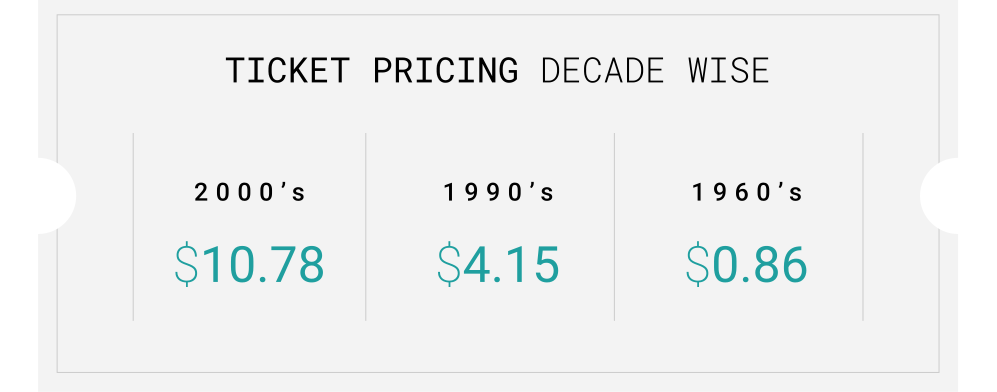
First, we pay a lot more to see films at the cinema, with the average theater ticket costing $10.78. Compare that to the early sixties, when theater tickets were a humble $0.86. Even in the 90s, the average movie-goer paid $4.15.
Theaters aside, movie streaming sites like Netflix, Disney Plus, and Amazon Prime offer an alternative way to get exclusive access to new releases. As such, it’s important to align the success of earlier blockbusters with modern-day costs.
Thirdly, inflation has fluctuated significantly during this time frame. We must match gross income to the current climate to achieve the most precise and consistent list of blockbuster successes.
Read on as we apply the methodology above to unveil an accurate list of the highest-grossing movies for every genre!

Action &
Adventure
1939
Gone with the Wind

$3.44 Billion Gross
inflated-adjusted gross
Gone with the Wind (1939) generated an inflated-adjusted gross of approximately $3.44 billion (Guinness World Records).
Victor Flemming – The Director
Gone with the Wind, directed by Victor Flemming, is undoubtedly one of the most commercially successful and socially influential films of all time. Based on Margaret Mitchell’s Pulitzer Prize-winning novel, the movie follows the protagonist, Scarlett O’Hara, as she navigates her complex, often deep-rooted emotions toward herself and other characters.
Set in the Deep South during the 1860s, the film has several layers that are deeply embedded in the cultural fabric of the United States. The leading narrative follows the tumultuous dynamic between Scarlett and Ashley Wilkes, whom she is infatuated with. To her despair, he gently lets her down, fulfilling his promise to marry his cousin, Melanie Hamilton.

In an attempt to escape her intense but somewhat unrequited devotion towards Ashley Wilkes, Scarlett joins two other unions–one with Melanie’s younger brother, Charles, and another with the alluring Rhett Butler.

Through these marriages, Scarlett transitions from wife to widow. In the face of tragedy, she shows how sacrifice is necessary for survival, highlighting the hardships and resilience of Southern folk during a pivotal time for America.
American Civil War
These themes meet with a bold backstory depicting the effects of the American Civil War on the Deep South, especially Atlanta and Tara. As an audience, we see a vivid portrayal of the upheaval experienced by Southern society, most notably the plantations of Atlanta and Tara, throughout the Civil War.

The film’s endearing intrigue is partially attributed to its commentary on Confederate idealism as America embarked on the Reconstruction Era. In real-time, this period marked the abolition of slavery.

Technology –
technicolor cameras
The film was technologically advanced at the time of its release, contributing to the overarching success and thus the extravagant multi-billion dollar earnings. The film’s lush visuals and epic set were filmed with technicolor cameras, resulting in a groundbreaking production that audiences at the time had less exposure to.

Overall, Gone with the Wind’s enduring commercial popularity is attributed to the film’s exploration of social constructs, depiction of momentous eras in American history, and focus on a female lead. The opening weekend alone generated $945,000, equivalent to $21,234,082.01.
The opening weekend
$945,000 = $21,234,082.01
Superhero
2019
The Avengers:
Endgame

$2.8 Billion Gross
inflated-adjusted gross
The Avengers: Endgame (2019) generated an inflated-adjusted gross of approximately $2.8 billion (Guinness World Records).
If you’re a Marvel fan who thought 2012’s The Avengers was good, there was no way of preparing you for the spectacle that was Anthony and Joe Russo’s The Avengers: Endgame. Released in 2019, Endgame’s opening weekend produced a groundbreaking gross income of $1.2 billion worldwide and $3,500,000 at the domestic box office. It’s now the biggest Marvel blockbuster to come from the renowned publishing studios.
opening weekend COLLECTION
Marvel Cinematic Universe
Endgame is the fourth installment in The Avengers franchise and the direct prequel of The Avengers: Infinity War. It connects superheroes throughout the Marvel Cinematic Universe (MCU), including Thor, Iron Man, Hulk, and Captain America. What sets Endgame apart is its invitation to other beloved figures, such as the armies of Wakanda, Spiderman, and Dr. Strange.
Thanos
The movie begins with the aftermath of the Infinity War, where Thanos successfully wiped out half of all life using Infinity Stones. As the Avengers come to terms with wide-scale loss, they explore the intricacies of the Quantum Realm, unlocking the power of time travel. To undo Thanos’ ruthless actions, the Avenerge segregates into teams to revisit poignant events, such as the Battle of New York in the first movie and the events of Guardians of the Galaxy.
Iron Man
During the mission, we witness the selfless sacrifices of Black Widow, who gives her life on Vormir to obtain the Soul Stone, and Iron Man, who uses the Infinity Stones to discard Thanos and his army during the final battle.
Part of the film’s success lies heavily in the interconnection of various characters’ lives. Marvel does an excellent job at providing continuity for its heroes, with the events of The Avengers rippling into the story arcs and developing the characters’ own narratives and movies.
Mark Ruffalo – Hulk
Cinematically, the film is undeniably captivating–even subtle adjustments to characters’ appearances make a difference. We see this in Hulk, as this face embodies Bruce Banner (Mark Ruffalo), symbolizing his combined intelligence and super strength. For many, the momentum from Marvel fandoms and immense cross-overs create an unbeatable level of entertainment, positioning The Avengers series as one of the most commercially successful films of our time.
DRAMA
1997
Titanic

$3.2 Billion Gross
inflated-adjusted gross
Titanic (1997) generated an inflated-adjusted gross of approximately $3.2 billion (Guinness World Records).
James Cameron – The Director
While classed as a drama, Titanic, directed by James Cameron, sits on the pedestal of authentic history and a heartthrob romance. Cameron accurately depicts the Titanic ship departing from Liverpool on a voyage to New York. Alongside genuine events, the film observes the intimate story of Jack Dawson (Leonardo DiCaprio) and Rose DeWitt Bukater (Kate Winslett).

The forbidden romance of these protagonists is separated only by social status. Rose is of the mid-to upper class, and Jack is a working-class individual aboard the Third Class decks near the boiler room. Their interest commences when Jack saves Rose from committing suicide in an attempt to escape her engagement to her upper-class peer Cal Hockley.
As viewers, we fall in love with Jack and Rose’s whirlwind romance. Cameron directs some of the most cinematically iconic shots, including flying at the front of the ship and an Irish party in third class.
Despite knowing the Titanic’s tragic fate, we dote over the love story. In true Shakespeare style, Cameron’s dramatic irony creates an unbeatable level of immersion and a hope that they may survive.

Cameron opted for broad shots to capture wide-scale destruction as the ship sank into the Atlantic Ocean. The film is renowned for certain shot sequences, such as the vessel vertically capsizing and breaking in half. We see the propeller’s size compared to tiny humans floating in the water–something we would not witness without film.
One of the reasons Titanic is so groundbreaking is the personification of individuals onboard, reminding viewers that everyone who lost their life had their own thoughts, feelings, desires, plans, and fears. With these shot types, Cameron innovatively feeds into our natural instinct to visually witness tragedy as a way of comprehending such devastating events.
Titanic Endures As A Top-Grossing Blockbuster, Drawing Audiences Back Repeatedly.
Titanic remains one of the highest-grossing blockbusters due to audiences revisiting the film time and time again. People would visit theaters repeatedly to fawn over the romantic yet tragic love story or relive the thrill of the disaster. Its iconic imagery ahead of its time, memorable quotes, and award-winning theme song, My Heart Will Go On by Celine Deon, make this film a success.
Science Fiction
1977
Star Wars: Episode IV - A New Hope
$3.3 Billion Gross
inflated-adjusted gross
Star Wars: Episode IV – A New Hope (1977) generated an inflated-adjusted gross of approximately $3.3 billion (Guinness World Records).
George Lucas – The Director
Star Wars: Episode IV—A New Hope, directed by George Lucas, has a larger-than-life feel and includes every asset the modern viewer would associate with science fiction. This groundbreaking production left an indelible mark on cinema through innovative set concepts, special effects, and immersive narrative.


a new level of
escapism
A New Hope introduces the audience to a richly detailed universe populated by diverse characters, species, and planets. Each planet has its own name and distinctive style, often conveyed through costume, landscape, and a place on the spectrum between light and dark. George Lucas seamlessly creates authentic and well-lived locations, giving audiences a new level of escapism that many of us seek when watching films.

The 70’s –
New Hollywood Era
Developed in the 70s, A New Hope was born into the New Hollywood era, where directors like Lucas pushed traditional cinema’s boundaries. At the time, special effects and large set designs were relatively new and underdeveloped.
This fourth Star Wars installment worked with numerous expansive sets. Every shot felt dynamic, whether showcasing space warfare between numerous fast-flying ships or huge explosions diminishing the existence of intergalactic planets. It was an experience audiences hadn’t really seen before, redefining the standard for a new age of sci-fi.
Sound Design
To expand on that, sound design undoubtedly contributed to the refashioning of sci-fi as we know it. It moves beyond the beeps and creeks of traditional spacecraft, with rushing and roaring sounds conveying speed and power more intensely. We also hear otherworldly but distinctive noises, like the crushing breath of Darth Vadar or the whistles of R2-D2. These sounds create a sense of realism, pulling people into their fantasies.
Theme Tune By
John Willians
The film’s theme tune, composed by John Willians, embodies triumph and adventure, gearing audiences up for a spectacular viewing. Of course, special mention has to go to the whoosh and blast of the iconic light saber–a truly memorable symbol branded on the Star Wars franchise forever.
Upon release, Star Wars Episode IV—A New Hope generated a record-breaking $1,554,475 on the opening weekend in the U.S. and Canada alone. The film’s frenzy expanded into merchandise, spin-offs, and cosplay, encouraging audiences to invest further in the film.
The opening weekend in us & canada
$1,554,475
Fantasy
2011
Harry Potter and the Deathly Hallows:
Part 2

$1.7 Billion Gross
inflated-adjusted gross
Harry Potter and the Deathly Hallows: Part 2 2011) generated an inflated-adjusted gross of approximately $1.7 billion (IMDb).
A Magical Franchise
Harry Potter and the Deathly Hallows (Part 2), directed by David Yates and known as the best-selling novel by J.K Rowling, exceeds audience expectations of what a magical franchise could offer. As this film series’s seventh and final installation, Deathly Hallows Part 2 concludes the long-awaited prophecy of “neither can live while the other survives.”
In a triumphant display, the main protagonist, Harry Potter, alongside his trusted companions and best friends, Ron and Hermione, infiltrate Hogwarts for the final time. We see a heartfelt reunion with their classmates and a display of unity in the purest form between students and professors.
loved characters
The film proceeds to the long-awaited battle–the moment we had all waited for. Many of the characters we resonate with find themselves on Hogwarts’ frontline, battling against less favorable familiar faces, spiders, giants, and dementors. Emotions are high as we witness some of our most loved characters, including Lupin, Tonks, and Fred Weasley, fall.

harry & Voldemort
Finally, the anticipated duel between Harry and Voldemort concludes the epic battle between good and evil, light and dark. Satisfactorily, the film ties up many loose ends caused by questions and secrets explored in earlier franchise installments.
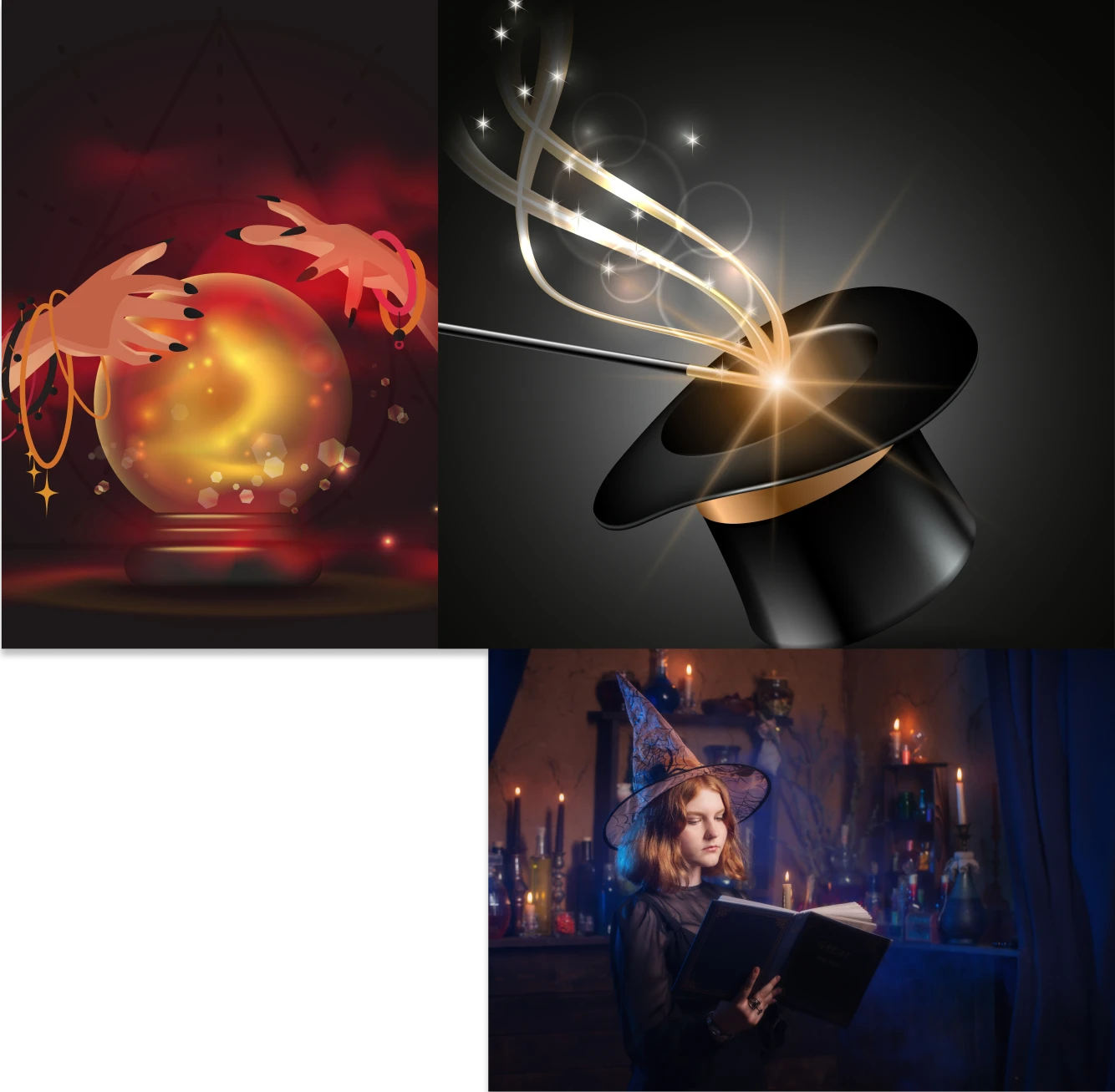
Partial attraction to the film unquestionably belongs to its awesome cast, including legends like Alan Rickman, Ralph Fiennes, Maggie Smith, and Helena Bonham Carter. Not to mention our ability to witness beloved Harry (Daniel Radcliffe), Hermione (Emma Watson), and Ron (Rupert Grint) come into young adulthood.
cinematic Experience
Outstanding cinematics gave audiences everything they needed to feel immersed in this magical world. Whether sparking spells project across the viaduct courtyard, the fiery shattering of the protection charm, or Neville’s explosive blasts dislodging the wooden bridge from an army of dark wizards, captivating visuals certainly contributed to the film’s grossed figures.
In its opening weekend, HP Deathly Hallows Part 2 grossed a whopping $1,692,000 million, compared to today’s inflated income of $2,349,373.58.
The opening weekend
$1,692,000 million
=
$2,349,373.58
The franchise built up extraordinary momentum from the release of Harry Potter and the Sorcerer’s Stone in 2001, not to mention the traction gained from the magical books released alongside the movies. Clearly, this excitement, appealing to all ages and passed down to viewers’ younger friends and relatives, vastly contributed to Deathly Hallows’ roaring success.
Animation
1994
The Lion King

$1.9 Billion Gross
inflated-adjusted gross
The Lion King (1994) generated an inflated-adjusted gross of approximately $1.9 billion (Guinness World Records).
The Lion King, directed by Rob Minkoff and Roger Allers, explores the animalistic kingdom of the Pride Lands of Africa. Although animals, each character displays sentinel emotions towards family, parenting, hierarchy, and tradition. Everyone represents societal elements, introducing moral undertones to the film’s narrative.

On the surface, The Lion King demonstrates the binary opposition between good and evil. Golden lions, Mufasa, and his son Simba portray leadership and security. Zazu brings a sense of continuity to their society, encouraging Mufasa to participate in the Circle of Life ceremony. Nala and Sarabi embody the nurturing, maternal side of the lion community, bringing a fundamental strength to the pack.
Greed and cynicism are shown through Scar and the hyenas. Within the first third of the film, Scar taunts Mufasa, who is gripping the edge of a cliff to hold himself above a stampede. With Scar’s intervention, Mufasa tragically plummets into the stampede in front of his cub, Simba. For many viewers, especially those accustomed to Disney’s usual linear narrative, The Lion King shows evil outweighing the good early in the film.
In alignment with the Circle of Life concept, the protagonist figure shifts from Mufasa to Simba. Timon and Pumbaa bring humility to Simba’s conversely sour backstory, freeing him from the shackles of grief as he ages. His growing mane signifies dominance and preparation to restore the Pride Lands of Africa to their former glory.
vibrant color palette
The Lion King is embellished with a vibrant color palette, which makes each scene beautiful and stimulating. Scar’s dark and monotone scene disturbs these aesthetics, symbolizing what society would become if we abandoned cultural customs and fed into greed and dictatorship.

With inflation applied, The Lion King grossed over $1.9 billion due to extended appeal. Although animation is traditionally for younger audiences, adults can resonate with underlying messaging. Characters’ qualities feel encouraging, whether through fair leadership, honoring personal traditions, or not being afraid to stand up against evil.
The Lion King
$1.9 Billion Gross
inflated-adjusted gross
Following its immediate success, The Lion King was repurposed for major theater productions on renowned stages, including New York’s Broadway and London’s West End.
in 2024
Disney later created three prequels revisiting the kingdom as the Circle of Life progresses, along with spin-off comedy shorts following Timon and Pumbaa’s infectious humor. In 2024, Disney released a life-like animation of the film, proving how modern audiences remain enraptured by the film’s narrative and visuals.
Musical
1965
Sound of Music

$2.5 Billion Gross
inflated-adjusted gross
The Sound of Music (1965) generated an inflated-adjusted gross of approximately $2.5 billion (Guinness World Records).
Robert Wise – The Director
The Sound of Music, directed by Robert Wise, is an on-screen adaptation of Maria Von Trapp’s memoir and popular theater production of the same name. Set against the natural backdrop of Salzburg in Austria, filled with rich greens and warm yellows, the movie puts Von Trapp’s story into a visual context, enabling viewers to resonate more deeply with her experience.
Austria’s Landscapes
From the offset, the film was marketed as a way for audiences to witness Austria’s enchanting landscapes and immerse themselves in song. With this information, it’s clear Sound of Music was set up for success before it landed in movie theaters, contributing to its billion-dollar triumph after inflation.

Maria –
by Julie Andrews
The story follows the protagonist, Maria, played by Julie Andrews, in her second major production after Mary Poppins. As a studying nun, Maria’s free-spirited attitude has her sent to work in a governess position at Captain Gorg Von Trapp’s Austrian home. The Captain is a stern man with a strict parental style, juxtaposing Maria’s happy-go-lucky personality.
Von Trapp –
by Christopher Plummer
Von Trapp, played by the legendary Christopher Plummer, has seven children with a track record of replacing governesses who cannot handle their behavior. Maria is different. Her infectious positivity enables her to bond with the children, encouraging them to express themselves musically and creatively. From this, the film introduces us to several legendary songs, including The Hills Are Alive and Do-Re-Mi.

The Ohio State University
A study published by Ohio State University underpins the value of unlikely romances between characters because they critique social boundaries, opening room for romantical fantasies to manifest themselves. This notion is portrayed with early sparks between Maria and the Captain as she melts away his brash exterior in an intimate dance.

The blossoming relationship between Maria and the Captain historically impacts how generals connected to the Second World War were perceived. From him, we see the human under the uniform–someone with their own ideas and beliefs. The film concludes with the family, now unified as one by marriage, escaping the hunt of the Brownshirts attempting to bring the Captain back to Bremerhaven.
The story arc and happy ending, offering a sense of closure, are what make The Sound of Music so magical. We see the full scale of human emotion: love, joy, expression, self-righteousness, discipline, and longing.
Western
2012
Django Unchained

$599 Million Gross
inflated-adjusted gross
Django Unchained (2012) generated an inflated-adjusted gross of approximately $599 million (The Richest).
In Quentin Tarantino’s Django Unchained, the talented auteur offers a provocative and dynamic take on the Western genre. The film features some of the greatest Hollywood talent, including Jamie Foxx, Christoph Waltz, Leonardo DiCaprio, and Kerry Washington.
1960s – 1970s
Western Spaghetti
Ruthless killers, anti-heroes, and revenge plots are all characteristics of the subgenre “Spaghetti Western,” which was rife during the 1960s and 70s. Matched with distinctive Southern dialogue of the late 1800s and classic ‘guns and cowboys’ sets, Tarantino creates an elusive familiarity, helping audiences settle into the comfort of a classic Western while showing visceral violence.

Tarantino – The Director
As in his films, Tarantino has a wickedly marvelous way of establishing a satirical atmosphere where deeply disturbing scenes and conversations occur. He conveys this through sarcastic remarks interjected throughout the dialogue, unserious reactions to violence, and a juxtaposing score.

AN 80s SLASHER FILM
We most notably see this during the final scenes, where Django returns to Candyland to rescue his wife, Broomhilda, from the new plantation owners, Lara-Lee Candie-Fitzwilly, Billy Cash, and his betrayer, Stephen Warren. With a pistol or two in hand, Django lets loose with a stream of accurate gunshots, eliminating his peer’s aggressors. The scene mimics that of an 80s slasher film, blood splattered across the floors and walls. In true Tarantino fashion, the film folds to an explosive yet dryly humorous close, seeing Django and Broomhilda trot away into the night–flames of the plantation behind them.

Audiences live for Tarantino’s spectacle ending! Although the films may be long, he’s built a rapport with viewers who know they’re in for an excellent show.
Undoubtedly, Tarantino’s devilishly dark humor keeps audiences returning for more, contributing to Django Unchained’s high-grossing figures.
We explore this perspective of Django Unchained’s release in relation to its gross commerciality because it builds a sense of momentum. This anticipation isn’t delivered in the same way we see with franchises like Harry Potter or Star Wars. It feels like the film is part of something greater as if we’re watching an artist in real-time. It’s very exciting and directly influences some of the movie’s popularity.
Romantic Comedy
2002
My Big Fat Greek Wedding
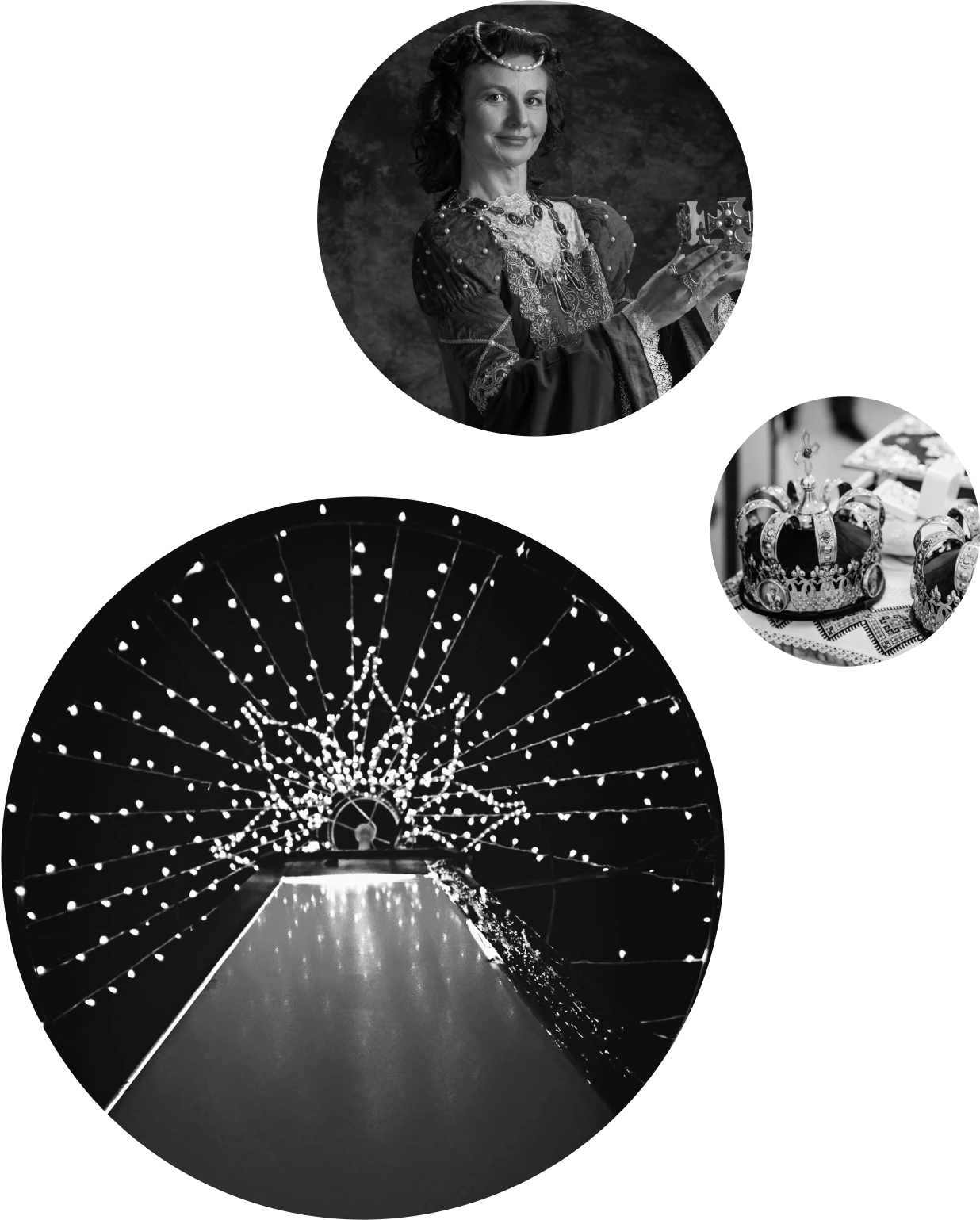
$404 Million Gross
inflated-adjusted gross
My Big Fat Greek Wedding (2002) generated an inflated-adjusted gross of approximately $404 million domestically (Guinness World Records).
a romantic comedy
My Big Fat Greek Wedding is a romantic comedy that follows the young adult life of Fotoula Portokalos, nicknamed Toula. In a coming of age moment, Toula expresses her wish to attend college and learn about computers. Her conventional Greek father initially begrudges this decision until Toula’s mother encourages him to loosen the reins on his daughter’s life. From here, we witness a story of acceptance and risk, offering real-world lessons that make the film so enjoyable to watch.
As Toula progresses through her journey of independence, she starts adopting her own sense of style and fostering friendships with others. Over time, Toula embarks on a new opportunity at her Aunt Voula’s travel agency that fills her with pure happiness. During this time, Ian, a patron who frequented the Portokalos family-owned restaurant, showed an interest in Toula.
Initially, Toula is secretive about the relationship for fear of her father, Gus, not accepting Ian, a non-member of the Greek Orthodox Church. As expected, Gus forbids the relationship. Toula ignores his wishes and accepts Ian’s engagement proposal.
The film explores the differences in families–Toula’s bold and colorful household, which takes an overwhelmingly active role in the wedding preparation, versus Ian’s conservative parents.
The modernity of blending cultures is a highly relatable narrative that empathizes with anyone’s conjoining customs, lifestyles, and religions. My Big Fat Greek Wedding effectively conveys that differences do not separate us. Instead, they open the space to explore new, unique traditions independent of every family.
the million-dollar success My Big Fat Greek Wedding
Despite disagreements throughout the film, viewers can connect with Toula’s yearning to explore her individuality and follow her heart. Throughout the film, we feel empowered by Toula’s self-belief, which enabled her to flourish. These factors contribute to the million-dollar success My Big Fat Greek Wedding receives.
Horror
1973
The Exorcist

$2.1 Billion Gross
inflated-adjusted gross
The Exorcist (1973)generated an inflated-adjusted gross of approximately $2.1 billion (Guinness World Records).
William Friedkin – The Director
The Exorcist, directed by William Friedkin, is a must-see for every horror lover. The movie’s release caused mass hysteria, branding it the most terrifying production to hit cinemas. Naturally, curiosity overtook theatergoers, significantly accelerating the gross income. There are several aspects of the film that separate it from other horrors released in the 1970s.
First, the possession of a young girl was deemed utterly shocking. It’s often rare to find children so young the victim of such an awful ordeal.
Regan & Chris MacNeil
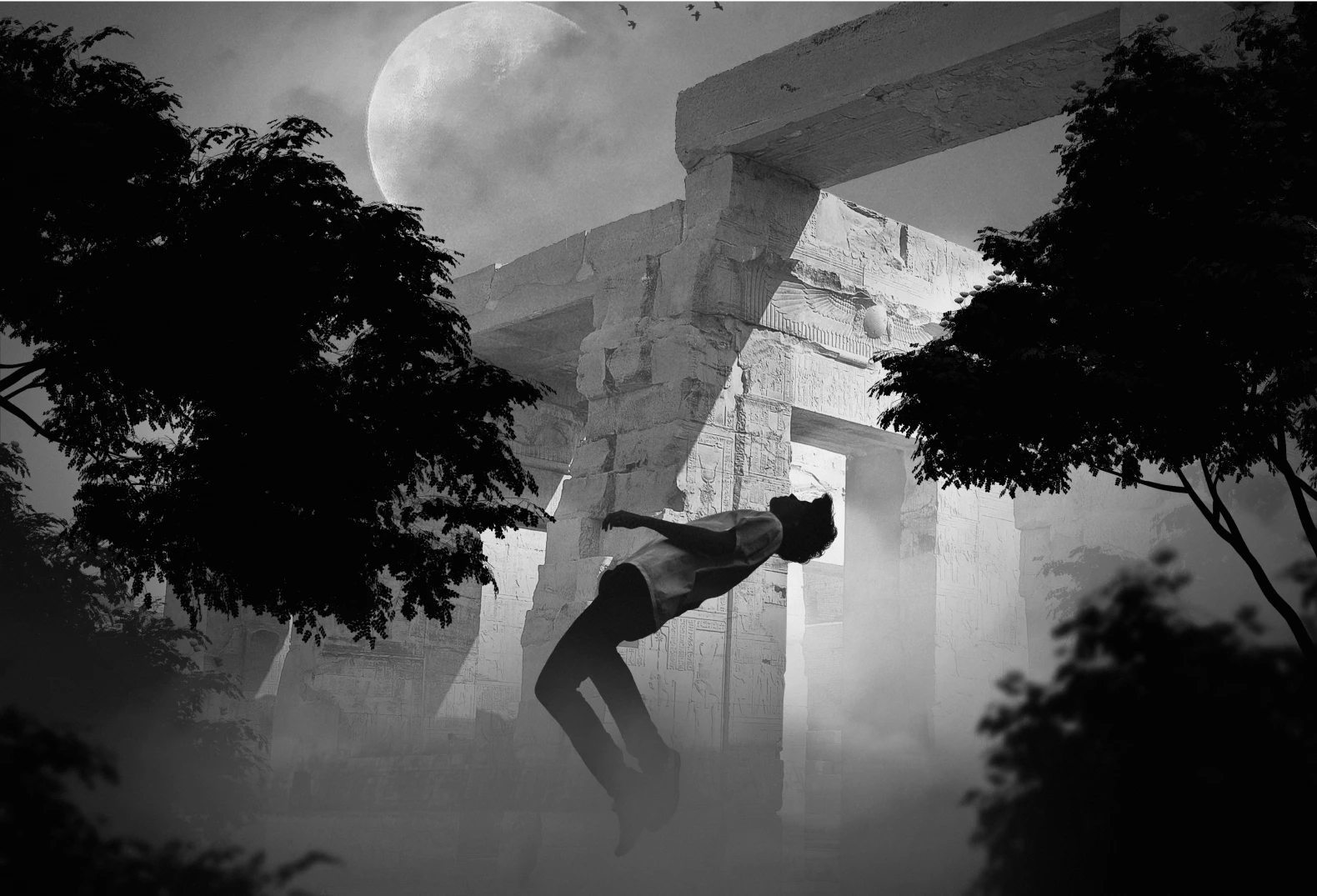
As the demon increases in strength, Regan’s appearance becomes more sinister. Her skin grays, her eyes darken and bulge, and her hair frizzes and mattes. The demon’s dark and grizzly voice creates the starkest juxtaposition, making the character incredibly unsettling. This is similar to the concept of the uncanny valley–something that looks so similar yet so different to a human being.
The Exorcist displays gruesome murder and self-harm, adding to the supernatural horrors. At times, religious artifacts are controversially used as a self-harm weapon to create barely watchable scenes.
1950s – 1970s
Friedkin incorporates innovative cinematic styles, such as subliminal shots of a spooky white-faced, dark-eyed demon. The images are so subtle that you could miss them in the blink of an eye. Developed in the 1950s, subliminal messaging took the 1970s media by storm. It was often used as a marketing tactic, raising mass controversy that got people talking. For The Exorcist, it added a new dimension of mystery, psychologically teasing audiences.
The exploration of opposites makes this film such a smash hit. We travel through science versus faith, life versus death, and light versus dark. It really is one of a kind!
Conclusion
Our list provides an impressive variety of films that proudly represent their genres. We’ve delved deeply into each film’s plots, characters, sets, and cinematics to underpin characteristics that set these movies up for commercial success.
What is the highest-grossing movie genre?
The highest-grossing movie genre of all time is action. This genre consistently leads in box office revenue due to the popularity of blockbuster franchises and high-budget films that attract large audiences worldwide.
What is the number 1 highest grossing movie?
The highest-grossing movie of all time, adjusted for inflation, is “Gone with the Wind” (1939). Its worldwide gross is approximately $3.7 billion.
What is the most-watched movie genre?
The most-watched movie genre of all time is typically the drama genre. Dramas encompass a wide range of sub-genres, including romance, biopics, historical films, and more, appealing to diverse audiences worldwide.
What is the most common film genre?
The most common film genre is drama. Drama encompasses a broad range of sub-genres and themes, making it highly versatile and appealing to a wide audience.
How many movies hit $1 billion?
Adjusting for inflation, 29 movies have grossed over $1 billion worldwide. This list includes classic films like “Gone with the Wind,” “Star Wars,” and “The Sound of Music,” alongside modern blockbusters such as “Avatar,” “Avengers: Endgame,” and “Titanic.”
How do re-releases affect adjusted gross revenues?
Re-releases significantly boost a movie’s total gross by generating additional revenue from ticket sales, often decades after the initial release.