
Guide to Types of
FLOORING
FOR YOUR HOME
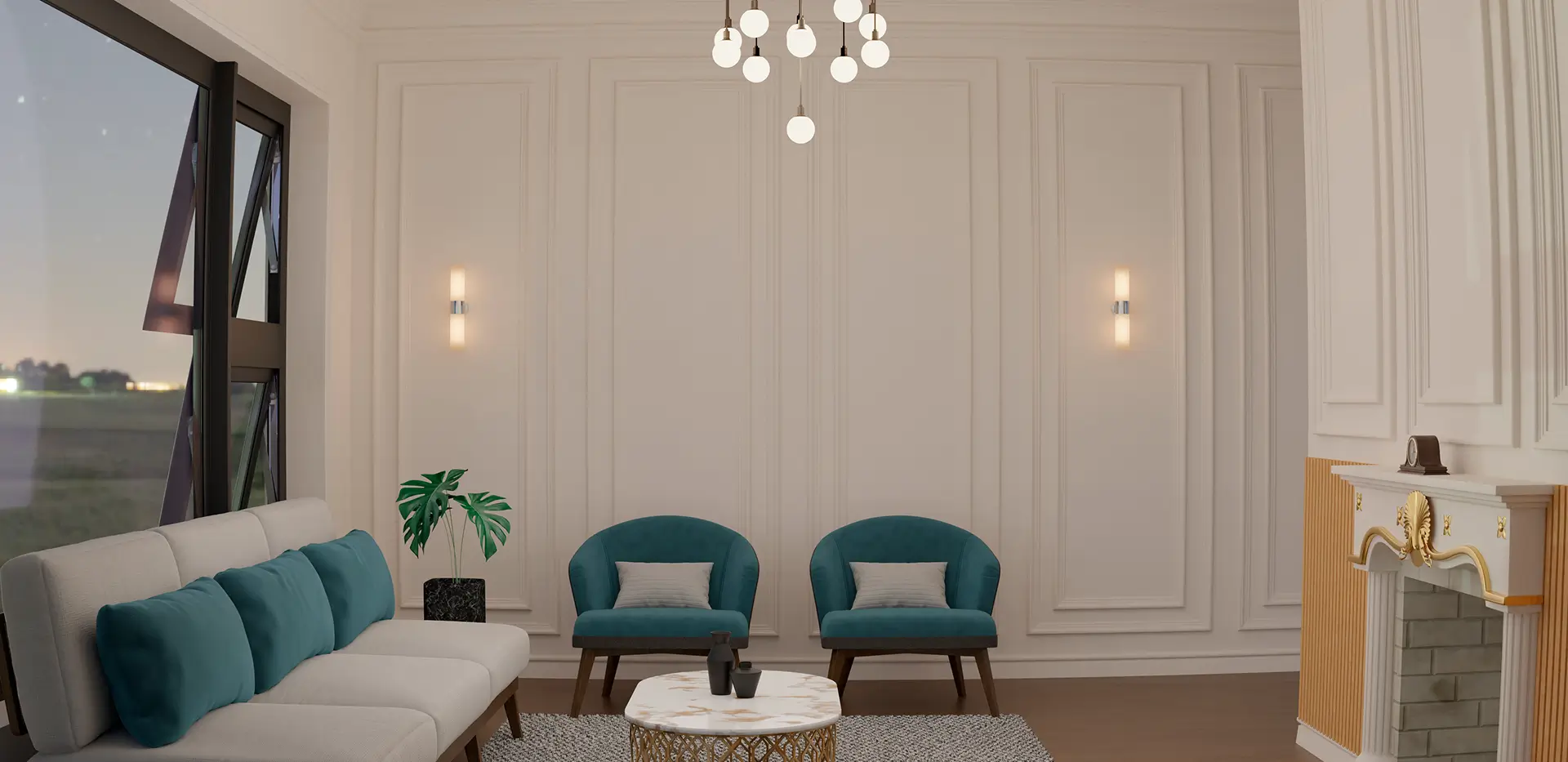
Did you know that the largest surface in your home is the floor?
The choice of flooring that you use in your home can make a real statement and can make your interior design style stand out from the crowd.
Do you prefer solid natural hardwood, or an engineered wood floor? Perhaps you like the look and the price tag of laminate, linoleum, or vinyl? Or will you choose a classic ceramic or stone tile, or a hardwearing carpet or carpet tile?
Read our complete article and discover the different types of flooring that you can use in your home. What are the pros and cons of each flooring type that you need to consider?
Solid Natural
Hardwood
Solid natural hardwood offers great quality flooring for your home. But, what is solid natural hardwood made of, how is it installed, and what are the pros and cons of using this flooring type?
What Is It Made of?
If you love the natural look, then a solid natural hardwood floor is a perfect choice. Made completely with solid wood, each plank of solid natural hardwood is between 4 inches and 8 inches wide and offers a ¾-inch thickness.

You could choose a smaller strip of solid natural hardwood for an alternative look, however, with strips reaching a width of 1 ½ inches to 2 ½ inches each
Whichever style of solid natural hardwood you opt for, you will receive one of the most popular types of wood flooring available. Choose whether you want your solid natural hardwood to be prefinished or unfinished, with a variety of finishes available.
Installation
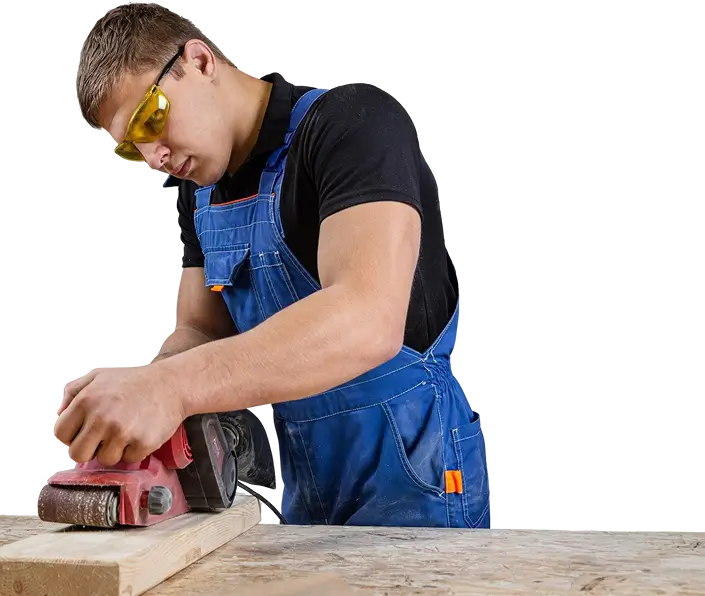
When installing solid natural hardwood flooring in your home, make sure you employ a professional! Solid natural hardwood is an expensive medium to use and so you need to ensure it is installed correctly.
You will need a subfloor underneath your solid natural hardwood floor, allowing your new flooring to be glued and nailed to the subfloor securely. Your subfloor will either be a plywood or concrete floor.
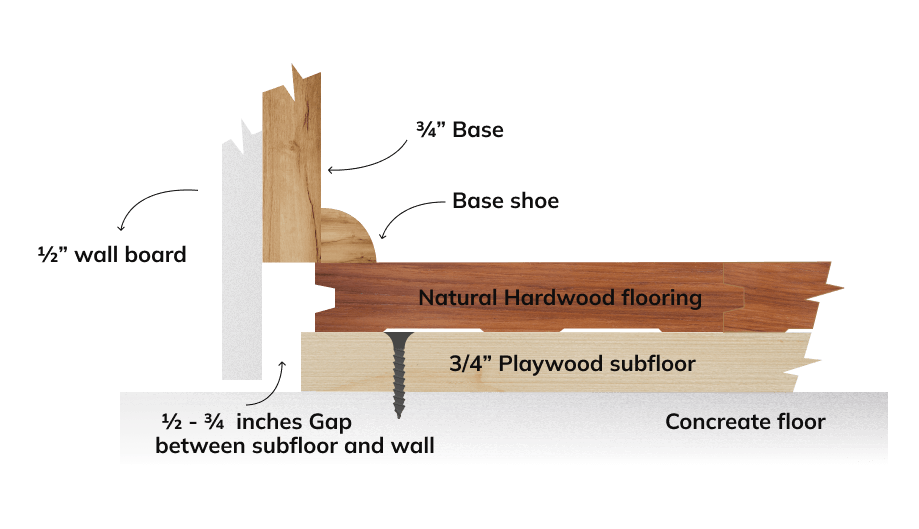
When using a solid natural hardwood floor, it is recommended to leave the uninstalled flooring planks in the room to acclimatize.
Natural wood grains may expand or shrink according to the temperature and humidity of the room.
You certainly will not want your flooring planks to shrink or expand once it has been installed!
Pros & Cons

- Durable material that can last over 100 years
- Increase the property price of your home
- Refinish the wood many times if desired
- Versatile material that can adapt to many interior design styles
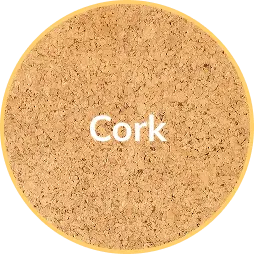
Many different types of wood:











- Expensive material, especially for larger surfaces
- High-traffic areas may dent or scratch
- Moisture damage vulnerability
- Temperature changes may shrink or expand material
- A bleached look may be achieved under UV rays
- Not suitable for basements, bathrooms, or laundry rooms
- Not a great choice for rooms with heavy activity
- Needs a professional installation
Best Uses
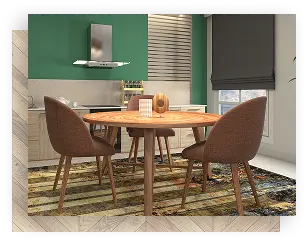
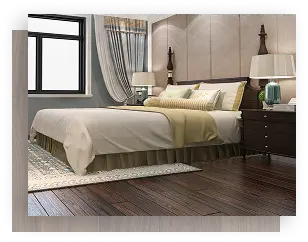
The best place to install solid natural hardwood flooring is in rooms where light activity is the norm. You should also make sure that the room will not be close to water, such as a bathroom or laundry room.

Living room
Dinning room
Bedroom
In addition, it is a good idea to ensure that a solid natural hardwood floor is not installed in a basement due to moisture threats.
The best rooms to install a solid natural hardwood floor are in the living room, dining room, and bedrooms.
You could also use this type of wood flooring in some hallways, although not hallways that are heavily used regularly.
Cost
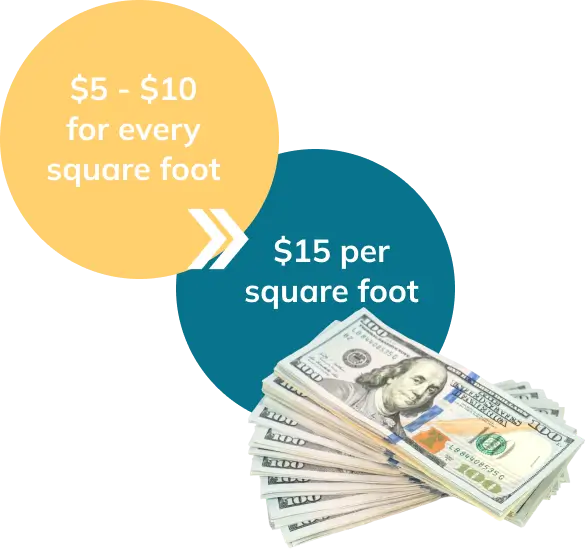
How much can you expect to pay for this type of flooring for your home. Typically, you will need to pay around $5 – $10 for every square foot, rising to around $15 per square foot for different types of hardwood flooring.
Engineered
Wood
Other types of wood flooring include engineered wood, a choice that is proving to be a popular across many interior design styles. Here is everything you need to know about engineered wood flooring.
What Is It Made of?
Engineered wood is made from two layers of wood. The first layer is a thin sheet of solid wood which acts as a veneer on top, whilst a second layer underneath of made of plywood, or high-density fiberboard.

Typically, engineered wood is purchased in planks that are around ⅜ inches to ½ inch thick. Each plank will measure around 12 inches in width, although the exact size of engineered wood planks will vary.
Installation
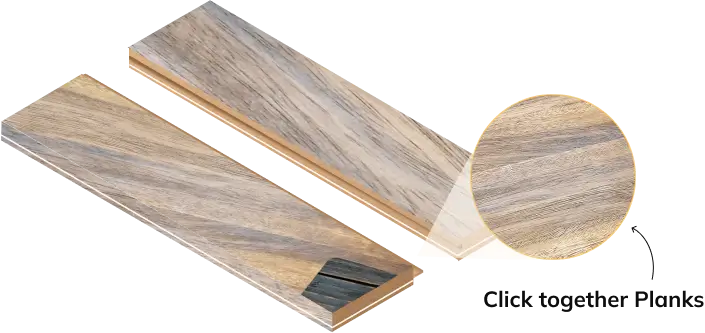
You could employ a professional to install your engineered wood floor, or you could install the flooring yourself. You will need to either glue or nail the flooring to a subfloor, or you can opt for click-together planks which offer a faster installation.
Pros & Cons
Pros
Cons
Best Uses
Which rooms in your home will benefit from engineered flooring? Choose this type of wood flooring in your living room and dining room along with bedrooms. Engineered flooring is also tough enough for hallways!
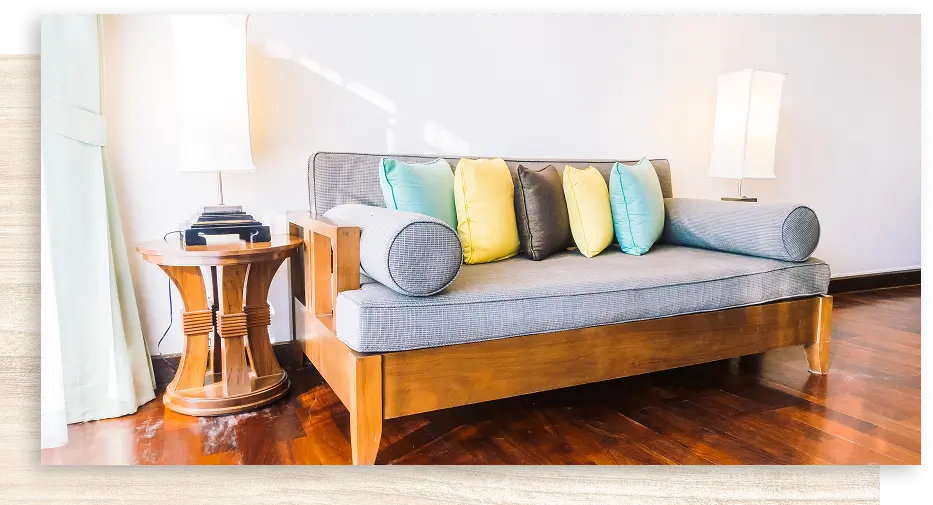
You can install this flooring in your basement due to the moisture resistance that engineered types of wood flooring can offer.
This is a clear benefit over solid natural hardwood choices! Furthermore, you can use engineered wood flooring over concrete bases.
Cost
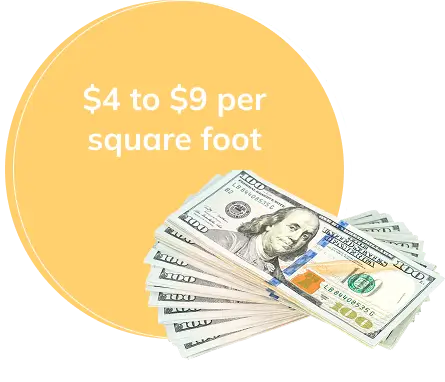
Slightly cheaper than different types of wood flooring, you can expect to pay between $4 to $9 for a square foot of engineered wood flooring.
Laminate
If you love the look of wood flooring but not the price tag, perhaps a laminate flooring may suit your home? Here is everything you need to know about types of laminate flooring for your home.
What Is It Made of?
The different types of laminate flooring available for your home are typically made up of three or four layers, providing a tough laminate floor.

The base layer consists of a rigid fiberboard, consisting of high-density materials. This layer is quite similar to a layer used in engineered wood.
An image layer on top of the base layer will project the color and style of the laminate that you have chosen. A wear layer will feature at the top of the laminate, utilizing a transparent plasticate guarding against fading and scratches.
Depending on the laminate flooring that you have chosen, a fourth layer may be incorporated. This layer may be added to include soundproof qualities, or for additional comfort.
Installation
You can usually install a laminate floor yourself as there is no need to attach the planks to a subfloor. A foam underlayer is usually used and then you will simply need to click-together each laminate flooring plank. Some laminate flooring planks will require gluing, however.

Pros & Cons
Pros
Cons
Best Uses
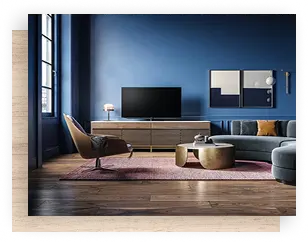
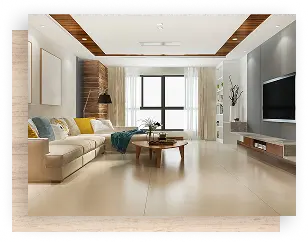
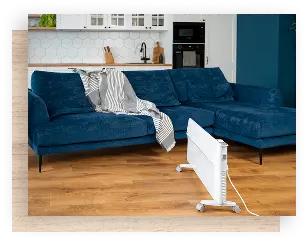
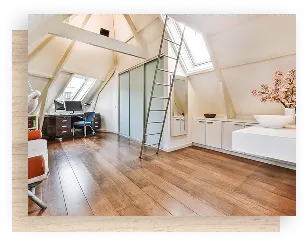
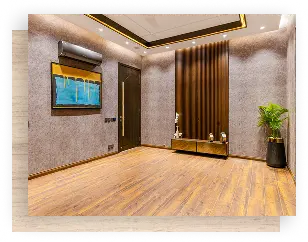
You can use types of laminate flooring in any room where water is not close by. Therefore, choose laminate for your living room, dining room, bedrooms, hallway, and even the basement. However,
due to the vulnerability of moisture damage, laminate should not be used in bathrooms or kitchens.
Living room
Dining room
Bedrooms
Hallway
Basement
Cost

You should expect to pay between $1 and $10 per square foot when purchasing laminate flooring. A typical average may range between $1.50 to $3.50 per square foot, providing a low cost alternative to your home’s flooring solution.
Vinyl - Sheeting
Another inexpensive option to use in your home is vinyl sheet flooring. One of the many types of vinyl flooring available that look great in your home.
What Is It Made of?
Vinyl sheet flooring is made from PVC, a type of plastic that offers a flexible approach to flooring. There are so many different textures, colors, and patterns available that you can find a great vinyl sheet flooring choice to suit any interior design style.
Installation
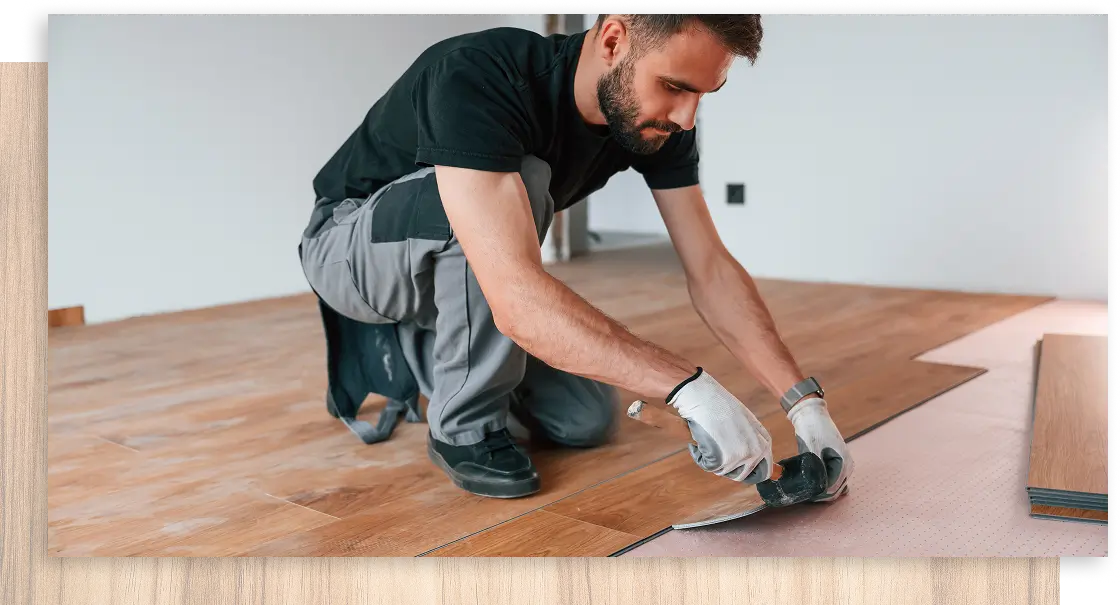
Vinyl sheet flooring installation is fast and such a simple process! You can install the vinyl sheet flooring yourself in only a few minutes,
cutting the vinyl sheet to size and then gluing the floor down. Look out for peel-and-stick vinyl flooring sheets for an even more convenient option.
Pros & Cons
Pros
Cons
Best Uses
Due to the waterproof qualities offered by vinyl sheet flooring, you can use such types of vinyl flooring in bathrooms, kitchens, and laundry rooms. It is also a great flooring choice for basements.
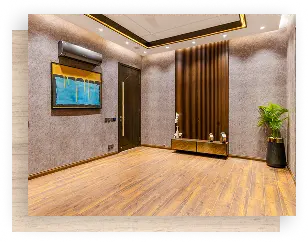
Bathrooms
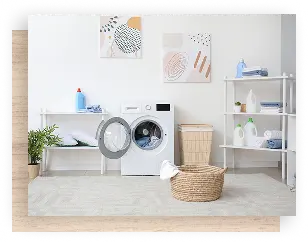
Laundry Rooms
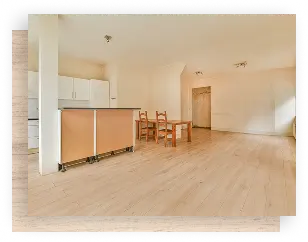
Kitchens
Cost
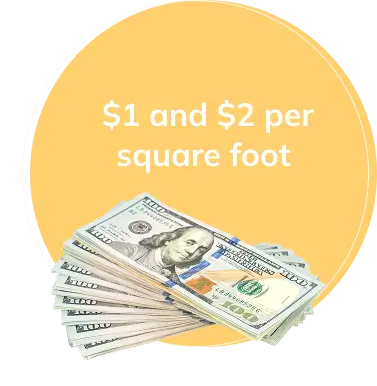
You can purchase vinyl sheet flooring for as little as $1 to $2 per square foot, offering a very cheap flooring option for your home.
Vinyl - LVP and LVT
When searching for types of home flooring, consider a luxury vinyl plank (LVP) or a luxury vinyl tile (LVT). LVP is manufactured to resemble wood, whereas LVT is made to look like tiles. But, how can LVP or LVT benefit your home?
What Is It Made of?
LVP and LVT are both made from PVC, a type of plastic. There are usually three layers used to create these different types of flooring materials.
The base layer is made from vinyl and can be flexible or rigid, depending on the flooring you have picked. You will next find the design layer on top of the base layer, a layer that is also created from vinyl. This is the layer that will provide the image and the color that you have chosen to match your home’s interior design style.
The top layer is the wear layer, offering a transparent layer that protects your floor from wear and tear.
Installation
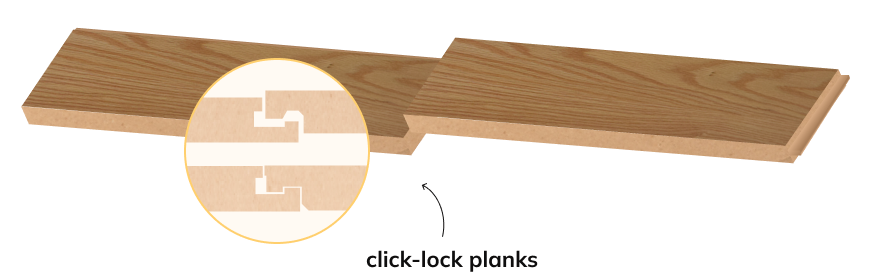
There are many different types of installation available when installing LVP or LVT flooring. Look out for click-lock planks, or peel-and-stick backing planks. You could also choose flooring planks that need to be glued down, or even laid down loose.
Pros & Cons
Pros
Cons
Best Uses
You can use LVP or LVT flooring in any room in your home, possessing waterproof qualities that make this flooring a great option for kitchens and bathrooms.

Bathrooms

Kitchens
Cost

Offering a mid-price flooring option, LVP and LVT can be purchased at around $1 to $5 per square foot.
Linoleum
Do you love the look and price tag of vinyl sheet flooring but wish you had a more environmentally-friendly option? Linoleum flooring could be the perfect alternative for you! Here are the pros, cons, and uses of this versatile flooring choice!
What Is It Made of?
Linoleum is made from a variety of fillers and binders, such as pine rosin, cork dust, and solidified linseed oil. These materials are a great change from the PVC material used in vinyl.
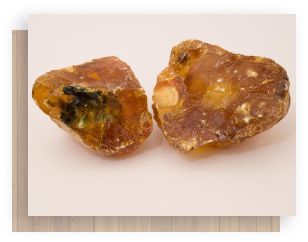
Pine Rosin
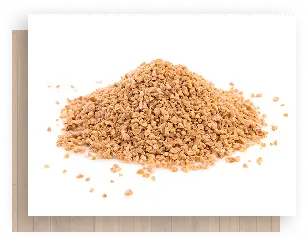
Cork dust

Solidified linseed oil
Installation
Linoleum flooring is installed by gluing a sheet of material directly to the floor. You can install linoleum yourself, just make sure that you cut the linoleum sheet correctly!
Pros & Cons
Pros
Cons
Best Uses
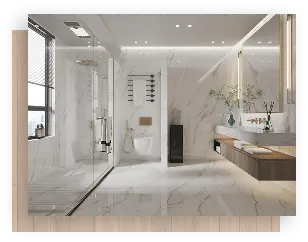
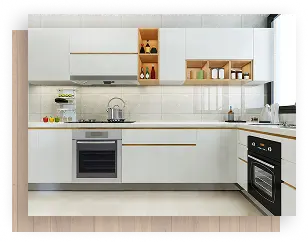
Linoleum is a great choice of flooring that can be adapted to any interior design style in any room in your home. However, it is best to avoid using linoleum in bathrooms, kitchen, and laundry rooms due to the possibility of moisture damage.
Bathrooms

Laundry Rooms
Kitchens
Cost

You can typically purchase linoleum for your home for as little as $1 to $5 per square foot of material.
Porcelain or Ceramic
Tile Flooring
Do you love a traditional porcelain or ceramic floor? Here is everything you need to know about the installation, the pros and cons, costs and uses of these types of flooring materials.
What Is It Made of?
Ceramic tile flooring is made of baked clay and can offer you a natural, luxurious feel and look. Great types of tile flooring include Saltillo, offering gorgeous flooring for your home.
porcelain tile flooring uses a more refined clay and is baked at a higher temperature than ceramic floor tile. Porcelain is more expensive but is less prone to cracking and is less water absorbent.
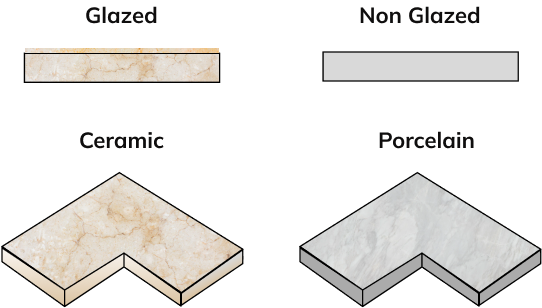
If you decide to use one of these types of flooring materials for your home, you will also need to decide whether you want the tiles to be glazed or unglazed. An unglazed ceramic or porcelain tile will be rougher to touch but they are also slip-resistant and can create a rustic look.
A glazed ceramic or porcelain tile looks beautiful but can mean that you could slip on the tile when wet much more easily. Cracks and chips will be more noticeable, although a glazed tile will repel water and stains much more.
Installation
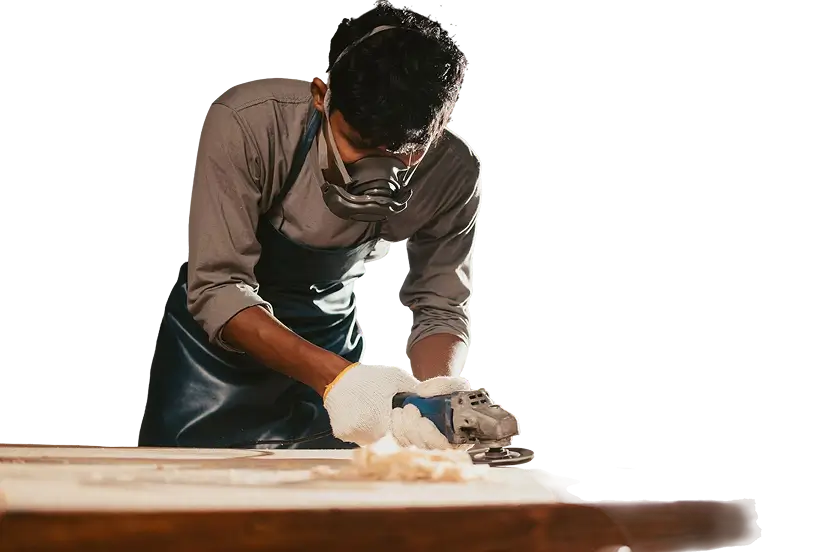
Installing tile flooring is a skilled task and is usually better to employ a professional. You could try it yourself, although it may require a great deal of time and effort.
Pros & Cons
Pros
Cons
Best Uses
You can use ceramic or porcelain tiles in any room. They are a durable and waterproof choice of flooring that will look great in your home.
However, it generally recommended not to use glazed tiles in a bathroom due to the slipping risk.
You should also never use porcelain in a hallway due to heavy usage and its susceptibility to chipping.
Cost

Ceramic and porcelain flooring is expensive and can cost between $13.50 per square feet and $83 per square feet.
Stone Tile
Stone flooring tiles are another great option when considering types of home flooring. But, what do you need to think about before opting for stone flooring tiles?
What Is It Made of?
Stone flooring tiles can be made of many different types of material, typically marble, granite, or sandstone
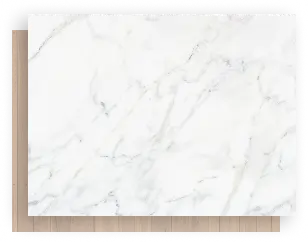
Marble

Granite
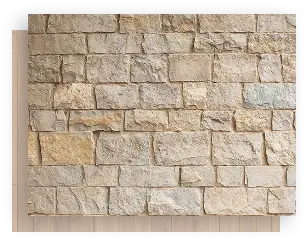
Sandstone
Installation
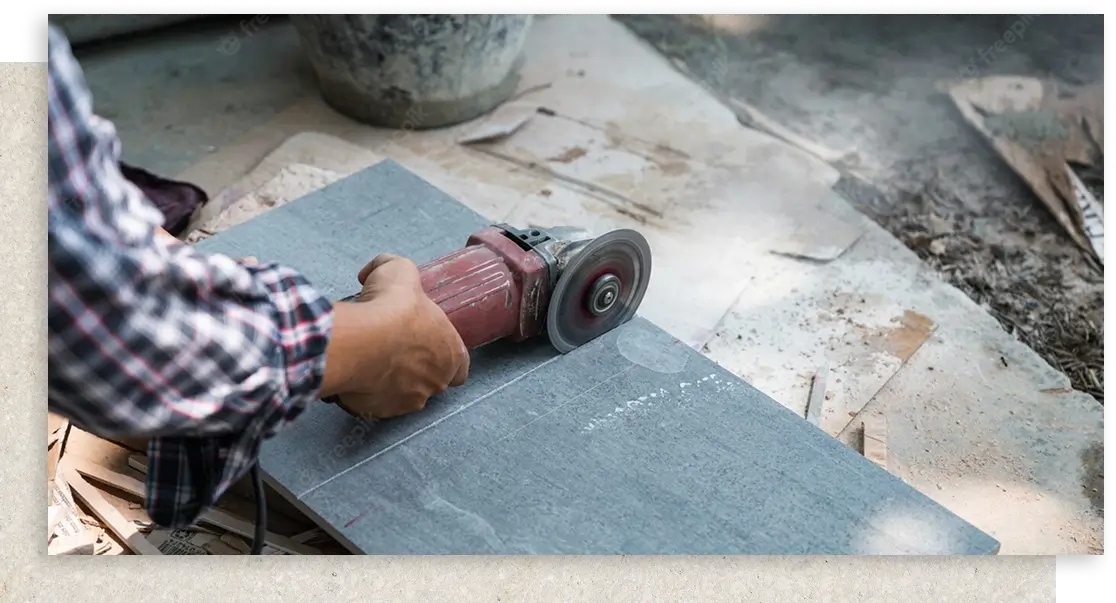
Stone tile flooring is a difficult material to work with and should be installed into your home by a professional.
Pros & Cons
Pros
Cons
Best Uses
Stone flooring tiles can be used in any room, including kitchens and bathrooms. It is recommended that this type of flooring is insulated, however, to prevent your home from feeling colder.
Carpet Tile
Have you ever thought of installing carpet tiles in your home? Here is everything you need to know about this great material!
What Is It Made of?
Carpet tiles are alternative, different types of flooring material to consider. They are made from carpet which can be made from a variety of textures and materials. Carpet tiles come in square pieces, between 16 inches and 24 inches in width. You may need to glue down the tiles, although you can get self-adhesive backings.
Wool is a naturally moisture-resistant material that is durable and hard-wearing, although may be an expensive option!
You could opt for nylon or acrylic, synthetic choices of carpet tile that are equally hard-wearing although much cheaper alternatives.
Further carpet tile material choices include polyester, which is perfect for brighter color designs, or polypropylene, which is resistant to moisture and mildew.
Installation
You should be able to fit carpet tiles yourself, and you can even mix and match packs of carpet tiles to create a unique look. Simply glue down each tile, or choose tiles with self-adhesive backing.

Pros & Cons
Pros
Cons
Best Uses
Which rooms in your home would look great with carpet tiles? You can use carpet tiles for any room that is not close to water, so feel free to use carpet tiles in bedrooms, living rooms, and offices. You can also create an amazing home theater room using carpet tiles.

Bedrooms
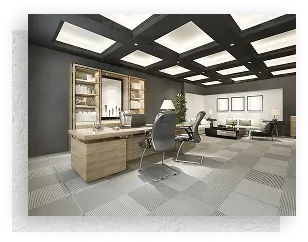
Offices

Living room
Cost

Offering a mid-price range, carpet tiles will cost from $3 to $5 per square foot.
Broadloom (Wall-
to Wall) Carpet
Do you feel comfort and warmth in a room with wall-to-wall carpet? How can this flooring choice add benefits to your home?
What Is It Made of?
Broadloom wall-to-wall carpet is made from a wide range of materials, just like carpet tiles. You can choose wool, acrylic, nylon, polyester, or polypropylene to create a warm and inviting room in your home.
How Is It Constructed?
Carpets may be constructed in a cut pile, a loop pile, or a cut-and-loop pile method. A cut pile carpet will stand straight up from its backing, whereas a loop pile will loop back on itself. To achieve a compromise, a cut-and-loop pile combines both methods and is used mainly for patterned carpets.
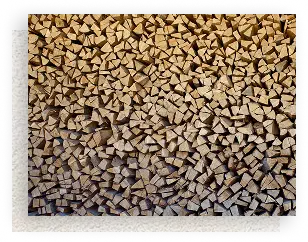
Cut pile
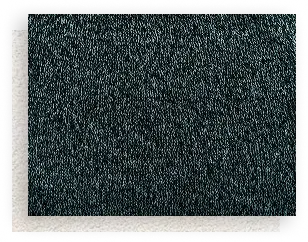
Loop pile
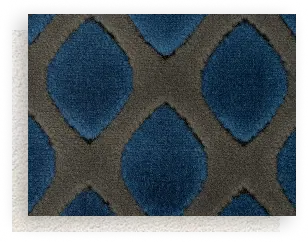
Cut and loop pile
Installation
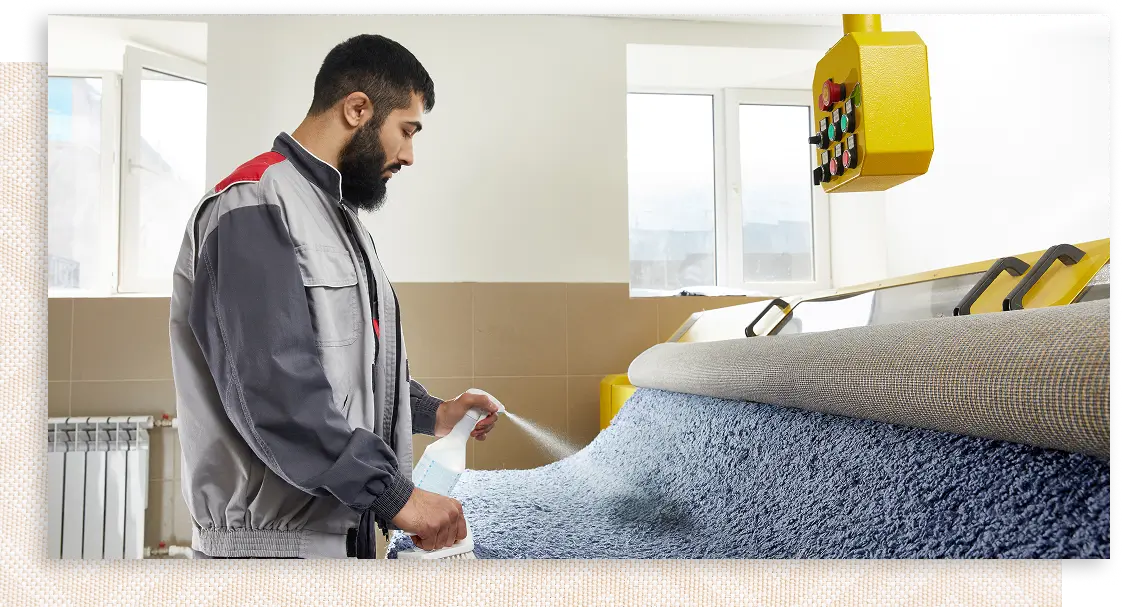
Unlike carpet tiles, you will need a professional to install your broadloom carpet flooring. A wide variety of tools and equipment are needed and cannot be done yourself.
Pros & Cons
Pros
Cons
Best Uses
Carpet is perfect for a home theater room in your home. Create a warm and friendly room that you can truly relax in when watching your favorite movie.

Cost

A more expensive option for flooring, carpet will cost from $4 to $20 per square foot.
What Kind of
Flooring Is Best for Home Theaters?
What do you need from your home theater flooring? You need a comfortable flooring choice that is soft and creates a warm and cozy room. You want the perfect aesthetics to make your home theater room look great and suit the interior design features that you are aiming for.
You will also need a durable flooring material, especially if you are creating your home theater room in your basement. Ensure that your flooring will allow you to easily clean any spills or messes. Maintenance is important to keep your floor and home theater room looking great!

So, which different types of flooring material would be great for your home theater room?
Carpet
Carpet is a great choice for your home theater room, providing soundproofing qualities and a warm, soft feel to touch. You can opt for wall-to-wall carpet, or carpet tiles to create the look that you want.
TheaterSeatStore has a great range of home theater carpets available, so take a look at our website today!

Rugs
Achieve the same, soft feel in the center of your room, and choose a large rug from TheaterSeat Store. You can use different types of flooring under the rug, and rugs are easily replaceable. Check out the fantastic range of rugs available at TheaterSeatStore today!
Hardwood
An expensive yet durable option, hardwood looks great and comes in a variety of aesthetics. You can achieve a durable floor for your home theater room that is easy to maintain and simple to clean. Team up your hardwood floor with a rug from TheaterSeatStore now!

Vinyl
Vinyl flooring is a good choice for the lower budget, offering moisture-resistant flooring that is resistant to scratches. Choose from a wide variety of styles and color choices and create a comfortable and easy-to-maintain floor. Add a TheaterSeatStore rug for the perfect home theater room!
Other Types of
Flooring
Which other types of flooring for homes are available for you to consider?
Concrete Flooring
A new trend to think about is using concrete as a flooring option, adding a stain, a dye, or a polish to create something truly unique.
Cork Flooring
opt for cork flooring to provide a resilient and natural floor, made from renewable materials. Cork is low in VOCs, is fire-resistant, blocks sounds, and is great for quiet areas.
At $5 to $15 per square foot, it offers a mid-priced range, although is prone to indentation.
Rubber Flooring
Rubber is a resilient material and can create a vibrant, fun room. This is a great choice for playrooms and gyms, as well as wet rooms, and modern living spaces. Stain your rubber floor with oils and fats, achieving an easy-to-clean surface.
Rubber is a non-slip surface and can be purchased for $4 to $12 per square foot.
Terrazzo Tile!
opt for a terrazzo tile! This composite is created using natural stone chips and resin and can create a natural design.
Perfect for indoor and outdoor use, you can purchase terrazzo tile for $25 to $40 per square foot.
Conclusion
What different types of flooring tiles are you searching for? The different types of tile flooring available can help you to create a fantastic room in any home. Carpets are perfect types of flooring for bedrooms and theater room flooring, creating a comfortable and cozy atmosphere to relax.
Carpet tiles and rug options are great alternatives to the traditional wall-to-wall carpet, so complete a home theater room decor using accessories from TheaterSeatStore today! You will find the best flooring for home theater as well as types of flooring for house and apartments of all varieties!
Different types of kitchen flooring and types of bathroom flooring must be waterproof as well as non-slip.
These types of flooring for kitchen spaces are also perfect types of flooring for basement rooms, offering moisture-resistant materials.
Whichever flooring materials you need, create a perfect home theater room today with carpets and rugs from TheaterSeatStore, as well as fantastic home theater sofas!