
Audio Video
Outdoors
What You Need To Know
The Growing Popularity of Outdoor Entertainment
In recent years, the outdoor entertainment industry has witnessed something of a boom. We could attribute this to the Covid-19 pandemic, which stirred people to maximize their outdoor spaces, or the rise of streaming services, which has made cinematic experiences possible from the comfort of the home.
Either way, homeowners are now investing more than ever before in alfresco entertainment. The outdoor audio system market alone is currently valued at over $4 billion USD – and is only going in one direction!
$4 Billion USD
outdoor audio system
current market

Power Supply

Weather

Cost
Challenges of Bringing Audio and Video Systems Outdoors
However, bringing your beloved home cinema system outdoors presents its own unique challenges. There are power supply issues to contend with, aesthetic considerations to take into account, costs to be figured out – and that’s to say nothing of the myriad environmental factors (such as weather, dust, water clogging, and even wildlife) that can wreak havoc with outdoor audio and video systems.
Maintaining balance and building your outdoor entertainment lounge therefore requires a great deal of careful planning.
Overview of What The Article Will Cover
Luckily for you, we’re here to dive into everything you need to know about outdoor video and audio systems in 2024. We’ll discuss how to select the right equipment, key installation considerations, legal factors, how to maintain your setup to ensure longevity and peak performance, and much, much more.

Right Equipment

Key installation

Legal Factors

Maintenance

Movie Performance
So if you want to give your outdoor space a makeover with an outdoor entertainment system that’ll be the envy of all your friends, stick around. This article is for you!

Understanding the
Outdoor Environment

Audio Video Outdoors

Audio Video Outdoors
Weather considerations

Depending on where you live, weather conditions pose the most immediate challenges to building and maintaining outdoor audio and video systems.
Just like us, technological equipment has to stay within a certain temperature range to continue working. Luckily, most high-quality outdoor entertainment equipment is designed to operate within a range of -20°F to 120°F, which accommodates most seasonal shifts.
But if you live in a particularly cold or hot area, your electrical components could be vulnerable to malfunctions and reduced lifespans.

Similarly, moisture is a major concern for outdoor electronics, as it can lead to condensation inside devices, causing – you guessed it – short circuits. It’s essential to choose equipment with proper seals and coatings to prevent corrosion over time.

One one level, UV rays can make viewing screens nigh on impossible. But on a practical level, long-term exposure to UV light can seriously damage your outdoor electronic systems, degrading materials, weakening plastics, and much more.

With hurricane risk growing the U.S., mounted outdoor equipment may become vulnerable. Extreme winds can loosen fixtures, and dust carried on that wind can clog all-important cooling and ventilation systems.

Audio Video Outdoors
Acoustics in open spaces
When enjoying outdoor audio systems, you don’t have the benefit of indoor acoustics. This means that the open environment can compromise sound quality if your systems aren’t properly installed.
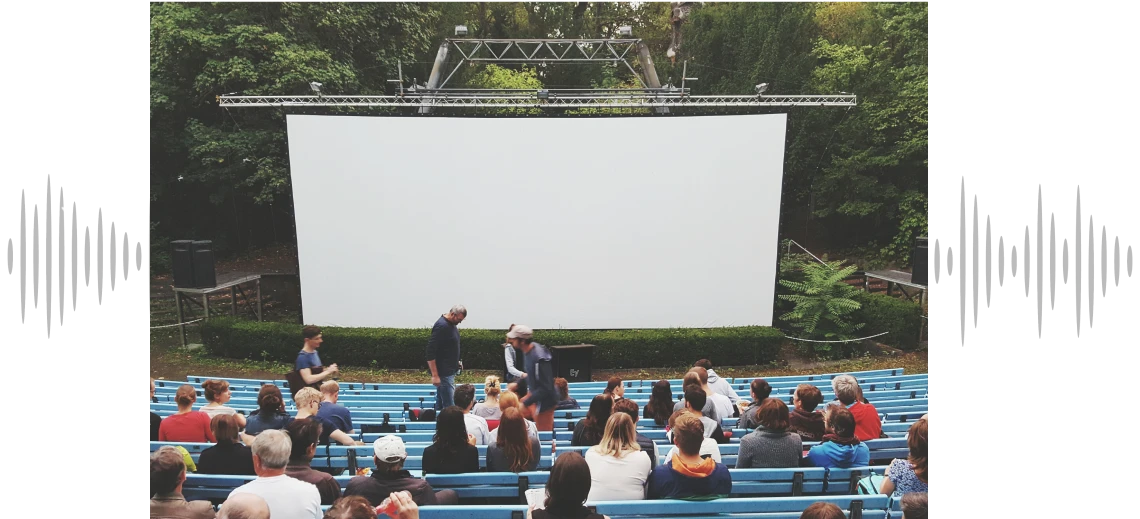
Sound goes every direction
Sound waves fill the space they’re in, so if you’re outside, that means they’ll wander off in every direction. But this can be combated with clever planning. Understanding sound dispersion patterns helps in strategically placing speakers to cover the entire listening area.
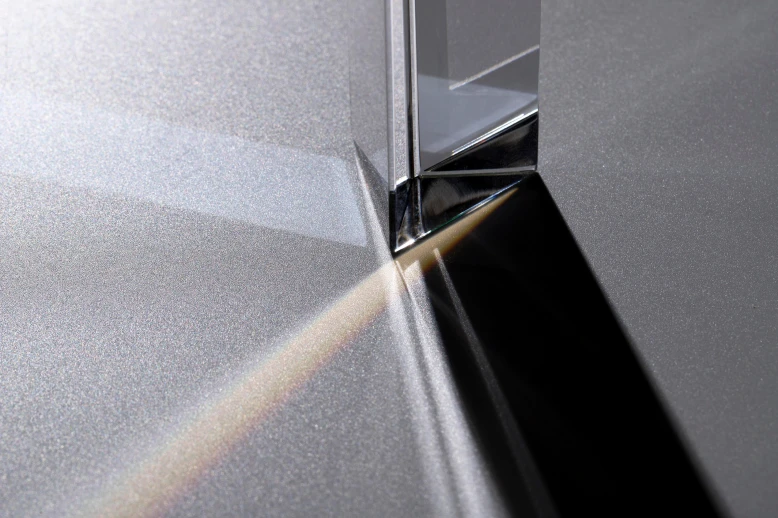
Hard Surfaces
Hard surfaces like walls and water features can reflect sound, causing echoes or distortions. Placing speakers away from these surfaces or using diffusers can mitigate these effects for clearer audio.
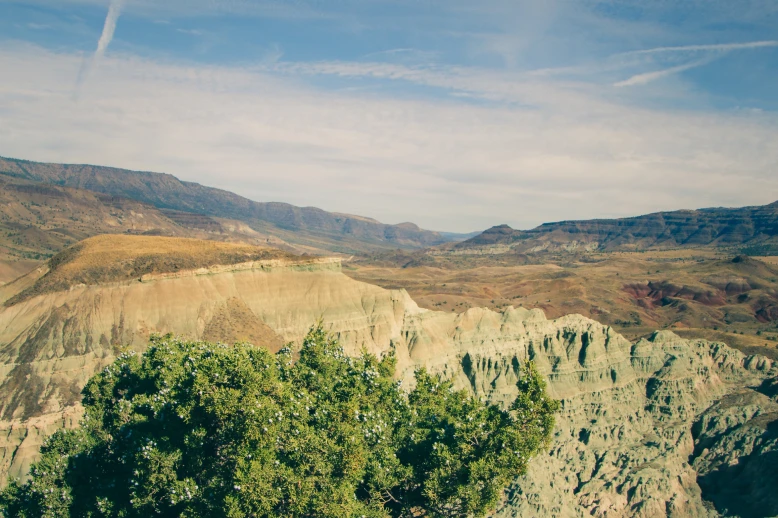
Absorption by vegetation & terrain
Trees and bushes soak up sound like a sponge soaks up water. So if your audio system is by vegetation, your garden could be hearing more than you are. Consider placing speakers at higher elevations or using more powerful systems to ensure consistent sound delivery.
Audio Video Outdoors
Lighting conditions & their impact on video quality

What happens when you try to read your phone screen on a super sunny day?
It’s tricky, right?
And for most budget laptops, you may as well forget it.
For that same reason, lighting considerations are key to installing top-quality outdoor video systems.
‘washing out’ of the screen
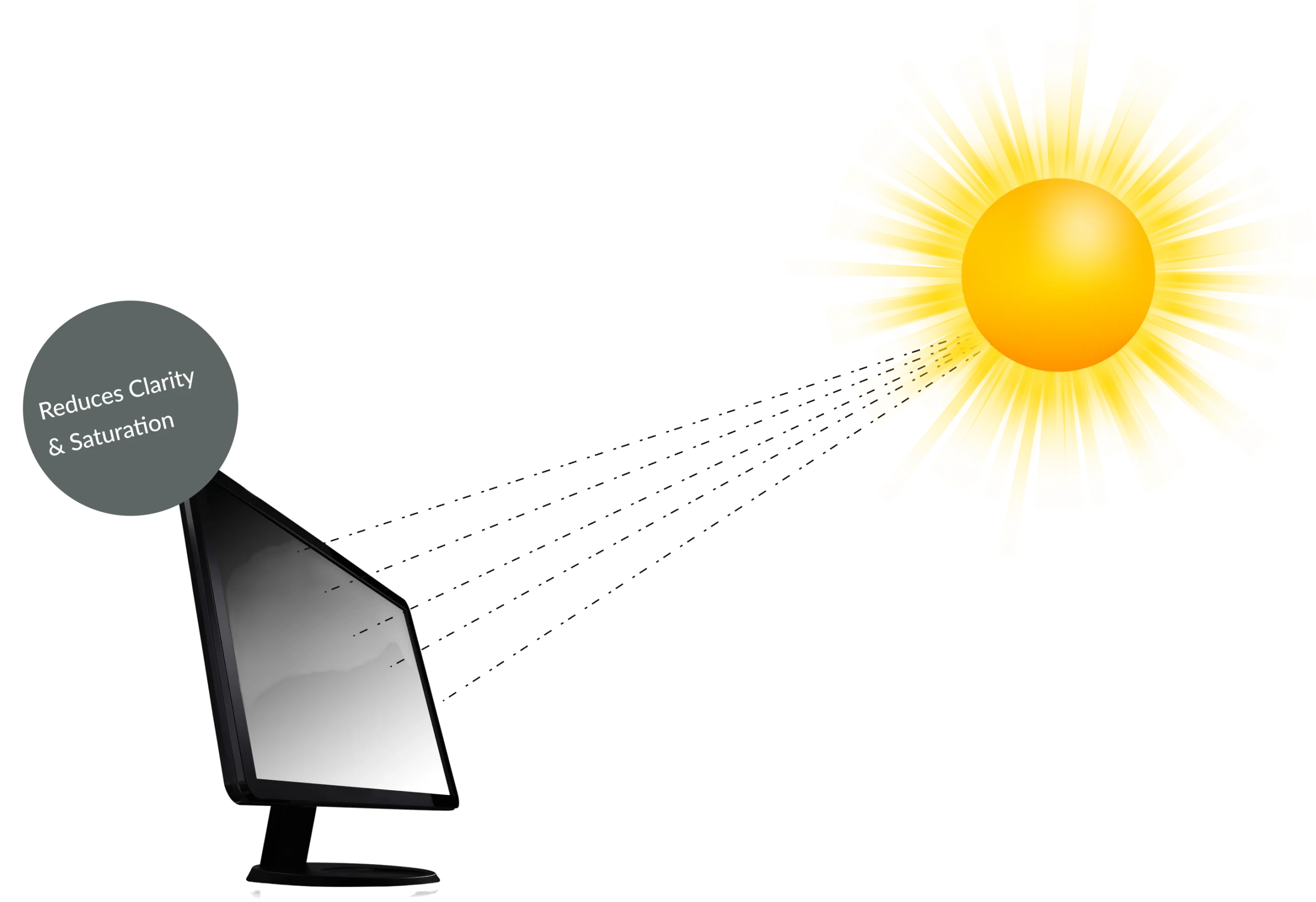
This is called ‘washing out’: when sunlight reduces clarity and saturation on electronic screens. Opting for high-brightness screens or positioning screens in shaded areas can help maintain visibility during the day.

Stop Bugs from Invading Your Screen at Night
At nighttime, you can have a totally different problem: the screen is crystal clear, but bugs just can’t resist it! Screens with integrated bug repellents or strategically placed lighting can deal with your insect invasion!

Of course, you may position your outdoor video display perfectly in June, only to find it letting you down come September. That’s because seasonal changes can affect sunlight angles and duration. This is where adjustable mounts come in super handy.

Audio Equipment for
Outdoor Use

Audio Video Outdoors
Let’s take a look at some of the features you should be looking out for in your outdoor audio equipment.
Audio Video Outdoors
speakers
Dust and Water Resistance in Outdoor Speakers
The right speakers are some of the most important pieces of outdoor entertainment equipment. They need to be able to deliver the sound quality you want and withstand the many challenges of staying outdoors.
Look out for IP (Ingress Protection) ratings on outdoor speakers: they indicate their resistance to dust and water. Materials like UV-resistant plastics and rust-proof metals are commonly used to enhance durability.

In-ground vs. above-ground speakers
You’ll have to weigh up aesthetics vs. convenience here; in-ground speakers blend seamlessly into landscaping but are harder to install, whereas above-ground speakers are easier to set up and typically offer better sound clarity.

Blend seamlessly Harder to install
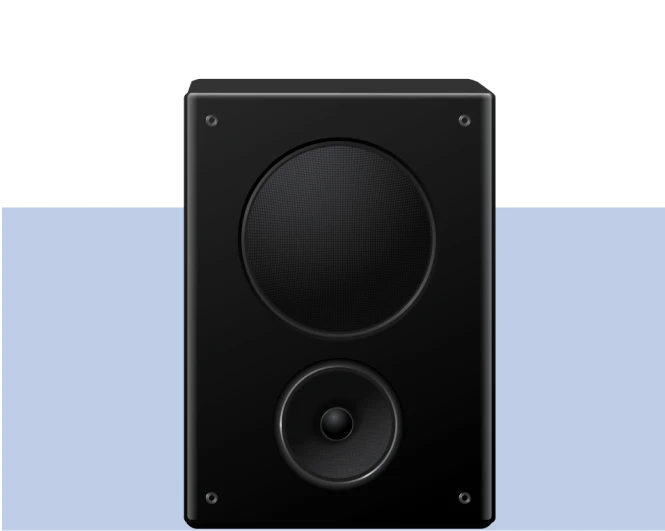
Easier to set up Better sound
Wireless vs. wired systems
Wireless outdoor speakers offer the obvious advantage that you can place them wherever you want (plus there are no ugly wires in the way!). However, you’ll need to charge them regularly. Wired systems, while more reliable, need careful planning to avoid signal interference.


360-degree sound coverage
Frankly, there’s no end of speaker types for you to choose from: rock speakers are designed to . . . well, look like rocks, omnidirectional speakers provide 360-degree sound coverage, and soundbars offer compact, directional audio for more focused listening areas
Audio Video Outdoors
Amplifiers and receivers
If you want consistent audio across large outdoor spaces, amplifiers and receivers are must-have pieces of kit.
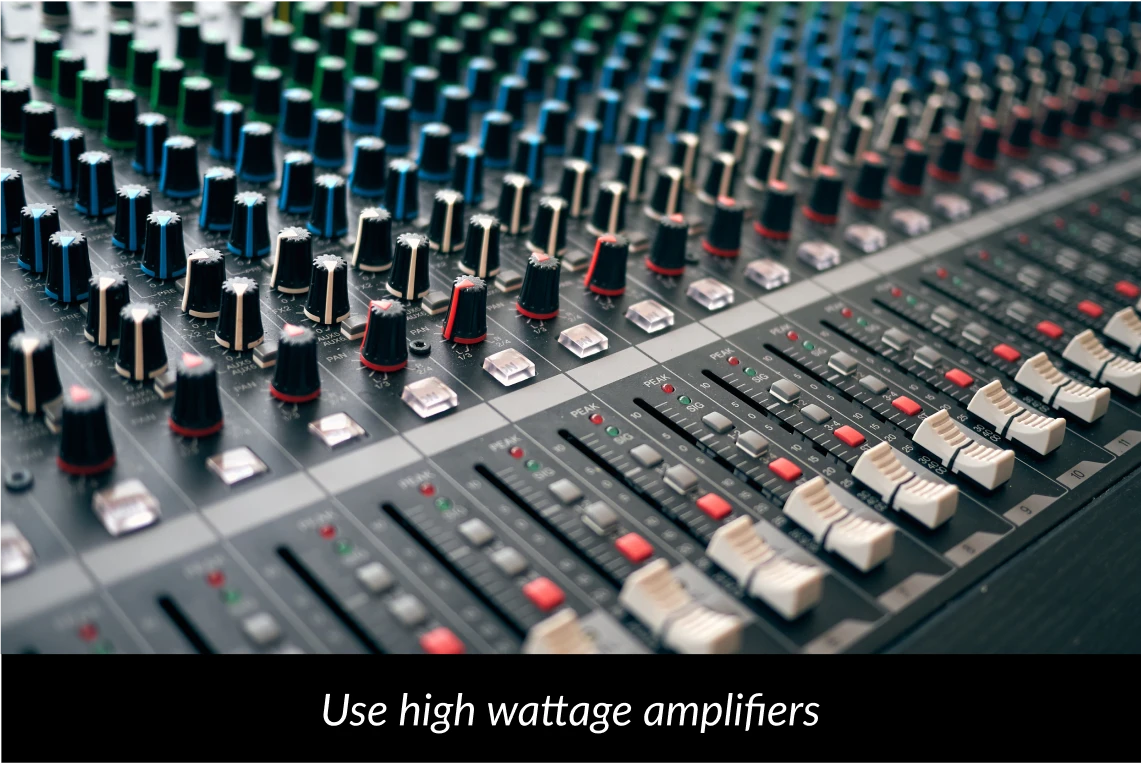
It’s a good idea to test your outdoor space for ambient noise (as well as measure its size), as both these factors influence your needs. When battling background noise from wind, traffic, and nearby water, higher wattage amplifiers are better.

Amplifiers and receivers should be housed in weather-protected enclosures with adequate ventilation to prevent overheating. In colder climates, heating elements may be necessary to maintain optimal operating temperatures.
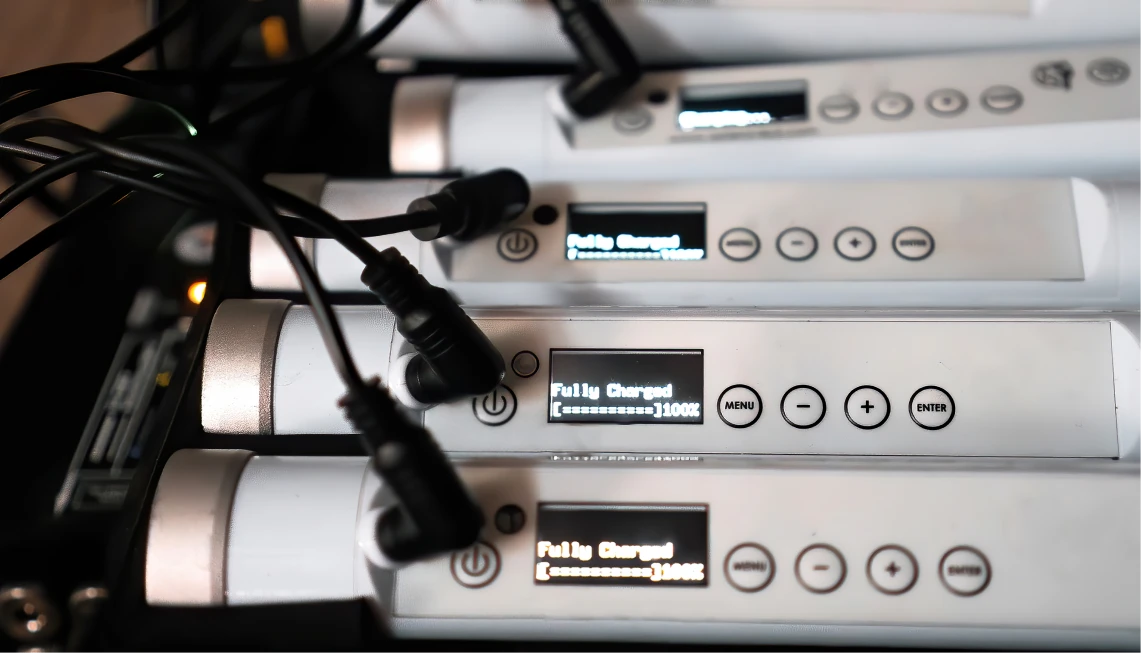
Ah, the age-old stereo vs. multi-channel debate. Everyone has a preference, and when it comes to outdoor audio systems, it’s no different; multi-channel setups provide a more immersive audio experience while stereo setups are simpler and may work for smaller spaces.
Audio Video Outdoors
Audio source options
When constructing your outdoor entertainment space, you’re also going to have to think about your audio source options – at least, you will if you want to hear anything!
Streaming devices
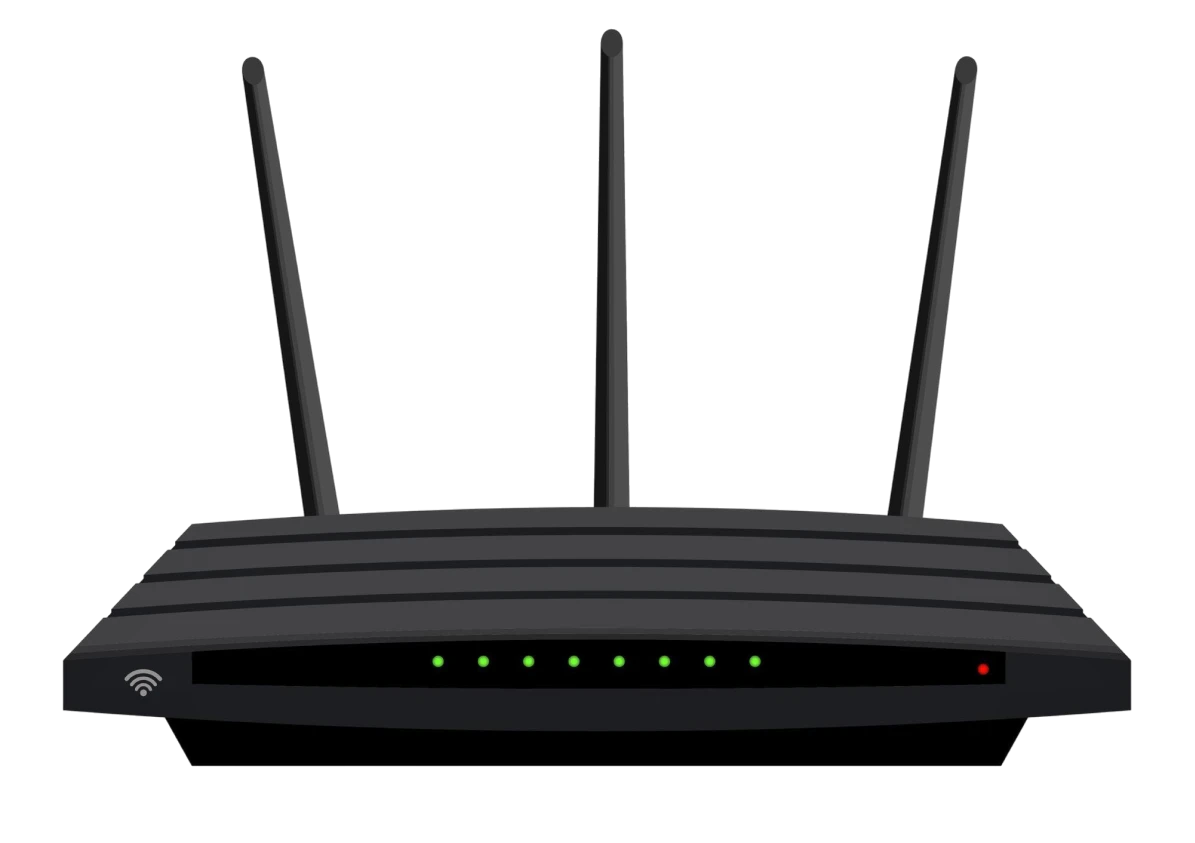
One of the most popular outdoor audio source options is a WiFi-enabled streaming device. The benefit of these is that they offer seamless integrations into home networks.
Bluetooth connectivity
Another convenient source option is Bluetooth. However, Bluetooth connections typically only work within a 33-foot range and can be prone to sudden disconnections.
Multi-zone audio systems
Multi-zone audio systems enable different audio sources to play in various areas simultaneously. Wired setups are more stable, while wireless systems offer greater flexibility in terms of placement and control.

Video Equipment
for Outdoor Use

Audio Video Outdoors
From display settings to mounting solutions, let’s dive into some of the key considerations for outdoor video equipment.
Audio Video Outdoors
Displays
Just like with outdoor speakers, your outdoor visual displays must be able to deliver high-quality pictures and withstand outdoor elements.
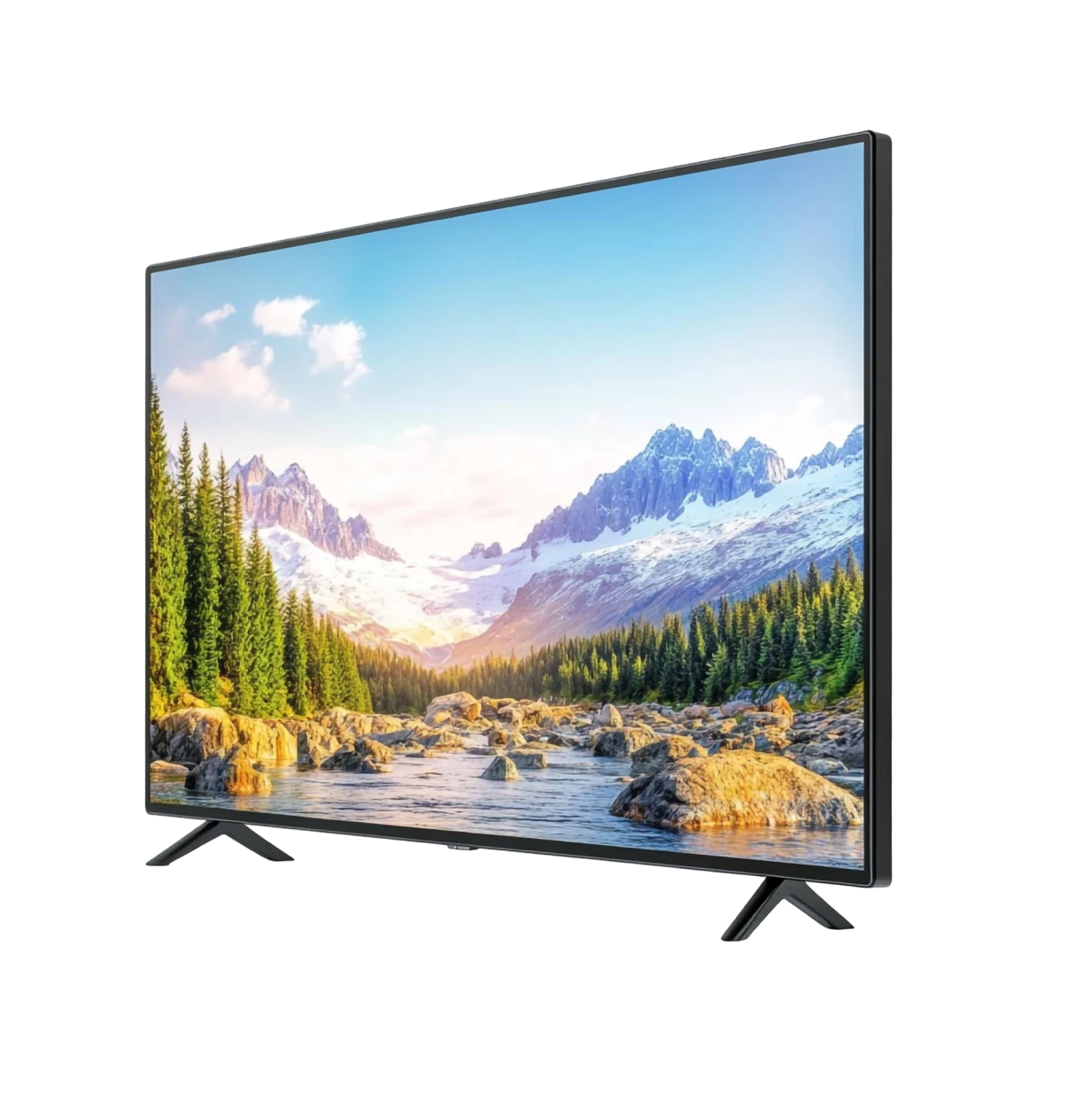
Outdoor-rated TVs
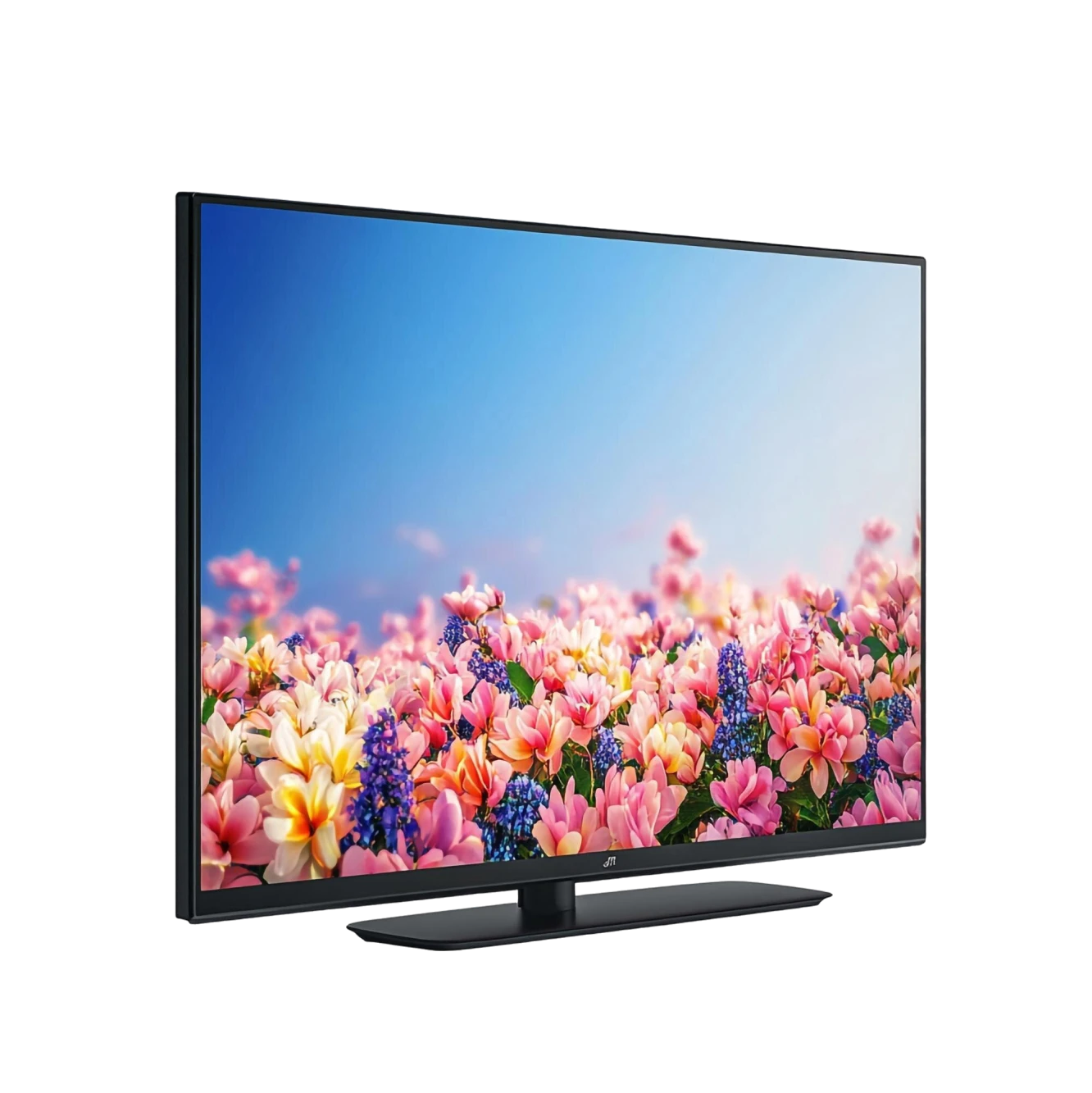
700 to 1500 nit
Some TVs are specially designed for visibility in bright environments. Specifically, look out for ‘nit’ ratings between 700 and 1500 (that’s effectively a brightness measurement). Anti-glare technologies further enhance screen visibility by reducing reflections.
Projectors have to work overtime when projecting outdoors. With that in mind, look out for projectors with high lumen ratings of around 3000 or more.
Fixed screens can provide a stable setup, while retractable screens (either motorized or manual) offer protection from the elements when not in use.
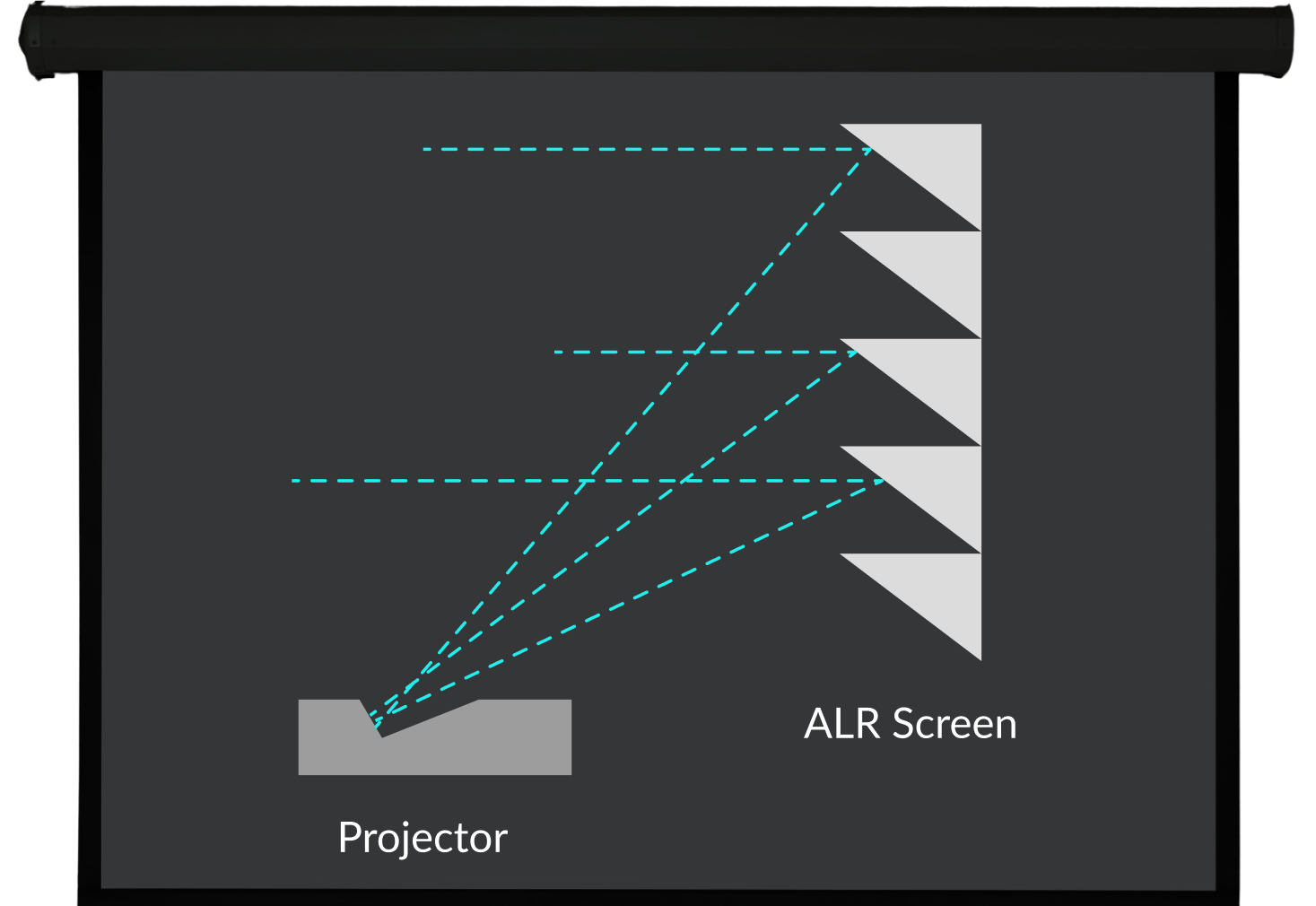
Ambient light rejecting (ALR) screens
ALR screens are designed to combat ambient light by reflecting projected images directly toward viewers while minimizing reflections from other light sources. This technology is particularly effective in bright outdoor environments in some parts of the U.S.
Audio Video Outdoors
Mounting solutions
Sit back and relax with your video equipment optimally positioned for the perfect viewing experience.
Wall mounts
The quality of your wall mount is vitally important, especially for outdoor screens. Check, double-check, and triple-check weight maximums before mounting your video equipment.
There are two main types of wall mounts: fixed, which are straightforward and stable, and adjustable, which can be articulated.

Ceiling mounts
Ceiling mounts can offer a sleek and unobtrusive installation for projectors, often featuring dropdown mechanisms for easy access. But it’s crucial to weatherproof ceiling penetrations to prevent moisture from getting in and wreaking havoc.
Keeping your video equipment protected against the elements is hugely important. That’s where enclosures (essentially ‘shields’) come in. Many include ventilated designs that prevent overheating, and some even boast anti-theft features.
Audio Video Outdoors
Video source options
Of course, nothing else matters if you can’t source your video equipment effectively. You need to select the right video source for great quality, seamless viewing, and playback options to suit your needs.
Outdoor streaming boxes – just like the one in your living room, only tougher. Outdoor-rated streaming boxes are built to bring you your favorite streaming services while standing up to harsh conditions. Of course, built-in smart TV platforms eliminate the need for additional devices and simplify the setup process.

Weatherproof external hard drives can store large video libraries, making them a great option for offline viewing. Network-attached storage (NAS) solutions allow for easy access and streaming of content stored on a home network.
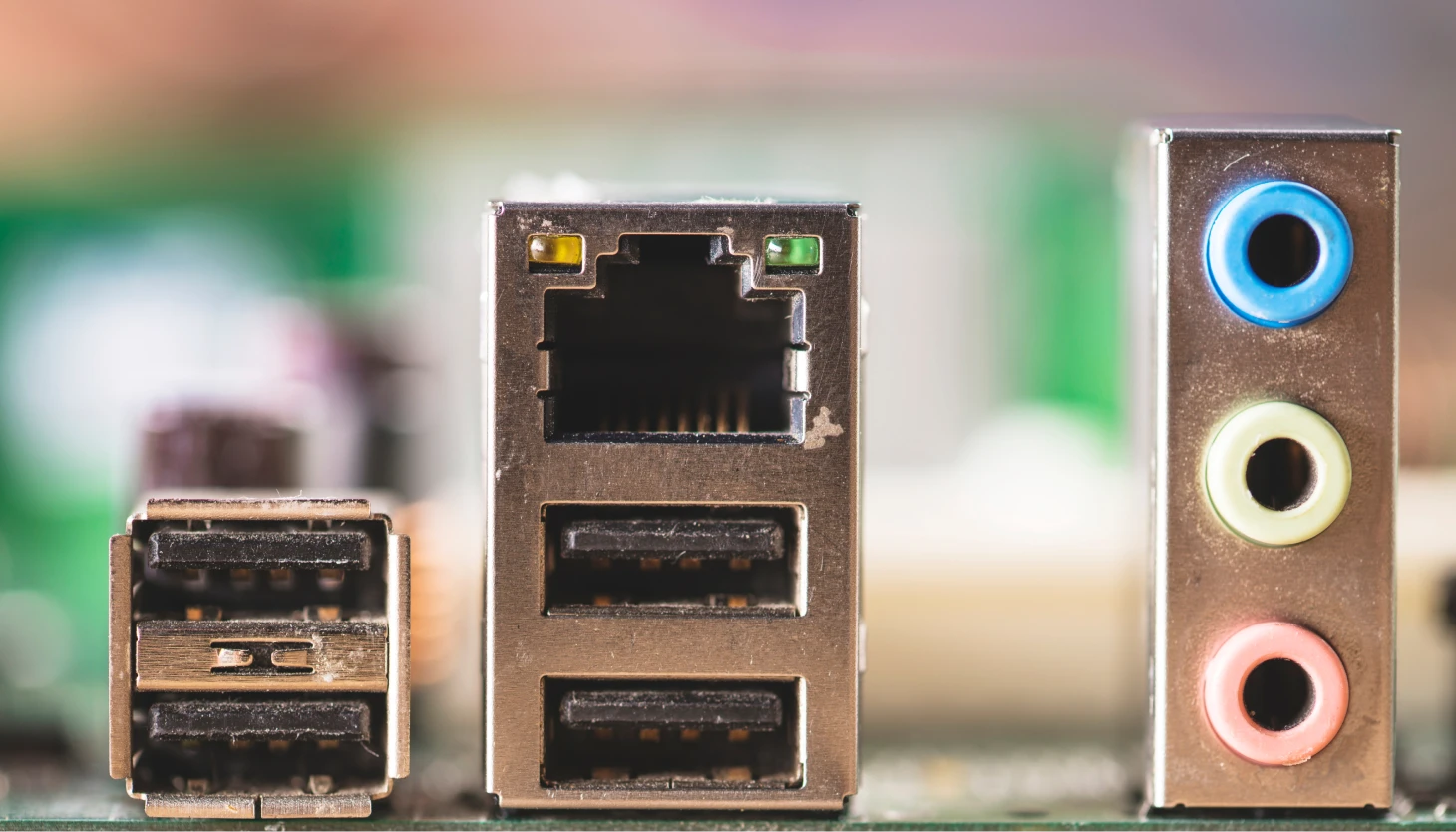
Let’s face it: traditional HDMI cables aren’t always practical for outdoor use. That’s where HDMI over IP solutions can make a real difference. These solutions enable long-distance signal transmission without the need for extensive, messy cabling.

Connectivity and
Control

Audio Video Outdoors
Making sure your outdoor video and audio systems are safely connected and your control is optimized is paramount for enjoying your new outdoor entertainment space. Let’s see how you can maximize your connectivity and control:
Audio Video Outdoors
Wiring considerations
Wiring is a critical aspect of any outdoor audio-video setup. But configuring wiring to perform well and withstand weather conditions requires careful planning.
Weatherproof cabling
Ordinary indoor cables don’t cut it when it comes to outdoor audio-video systems. You need weatherproof cables, such as those with direct burial ratings, to resist moisture and heat. You should also consider UV-resistant jacket materials to protect against sun exposure.

Conduit and burial techniques
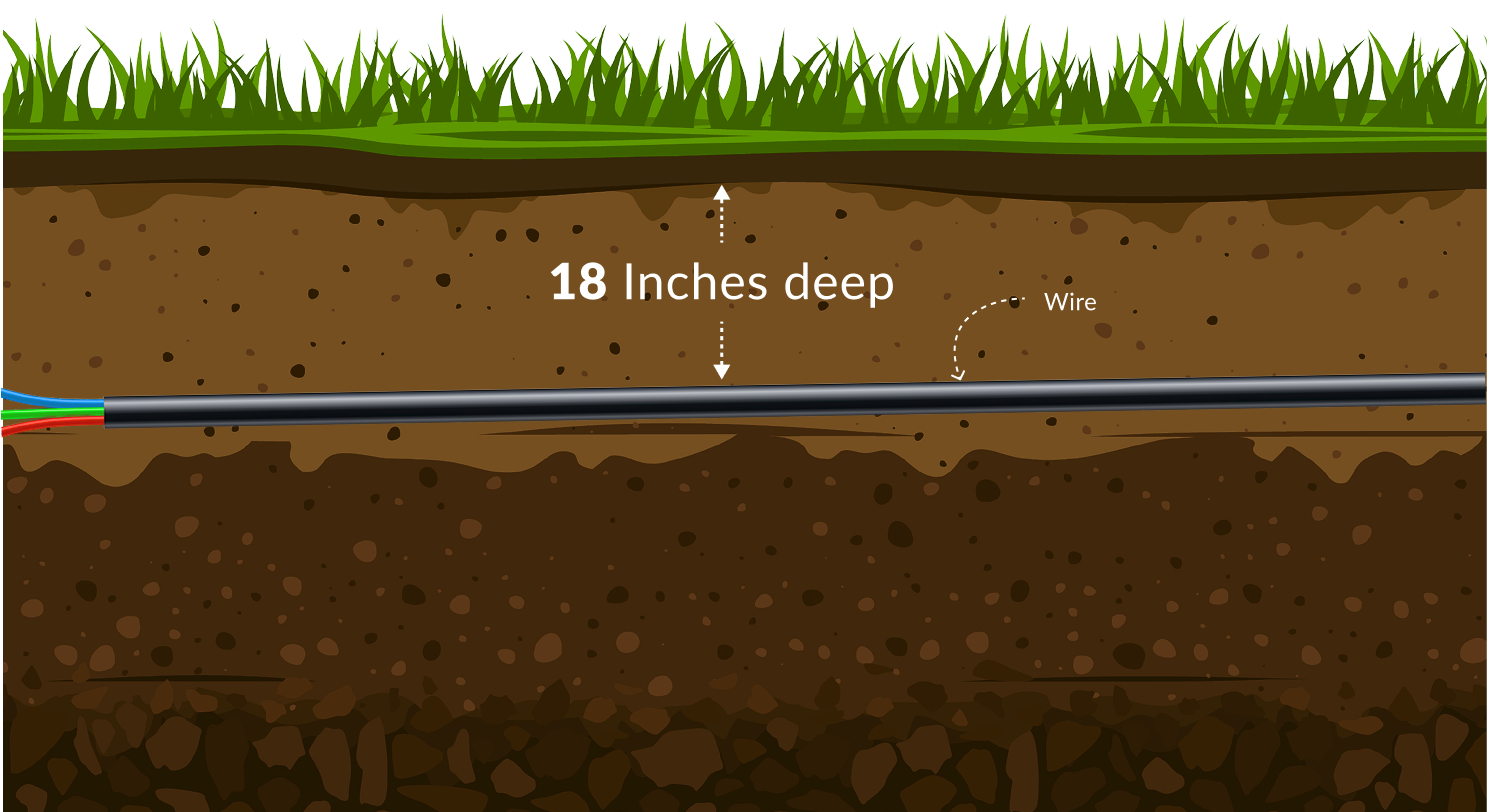
Underground electrical wire in non-metallic conduit must be buried at least 18 inches deep (that’s an NEC requirement, not a preference) to prevent accidental damage. And talking of accidental damage, proper drainage is also crucial in conduit runs to prevent water accumulation.
Audio Video Outdoors
Wireless solutions
Of course, if you’d rather live without the hassle of NEC requirements and cable-related mishaps, wireless solutions are always an option.
Wi-Fi extenders and mesh networks
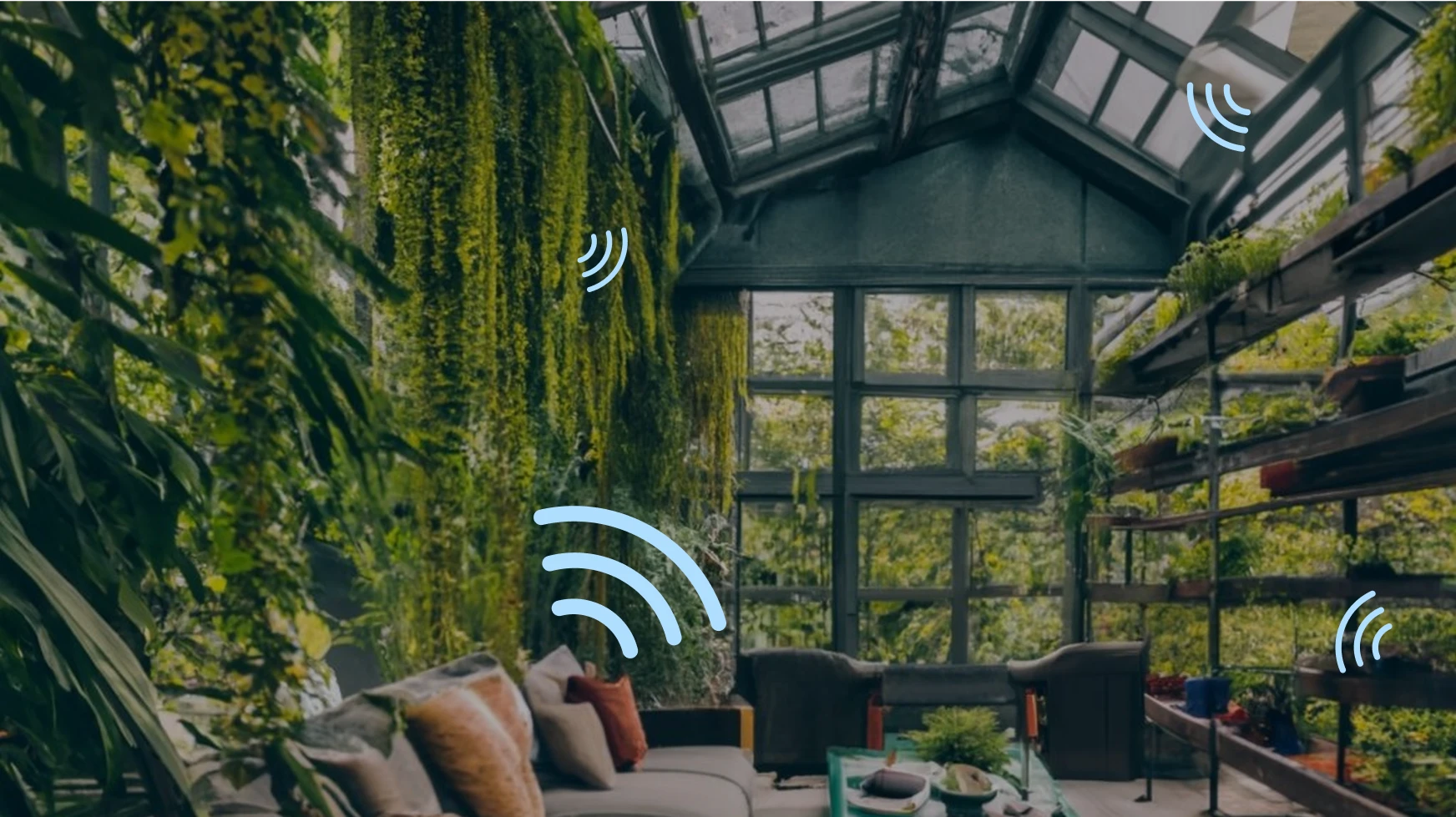
Outdoor-rated access points can extend WiFi coverage to outdoor areas, ensuring strong and stable streaming signals. And if you want to support multiple devices simultaneously without lag, consider mesh networks: they help distribute bandwidth evenly.
Bluetooth range extenders
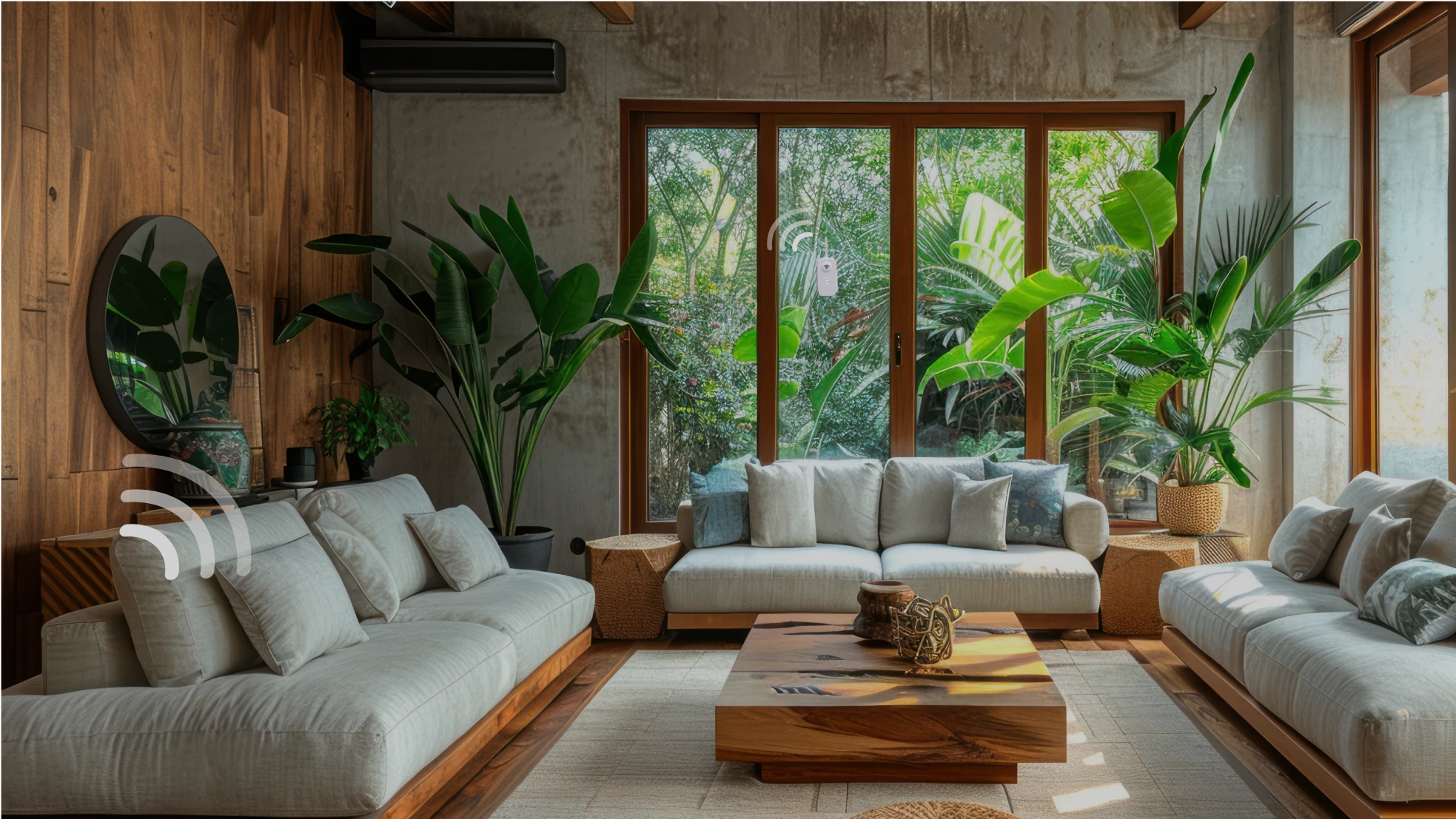
Remember earlier when we said that the typical Bluetooth range is around 33 feet? Well, with a range extender, increase signal reach by daisy-chaining multiple devices, allowing for greater flexibility in speaker placement.
Audio Video Outdoors
Control systems
If you want the true outdoor entertainment experience, powerful control systems are a must. These help you manage your outdoor audio-video equipment with ease.
Weather-resistant remotes
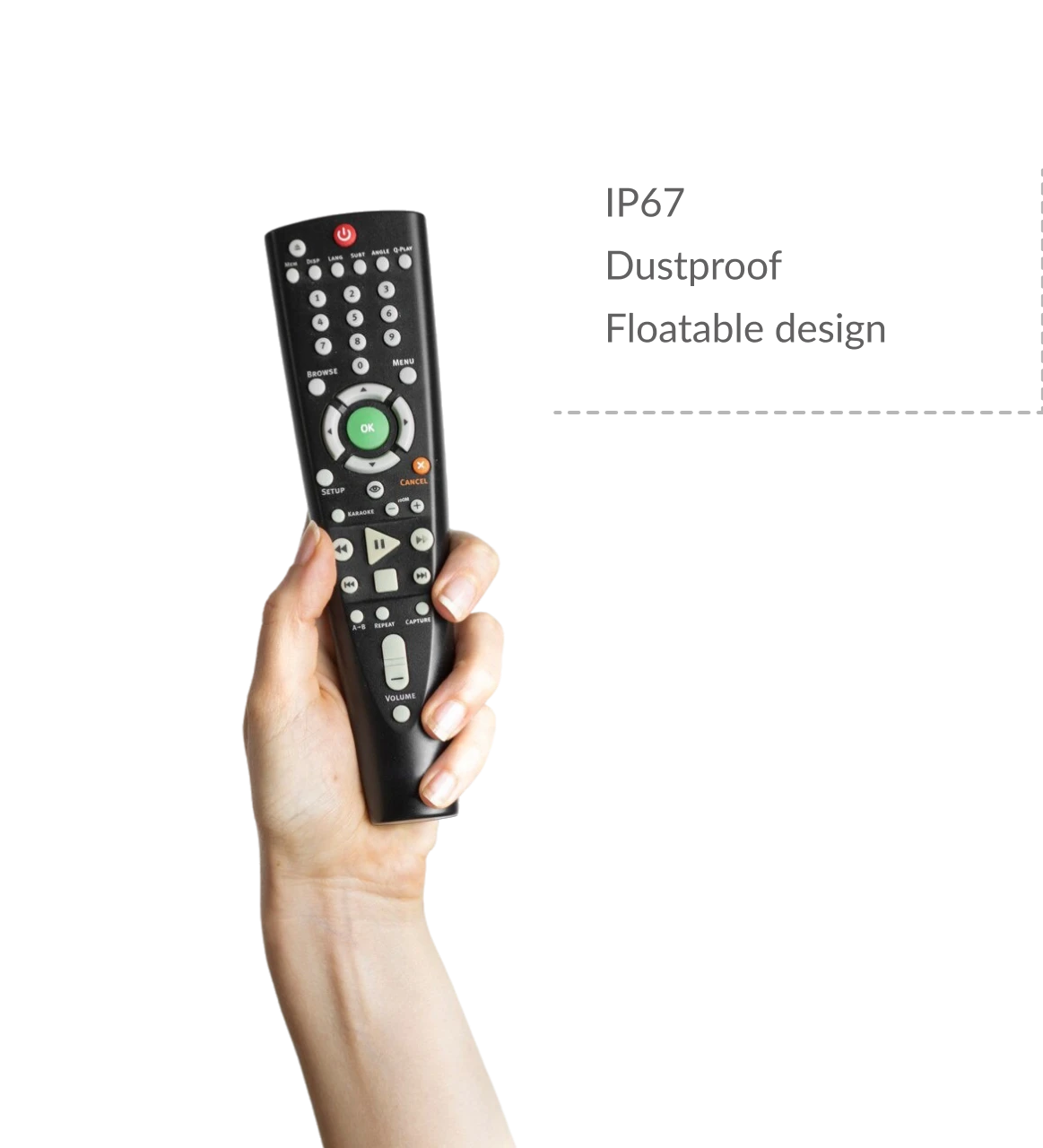
Look into IP-rated remote controls for devices that are built to withstand rain, dust, and extreme temperatures. Likewise, ‘floatable’ designs are crucial for pool areas, potentially saving you a frustrating and costly remote replacement.


Smartphone apps
Don’t forget that these days there’s a multitude of cool ‘universal remote’ apps that can consolidate multiple devices into a single control interface. Such apps allow you to control all your customizable settings from the comfort of your phone.
Voice control options
For the ultimate hands-free experience, outdoor microphone arrays enable total control by picking up voice commands even in noisy environments. You can even integrate voice control systems into smart home ecosystems to allow for ultimate control.


Power Management

Audio Video Outdoors
Whether you want to ensure your power systems are safe all year round, research portable power, or boost the energy-efficiency of your setup, this section is for you.
Here are just some of the ways you can make sure your outdoor power systems are properly managed, saving you time and money.
GFCI protection requirements
Ground Fault Circuit Interrupter (GFCI) outlets are mandatory for outdoor use, as they protect against electrical shock by shutting off power if a ground fault is detected. So if you’re in a wet or damp environment, these outlets are 100% necessary.
It makes sense that you need to protect your power systems – as well as your video and audio equipment itself – from the environment. That’s where weatherproof covers come in, which do exactly what you’d expect: they cocoon outdoor outlets and ensure longevity.
Audio Video Outdoors
Surge protection
When dealing with any outdoor electrical systems (even weather-protected ones), it’s vital to shield them from potential surges caused by lightning or grid fluctuations.
Here are a few ways you can protect your home and family from dangerous power surges:
Whole-house surge protectors
The simplest way to ensure surge protection for all your electrical items (both in and outside of your house) is to install a whole-house surge protector. These connect to the main electrical panel and provide a first line of defense against large power surges.
Point-of-use surge protectors for outdoor equipment
If you’re looking for an outdoor-specific solution, you could try point-of-use surge protectors; these are designed for specific outdoor devices, offering additional protection by absorbing smaller surges that bypass whole-house systems.
Audio Video Outdoors
Battery-powered options
for portable setups
For flexibility in outdoor entertainment, battery-powered options offer portability and ease of use without relying on fixed power sources.
Rechargeable battery packs
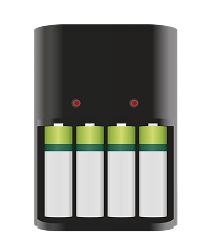
Rechargeable battery packs provide a convenient power source for portable speakers and projectors, allowing hours of use without needing an outlet. These packs are ideal for setups that need to be moved frequently or used in areas without easy access to power.
Solar-powered solutions
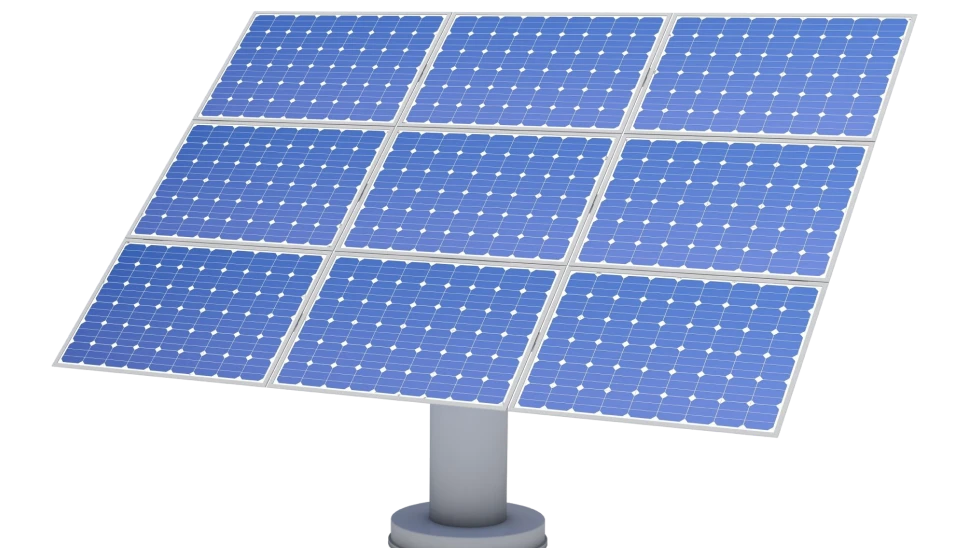
For the eco-minded among you, solar panels offer a practical, environmentally-friendly energy solution. They can charge batteries or directly power low-energy devices, reducing reliance on the grid.
Audio Video Outdoors
Energy efficiency considerations
Energy efficiency isn’t all about reducing your carbon footprint; the Appliance Standards Awareness Project estimates that American households can save $300-$500 a year by investing in energy-efficient solutions!

Not only are LED displays more energy efficient than traditional LCD displays, but they often offer brighter and clearer images (especially important for outdoor use) – that’s what we call a win-win!
However much you love your outdoor entertainment system, most of the time, it won’t be in use. In order to reduce standby consumption, you can install smart power strips, which automatically turn your system off
Design and Integration

Audio Video Outdoors
After you’ve jumped the hurdle of power and connectivity, it’s time to start thinking about design and integration. In other words: how do you want your outdoor audio and video systems to look?
Here are some top tips

Audio Video Outdoors
Blending technology with
outdoor aesthetics
Many people choose to blend their outdoor entertainment systems as much as possible with the surrounding environment.
Color-matching equipment to outdoor decor

Selecting equipment in colors that match your outdoor decor helps create a cohesive look. Many manufacturers offer speakers, screens, and mounts in neutral tones and ‘earth colors’ to blend seamlessly with natural surroundings.
Camouflage techniques for speakers and screens

Some people even go a step farther, totally camouflaging elements of their outdoor audio and video systems (for example, hiding speakers in rock-shaped cases). Such products allow you to sit back and relax in your home entertainment space while feeling connected with the outdoors.
Audio Video Outdoors
Concealment techniques
Concealing audio and video equipment is key to maintaining the aesthetic appeal of outdoor spaces.
Landscaping

You don’t necessarily need rock-shaped speaker cases to conceal audio systems and cables; strategic planting of plants and shrubs can do the job just as well (and for less, too). This approach has the added benefit of encouraging biodiversity in your outdoor space as well!
Architectural elements
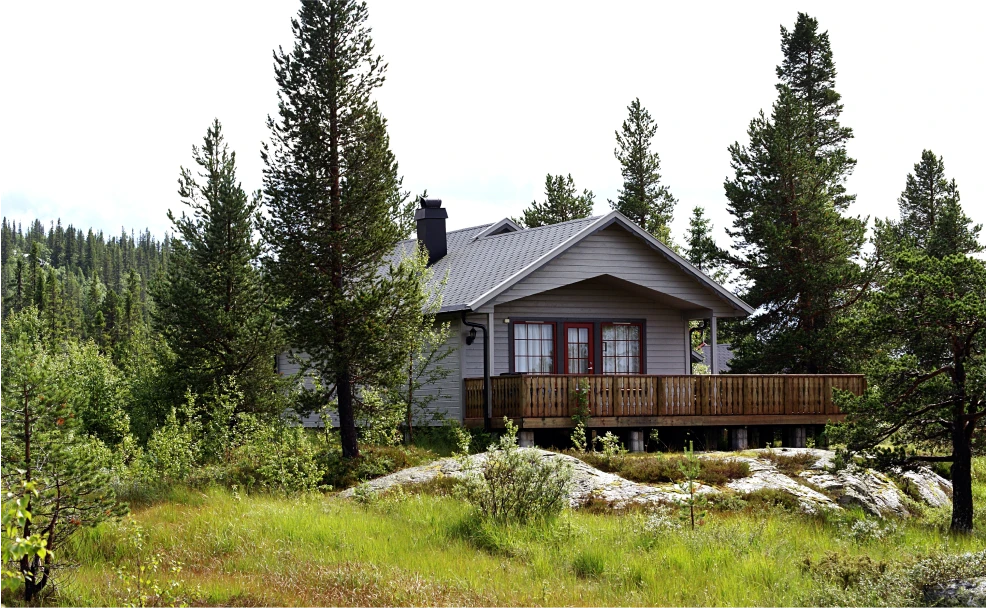
You could also consider incorporating things like pergolas, gazebos, or ornaments to hide certain elements of your outdoor video and audio systems. These structures not only house your technology but also add style and functionality to your outdoor area.
Audio Video Outdoors
Zoning considerations
for multi-area setups
Consider customizing your outdoor entertainment system to the max by implementing distinct zones within your space.
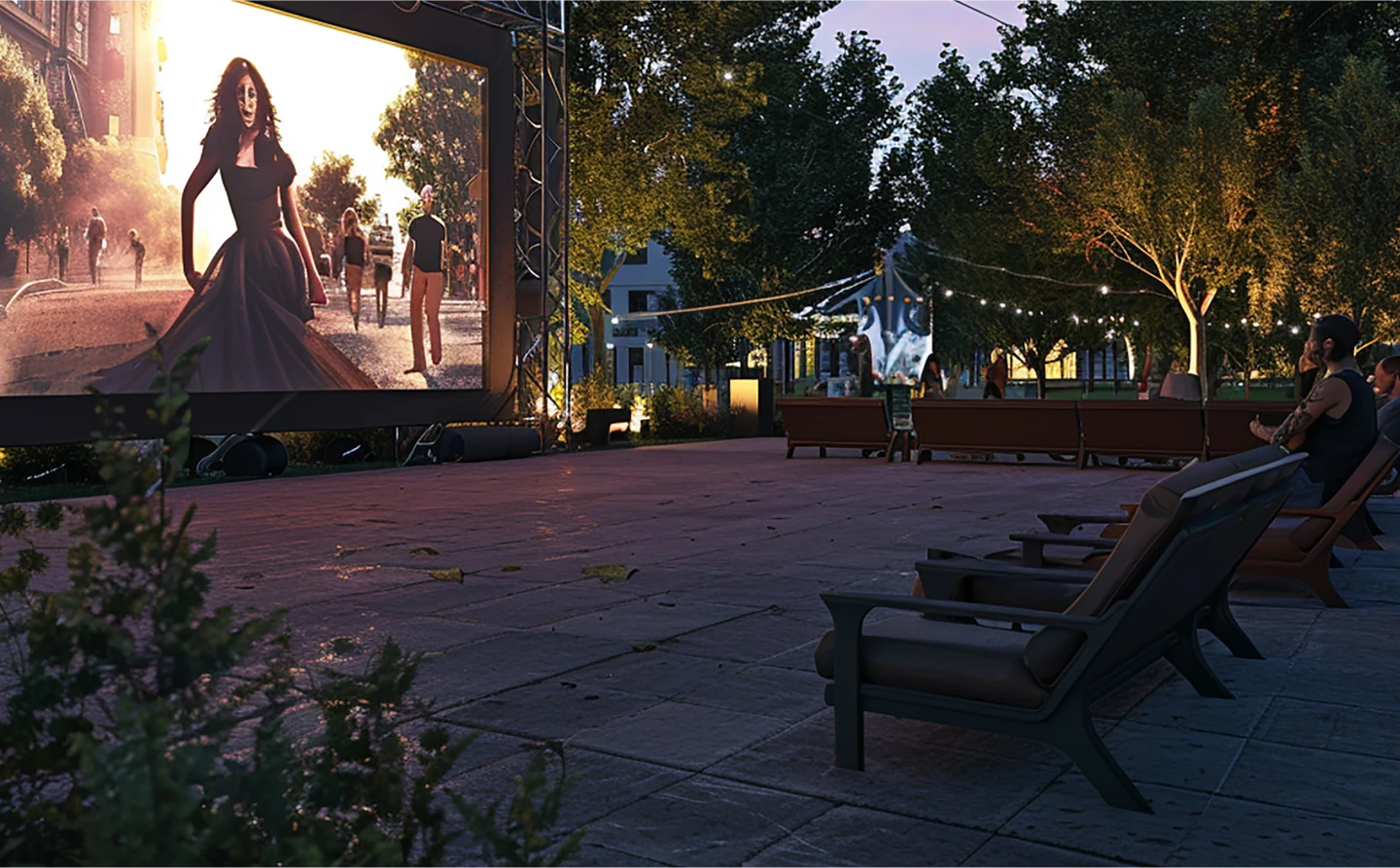
Creating distinct audio-visual environments
Imagine this: it’s a balmy summer evening, your kids are having a party by the pool and you’re relaxing with your favorite glass of red at the movie-watching area on the patio.
Zoning allows you to create different audio-visual environments within a single outdoor space.
Seamless transitions between zones
For a more cohesive zoning system, why not try out some transition techniques? For example, using matching audio and video equipment and coordinating sound levels and screen brightness, which could help unify the environment.
Audio Video Outdoors
Lighting integration
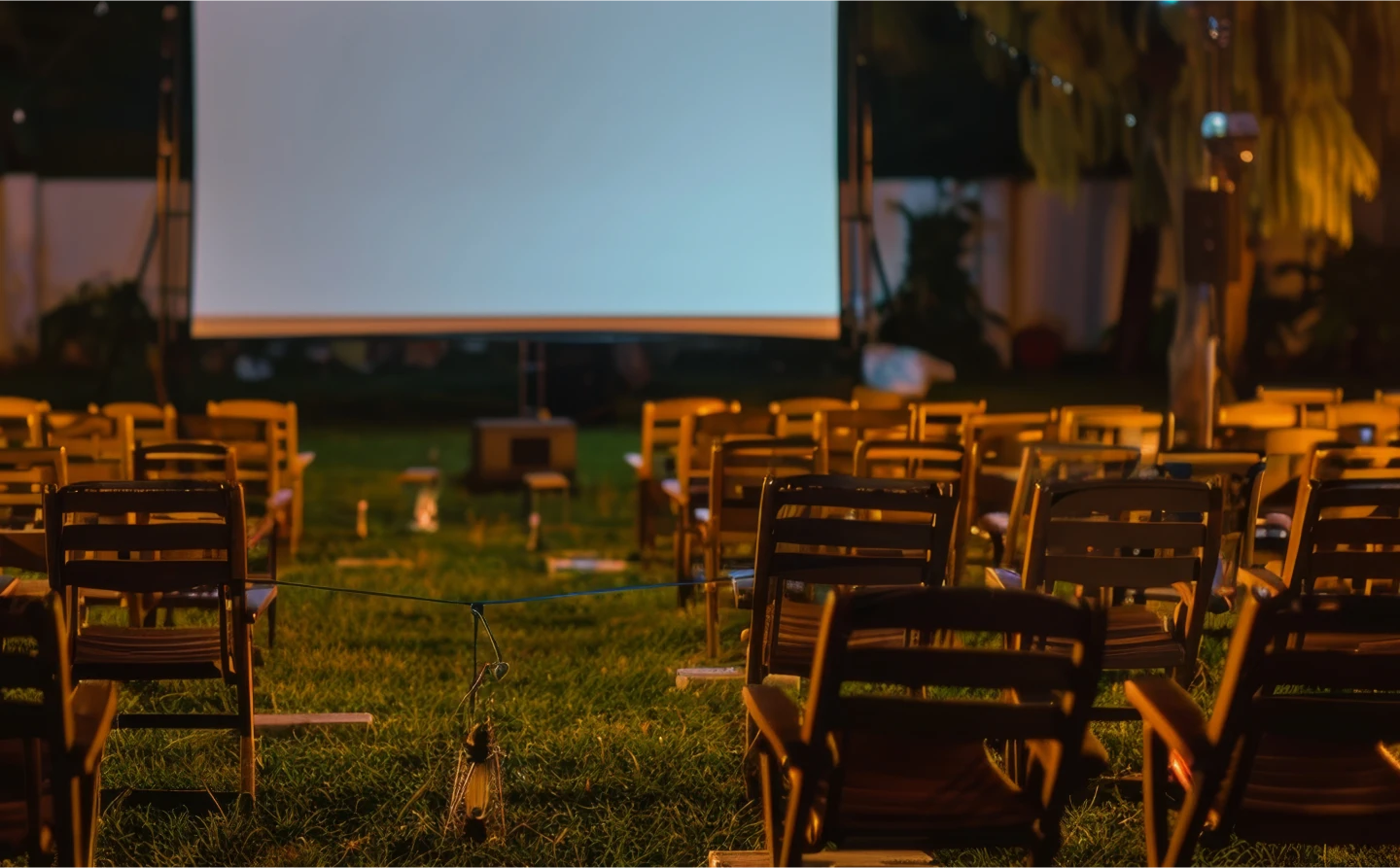
To get that picture-perfect outdoor cinema setup of your dreams, lighting is going to be absolutely key. Here are a few things to consider to make that dream come true.
Automated lighting scenes for different AV modes
Automated lighting scenes can be programmed to adjust based on the activity, such as dimming lights for movie nights or brightening them for outdoor gaming. This integration enhances the overall experience by aligning the lighting with the audio-visual content.
Bias lighting for improved visual comfort
If you’re going to be viewing at night, it could be a good idea to invest in bias lighting behind your screen. This enhances the perceived contrast of the screen, reducing eye strain and maintaining quality.

Maintenance and Care

Audio Video Outdoors
Keeping your new outdoor audio and video systems in top shape all year round is going to be a top priority. Let’s take a look at some of the best practices for maintaining your equipment.
Audio Video Outdoors
Regular cleaning procedures
Regular cleaning is essential to maintain the longevity and performance of outdoor audio and video equipment.

Safe cleaning products for outdoor electronics
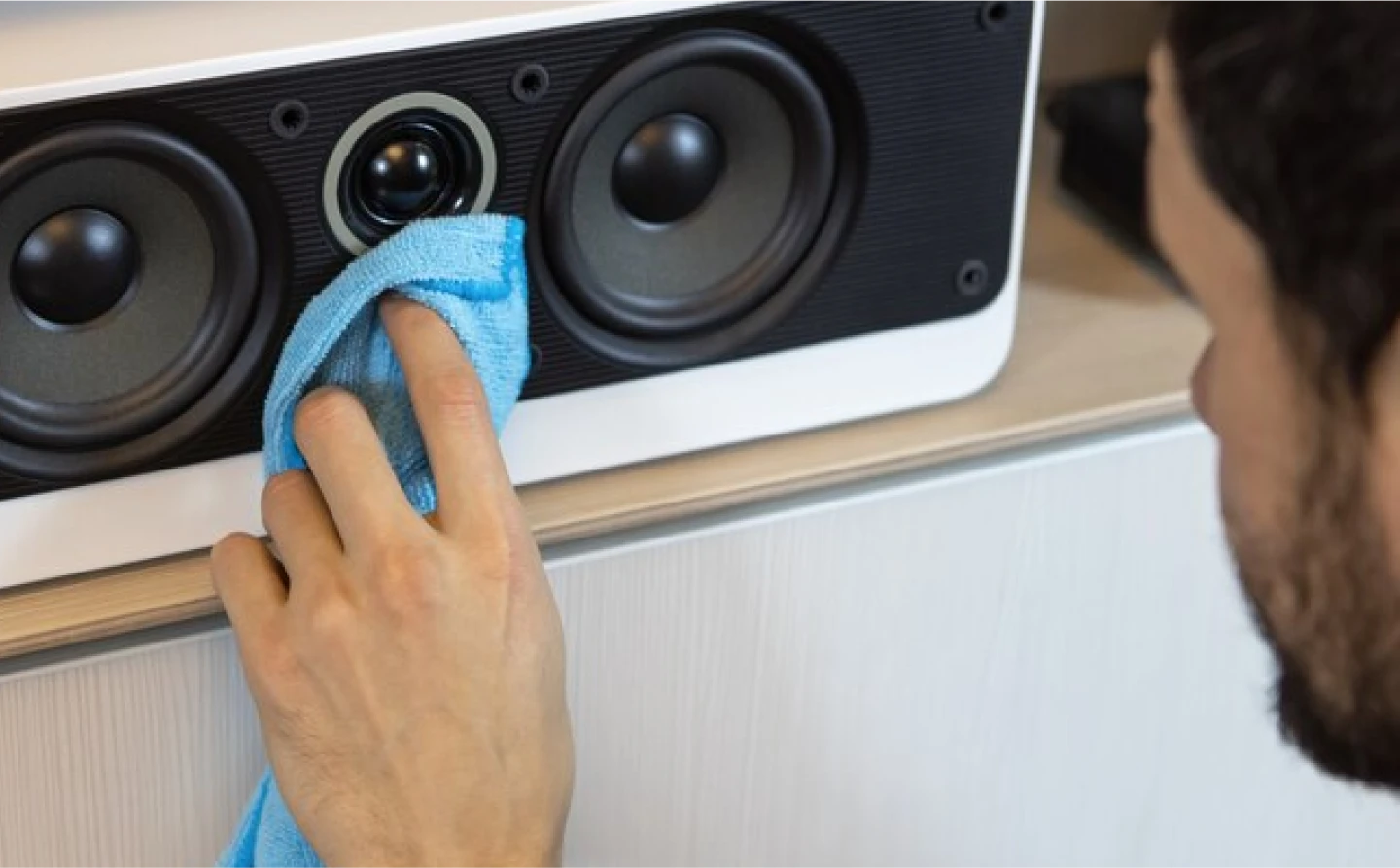
When cleaning your outdoor electronics to remove dust and grime, it’s critical to use non-abrasive, electronics-safe products. Such products ensure that sensitive components are not damaged during cleaning.
Frequency of cleaning based on environment
It’s important to understand how the environment affects cleaning frequency; for example, equipment in coastal areas with salty air may require more regular cleaning than that in a sheltered garden.
Audio Video Outdoors
Seasonal storage for
portable equipment
Proper storage during off-seasons can extend the lifespan of portable audio and video equipment.
Proper packing techniques
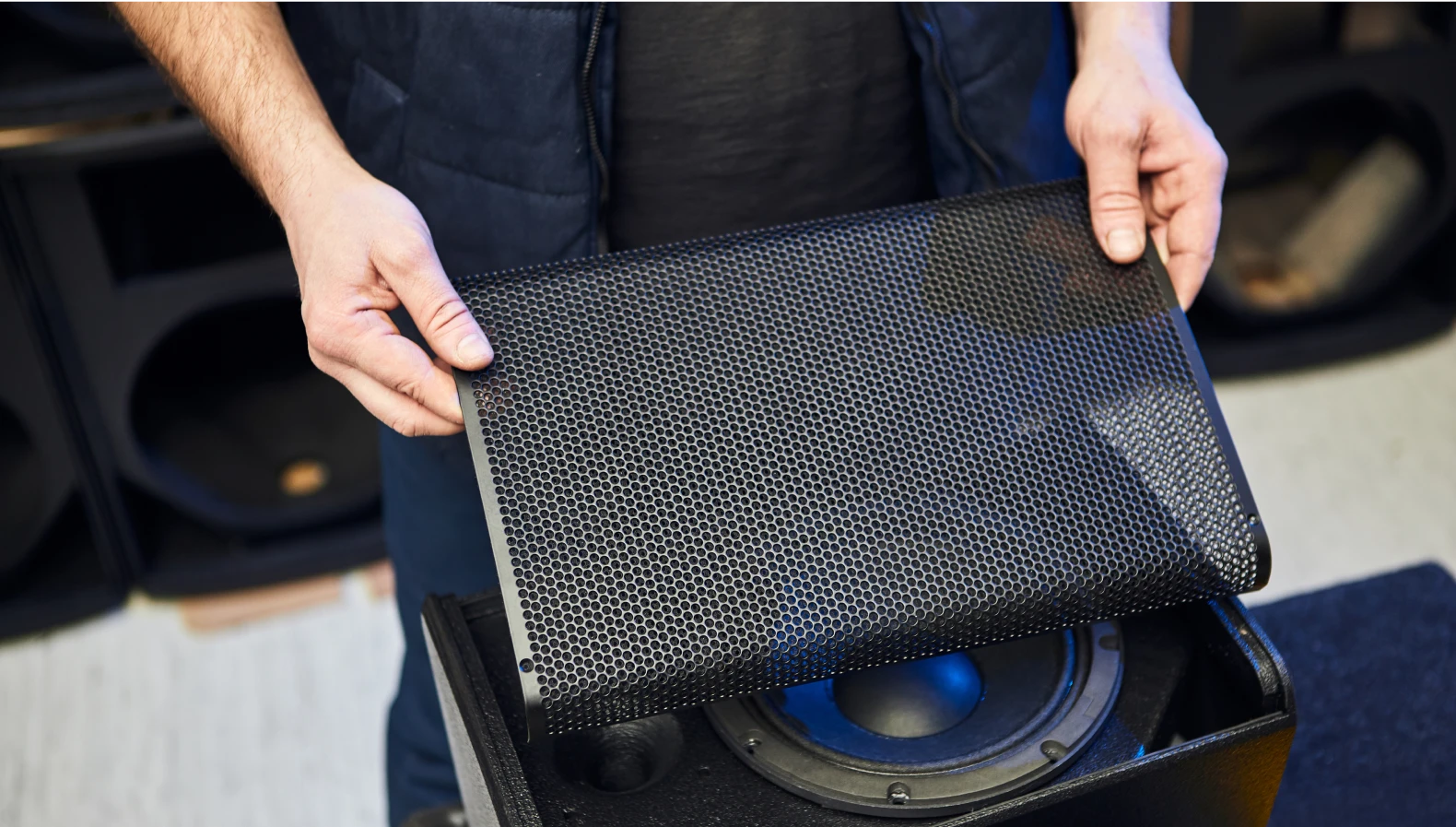
Where possible, always use original packaging for storing portable equipment. If that’s not possible, consider padded cases; they’re best for protecting against bumps and drops.
Climate-controlled storage options
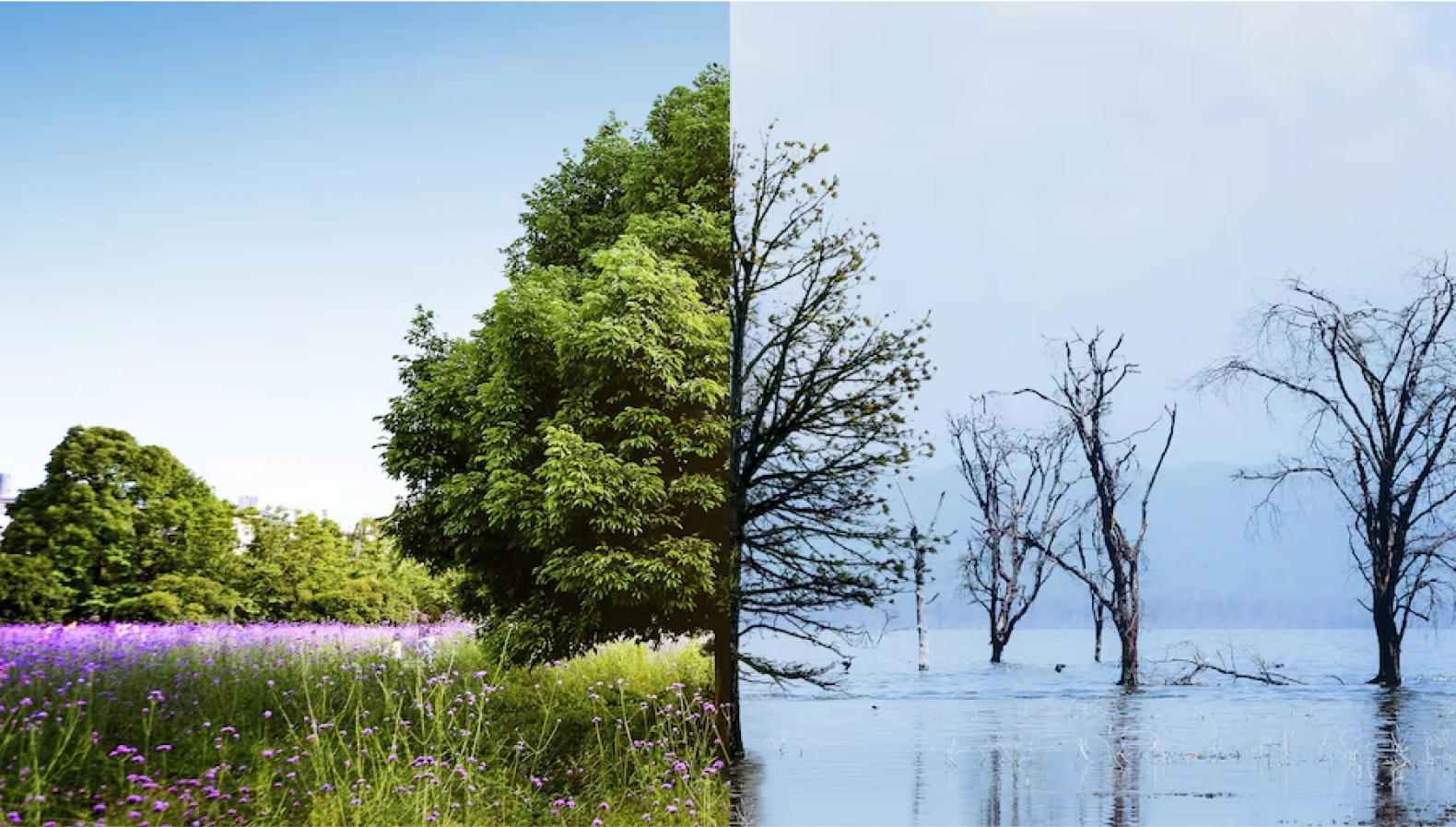
Storing equipment in a climate-controlled environment protects against extreme temperatures and humidity, which can damage sensitive electronics. This is especially important for items with batteries or moisture-sensitive components.
Audio Video Outdoors
Winterizing permanent
installations

If you live in a particularly cold part of the country, it’s a good idea to ‘winterize’ (i.e., protect equipment from winter conditions) your gear.
Covering procedures for snow and ice protection
When it comes to keeping winter conditions out, not any old cover will do: use weatherproof covers and always secure them tightly to prevent any moisture getting in.
Drain and dry protocols for water-exposed components
Even tiny droplets of water can cause extreme damage during the winter (that’s because they freeze and can cause cracks). So it’s super important to properly drain and dry all your electronic equipment before the winter sets in.
Audio Video Outdoors
Routine system
checks
While finding a fault with your outdoor audio and video systems can be alarming, it’s always better to find it early. That’s why routine checks are so important.
Software and firmware updates

Just like your phone and laptop, your outdoor AV systems need regular updates to keep them performing optimally (and to keep them compatible with other devices). You should regularly check to see if there are any updates you could have missed.
Hardware inspections and replacements

Of course, it’s not all about software; you need to check all your hardware for any signs of physical damage, too. Rust, loose connections, and frayed cables can all cause havoc if left untreated!

Budget Considerations

Audio Video Outdoors
Sooner or later, you’re going to have to crunch some numbers and figure out how much your new outdoor entertainment system is going to cost. Here are some things you should take into account.
Audio Video Outdoors
Entry-level setups
Although any audio-video system will set you back at least a little, it’s possible to cut costs and set up a great system on a budget.
DIY options
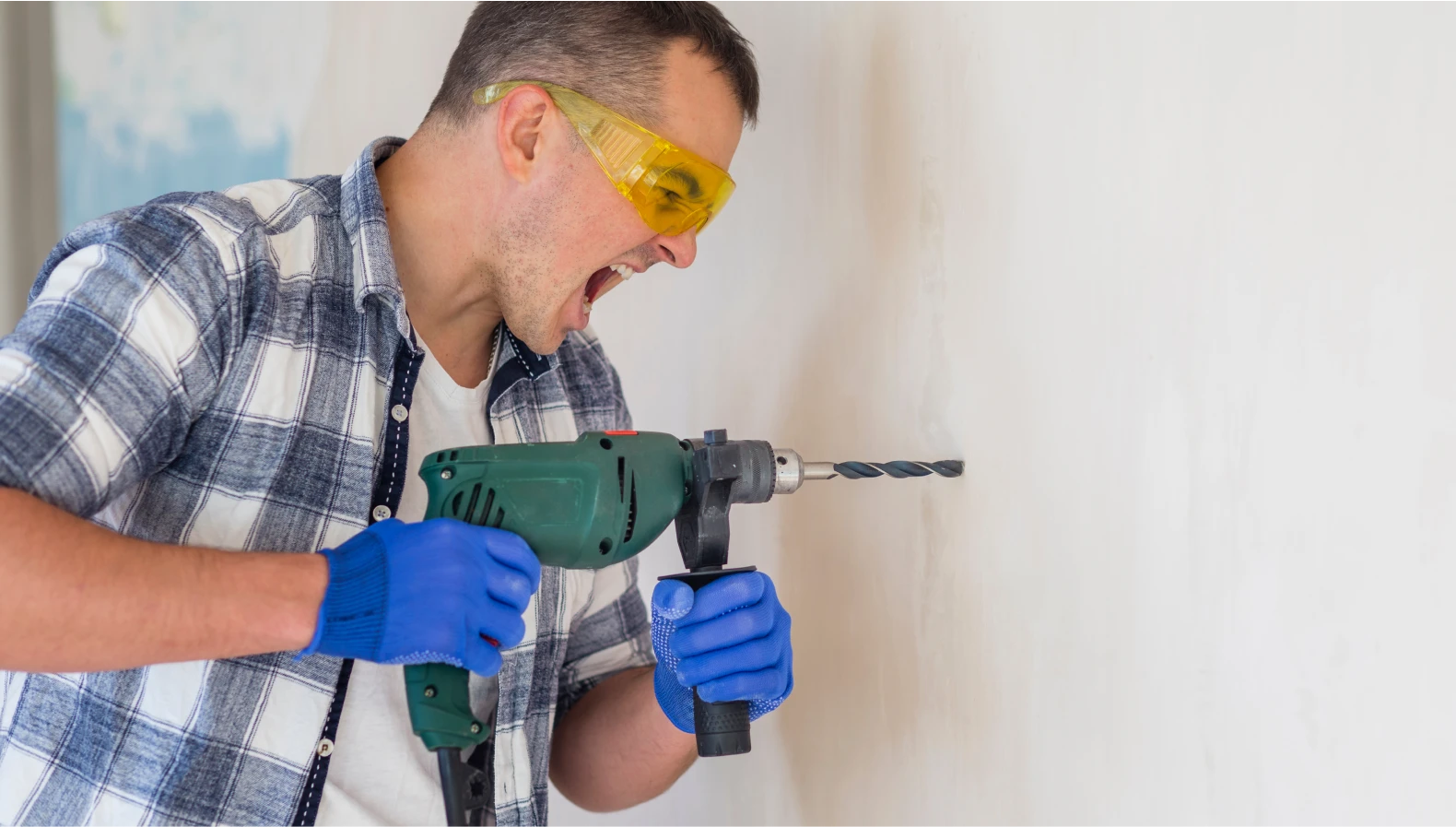
Certain elements (such as wall mounts and cable connections) can be done using readily-available consumer-grade equipment – and at half the price of professional equipment, too.
All-in-one outdoor entertainment systems
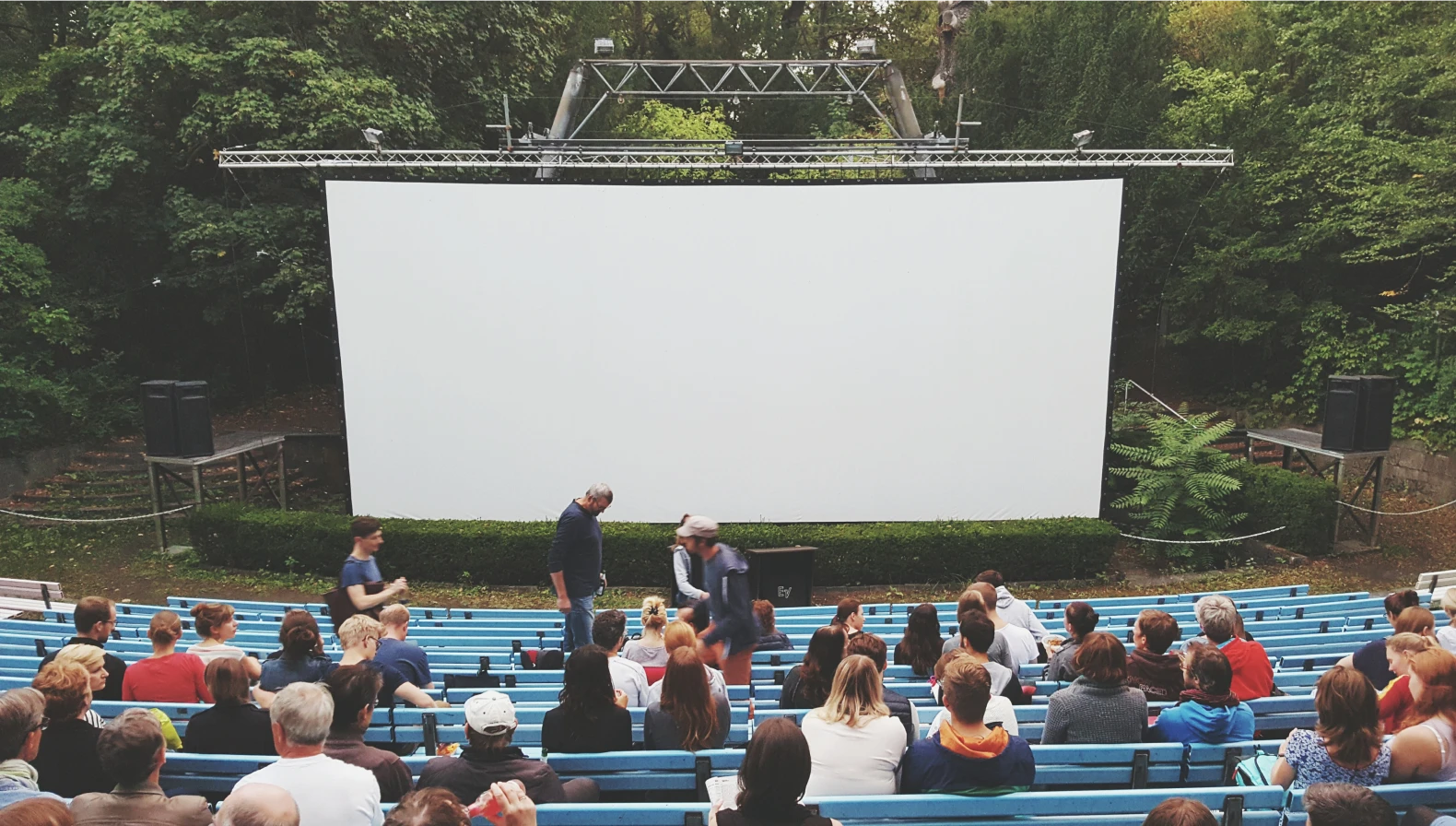
If you don’t have the time to do it yourself, why not consider an all-in-one system? These come with integrated speakers, screens, and media players, are easy to install and require very little in the way of maintenance.
Audio Video Outdoors
Mid-range options
Mid-range options provide a balance between quality and affordability, offering better performance and durability without breaking the bank.
Balancing quality and affordability
Mid-range systems typically feature higher-quality components that offer improved audio and video performance. These systems strike a balance between cost and quality, making them ideal for those who want a more robust setup without a high price tag.
Scalable systems for future expansion
As you’re building, you may want to consider how your system could be expanded in the future. Scalable systems make it easy to add more speakers or screens as needed.
Audio Video Outdoors
High-end custom installations
High-end, custom installations are perfect for creating a fully integrated outdoor living space with top-tier audio and video technology.
Fully-integrated outdoor living spaces
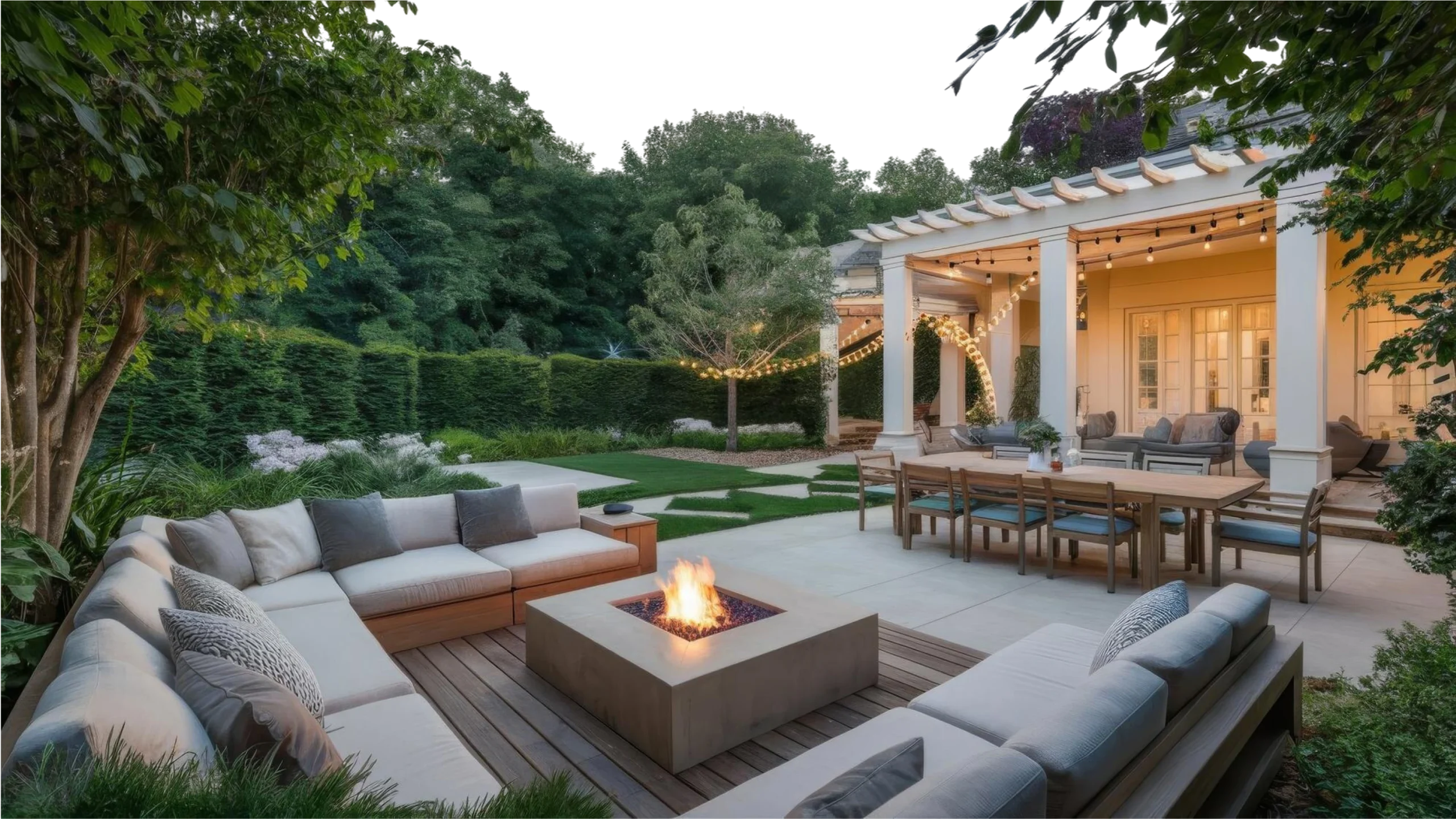
For a truly luxurious entertainment experience, fully-integrated are the way forward. These combine audio, video, lighting, and other amenities for an entirely seamless and tailored viewing experience.
Cutting-edge technology options
High-end systems feature the latest technology, such as 4K ultra-HD displays, surround sound systems, and smart home integration. These options offer the best performance and are designed to withstand outdoor conditions.
Audio Video Outdoors
Cost-benefit analysis
It’s a great idea to conduct a cost-benefit analysis when embarking on your outdoor entertainment system journey. Here are some things to keep an eye on.
Long-term value of weather-resistant equipment
durability • longevity • value
While weather-resistant equipment may have a higher upfront cost, its durability and longevity provide long-term value. After all, you could eliminate the need for all those costly and frustrating repairs.
Energy costs and efficiency considerations
costs • energy-efficient • reduce
Installation and equipment costs aren’t the only expenses; there are running costs, too. One of the best ways to reduce the amount you spend on your outdoor AV system in the long run is by investing in energy-efficient hardware.

Legal & Neighbourhood
Considerations

Audio Video Outdoors
As tempting as it may be to install a multi-screen cinema complex in your garden, there may be legal barriers preventing this. These are in place to ensure that neighborhoods remain peaceful for everyone.
Audio Video Outdoors
Noise ordinances
Keeping noise levels reasonable is a major consideration for your outdoor entertainment.

Understanding local laws
Local noise ordinances vary widely and typically regulate the permissible sound levels during different times of the day. Familiarize yourself with these laws to avoid fines and maintain good relationships with neighbors.
Using sound meters to ensure compliance
A sound meter is a simple and affordable way to make sure you’re enjoying your outdoor sound system within the limits set by your local authority. You can find a list of the best sound meters available right now over at Svantek.

Audio Video Outdoors
Homeowners’ Association rules
Homeowners’ associations (HOAs) often have specific rules regarding outdoor installations, which must be considered during planning.
Navigating HOA approval processes
We all know how complicated approval processes can be, but we’ve found that providing detailed plans and specifications can help facilitate a smoother approval process. And at the end of the day, following HOA guidelines is an essential step.
Compromise solutions for strict HOAs
Strict rules don’t have to mean an end to your outdoor AV system dream; compromising with things like lower-profile speakers and camouflaged screens may be a great way to compromise on aesthetic and noise concerns.

Audio Video Outdoors
Permits for permanent
installations
If you’re considering a permanent installation, you may require a permit.

Electrical work permits
Electrical work for outdoor setups often requires a permit to ensure it meets safety standards. Hiring a licensed electrician can help navigate these requirements and avoid potential hazards.
Structural modifications for mounting equipment
Structural modifications, such as installing mounts for TVs or speakers, may also require permits to ensure stability and safety. These permits are for your benefit as much as your neighbors’ – after all, you don’t want your brand new outdoor TV collapsing on you!

Audio Video Outdoors
Privacy concerns
Privacy is a consideration both for you and your neighbors. Ideally, you want to minimize impact for both parties.
Screen placement to avoid disturbing neighbors
Be strategic with where you place your screens. Consider whether your neighbors can see them, especially in closely packed residential areas.
Sound directionality to minimize audio bleed
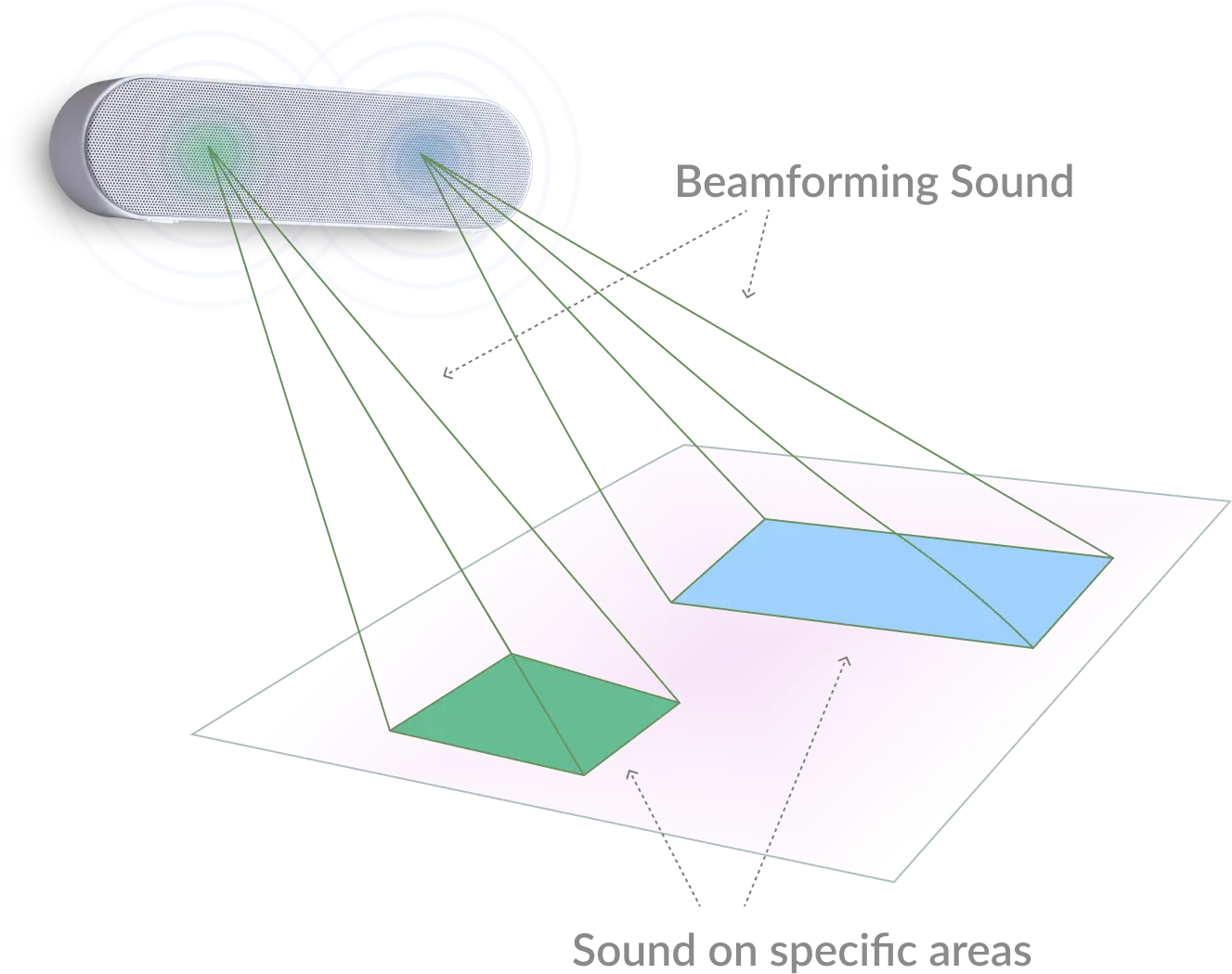
Using directional speakers can help focus sound on your property, minimizing audio bleed into neighboring spaces. This approach ensures that you can enjoy high-quality audio without disturbing those around you.

Future Trends in
Outdoor AV

Audio Video Outdoors
Luckily for us, the future of AV systems looks bright. New innovations and technologies are making the outdoor entertainment experience better than ever before.
Audio Video Outdoors
Advancements in
weatherproofing technology
Remember our earlier discussion about the necessity of protecting your outdoor AV gear against the weather? Well, new innovations are making this easier than ever.
New materials for extreme durability
Today, there are many options for newly-developed high-resistance materials. These protect against corrosion, UV damage, and extreme temperatures, extending the life of the equipment.
Self-healing coatings for electronics
Self-healing coatings are a revolutionary technology that allows minor scratches and damages to repair themselves over time. These coatings are especially beneficial for outdoor electronics, providing additional protection against environmental wear and tear.
Audio Video Outdoors
Integration with smart
home systems
Imagine an electronic home ecosystem that’s entirely integrated for the ultimate entertainment experience. Well, that future is arriving.
Voice-activated outdoor environments
Control your entire outdoor AV system using only voice commands. Sounds far-fetched? Well, voice-activated tech is already transforming audio, video, and lighting solutions across the world.
AI-powered optimization for outdoor conditions
Now we’re getting really futuristic. AI is transforming home entertainment systems by automating major settings – for instance, by adjusting light levels on your screen for optimal viewing.
Audio Video Outdoors
Improvements in
outdoor display technology
Outdoor displays have traditionally suffered from glare and other problems. But not anymore; modern outdoor screens provide clearer, more vibrant images.
Micro-LED displays for sunlight visibility

Micro-LED displays are becoming popular for outdoor use due to their high brightness levels and energy efficiency. What’s more, these displays offer improved visibility even in daylight.
Flexible and rollable screens
There’s a whole new world of possibility for outdoor entertainment with flexible screens. These screens can be rolled out when needed and retracted when not in use, providing a versatile solution for various outdoor environments.
Audio Video Outdoors
Emerging audio technologies
Innovative audio technologies are enhancing the outdoor listening experience by providing high-quality, customizable sound.
Beamforming speakers for targeted audio
Beamforming speakers use advanced technology to direct sound waves precisely to specific areas. Not only does this improve audio setups for the viewer, but keeps the neighbors happy, too
Bone conduction for personal listening in shared spaces
Yes, they exist: bone conduction technology allows users to listen to audio through vibrations on their skull, providing a private listening experience without using traditional speakers or headphones.

Conclusion
Audio Video Outdoors
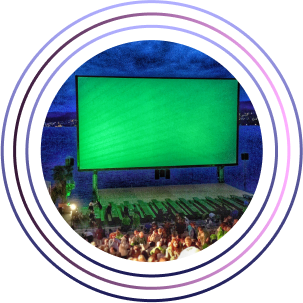
For those of you looking into constructing your own outdoor entertainment lounge, the options have never been better. With advancements in weatherproofing, smart home integration, and display and audio technologies – as well as developments in aesthetic possibilities – it’s easier than ever to make the outdoor AV entertainment setup of your dreams

But getting your setup up and running is not without its difficulties. Here, we’ve taken a deep dive into all the things you need to take into account when planning your AV system. From weatherproofing to neighbor-proofing, hopefully we’ve cleared up a few things and answered all your burning questions.
All that remains now is for you to get started – so happy watching!
How much does it cost to install an outdoor entertainment system?
A complete outdoor entertainment system typically ranges from $3,000 to $15,000, depending on the equipment quality and installation complexity. Basic audio-only setups start around $1,500, while high-end systems with weatherproof TVs and surround sound can exceed $20,000.
What's the best type of TV to use outdoors?
Purpose-built outdoor TVs like those from SunBrite or Samsung’s Terrace line are optimal, as they’re designed to handle glare, moisture, temperature changes, and dust. Regular indoor TVs, even if covered, aren’t recommended as they lack proper weatherproofing and bright-screen technology for outdoor viewing.
Do I need special speakers for outdoor use?
Yes, outdoor speakers must be weather-resistant and rated for exterior use. Look for speakers with an IP (Ingress Protection) rating of at least IP65, which ensures protection against dust and water exposure. Popular options include rock speakers, mounted speakers, and in-ground subwoofers.
Will my outdoor entertainment system affect my neighbors?
Sound travels differently outdoors, so proper speaker placement and volume control are crucial. Consider directional speakers aimed toward your seating area and away from neighboring properties. Many systems also offer zone control to maintain appropriate volume levels.
Can I leave my outdoor entertainment equipment installed year-round?
While quality outdoor equipment is designed for year-round installation, you may want to cover or remove certain components in extreme weather conditions. Areas with harsh winters might require additional protection or seasonal storage for some components.
Do I need special wiring for outdoor audio and video?
Yes, outdoor entertainment systems require weather-resistant wiring and proper conduit installation to protect against moisture and temperature fluctuations. All electrical connections must be properly sealed and should comply with local building codes for outdoor installations.
What's the best way to control an outdoor system?
Modern outdoor systems can be controlled through weather-resistant remotes, smartphone apps, or whole-home automation systems. Consider a weatherproof storage box near your seating area to protect remotes and other control devices.
How can I reduce glare on my outdoor TV screen?
Position your outdoor TV away from direct sunlight when possible. Consider installing it under a covered patio or pergola. If that’s not feasible, choose a TV with high nit brightness (at least 1,000 nits) and anti-glare technology specifically designed for outdoor viewing.