
The Impact of
Home Theaters on
Property Value
A Comprehensive Guide
Get into your comfy clothes, grab a bowl of popcorn, and dim the lights: it’s movie time! But rather than hopping into the car and venturing to the local theater, why not enjoy the latest blockbusters from the comfort of your own home?
Most homes have a family room or den where loved ones gather to catch up on their days or to simply kick back and relax – however, not every property has a home theater.
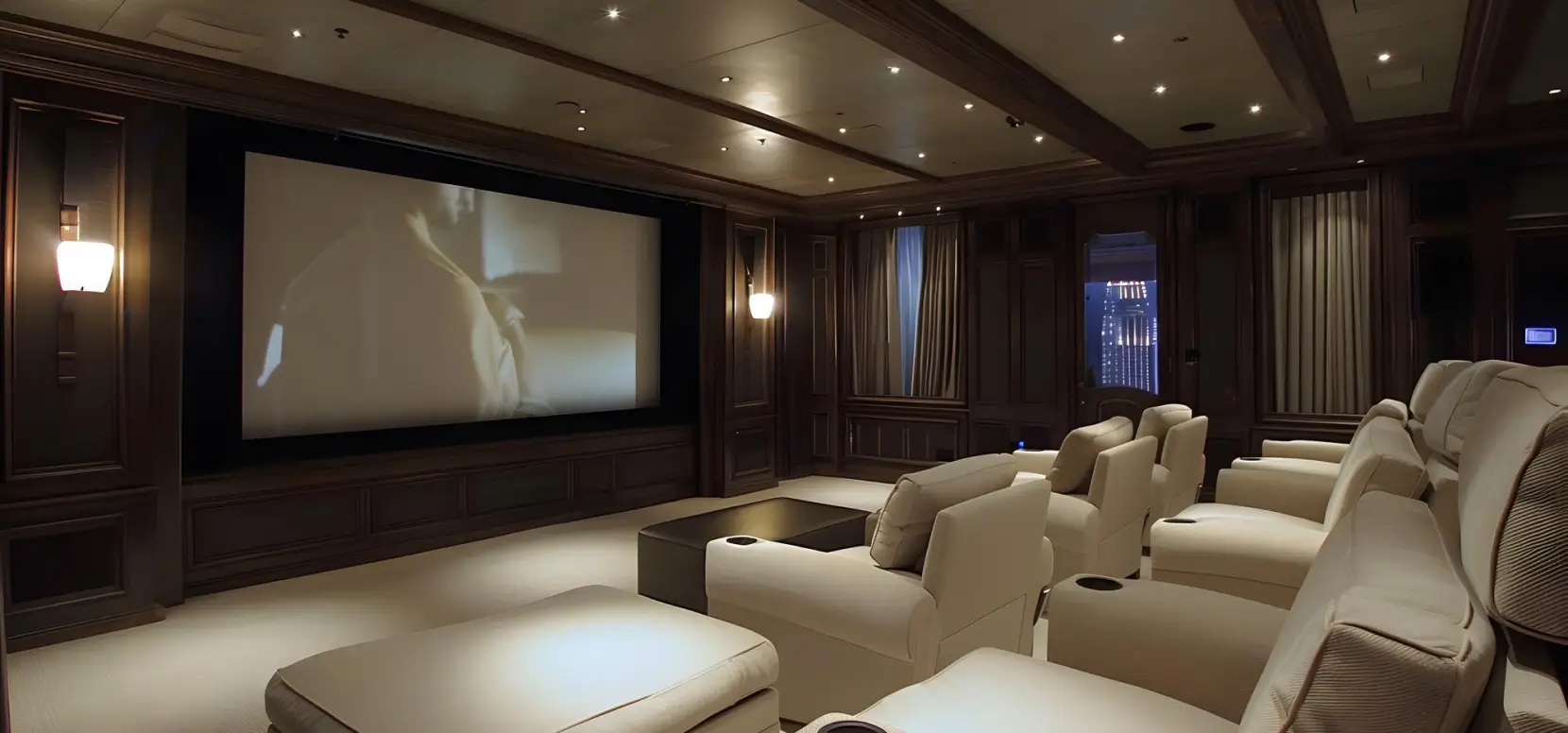
Typically separated from the rest of the property, home cinemas are optimized for a professional theatrical experience. This involves technology such as surround sound systems, projectors or large screens, special overhead lighting, and, of course, luxury home theater seating.

Today, over 40% of US households have a theater setup, a number that has rapidly grown since the COVID-19 pandemic, as more homeowners enjoy the safety and comfort of watching their favorite movies indoors. But if you’re planning for a future resale, does the development of a dedicated media room enhance your home’s value?

over
of us household have a home theater setup
Although adding a home theater doesn’t guarantee a huge return on your initial investment, it can enhance both the appeal and value of a property in specific markets, for buyers with certain needs and preferences. We’ll explore what and who these markets and buyers are in this article, while considering the potential value that home movie theaters can add to your property.
The Rising Popularity of
Home Theaters
The Impact of Home Theaters on Property Value

Home theater dealers have predicted a 3.5% increase in business for this year, according to CE Pro’s 2024 Home Entertainment Deep Dive Survey. But why is this? Here are two reasons that explain the growing adoption of home movie theaters today:

The Role of Streaming Services
The Impact of Home Theaters on Property Value
Home movie theaters offered the perfect way to combat the boredom of being locked in our homes in the wake of the COVID-19 pandemic. Film enthusiasts wouldn’t have to compromise their safety to catch the latest releases, including high-grossing movies like Tenet, Wonder Woman 1984, A Quiet Place Part II, and Godzilla vs. Kong.

Top movies enjoyed safely at home during COVID-19
Tenet
Wonder Woman 1984
A Quiet Place Part II
Godzilla vs. Kong

The Shift from Cinemas to At-Home Entertainment
Before the pandemic, trips to the movies were incredibly popular, with almost 1.23 billion tickets sold throughout the US and Canada in 2019. This figure rapidly dropped to just 220 million in 2020 as the pandemic took hold, providing more opportunities for the adoption of at-home entertainment solutions.
Streaming Services Redefine Movie Premieres
Rather than waiting until theaters reopened, many of these movies premiered on streaming services such as Netflix and HBO Max, marking a departure from traditional launch windows to direct-to-streaming releases. Netflix and Amazon Prime Video also saw this as a chance to produce original content that would both engage existing customers and encourage new subscribers.

The rising popularity of home theaters today can be partly attributed to the growing adoption of these streaming services, with 99% of all US households paying for at least one or more as of 2024. These services offer a convenient and affordable way for consumers to access new TV and movie content right from their front rooms.

AS OF 2024
of us household PAY FOR AT LEAST ONE STREAMING SERVICE.
Technological Advancements
The Impact of Home Theaters on Property Value
The popularity of home theaters also comes courtesy of advancements in technology, including immersive surround sound systems.
90% of movie theater providers said that they installed 6+ speakers in home entertainment spaces, compared with 74% last year. Wireless speaker systems that require less extensive cabling are also becoming more commonplace in homes, helping to maintain a cleaner, less obtrusive look.
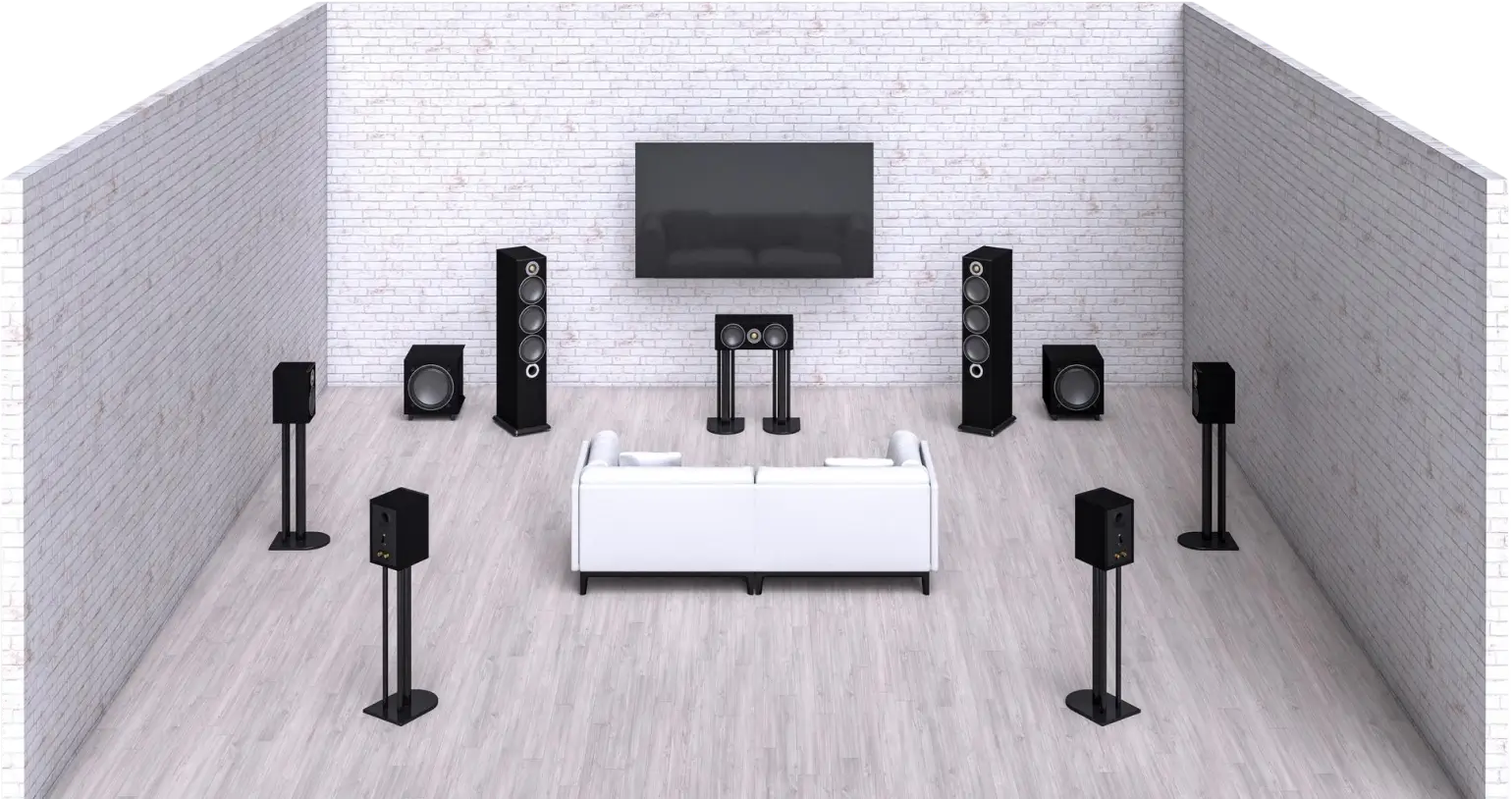
90% of theater providers now install 6+ speakers, up from 74% last year.


Video technologies such as MicroLED displays create brighter, more accurate high-contrast images that facilitate quality movie watching no matter the lighting conditions. They’re also much more energy efficient than traditional LCD displays, which is hugely beneficial for eco-conscious homeowners looking to tackle the cost of rising electricity bills.
8K TVs and projectors are also replacing lower-resolution 4K models, which add depth to images and create an even more immersive viewing experience from the comfort of our homes.
The Effect of Home
Theaters on Property Value
The Impact of Home Theaters on Property Value

Whether you’re planning on selling in the near future or simply wish to make your property more desirable, you may be wondering whether adding a home movie theater is a cost-effective, worthwhile move.

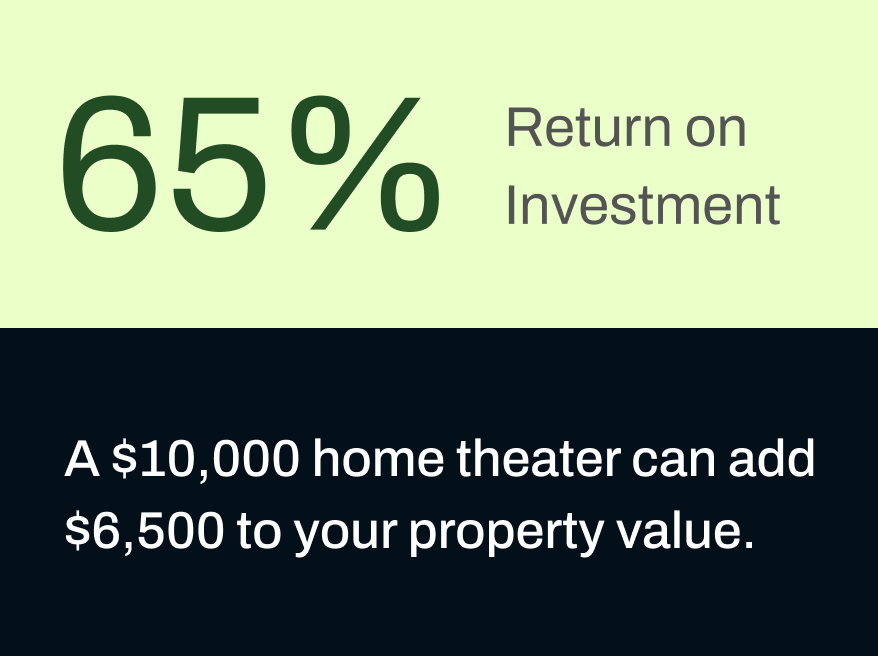
While there’s no exact figure agreed on by real estate professionals when it comes to property value, the addition of home theaters typically returns approximately 65% of the initial purchase and installation cost. This means that a movie theater system costing $10,000 could add around $6,500 to the value of your home.
However, the impact that installing a home movie theater has on a property’s value isn’t always consistent or straightforward. The 65% return on investment figure could be higher or lower, based on the following factors:
The Space Used
The Impact of Home Theaters on Property Value
Although some appraisers consider only the finished space, and not the movie equipment itself, others may only include the theater in a home’s valuation if it’s a dedicated space with a high-end installation.
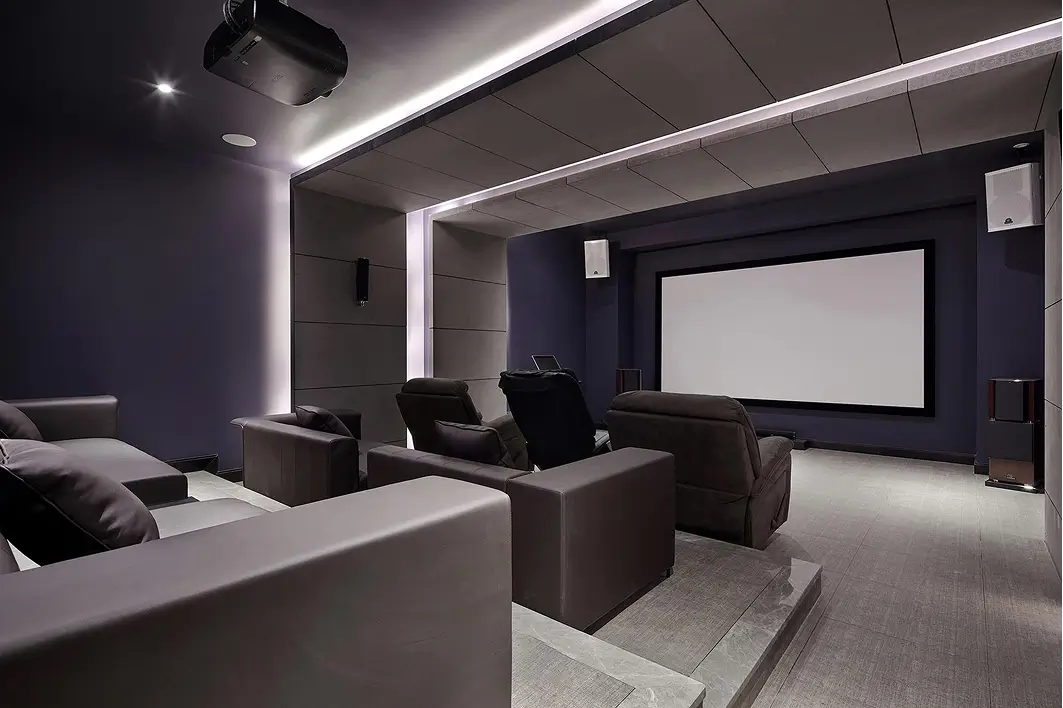
Despite this unpredictability, one factor that’s always considered crucial is the quality of the space used. A room with some seating and a TV screen may be classed as a home cinema, but if it’s decorated poorly or lacks high-tech equipment, it’s unlikely to add much value to the property.
Luxury Design Features That Boost Home Value

Ambient
lighting

High-quality
upholstery

Power-recliner
seating
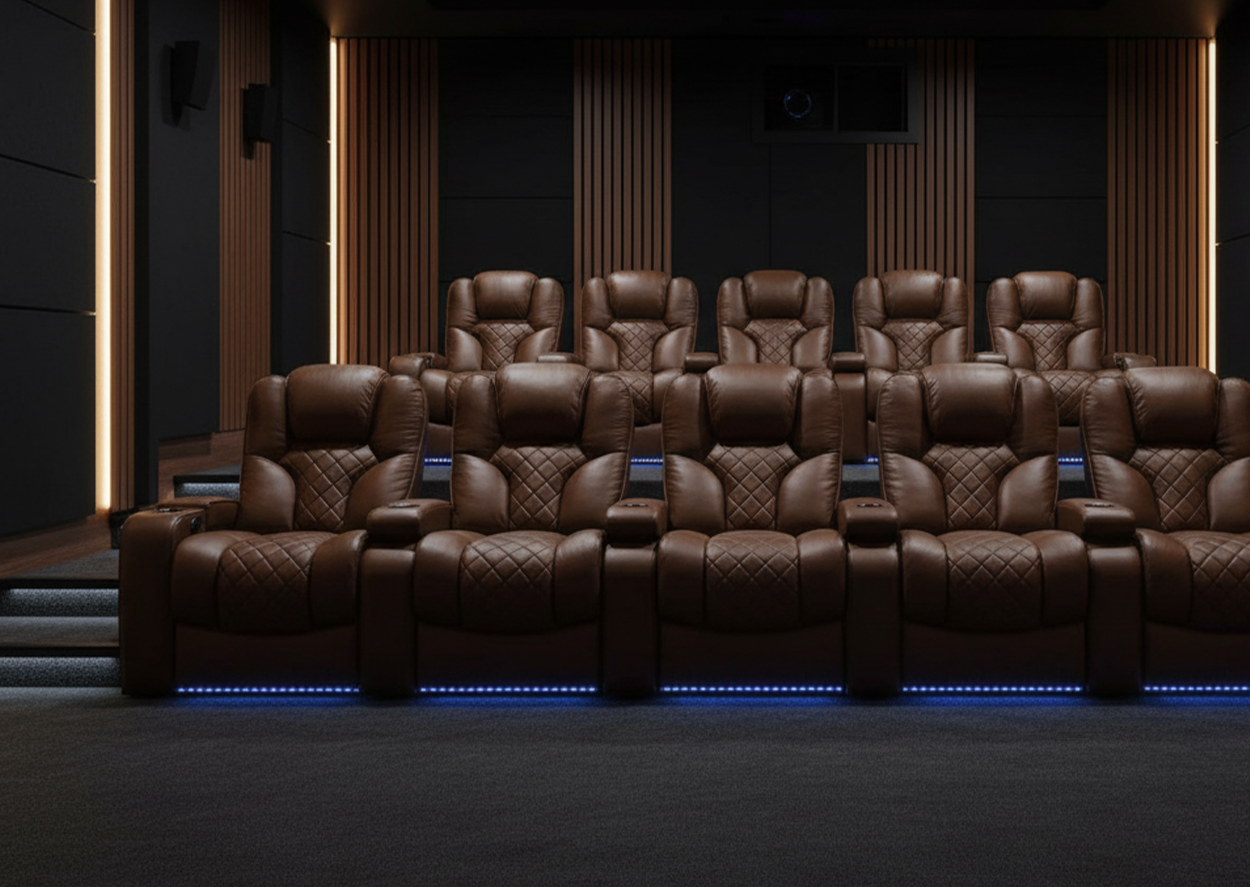
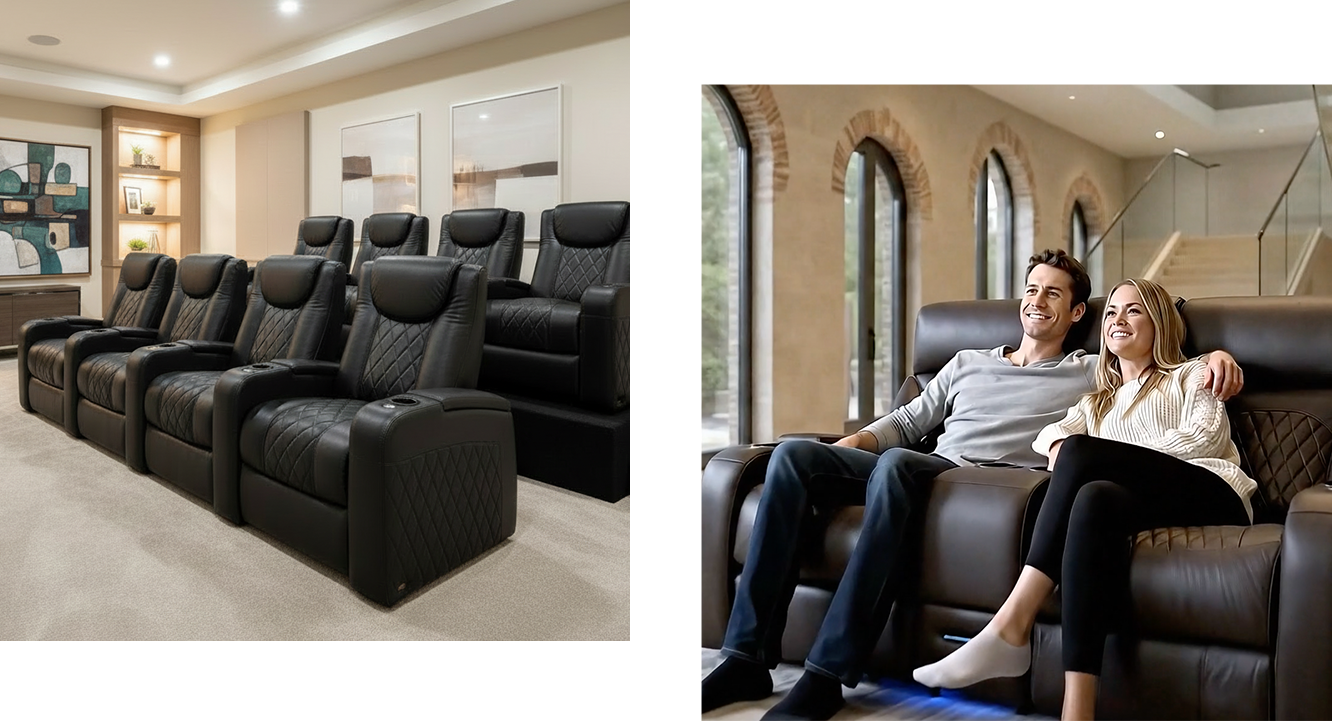
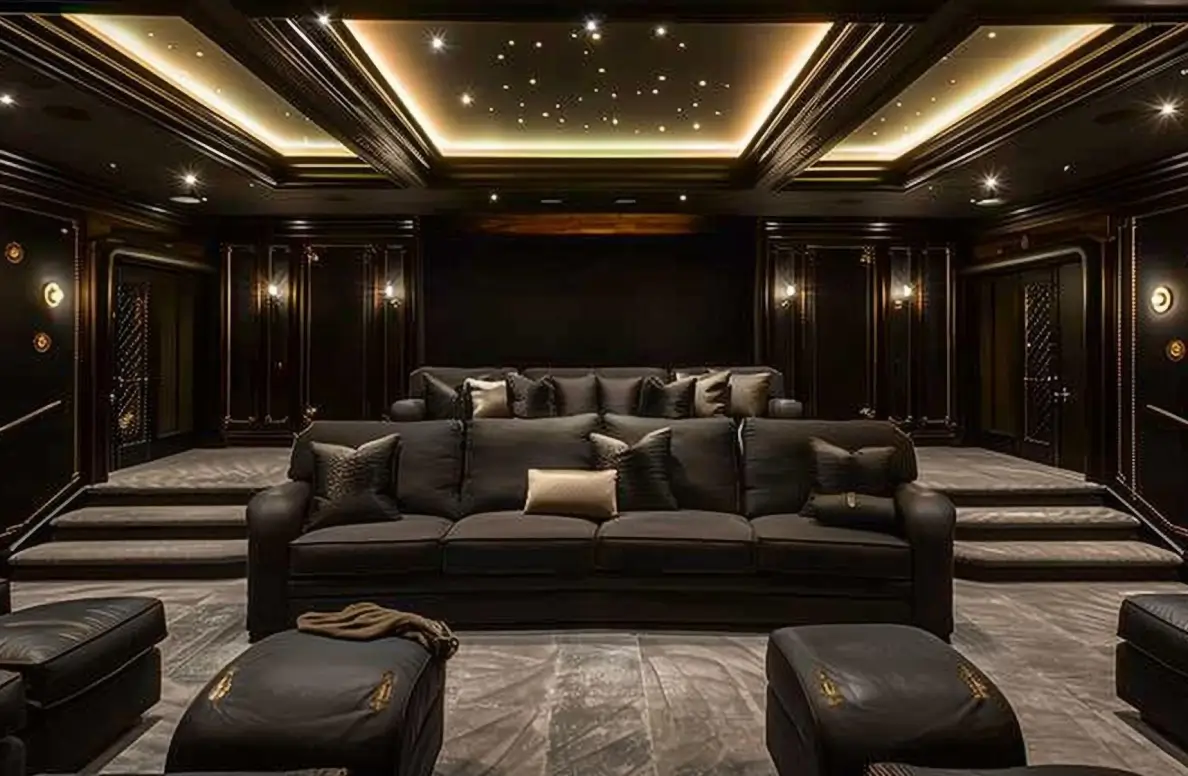
Great lighting, high-quality upholstery, and rows of power-recliner theater seating are all practical, yet luxurious design touches that contribute to your home’s value.
The location of the theater within your home can also affect its valuation. Home theaters located in basements will generally be valued at a lower rate, since they are considered a below-grade room. Those situated in above-grade spaces like living rooms are likely to have a higher value per square foot.
Your Local Area
The Impact of Home Theaters on Property Value
Another factor that impacts how much value home movie theaters add to a property is the area you’re based in.
Home Theaters A Unique Feature for Buyers
Home theaters are generally seen as a ‘black-and-white’ upgrade; this means that they’re either an imperative feature expected by buyers, or they’re seen as a complete deal-breaker for those who would prefer an empty, more versatile space to decorate themselves.

A dream feature for movie enthusiasts.
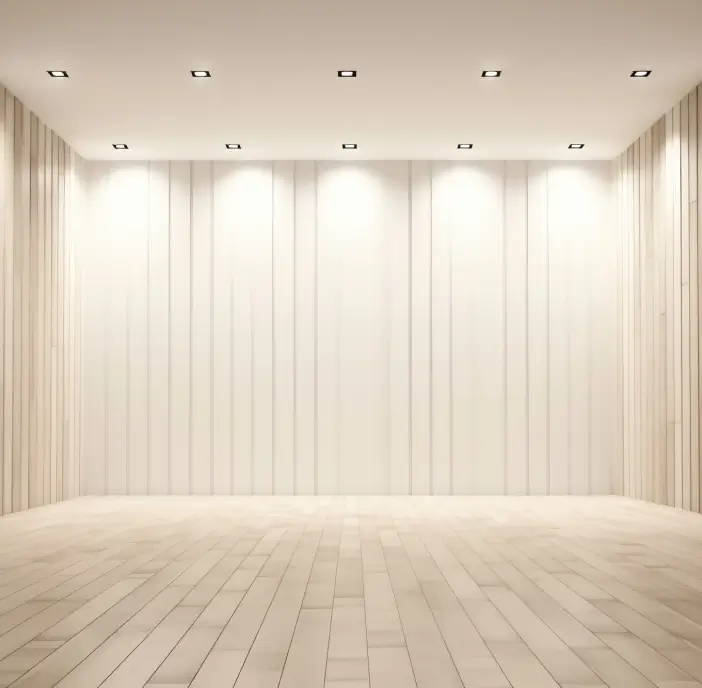
A blank slate for personal creativity.

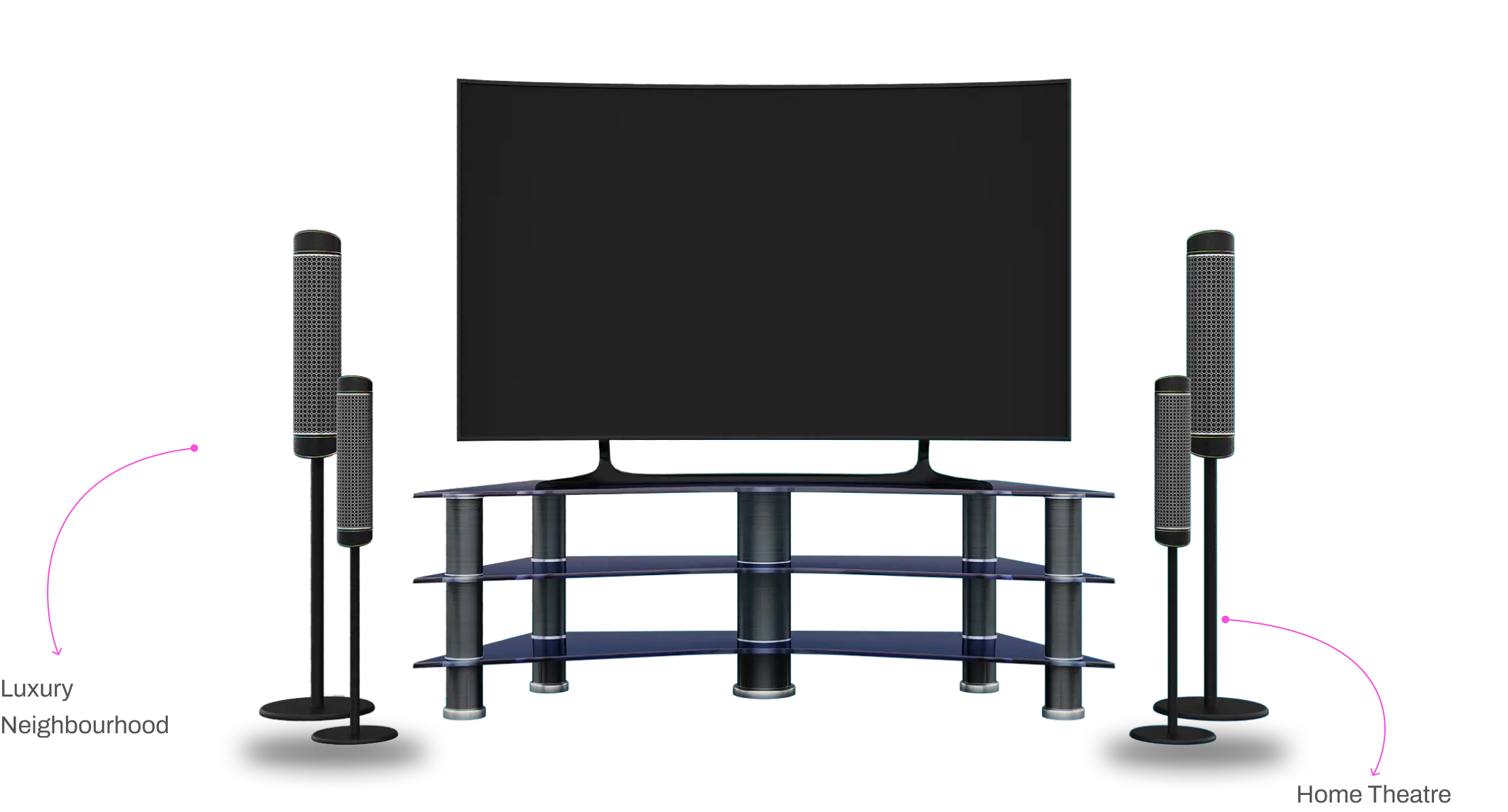
The first scenario is common in higher-end neighborhoods with more luxury properties. Homes situated in these neighborhoods without a movie theater may be at a disadvantage in terms of value, since most other local properties will include this feature as standard.
Perceived Property Value
The Impact of Home Theaters on Property Value
The points above consider the actual financial value of a property, referring to the price that it will sell for on the market. However, home theaters may also have a higher perceived value within certain markets or for specific demographics.
Why Buyers Love Home Theaters
As we’ve already mentioned, affluent consumers with higher budgets looking for luxury properties are likely to value properties more highly if they include a home theater. Entertainment-focused buyers looking to create the perfect home theater setup will also be more drawn to properties that already have the latest entertainment technology installed.
Affluent Buyers

Prioritize properties with luxury features like home theaters.
Entertainment Enthusiasts

Seek homes with cutting-edge entertainment technology.
Home Theaters Appeal Across Generations
Other key demographics that are often interested in home theaters include families with children and older generations. Properties with rooms marketed as home theaters offer a great form of entertainment to keep young ones occupied, while also appealing to older people who may not get out to visit the movie theater as often as they’d like.


Types of Home Theaters
and Their Value
The Impact of Home Theaters on Property Value
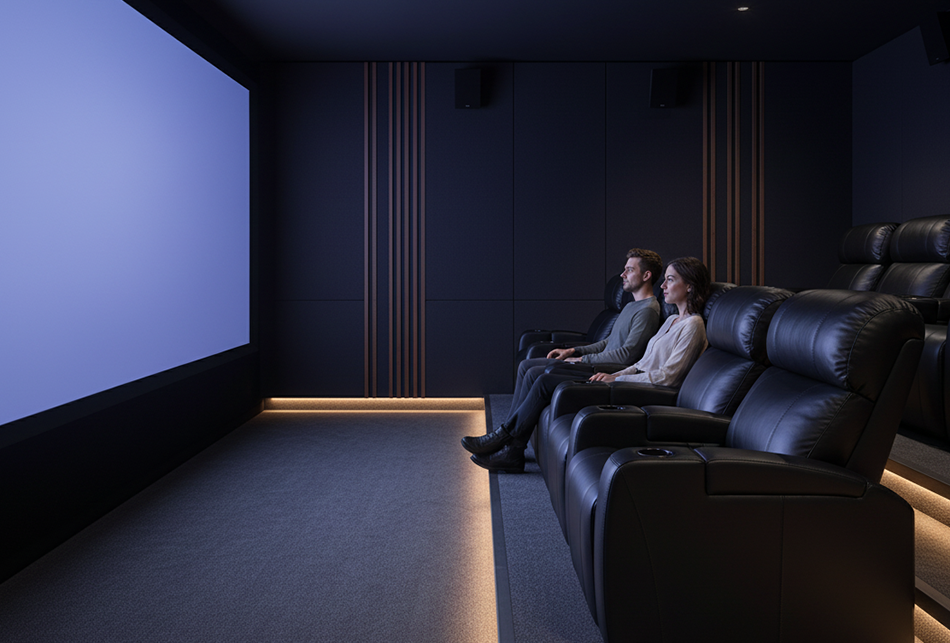
Another key factor that impacts the potential value added to a property is how a home theater is built. For those whose dream is to watch the latest movies in comfort and style at home, dedicated home theater rooms are a natural choice.

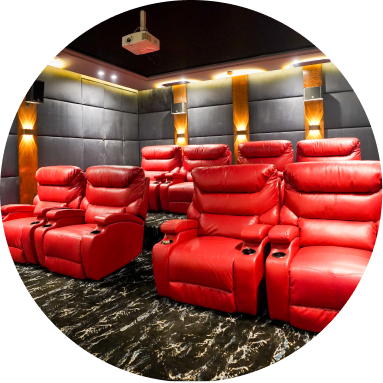
PREMIUM
SEATING
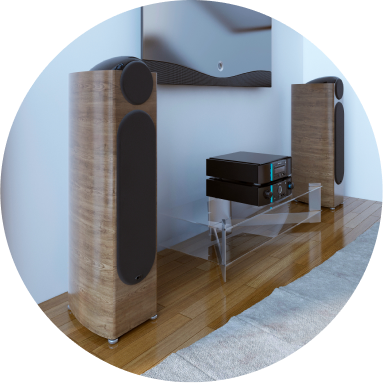
Acoustic
Treatments
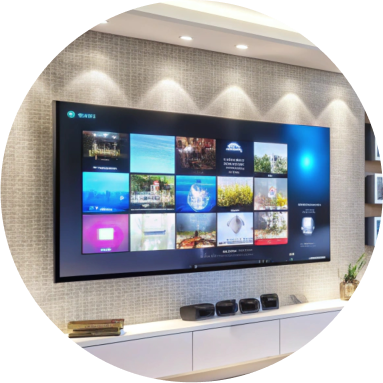
Large
Projectors
These fully built-out rooms include rows of premium theater seating, acoustic treatments that enhance the sound of music and dialogue, and large projectors that recreate the real big-screen movie experience.
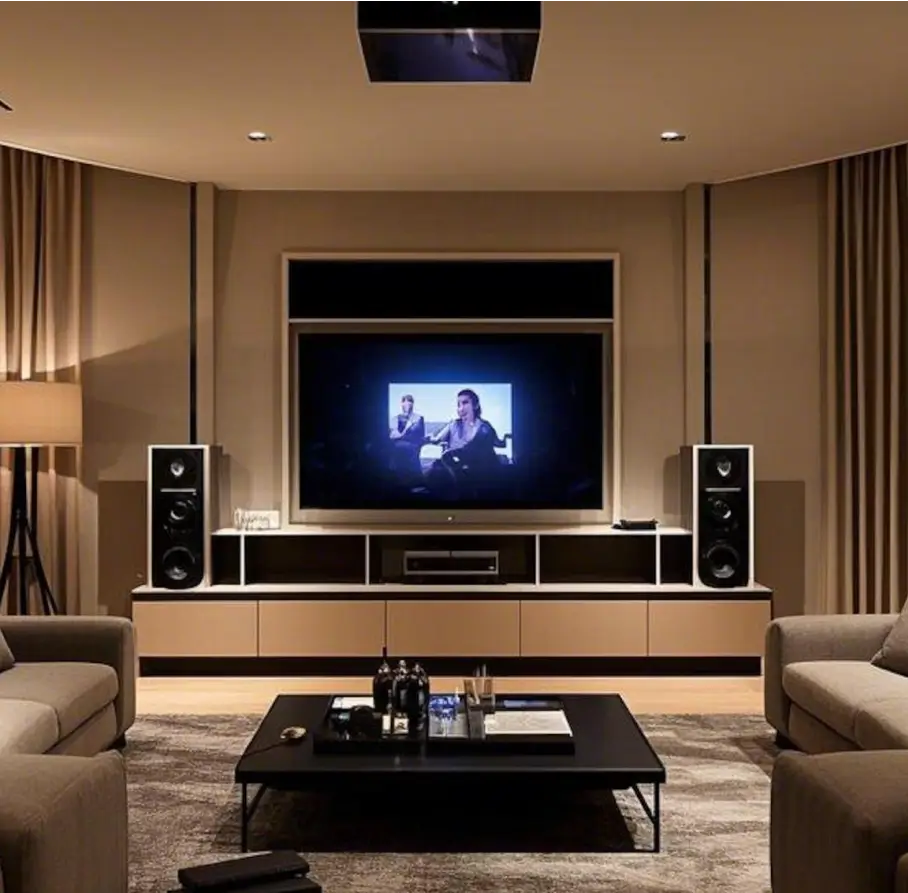
Media rooms offer a less immersive viewing experience, featuring more casual seating arrangements plus flat-screen TVs and basic sound systems for a more low-key vibe. This setup is ideal for watching sports, video gaming, hosting parties, and simply relaxing during the day, making it more of a versatile space that can be used for multiple purposes.
Another key difference between the two home theater types is the building process; dedicated theaters often need more upgrades to create closed-off, dark spaces that facilitate uninterrupted movie screenings. Common improvements include:
Whether a dedicated or multi-purpose room will add more value to your home depends on current market conditions.
How Dedicated Theaters Differ in Construction
1. | Built-In Speakers
2. | Blackout Paneling
3. | Soundproofing
4. | Raised Floors
5. | Powered Seating
6. | Room Expansions
AS OF CE Pro 2024 research
jobs in home entertainment are increasing with a focus on projection systems.
Right now, dedicated home theater rooms are seeing a revival in terms of their popularity. CE Pro 2024 research found that jobs for home entertainment dealers are incorporating more projection systems and loudspeakers, which are essential for fully built-out rooms.
This rising adoption means that dealers made an average of $62,500 on dedicated home theater projects, which is a 43% increase from last year’s $43,750 median. In contrast, fewer jobs focused on smaller, multipurpose media rooms, with dealers completing five dedicated projects for every one media room.
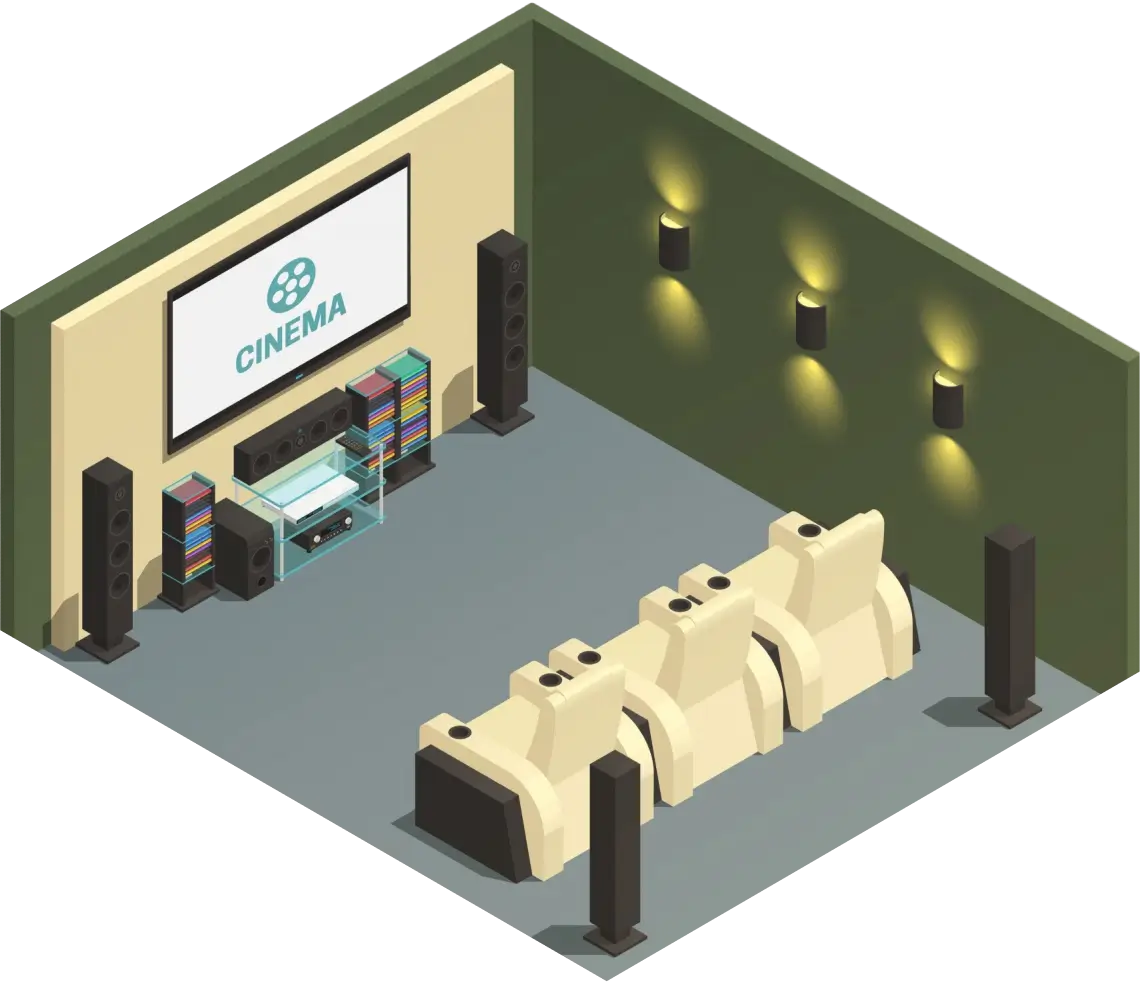
Average Revenue from Home
Theater Projects in 2024
A 43% increase from last year’s $43,750 median.
However, as we’ve mentioned, dedicated theater rooms are consumer-specific; particularly in smaller houses, potential buyers may see them as taking up too much valuable space compared to media rooms that can easily be converted or serve multiple purposes.
The value therefore also relies on the specific market demand within your local area, as well as the demographics of the buyers your property attracts.
Financial Considerations:
Costs and ROI
The Impact of Home Theaters on Property Value

Along with value, one of the key financial considerations for any homeowner looking to install a home theater room is the expense. This is particularly important for those with tighter budgets, who may be relying on a good return on their investment to recoup any initial expenditure when selling the property.

Initial Costs
The Impact of Home Theaters on Property Value
The initial costs of building and installing a home theater vary based on the equipment chosen, the size of the room, decorations, and whether the room requires any restructuring.

Equipment

Room Size

Decorations

Restructuring

A simple setup that operates just as a TV or media room could cost as little as $500, which covers only the price of the projector or TV screen. This is likely to contribute less value to your property, since it may not be classed as a dedicated movie theater room.
If you’re adding a whole new room, the initial expenses may also include an increase in your homeowners insurance, based on the extra square footage.
On the other end of the scale, fully immersive theaters are generally priced anywhere from $10,000 to $30,000. Costs can also reach as high as $50,000 to $60,000 for those complete with luxury decorations such as fireplaces, as well as state-of-the-art surround sound systems, TVs, top-of-the-range seating, and movie screening equipment.
Basic IMMERSIVE Setup
$10k-$30k

LUXURY SETUP
$50k-$60k
Return on Investment
The Impact of Home Theaters on Property Value
Return on investment (ROI) is a ratio that helps to measure the profitability of an investment. This can be calculated by comparing the financial value that a home movie theater adds to your property when being sold with the costs of your initial investment.

As we’ve already mentioned, the figure for most home theater ROIs sits at around 65%. However, there’s no one-size-fits-all value, since ROI varies depending on:
01 Your Local
Area
Properties in areas where no other homes for sale include home theaters may have a competitive edge. On the other hand, they may not be valued as highly in affluent neighborhoods, where home theaters are a key expectation.


02 Housing
Supply
When the demand for properties outweighs the supply, they often sell at prices higher than the appraised value, with or without a home theater.
03 Level of
Upgrades
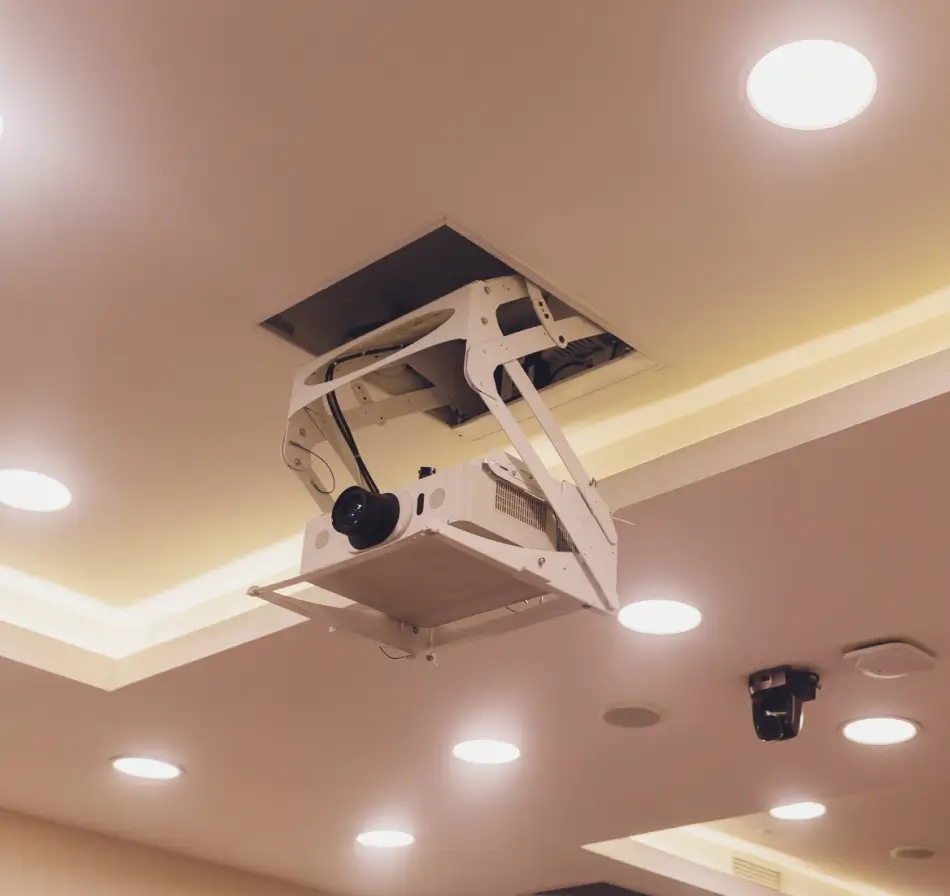
Although bigger upgrades such as installing a whole new lighting system or rewiring the power supply may be expensive, they often offer a higher ROI by adding more resale value to your home. However, technology quickly becomes outdated, which negatively impacts the perceived value of your home theater.
Laura Snyder, a Baltimore-based real estate agent for American Premier Realty, suggests that many homeowners are unlikely to see a high ROI. In terms of increased property value, she often only takes high-end, completely dedicated home theaters into account, although this can vary from realtor to realtor.
This is mainly due to the subjective nature of home valuations; for instance, some appraisers may award the finished space a specific value, without including the equipment inside. In this scenario, your investment into expensive home theater equipment will therefore provide little to no returns.

Instead, Snyder suggests, the main benefit they offer is personal enjoyment and comfort – which potential buyers may view as being valuable when shopping around
Enhancing Value with High-End Features
So, even though you may not recoup your full initial investment, installing high-quality equipment such as HD TV screens or immersive surround sound systems can increase the perceived value of your home. As we’ll explore in the next section, this is true particularly for high-end buyers, while those looking at the mid-range property market may not feel the same way.

Home Theater ROI vs.
Other Home Improvements
The Impact of Home Theaters on Property Value
To buyers in lower-priced or mid-range markets, home theaters are seen as luxury upgrades that aren’t a significant selling point, which is why their ROI can often be low.
Kitchen Remodels The Best ROI Investment
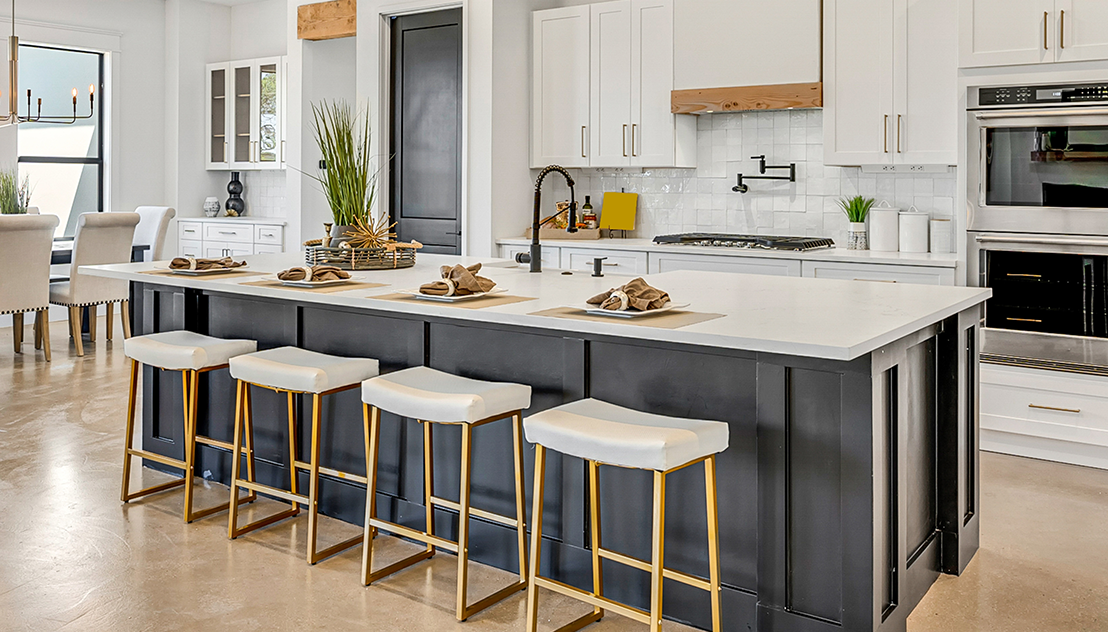
In contrast, kitchen remodels are amongst the most cost-effective home improvements in terms of ROI. Newer kitchens featuring energy-efficient fixtures and modern fittings offer the upgraded functionality that a large proportion of house buyers are looking for, regardless of their budgets or local market trends.


For instance, a minor kitchen remodel that involves replacing cabinet fronts, panels, drawers, and laminate countertops, as well as adding new resilient flooring and energy-efficient appliances, has an ROI of 96.1%, according to a national Cost vs. Value 2024 report.
However, whether remodeling a kitchen or building a home theater, it’s important not to go overboard with spending; adding $75,000 worth of movie equipment and furniture to a home worth $100,000 offers a low return on investment that can leave you out of pocket.
The Role of Home Theaters in Luxury and High-End Homes
The Impact of Home Theaters on Property Value

Even if it doesn’t add much monetary value to your property in terms of a realtor’s assessment, creating a home theater room can improve its saleability. This is the case especially for high-end properties, where many luxury buyers mark home theaters as an essential feature on their wishlist.


In areas like Boca Raton, Florida with plenty of high-end homes, those without dedicated movie theaters can even be at a competitive disadvantage, especially if other local properties are fully kitted out for at-home viewing.
Home Theaters A Unique Selling Point for Luxury Living
Having a home theater may also be seen as a unique selling point that sets your home apart from others, which can help to guide the buyer’s decision-making process. These status symbols are designed to complement the luxurious lifestyle, creating the ideal space for hosting guests and allowing homeowners to relax and unwind after a hard day.

They can be customized to suit high-end homeowners’ dreams of sophisticated in-home entertainment options, from 8K resolution projectors to Dolby Atmos sound systems. All of this can be achieved without needing to leave the comfort of home, offering the ultimate convenience and privacy.

Home Theaters Elevating Luxury Market Appeal
Home theaters can therefore often be an incredibly worthwhile investment simply to secure an offer within a higher price bracket, giving your property that competitive edge in the luxury real estate market.
Potential Pitfalls and
Considerations
The Impact of Home Theaters on Property Value

Having a theater within your home offers numerous benefits, from creating an immersive movie-watching experience to providing unrivaled flexibility and convenience.

However, while they can considerably enhance your personal entertainment experience, home theaters aren’t an accessible or worthwhile upgrade for every homeowner. Here are some of the key considerations you should make before deciding whether to invest:
01
Costs
The average end-user price of installing a dedicated home theater was over $50,000 in 2021. With the availability of new and upgraded technologies, this price simply continues to increase today, making them a significant, often unaffordable home improvement for many.
Home theaters also require ongoing maintenance to ensure they continue to operate smoothly, which can be expensive on top of the initial purchase and installation costs. This is the case especially for larger setups that feature a wider range of high-tech equipment, including TV screens, projectors, surround sound, and power-recline seating.

02
Over-Improvement
If you’re planning on selling your property in the future, it can be tempting to commit a large portion of the renovation budget to upgrading your home theater.
However, as we’ve seen, in-home movie theaters don’t always add enough value to provide a good return on your initial investment, particularly if you’re selling a lower-priced or mid-range home.
They won’t necessarily appeal to buyers in this price bracket and can be seen as an over-improvement, meaning you’re potentially spending more than the property is worth in terms of resale value.


How to Maximize the Value of a Home Theater
The Impact of Home Theaters on Property Value

Home theaters may not add as much value as other property improvements, but there are plenty of things that can be done to maximize your return on investment as much as possible.

If a movie theater already exists within the property or you’ve decided to upgrade one of your current rooms, here are some key design tips to keep in mind:
Keep Technology Up to Date
The Impact of Home Theaters on Property Value
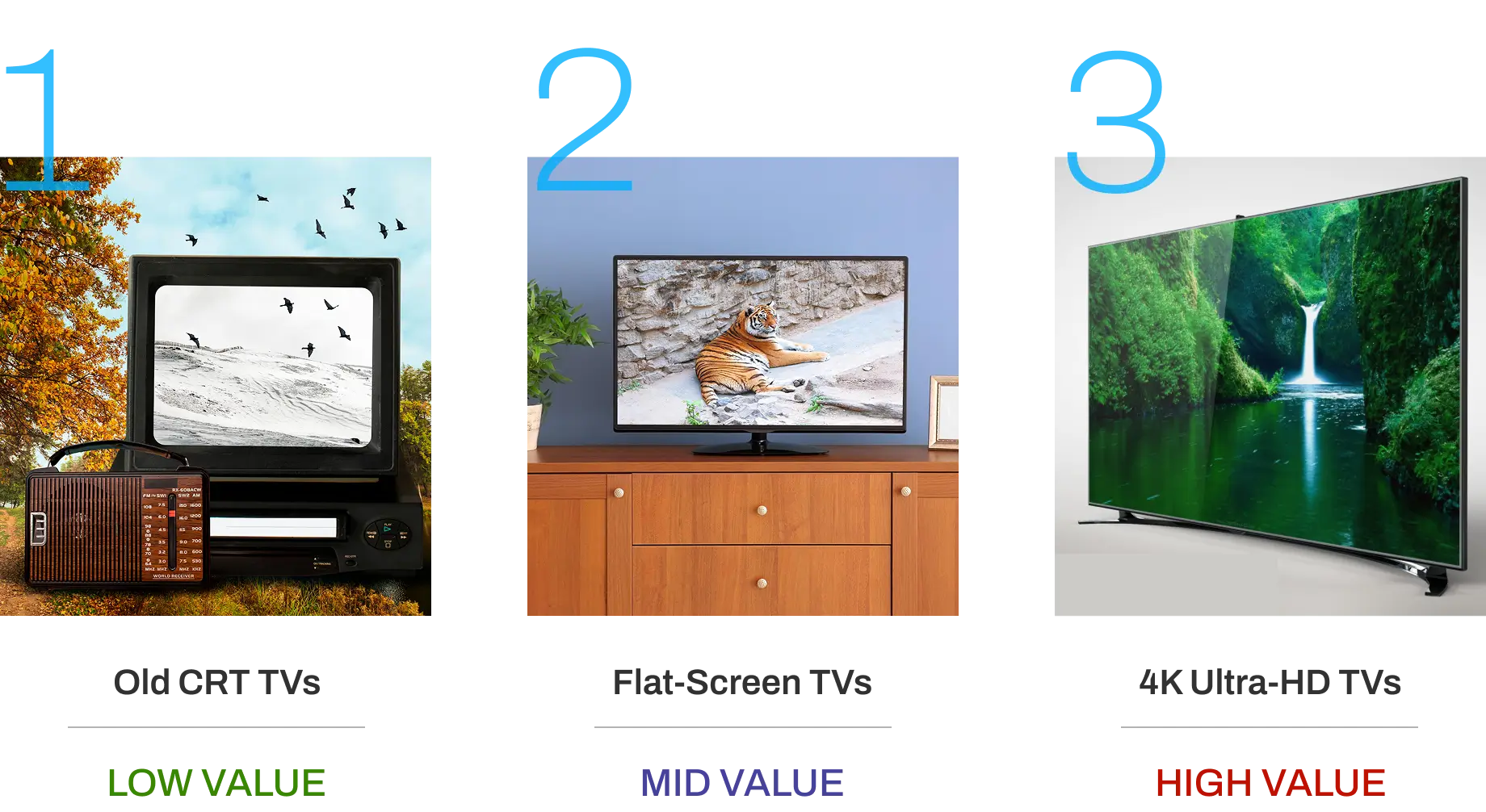
Retro, old-fashioned theaters may evoke a sense of nostalgia, but outdated technologies won’t have the same effect.
Instead, they’ll not only impact picture and sound quality, but the financial value of your home theater too. Plus, old technologies may reduce the appeal of your home to potential buyers, especially if they’re tech experts or home entertainment enthusiasts.
Upgrading Your Home Theater with Smart Technology
To ensure that your home theater remains cutting-edge, researching and investing in the latest technologies is therefore essential. High-resolution TV or projector screens with smart features such as voice assistants are great choices, allowing users to choose movies and adjust settings without lifting a finger.

A valuable home cinema room should also be designed for easy integration of these new technologies. Plan for future upgrades by installing conduits to facilitate more wiring and leaving space for more or larger speakers.
Avoid Overly Personalized Spaces
The Impact of Home Theaters on Property Value
If you’re a movie enthusiast, creating a room that reflects your personal interest can be a dream come true. While this may make your house truly feel like a home, overly personalized features can have the opposite effect when it comes to making a sale.
Buyers may struggle to recognize the potential value of your personalized theater room, and will instead see the conversion and redecoration required as an additional expense that puts them off the entire property.
Versatile Spaces for Broader Appeal
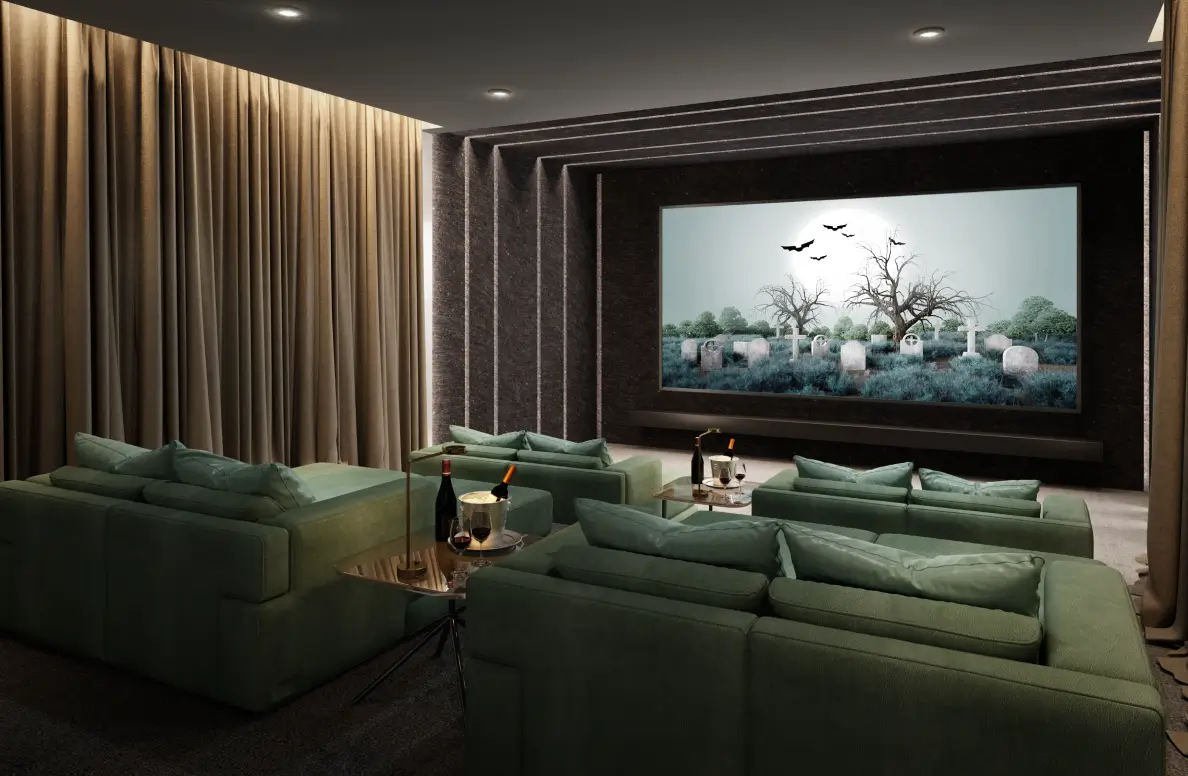
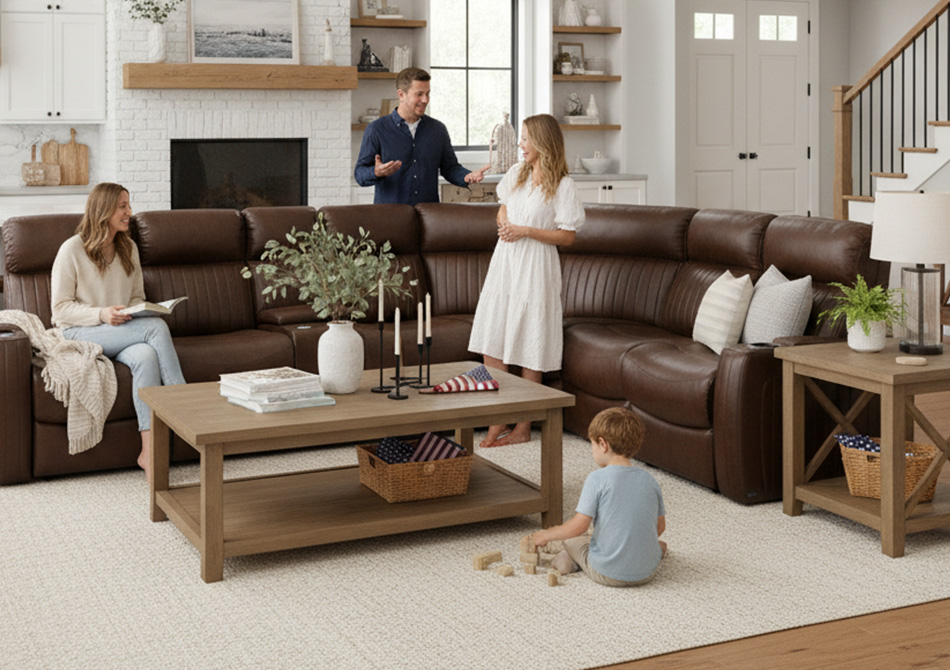
So, if you’re trying to appeal to a general demographic rather than high-end buyers or tech lovers, create a more casual, multi-purpose space for relaxing, socializing, and catching up on TV. This demonstrates the room’s potential to be used as something other than a home theater for those who may not be interested, such as an office, playroom, or spare bedroom, for example.
Casual and Multi-
Purpose ROOM

Dedicated Theater
Room
Integrate with Existing Home Features
The Impact of Home Theaters on Property Value
Home Theaters That Blend Seamlessly
While home theaters are often stand-out features, they shouldn’t interrupt the overall design or layout of your home. Surround sound may be a huge benefit in terms of high-quality movie watching, but loud music blaring into an office or bedroom can be incredibly disruptive for others within the property.

ADD
SOUNDPROOFING

CHOOSE RIGHT
LOCATION

CONTROL NOISE
LEVELS
Transforming Basements and Garages into Home Theaters
Seamless integration of the theater into the overall layout is therefore essential for making it a valuable part of your home. Converting a basement or garage into your dream theater room is a great way to utilize otherwise unused spaces, and adding soundproofing ensures that the rest of the property can continue functioning as normal.

Movie theaters should also be integrated well into your home in terms of design; ensure that it complements your home’s existing aesthetic by choosing matching color schemes, for instance. This will be particularly appealing to buyers who may not be interested in a home theater, as they’ll be able to see the room’s conversion potential in line with the rest of the property.

When selling the property, make sure to showcase the home theater in action. Having a movie playing and setting up the lights encourages viewers to enjoy the immersive home theater experience and demonstrates the value that it could add to their potential future home. Take high-resolution photos from several angles too, ensuring that the room is marketed as a specific feature of your home.
Conclusion
The Impact of Home Theaters on Property Value

Ultimately, installing a home theater is classified as a home upgrade, allowing owners to kick back, relax, and watch movies from the comfort of their own properties. This means that they can add some resale value and deliver a low to moderate return on your initial investment, even if they aren’t the biggest selling point of most property types today.

However, home theaters are only a must-have feature for specific demographics. So, if you’re aiming to add value to your property, rather than simply enjoy enhanced comfort and enjoyment, assess the market before investing in a home movie theater.
Home theaters make an incredibly worthwhile investment for luxury properties in high-end markets and within local areas where they’re an expected feature of homes. In this case, focus on quality to maximize your return; purchase high-quality equipment and luxury decorations to recreate that magical theater experience and ensure buyers feel like they’re truly getting the real thing.


However, installing a home theater could have the opposite effect for low or mid-range markets, where buyers aren’t so interested in luxury upgrades. While it will attract limited interest from tech or entertainment enthusiasts, adding a home theater room simply for resale purposes is unlikely to provide a high return on investment, meaning you could be left out of pocket from the costs of the upgrade.
Design your dream home theater with flexibility for easy future conversions.
If you’ve always dreamed of bringing the magic of the theater to your doorstep, but are worried about the property’s future resale value, keep versatility in mind. Create your ideal home theater, complete with luxury seating and state-of-the-art equipment, but ensure that it’s easy to convert back to a den, office, bedroom, or other open space for potential buyers to put their stamp on.
Home theaters may add value, but to encourage a sale, potential buyers need to see it as their future home. That’s why assessing the market conditions and preferences of your specific demographic is crucial when considering whether the addition of a home theater will be valuable to your property.
Do home theaters increase property values?
Yes, well-designed home theaters typically add value, with potential returns of 65-75% of your investment. Luxury buyers often view media rooms as desirable premium features.
Which home theater features add most value?
Quality soundproofing, built-in A/V equipment, comfortable seating, and professional installation add the most value. Permanent, integrated systems yield better returns than temporary setups.
What's the cost range for value-adding theaters?
Entry-level: $5,000-$10,000. Mid-range: $15,000-$30,000. High-end: $100,000+. Mid-range installations typically offer the best ROI balance between quality and broad appeal.
Does theater location matter?
Absolutely. Basement installations are common but limit appeal. Converting essential spaces like bedrooms can decrease value. Ideal locations balance accessibility with noise isolation.
Can home theaters decrease property value?
Yes, if poorly executed with permanent modifications, overly personalized designs, outdated technology, or amateur installations.
How do theaters compare to other luxury upgrades?
They offer moderate returns—better than swimming pools (under 50% ROI) but typically less than kitchen or bathroom renovations (70-80% ROI).
Do theater values vary by market?
Yes. They add more value in luxury markets, upscale suburbs, and regions with harsh weather. They’re less valuable in entry-level homes or vacation properties.
How can I maximize my theater's value impact?
Focus on flexible designs with broad appeal. Include proper wiring, acoustic treatments, and quality equipment without personalized themes. Work with professionals and keep installation documentation.