
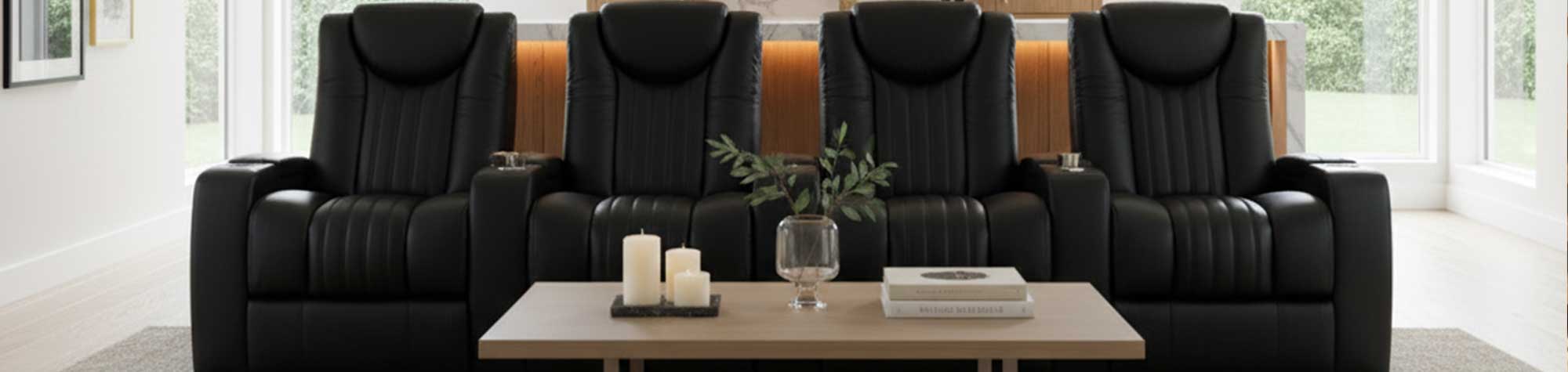
Choosing the perfect home theater seating can transform your entertainment space from ordinary to extraordinary. With countless options available from basic recliners to luxury massage chairs with cutting-edge technology, making the right choice requires careful consideration. This comprehensive guide will walk you through the seven most critical factors to ensure your investment delivers years of comfort and enjoyment.

PRIORITIZE COMFORT & ERGONOMICS
Comfort isn’t just about softness—it’s about proper support for extended viewing sessions. You’ll likely spend 2-3 hours at a time in these seats, so ergonomic design matters more than aesthetics.
What to Look For:
Lumbar Support: Essential for preventing back pain during movie marathons. Look for seats with adjustable lumbar support that conforms to your spine’s natural curve. Power lumbar options let you fine-tune support at the touch of a button.
Headrest Design: Your neck and head need proper support, especially if you’re tilting back to watch a large screen. Power headrests offer customizable positioning—crucial for households with viewers of different heights.
Cushion Density: High-density foam maintains its shape and support over years of use. Gel-infused memory foam adds cooling properties, preventing that uncomfortable “sinking” feeling during long viewing sessions.
Recline Range: Full recline capability (140-160 degrees) allows you to find your perfect position, whether you’re watching intently or dozing off during a late-night show.
Comfort Considerations by User:
- Couples: Consider loveseats without center armrests or seats with flip-up arms for cuddling
- Families with Kids: Look for child-sized options or adjustable seats that grow with them
- Viewers with Mobility Issues: Power recline and lift mechanisms reduce strain when sitting down or standing up
- Back Pain Sufferers: Zero-gravity positions distribute weight evenly, relieving spinal pressure
Pro Tip: If possible, test seating in person or take advantage of generous return policies. What feels comfortable for 10 minutes in a showroom might not work for a 3-hour movie.

- It’s not ‘Just a Chair Anymore’
- Recliners with Power Headrests
- High Resilience Foam vs Conventional
- Home Theater Selections & Sofas
- Customer Favorites
- Cool Features Worth Considering
- Choosing the Best Home Theater Recliner
- Octane Model Comparison Chart & PDF
- Designer Theater Seats
- How To Make Furniture Last
ASSESS YOUR SPACE & PLAN LAYOUT STRATEGICALLY
Even the most luxurious seat becomes a liability if it doesn’t fit your space properly. Poor planning leads to cramped rooms, blocked walkways, and suboptimal viewing angles.
Critical Measurements:
Room Dimensions: Measure your space before shopping, not after. Account for:
- Doors, windows, and electrical outlets
- HVAC vents and light switches
- Traffic flow paths
- Fully reclined seat depth (add 18-24″ to seat depth)
Wall Clearance: Traditional recliners require 6-12″ of clearance behind them. Wall-hugger designs operate with just 3-4″ of space, making them perfect for smaller rooms or theater designs with risers.
Aisle Space: Maintain 36-48″ between rows for comfortable passage. If you’re using risers, stairs need 36″ minimum width for safety.
Optimal Viewing Layout:
Screen Distance: The sweet spot is 1.5-2.5x your screen’s diagonal measurement. For a 100″ screen, position seating 12.5-20 feet away. Closer creates eye strain; farther diminishes immersion.
Viewing Angle: Center seats should face the screen directly. Side seats shouldn’t be more than 30 degrees off-center to avoid neck strain.
Audio Considerations: Avoid placing seats directly against walls where bass frequencies build up, creating muddy sound. The middle third of the room typically offers the best audio experience.
Multiple Rows: If installing rows, elevate the second row 12-15″ using risers. This ensures clear sightlines over the heads of front-row viewers.
Space-Saving Solutions:
- Narrow profiles: Seats under 24″ wide save space without sacrificing comfort
- Curved rows: Follow the screen’s curve for better viewing angles in wider rooms
- Sectionals: L-shaped or U-shaped configurations maximize seating in compact spaces
- Modular designs: Add or remove sections as your needs change
Pro Tip: Use painter’s tape to outline seat footprints on your floor before purchasing. This reveals clearance issues and helps visualize your layout.

CONSIDER MODERN FEATURES & TECHNOLOGY
Today’s theater seats aren’t just recliners—they’re entertainment command centers. Understanding which features enhance your experience (versus which are just marketing gimmicks) helps you invest wisely.
Essential Modern Features:
Power Recline: Eliminates manual levers and allows infinite positioning. Quieter and smoother than manual mechanisms, with preset memory positions on premium models.
USB Charging Ports: Keep devices powered without leaving your seat. Look for USB-C ports (faster charging) in addition to standard USB-A.
LED Lighting: Subtle cup holder or base lighting helps you navigate dark rooms without disrupting the viewing experience. Color-customizable LEDs add ambiance.
Accessory Docks: Modular systems let you swap accessories (tray tables, wine holders, tablet mounts) based on what you’re doing. More versatile than fixed accessories.
Built-In Storage: Hidden compartments in armrests or consoles keep remotes, snacks, and blankets organized and accessible.
Premium Upgrade Features:
Heat & Massage: Air-cell massage systems combined with gentle heat provide therapeutic relief and enhance relaxation. Multiple massage modes target different muscle groups.
Zero-Gravity Positioning: Distributes weight evenly across your body, reducing pressure points and creating a weightless sensation. Excellent for circulation and back issues.
Cooling/Heating: Climate-controlled seats maintain comfort regardless of room temperature. Particularly valuable in rooms without dedicated HVAC zones.
Motorized Lumbar & Headrests: Independent adjustment for each body region ensures perfect support, especially in households with users of different sizes.
Wireless Charging: Qi-compatible pads built into armrests charge phones without cables.
Tray Tables: Swivel-and-fold designs accommodate laptops, meals, or game controllers. Glass surfaces resist stains better than plastic.
Features to Consider Carefully:
Built-In Speakers: Rarely match dedicated surround sound systems. Better to invest in quality external audio.
Motorized vs. Manual: Power features cost more and require electrical outlets, but the convenience usually justifies the premium. Manual recliners are fine for secondary seats or tight budgets.
Shakers/Haptic Feedback: Fun for action movies but can be distracting or annoying for some viewers. These work best as add-on accessories you can disable.
Cupholders: LED-lit versions look impressive but basic cupholder functionality matters most—ensure they accommodate your preferred drinkware size.
Smart Integration:
Some premium seats now integrate with smart home systems, allowing voice control of recline positions, lighting, and massage features. While convenient, ensure compatibility with your existing smart home ecosystem before prioritizing this feature.
Pro Tip: Make a features priority list. Tier must-haves (power recline, lumbar support) separately from nice-to-haves (RGB lighting, wireless charging). This prevents feature overload and budget creep.

SET YOUR BUDGET WISELY
Home theater seating spans an enormous price range—from $400 budget recliners to $5,000+ luxury models. Understanding what drives costs helps you maximize value without overspending.
Price Tiers Explained:
Budget Tier ($400-$800 per seat)
- Manual recline mechanisms
- Bonded leather or basic fabric upholstery
- Particleboard or softwood frames
- Limited features (basic cupholders)
- 1-2 year warranties
Best for: Guest rooms, casual viewing spaces, or temporary solutions
Mid-Range ($800-$1,800 per seat)
- Power recline with USB charging
- Top-grain leather or premium fabric
- Hardwood frames with metal reinforcement
- LED lighting, storage, accessory docks
- 5-year warranties
Best for: Primary home theaters with regular use
Premium Tier ($1,800-$3,500+ per seat)
- Power headrest & lumbar systems
- Italian top-grain leather
- Commercial-grade construction
- Heat, massage, zero-gravity positioning
- 5-10 year warranties
- White-glove delivery and installation
Best for: Dedicated theaters, daily use, or those wanting the ultimate experience
Smart Budget Strategies:
Mix and Match: Put premium seats in prime center positions, budget seats on the sides. This allocates funds where they matter most.
Phased Approach: Start with your front row in premium seating, add budget back rows later as finances allow.
Floor Models: Showroom displays sell at 20-40% discounts. If cosmetic perfection isn’t critical, this saves substantially.
Holiday Sales: Memorial Day, Labor Day, Black Friday, and post-Christmas clearances offer the deepest discounts (often 20-35% off).
Financing: Many retailers offer 0% APR for 12-24 months. This spreads costs while you enjoy your theater, but only use if you can pay off before interest kicks in.
Hidden Costs to Budget For:
- Delivery & Installation: $100-$300+ per seat for white-glove service
- Electrical Work: If adding outlets for power seats ($150-$400)
- Risers/Platforms: $200-$800 for DIY; $1,000-$3,000 for professional builds
- Accessories: Trays, tablet holders, wine glass holders ($25-$150 each)
- Extended Warranties: $150-$400 per seat for additional protection
Pro Tip: Calculate your per-hour cost. A $2,000 seat used 10 hours weekly for 10 years costs just $0.38/hour—less than a movie ticket. This perspective helps justify quality investments.

- Home Theater Seating by Price
- Seats Under $799 w/Free Shipping
- Less than $499 w/Free Shipping
- Luxury & Designer Brands
- Custom Movie Loungers
- Best Cheap Seat in the Market
- Save Big With Bonded Leather over Top Grain
- Contemporary Winner at Just $389/seat
- The Hottest New Trend: Motorized Headrests
- Need Good Back Support: Power Lumbar Recliners
DON’T OVERLOOK THE WARRANTY
Warranties separate reputable manufacturers from fly-by-night operations. A comprehensive warranty protects your investment and indicates the manufacturer’s confidence in their product.
What Good Warranties Cover:
Structural/Frame: 10+ years on hardwood frames is standard for quality seats. This covers cracking, warping, or structural failure.
Mechanisms: 5-10 years on reclining mechanisms (motors, tracks, hinges). This is where budget seats often fail first.
Upholstery: 1-5 years depending on material. Leather warranties typically cover cracking, peeling, or excessive fading—not normal wear.
Electronics: 3-5 years on power features, USB ports, and lighting. Shorter than mechanical warranties because electronics fail more unpredictably.
Cushions/Foam: 2-5 years against excessive sagging or compression. Some premium brands offer lifetime cushion warranties.
Critical Warranty Questions to Ask:
- Is labor included? Many warranties cover parts but not installation/repair labor (which can cost $200-$500).
- Who handles repairs? Do they send technicians to you, or must you ship the seat back (impractical and expensive)?
- What voids the warranty? Common exclusions: commercial use, pet damage, improper cleaning, unauthorized repairs.
- Is it transferable? Matters if you sell your home with the theater intact.
- Does it include “accidental damage”? Some premium warranties cover spills, tears, and other accidents—valuable with kids or pets.
Extended Warranty Considerations:
Retailers often push extended warranties at 10-20% of the purchase price. These make sense if:
- You have kids or pets (accident coverage)
- The seat has complex electronics (massage, power systems)
- The standard warranty is short (under 3 years)
Skip extended warranties if you’re buying premium brands with comprehensive standard coverage—you’re often paying for redundant protection.
Red Flags:
- 90-day or “limited” warranties: Indicates poor quality or manufacturer uncertainty
- Parts-only coverage: Labor costs negate the warranty value
- Email-only support: Shows limited customer service infrastructure
- No clear warranty documentation: Legitimate manufacturers provide detailed written terms
Pro Tip: Register your warranty immediately and save all documentation (receipts, warranty cards, delivery confirmations). Missing documentation is the #1 reason claims get denied.

PLAN FOR ACCESSORIES & CUSTOMIZATION
Accessories transform basic seating into a personalized entertainment haven. Understanding what’s available helps you design a theater that matches your lifestyle.
Essential Accessories:
Swivel Tray Tables: Perfect for meals, laptops, or game controllers. Glass tops resist stains; aluminum frames outlast plastic. Removable designs offer flexibility.
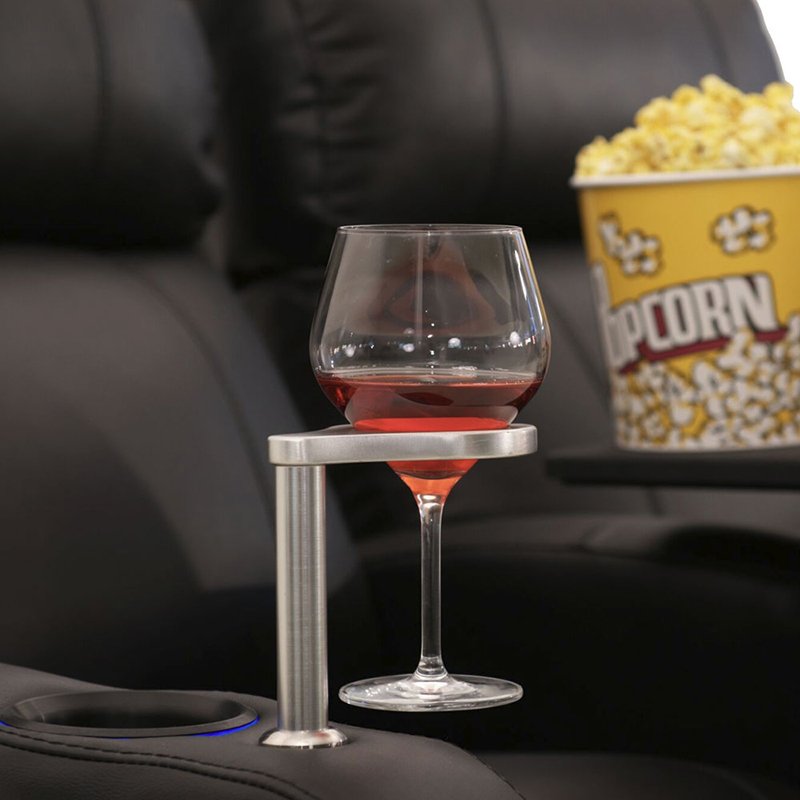
Wine Glass Holders: Keeps stemware stable and prevents spills. Essential for adult viewing sessions.
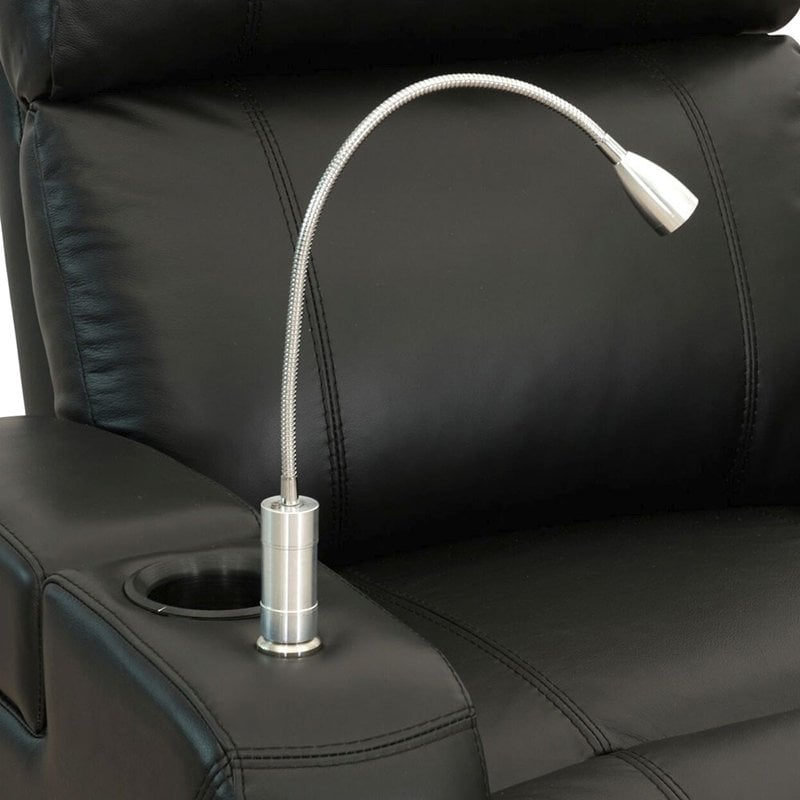
LED Reading Lights: Flexible gooseneck lights allow reading or device use without disturbing others. Battery-powered options eliminate cord clutter.
Tablet/Phone Holders: Secure mounts for second-screen experiences (looking up actor info, checking stats during games).
Neck Pillows: Additional lumbar or neck support for extended comfort.
Storage Arms: Some seats feature removable armrests with built-in storage for remotes, blankets, or snacks.
Room Enhancement Accessories:
Risers/Platforms: Elevate back rows for unobstructed views. Heights range from 8″ to 16″.
Acoustic Panels: Improve sound quality by reducing echo and flutter. Decorative fabric-wrapped panels blend aesthetics with function.
Theater Carpet: Movie-themed patterns add ambiance while absorbing sound. Custom runners protect seating paths.
Concession Stands: Vintage-style popcorn machines and candy displays create authentic theater atmosphere.
LED Strips: Floor-level lighting along aisles enhances safety and ambiance without screen glare.
Movie Posters & Signage: Framed posters, marquee signs, and theater-style sconces complete the look.
Customization Options:
Team Colors & Logos: Embroider favorite sports teams on headrests or choose team-color upholstery. Popular for man caves and sports-themed theaters.
Two-Tone Designs: Contrasting stitching or color-blocked designs add visual interest beyond basic black or brown.
Monogramming: Add initials or family names for a personalized touch (often free or under $50).
Custom Configurations: Many manufacturers allow you to design sectionals with your exact specifications—curved rows, specific chaise placements, or mixed seating types.
Budget-Friendly Accessory Strategy:
Start with basics (quality seating) and add accessories over time:
- Month 1: Install seating only
- Month 2: Add tray tables and wine holders
- Month 3: Install LED lighting
- Month 4: Add acoustic treatments
- Month 5: Incorporate décor elements
This spreads costs while letting you evaluate what accessories you actually use versus what sounded good in theory.
Pro Tip: Measure accessory compatibility before purchasing. Not all seats accept all accessories—verify mounting systems and dimensions match your seating model.
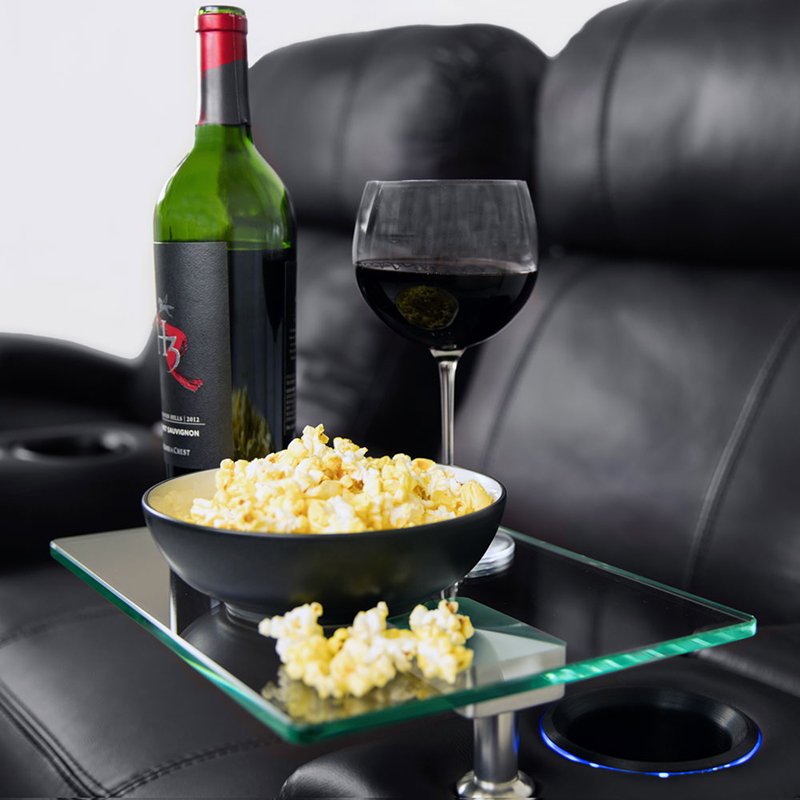
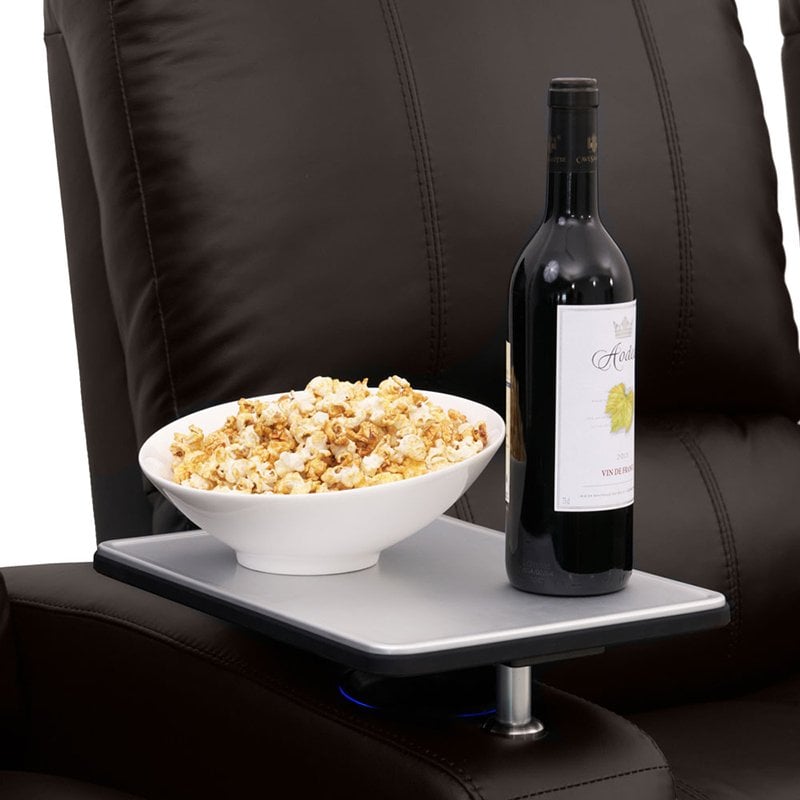
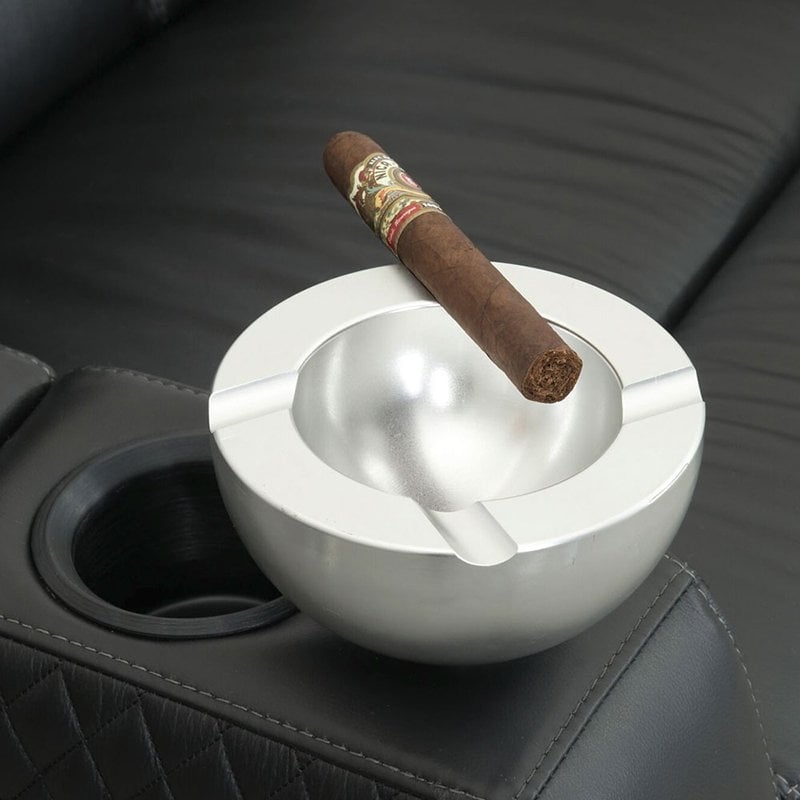
- Home Theater Accessories
- IPad and Tablet Holders
- Buttkickers
- Octane Seating Accessory Dock
- Home Theater Room Rugs
- Popcorn Snack Bowl
- Wine Glass Holder
- LED Flex Light
- Cigar/Cigarette Ashtray
- Glass Swivel Tray Table
- Aluminum Swivel Tray Table
- Recliner Neck Pillow
- Removable Sofa Armrests
- Recliner Battery Pack
BRINGING IT ALL TOGETHER
Selecting the perfect home theater seating involves balancing comfort, quality, features, space, budget, warranty protection, and personal style. Here’s your action plan:
Step-by-Step Selection Process:
- Measure your space and create a scaled layout plan
- Determine your budget including hidden costs and accessories
- List must-have features (vs. nice-to-haves)
- Research brands focusing on warranty terms and customer reviews
- Test seats in person when possible or choose sellers with generous return policies
- Compare warranties across finalist options
- Plan your purchase timing around major sales events
- Arrange professional delivery and installation
- Register warranties immediately upon receipt
- Add accessories gradually based on actual use patterns
Final Considerations:
Think Long-Term: You’ll likely keep these seats for 10-15 years. Choose timeless designs over trendy styles. Neutral colors (black, brown, gray) remain versatile if you redecorate.
Consider Resale: Premium brands (Octane, Palliser, Fortress) retain value better than generic models. This matters if you move or upgrade.
Future-Proof: Select seats with modular accessory systems. As technology evolves, you can swap accessories without replacing entire seats.
Maintenance Matters: Budget annual leather conditioning ($30-$50) and occasional motor servicing ($100-$200) to extend seat lifespan.
Common Mistakes to Avoid:
❌ Choosing style over comfort: Gorgeous seats that hurt after an hour defeat the purpose
❌ Ignoring room acoustics: Seat placement affects sound quality as much as speakers do
❌ Skipping measurement: Oversized seats that don’t fit create expensive returns and delays
❌ Buying underpowered: Budget seats that fail after 2-3 years cost more long-term than quality upfront investments
❌ Neglecting warranties: Unprotected investments leave you vulnerable to costly repairs
❌ Feature overload: Paying for capabilities you’ll never use wastes money better spent on quality fundamentals

YOUR THEATER AWAITS
Armed with these seven essential guidelines, you’re ready to create a home theater that rivals commercial cinemas in comfort while surpassing them in convenience and customization. Whether you’re outfitting a dedicated theater room or transforming a living room corner, the right seating investment pays dividends in countless hours of entertainment, relaxation, and family memories.
Remember: the “best” home theater seating isn’t the most expensive or feature-laden—it’s the seating that perfectly matches YOUR space, budget, viewing habits, and comfort preferences.
Ready to start shopping? Visit showrooms with your measurements and priority lists. Test multiple styles. Ask about warranties. Compare total costs including delivery and accessories. And most importantly, envision yourself watching your favorite movies in each option—the right choice will feel like home.
Additional Resources:
- How to Measure Your Home Theater Space: How to Plan Your Home Theater Layout: Room Size and Seating Considerations | Calculating Home Theater Dimensions
- Home Theater Design Mistakes to Avoid: Home Theater Design Mistakes | Amateur Home Theater Mistakes
- Octane Product Comparison Chart: Octane Seating Comparison Guide: Find Your Perfect Theater Seat
- Theater Seating Warranties Explained: Furniture Warranties | How to Spot a Good Warranty | Know These Rules
- Financing Options for Home Theater Seating: Finance Programs For Your Home Theater Seating | Zero Percent Offers