

Before movies became the immersive, high-budget productions we see today, the art of filmmaking had humble beginnings. In the late 19th century, inventors and visionaries experimented with moving images, leading to the birth of cinema. The Lumière brothers, often credited with pioneering motion pictures, displayed short films that amazed audiences. As filmmaking advanced, directors emerged as the creative minds responsible for shaping stories, guiding actors, and orchestrating the visual experience of movies. Over the decades, directors have played a crucial role in defining the style, emotion, and artistic impact of cinema.
Early Film Pioneers

Two figures who played a foundational role in early filmmaking were Georges Méliès and D.W. Griffith. Méliès, a French filmmaker, is best known for his imaginative storytelling and pioneering use of special effects. His film A Trip to the Moon (1902) is considered one of the earliest examples of science fiction, featuring groundbreaking techniques like stop-motion animation and hand-painted color. His work demonstrated that film could be more than just everyday scenes: It could be a medium for creativity and fantasy.
Meanwhile, D.W. Griffith transformed filmmaking with his innovative narrative techniques. Known for The Birth of a Nation (1915), Griffith introduced cinematic tools such as cross-cutting, close-ups, and large-scale battle sequences. These new methods revolutionized how stories were told on screen. While his work remains controversial due to its racist content, his contributions to film structure and editing continue to influence filmmakers today.
Influential Directors Throughout History
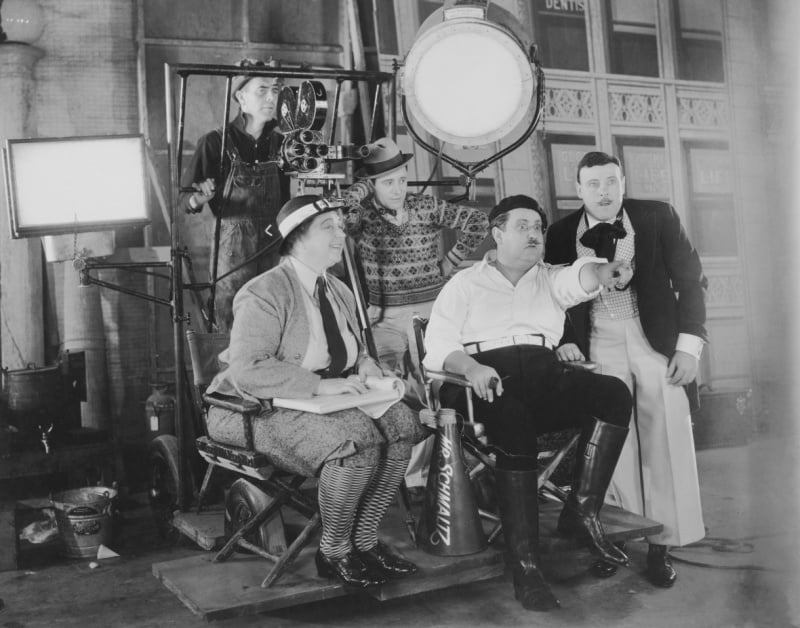
Charlie Chaplin was not just a director but also a legendary movie actor and comedian. His films, including City Lights (1931), Modern Times (1936), and The Great Dictator (1940), used humor to comment on social issues, and his iconic character, The Tramp, remains one of the most recognizable figures in cinema.
Alfred Hitchcock, known as the “Master of Suspense,” revolutionized the thriller and horror genres. His meticulous direction created iconic films like Psycho (1960), Rear Window (1954), and Vertigo (1958), all of which highlight his innovative use of camera angles and suspenseful storytelling.
Orson Welles changed the game with his groundbreaking debut movie Citizen Kane (1941), a film praised for its deep-focus cinematography and nonlinear storytelling. His other notable films include The Magnificent Ambersons (1942) and Touch of Evil (1958), which further showed his innovative approach to filmmaking.
Akira Kurosawa brought Japanese cinema to international attention with masterpieces like Seven Samurai (1954), Rashomon (1950), and Ikiru (1952). His influence can be seen in modern action films, as his storytelling techniques and visual compositions have inspired directors worldwide.
Federico Fellini was an Italian director known for his dreamlike narratives and imaginative style. His films La Dolce Vita (1960), 8½ (1963), and Amarcord (1973) blurred the lines between reality and fantasy, making him one of the most celebrated filmmakers in history.
Stanley Kubrick was famous for his meticulous attention to detail and groundbreaking visual style. His films 2001: A Space Odyssey (1968), A Clockwork Orange (1971), and The Shining (1980) are known for their innovative cinematography, thought-provoking themes, and bold storytelling.
Francis Ford Coppola shaped the gangster genre with The Godfather trilogy (1972/1974/1990) and further showcased his filmmaking prowess in Apocalypse Now (1979), a war film known for its stunning cinematography and intense storytelling.
Steven Spielberg became one of the most successful directors of all time by crafting classics like Jaws (1975), E.T. the Extra-Terrestrial (1982), and Schindler’s List (1993). His ability to blend adventure, emotion, and spectacle has made him a household name in cinema.
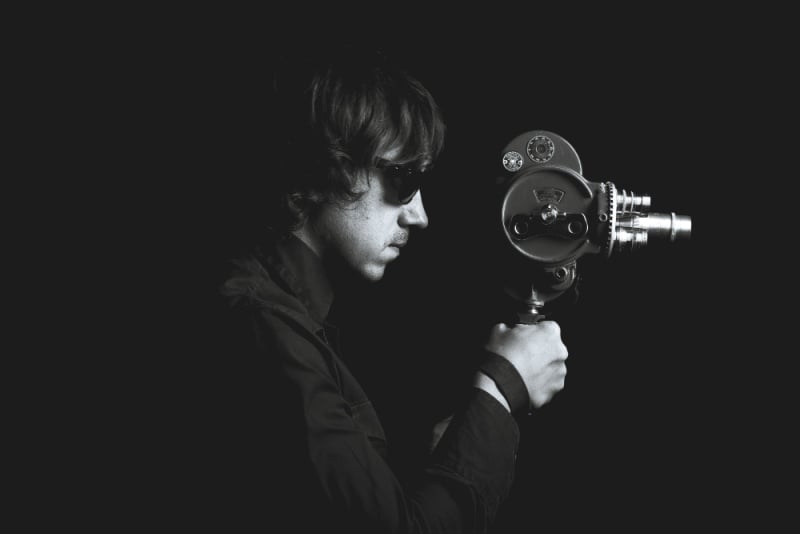
Martin Scorsese is renowned for his gritty and intense storytelling, often exploring themes of crime and morality. Films like Taxi Driver (1976), Goodfellas (1990), and The Aviator (2004) have cemented his legacy as one of the greatest directors in history.
George Lucas revolutionized science fiction with Star Wars (1977), creating a franchise that changed the landscape of filmmaking. His other influential works include American Graffiti (1973) and The Empire Strikes Back (1980), which he produced.
Ridley Scott brought stunning visuals and deep storytelling to science fiction and historical epics. His films Alien (1979), Blade Runner (1982), and Gladiator (2000) are known for their striking cinematography and immersive world-building.
Tim Burton introduced a unique Gothic style to mainstream cinema with films like Beetlejuice (1988), Edward Scissorhands (1990), and The Nightmare Before Christmas (1993). His distinct aesthetic and quirky storytelling have influenced numerous filmmakers.
Quentin Tarantino became famous for his sharp dialogue, nonlinear storytelling, and pop culture references. His films Pulp Fiction (1994), Kill Bill: Volume 1 (2003), and Kill Bill: Volume 2 (2004) display his unique approach to filmmaking.
Christopher Nolan redefined modern blockbuster filmmaking with his cerebral storytelling and innovative visual techniques. His films Memento (2000), The Dark Knight (2008), and The Prestige (2006) demonstrate his talent for crafting intelligent and visually stunning narratives.
Peter Jackson brought J.R.R. Tolkien’s epic fantasy to life with The Lord of the Rings trilogy (2001/2002/2003). His work on the movie King Kong (2005) and The Hobbit trilogy (2012/2013/2014) further solidified his reputation as a visionary director.
Film directors have played an essential role in shaping the history of cinema. From the early pioneers who experimented with storytelling techniques to modern filmmakers who push the boundaries of visual effects and narrative complexity, directors have left an undeniable mark on the movie industry. Their creativity and innovation continue to inspire new generations of filmmakers and fill movie theater seats, proving that great storytelling never goes out of style.
Additional Resources

- Nora Ephron: Nora Ephron’s remarkable career spanned journalism, screenwriting, directing, and producing, leaving an indelible mark on American culture. From sharp-witted essays to iconic romantic comedies, her body of work reflects her keen observations on relationships, gender dynamics, and modern life.
- Vincente Minnelli: Vincente Minnelli’s legacy in cinema is defined by his visually stunning and emotionally rich musicals and dramas. His directorial mastery brought to life classics that continue to influence filmmaking, showcasing his innovative use of color, composition, and storytelling.
- The Best Pedro Almodóvar Films: Pedro Almodóvar’s distinctive style and storytelling brilliance are evident in some of his best films, which highlight his unique approach to character development, visual aesthetics, and the emotional depth that defines his celebrated body of work.
- Mira Nair: Mira Nair’s journey as a filmmaker is shaped by her commitment to storytelling that bridges cultures and explores complex social themes. Her career spans multiple decades, with films that challenge conventions and bring marginalized narratives to the forefront of cinema.
- Director John Huston: John Huston’s extraordinary contributions to film include directing, screenwriting, and acting, making him one of Hollywood’s most versatile figures. His ability to craft compelling narratives across a variety of genres cemented his reputation as a masterful storyteller.
- Ron Howard: Ron Howard’s transition from child actor to celebrated director and producer showcases his enduring influence on Hollywood. With a diverse portfolio of films, he has demonstrated a talent for bringing both heartfelt dramas and blockbuster hits to the big screen.
- Clint Eastwood’s Movies: Clint Eastwood’s evolution from an on-screen icon to the director’s seat is reflected in a ranked list of his directorial efforts. Each film is analyzed for its storytelling, cinematography, and the recurring themes that define his cinematic vision.
- The Ultimate Guide to Sofia Coppola and Her Directing Techniques: Sofia Coppola’s directing style is characterized by its dreamlike visuals, nuanced storytelling, and focus on themes of isolation and identity. Her contributions to contemporary cinema have positioned her as a unique and influential voice in filmmaking.
- Oliver Stone: Oliver Stone’s most acclaimed films stand out for their bold storytelling, political commentary, and gripping narratives. His ability to challenge audiences and provoke discussion through his films has made him a defining figure in modern cinema.
- Spike Lee: Spike Lee’s filmmaking career is marked by his fearless approach to social and political issues, using movies as a platform for activism. His innovative storytelling and stylistic choices have solidified his place as one of the most important directors of his generation.
- The Beginner’s Guide to Director Woody Allen: Woody Allen’s vast filmography is explored through an introduction to his signature directing style, recurring themes, and most notable works. Audiences have filled theater seats all over the world to view his films, often centered on complex characters and intellectual humor.
- Tony Scott: Tony Scott’s action-packed directorial career is defined by high-energy filmmaking, dynamic cinematography, and suspenseful storytelling. His contributions to the action and thriller genres continue to influence modern Hollywood blockbusters.
- Emilio Fernández: One of a Kind: Emilio Fernández played a pivotal role in shaping Mexican cinema, both as a director and actor. His work is celebrated for its poetic visuals and deep cultural significance.
- Raj Kapoor and the Golden Age of Indian Cinema: Raj Kapoor’s impact on Indian cinema during its golden age extends beyond acting to his work as a visionary director and producer. His films, known for their emotional depth and social themes, continue to resonate with audiences worldwide.
- All James Cameron Movies, Ranked and in Release Order: James Cameron’s extensive filmography is explored through a ranking of his movies, detailing the release order and impact of box-office hits that filled theater seats worldwide.