


Understanding the specialized language of theater is essential for anyone involved in live performance, whether you’re an actor, director, designer, or technician. A lot goes into a theater and the shows it hosts, from the architecture and rigging to curtains, seats, and stage directions, and knowing the terminology of the theater can help you to better appreciate what you see from your seat.
Architectural Terms
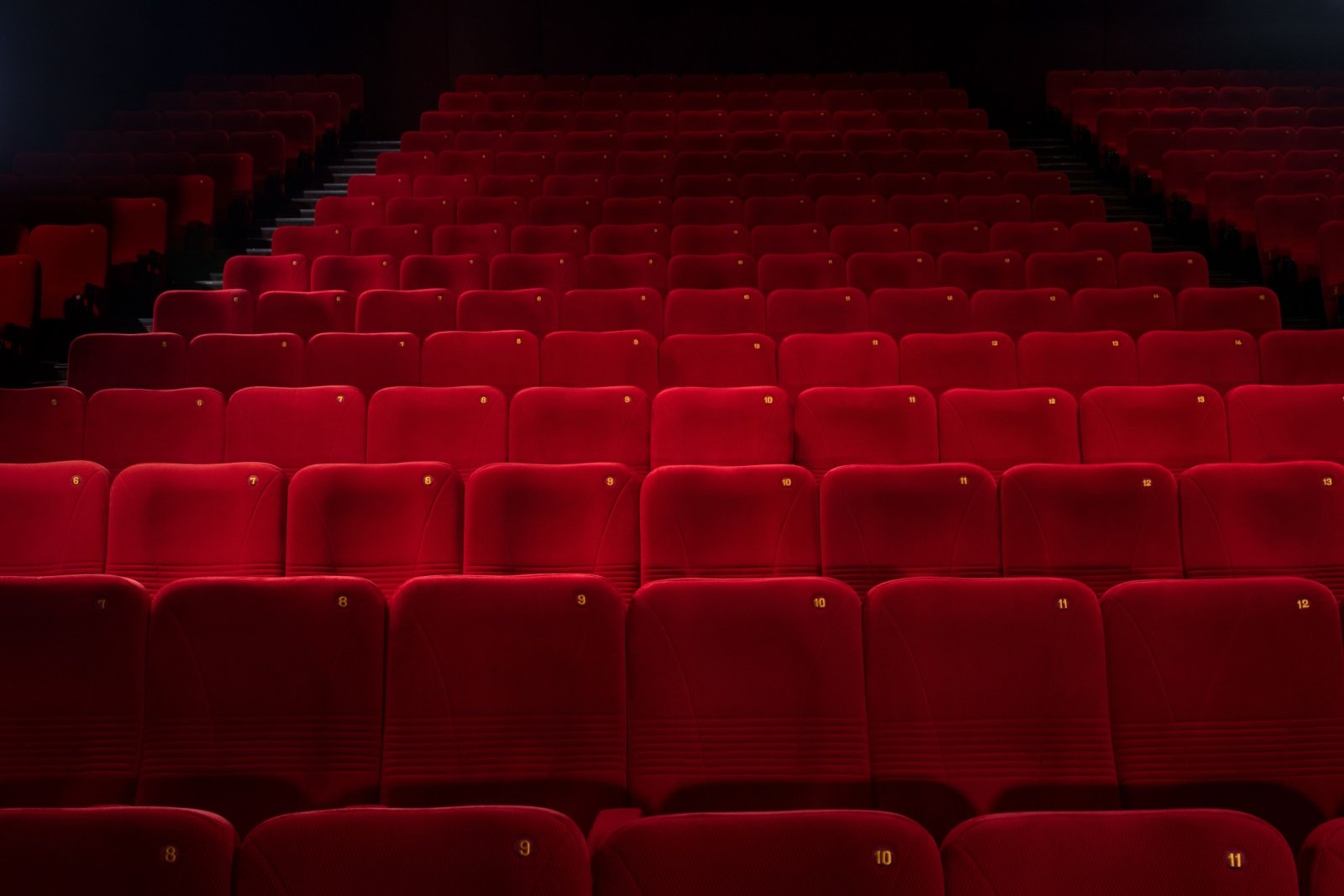
- Auditorium: The main seating area where the audience sits to watch a performance. It’s designed for optimal viewing and acoustics.
- Fly Loft: The space above the stage that stores rigging equipment and scenery. It allows elements like backdrops, lights, and props to be raised and lowered during a performance.
- Green Room: A lounge or waiting area for performers and crew, typically located near the stage, where actors can relax, prepare, and socialize when they are not performing
- Mezzanine: A small, elevated seating area within the theater, typically located between the ground floor and upper levels
- Proscenium: The frame or arch surrounding the stage, separating the performers from the audience. It is the opening through which the audience views the action and can be considered the “window” to the performance.
- Theater: A building specifically designed for public performances, which includes the stage, auditorium, and backstage areas
- Wings: The areas to the left and right of the stage where actors and crew prepare before entering the performance area
Structural Terms
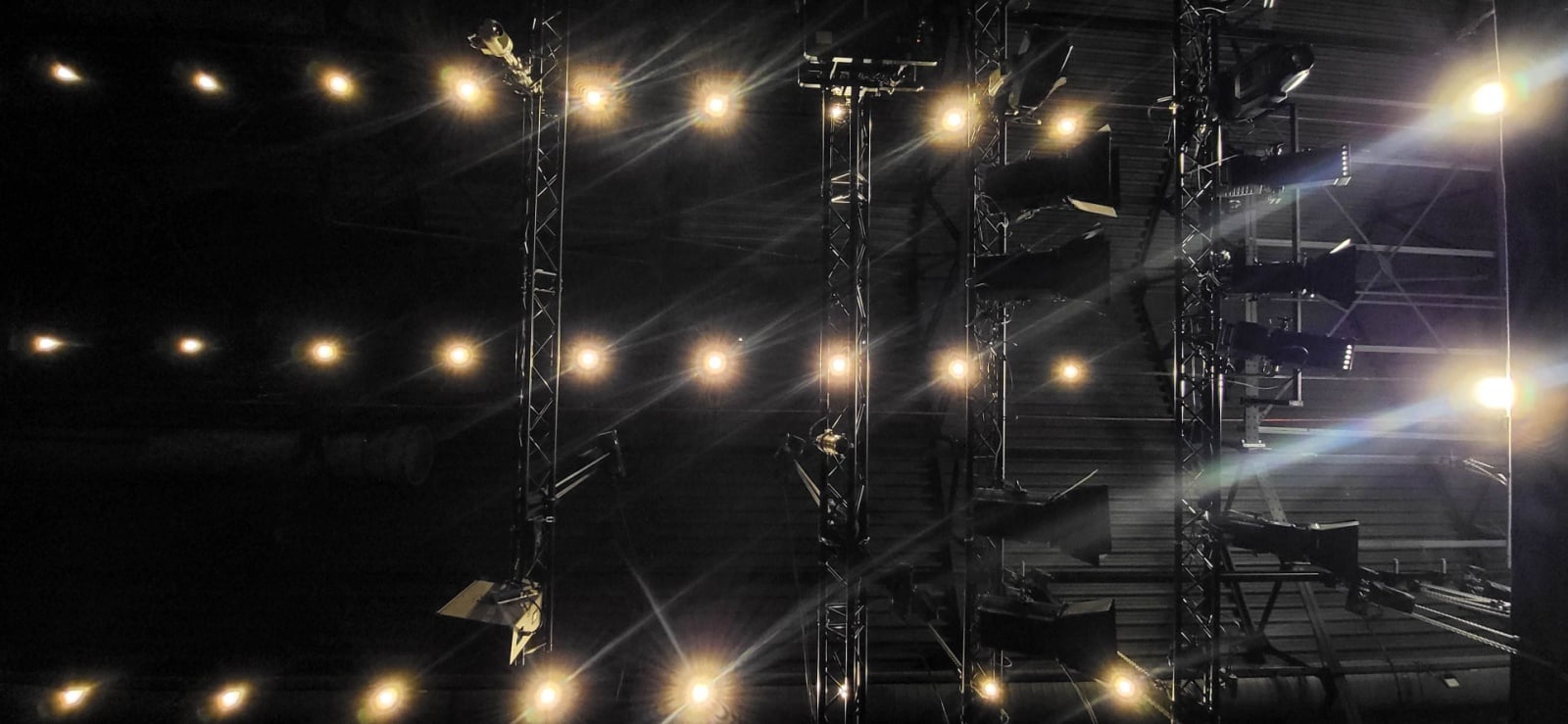
- Catwalk: A narrow elevated platform, often located above the stage, used for accessing lighting equipment, rigging systems, and other overhead installations that support the production
- Counterweight System: A rigging method where weights balance the load of items suspended above the stage. This system allows for precise control of heavy objects being lifted or lowered.
- Fly System: A system of ropes, pulleys, and weights used to raise and lower stage elements like curtains, scenery, and lighting. The fly system allows for efficient and safe movement of large stage items.
- Gridiron: A network of steel beams above the stage used to support the rigging and equipment raised or lowered during performances. The gridiron is essential for ensuring that stage elements can be safely hoisted.
- Pin Rail: A rail located at the side of the stage used to secure ropes in the rigging system
Rigging Terms
- Head Block: A block used to redirect rigging lines at the top of the stage, allowing for smooth movement of items suspended from the rigging system
- Line Set: A system consisting of ropes, pulleys, and counterweights used to suspend and move scenery and other items during a performance. Each line set is designed to control a specific item or set of items.
- Rigging: The entire system of ropes, pulleys, and hardware used to suspend and move items such as lights, curtains, and props in a theater
- Shackle: A metal device used in rigging to fasten ropes or hardware securely, ensuring that the equipment remains in place during the performance
Rope System Terms
- Battens: Long horizontal bars, often made of steel, from which scenery, lighting, or curtains are hung
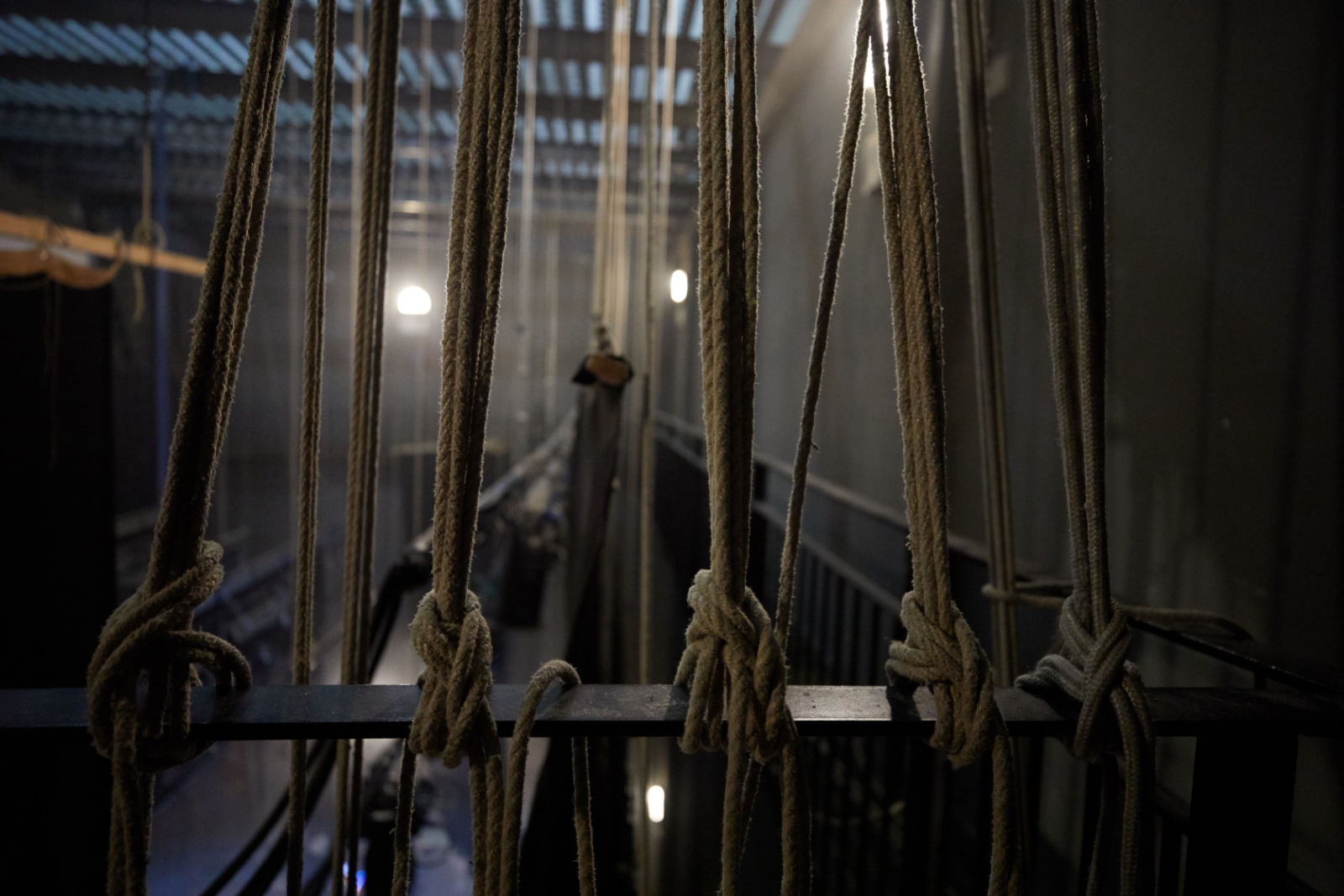
- Hemp House: A rigging system in older theaters that uses hemp ropes to suspend stage elements
- Pin Block: A block used to secure rigging lines and prevent them from moving unintentionally. It is often used in combination with the head block and locking rails.
- Truss: A framework of metal bars used to support lighting, sound equipment, or other stage elements. The theater ceiling often uses trusses to support heavy lighting rigs and other technical equipment.
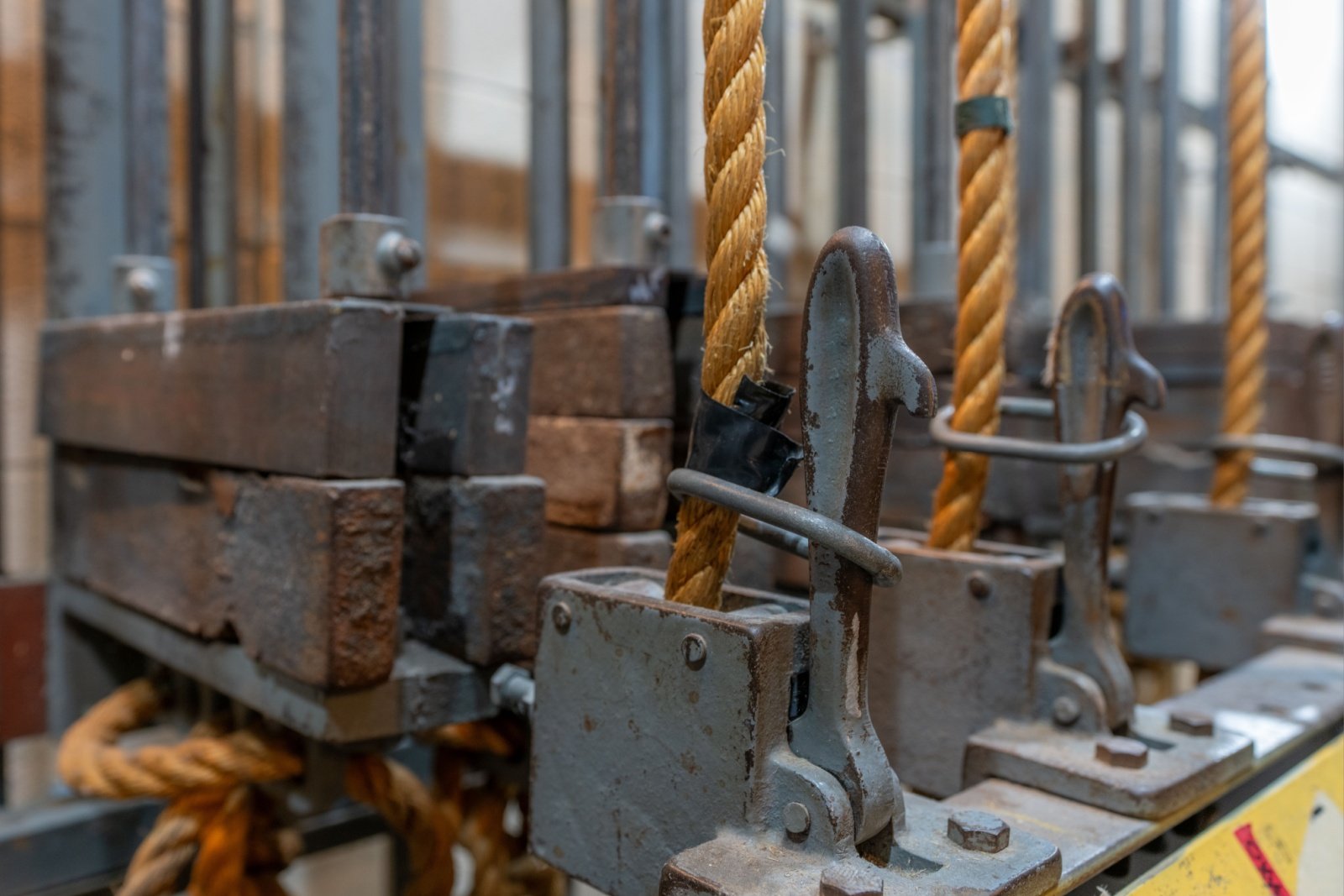
Counterweight System Terms
- Counterweight: Heavy weights used in rigging systems to balance the load of suspended equipment. Counterweights make it possible to lift and lower heavy items safely and with precision.
- Loading Bridge: A platform to load and unload counterweights in a counterweight rigging system
- Safety Block: A mechanism that prevents the rigging system from moving unexpectedly, ensuring that items remain securely suspended above the stage

Drapery Terms
- Borders: Short curtains hung above the stage to hide the rigging and lighting equipment
- Cyclorama (Cyc): A large, curved backdrop representing the sky or providing a seamless background for scenes
- Drapery: Curtains and fabric pieces used on stage for masking the wings, creating dramatic effects, or enhancing the scenery
- Grand Drape: The main curtain that separates the stage from the audience. It can be raised or lowered to reveal the performance area.
- Legs: Tall, narrow curtains covering the stage’s sides. They help block the audience’s view of the wings and created a more polished look.
- Scrim: A translucent fabric used on stage that can appear opaque when lit from the front and transparent when lit from behind
- Traveler: A curtain that moves horizontally across the stage to reveal or conceal parts of the set
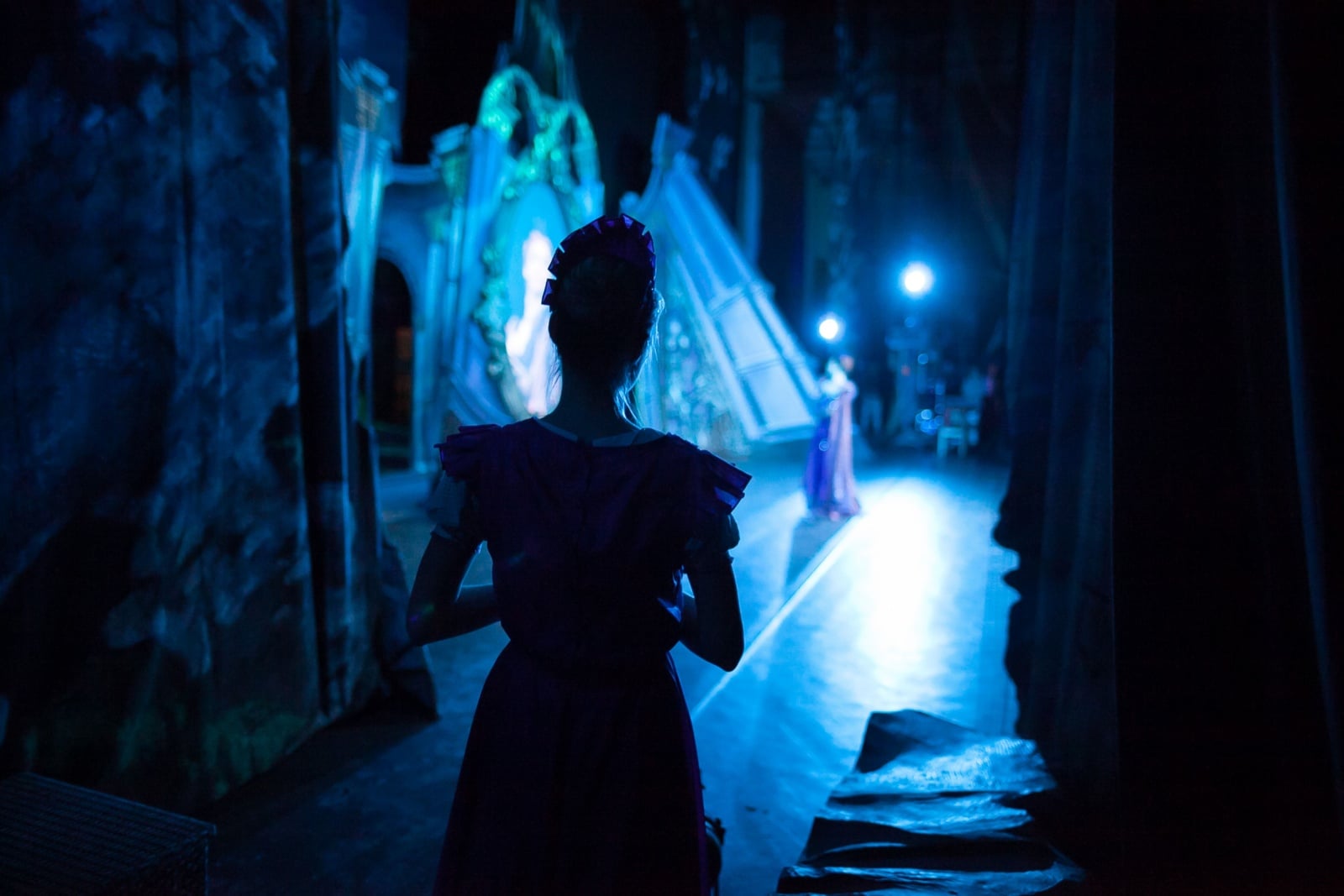
Stage Directions
- Backstage: The areas behind the stage, including dressing rooms and storage spaces, where performers and crew work
- Center Stage: The central area of the stage, often used for pivotal scenes or moments in the performance
- Cross: To move from one part of the stage to another horizontally across the stage
- Downstage: The part of the stage closest to the audience
- Offstage: The space beyond the wings where actors are out of view from the audience
- Onstage: Any area visible to the audience where the performance is actively occurring
- Stage Right/Stage Left: Directions from the actor’s perspective. “Stage right” is to the actor’s right, while “stage left” is to the actor’s left.
- Upstage: The section of the stage farthest from the audience
- Wings: The areas on either side of the stage that cannot be seen from the theater seats. These areas are used for actor entrances and exits and prop storage.

Additional Resources
- Basic Theater Vocabulary
- Technical Theater Beginner’s Glossary
- The Theater, Diagrammed
- A Guide to What’s What in a Theater
- Illustrated Guide to Theater Terms
- Theater Appreciation: Terms to Know
- What Spaces Make a Theater?
- Theater Terms
- Stage Terminology
- Movie Theater Seats
- Theater Glossary
- Broadway Theater Dictionary
- Home Theater Seating
- A Beginner’s Guide to Scenic Design
- Complete Guide to Technical Theater
- Temporary Rigging: What You Need to Know
- A Guide to Acting Methods and Techniques
Home Theater Seating