
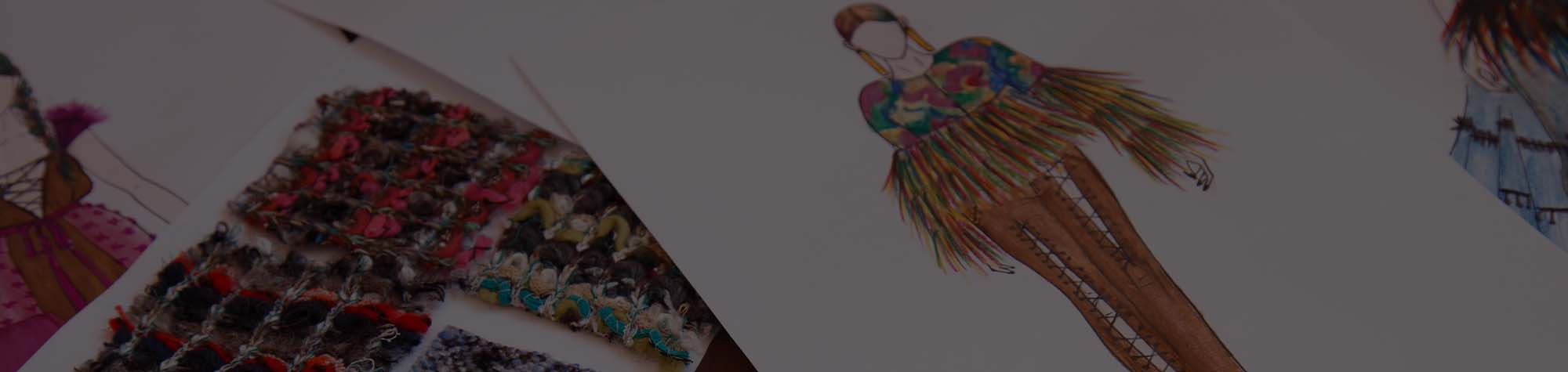
Costume design has always been an essential aspect of theatrical storytelling. While sets, lighting, and sound contribute to the overall mood of a performance, costumes help define the characters, represent time periods, and convey symbolic meaning. As has theater developed over thousands of years, so has costume design. From ancient masks to high-tech designs, the history of costume design reflects the creative and practical needs of each era.

Ancient Theater: Symbol and Function
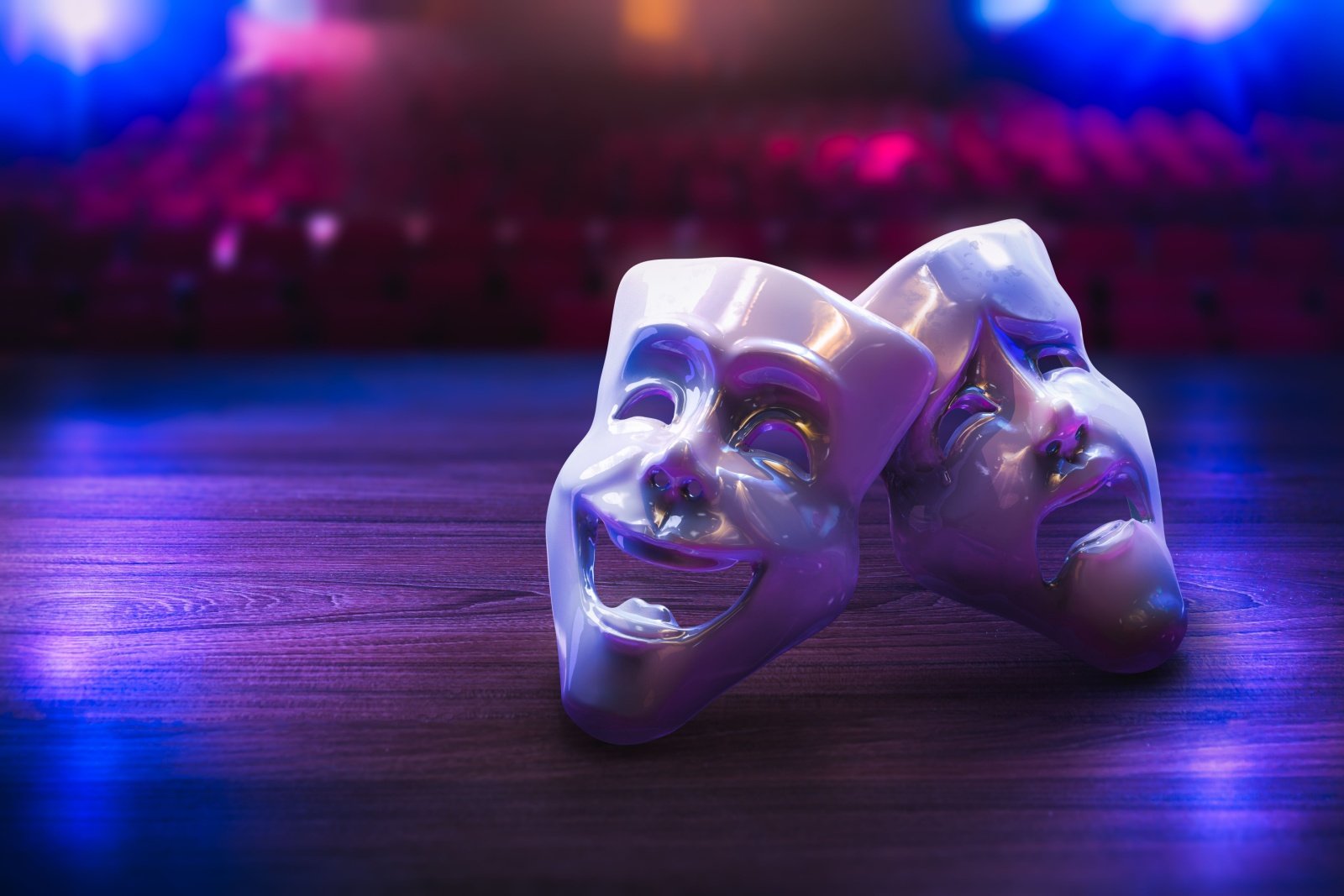
Costume design began in ancient Greece, where drama was an important part of religious festivals honoring Dionysus, the god of wine and festivity. Performances were held in large amphitheaters, and actors needed to be seen and heard by thousands of people. In a time before amplification, this posed a significant issue. To solve this, actors wore exaggerated masks that conveyed emotions and helped to project their voices, serving both functional and symbolic purposes.
Actors in ancient Greece also wore long robes called chitons and elevated shoes known as cothurni to appear larger on stage. This helped the audience focus on the action, even from far away. When the Romans adopted Greek theater traditions, they placed greater emphasis on spectacle. Costumes were used more for visual entertainment than for symbolic meaning.

The Middle Ages: Religious Symbolism
After the fall of the Roman Empire, theater declined in Europe, but it resurfaced in the Middle Ages as part of Christian religious practices. Church-sponsored plays, including mystery and morality plays, were performed during festivals and holy days. Costumes during this period were relatively simple but highly symbolic. Characters like angels and devils were dressed in clear, recognizable ways so that even the most poorly educated audience members could understand the story. White robes and halos signified heavenly figures, while dark cloaks, horns, and claws represented evil. The focus was not on realism or fashion but on making moral lessons visually clear.

The Renaissance: A Return to Art and Fashion
The Renaissance brought a renewed interest in classical ideas, individualism, and artistic expression. Theater became more secular and more focused on entertainment, especially in countries like Italy and England. The Italian commedia dell’arte introduced stock characters with instantly recognizable costumes, such as the mischievous Harlequin with his diamond-patterned outfit or the greedy Pantalone in red pants and a hooked-nosed mask.
In England, actors performing William Shakespeare’s plays wore clothing that reflected the current styles of the Elizabethan era rather than the period in which the story was set. Costumes were often expensive, luxurious garments donated by wealthy patrons. While not historically accurate, these costumes reflected social class and helped elevate the visual appeal of productions.
The 18th and 19th Centuries: Realism and Detail
By the 18th century, costume design began to place greater emphasis on historical accuracy. Enlightenment ideals encouraged logic, realism, and scientific inquiry, all of which influenced the arts. Designers started researching the clothing of different eras to better match the settings of the plays. This trend continued into the 19th century, especially during the Romantic and Victorian periods. Theater became more emotional and dramatic, and costumes were designed to reflect these qualities. With industrial advances in textile manufacturing, designers had access to a wider variety of fabrics, colors, and trims. Costume design became more professionalized, and many theaters employed dedicated designers who focused on crafting authentic wardrobes for their productions.
The 20th Century: Experimentation and Expression
The early 20th century saw a major shift in costume design. Modernist movements like expressionism and futurism broke away from realism and began to explore abstract and symbolic visuals. Costumes became tools of emotional and psychological expression rather than just clothing. Designers like Léon Bakst, who worked with the Ballets Russes, created bold, colorful, and imaginative costumes that pushed the boundaries of traditional design.
During this time, directors and designers also began to experiment with integrating costumes into the overall visual concept of a performance. Costumes were no longer seen as separate from the set or lighting but gained a seat at the table as part of the overall artistic vision.

Costume Design in Contemporary Theater
Today’s costume designers have more freedom, materials, and technology than ever before. Productions often blend historical and modern styles, as seen in shows like Hamilton, which uses 18th-century silhouettes combined with modern footwear and styling to create a fresh, hybrid aesthetic as it fills seats night after night on Broadway and in cities around the world. Another innovative show is The Lion King, which uses puppetry and African-inspired fabrics and designs to transform actors into animals creatively and symbolically.
Technology has also introduced new possibilities in costume design. Some productions now use LED lights, smart fabrics, or 3D-printed accessories in their costumes. And digital tools help designers sketch, modify, and prototype costumes faster and more accurately than ever before, helping to accelerate the evolution of the looks audiences see from their theater seats.
Home Theater Seating