
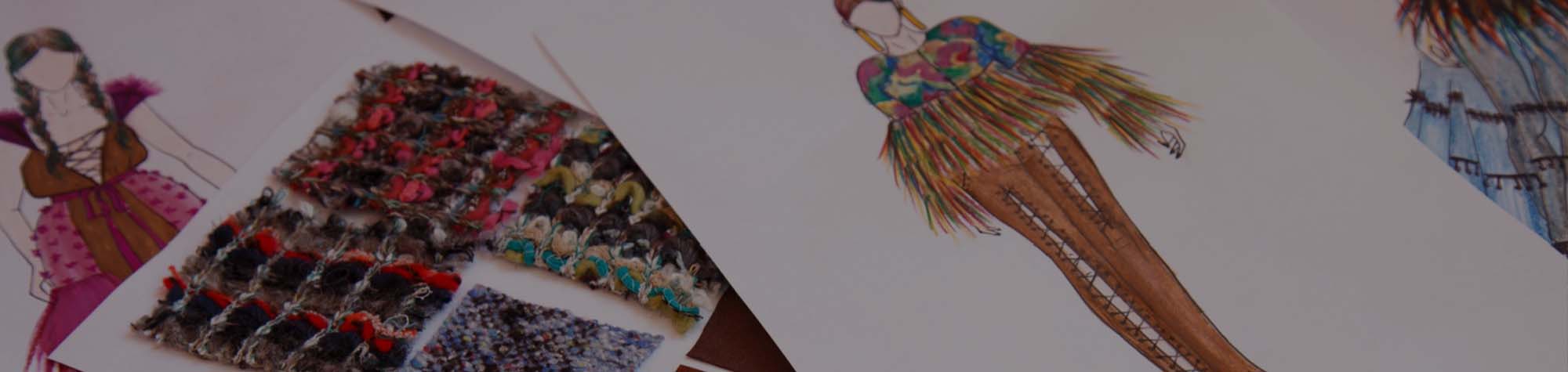

Costume design is one of the most creative and important parts of theater. It’s not just about what an actor wears: It’s about helping the audience understand who the character is, what time period they live in, and how they feel. A well-designed costume can give clues about a character’s social status, job, age, or personality. Costume designers work with directors, set designers, and lighting crews to make sure everything fits together. From ancient plays to modern Broadway shows, costume design has helped shape the way we experience live performances.

Costume Design During the Renaissance
The Renaissance, which lasted from the 14th to the 17th century, was a time when theater grew in popularity in Europe. In places like Italy, France, and England, new forms of drama appeared, and costumes were more about showing off beauty and wealth than about matching the story’s time period.
At London’s Globe Theatre, actors in William Shakespeare’s plays often wore contemporary clothes of the late 1500s, even if the play was set in ancient Rome or Egypt. Clothing was colorful and dramatic, with large collars, velvet robes, and rich embroidery. Since there weren’t many professional costume shops, actors either wore their own clothing or borrowed outfits from nobles or the theater’s wardrobe.
In Italy, commedia dell’arte, a form of theater based on improvised comedy, featured stock characters like Harlequin and Pantalone, each with their own costume and mask. These costumes became iconic and were reused in different plays. Harlequin, for example, wore a colorful diamond-patterned outfit and moved in a playful way to match his trickster role.

Costume Design in the 18th and 19th Centuries
By the 1700s, audiences started expecting more realism in plays, so theater productions began using historically accurate costume designs. This shift meant that costume designers needed to study fashion history and use it to create believable looks for each character.
In the 19th century, realism and romanticism influenced theater across Europe and America. Historical dramas, like those by Friedrich Schiller and Victor Hugo, required detailed research to get the right look for each character. Costume designers studied paintings, sculptures, and books to help them create authentic costumes that fit the setting and story and could be appreciated from the farthest seats from the stage.
This era also introduced the idea of the costume designer as a real job. Before this, actors or directors usually picked out the costumes for a show. One of the first famous costume designers was Charles Kean, who designed costumes for Shakespeare plays in the 1850s. He paid close attention to historical detail and helped to shape the practice of period-accurate costuming.

Modern Costume Design
Today, costume design is a mix of research, imagination, and storytelling. Designers often work with a script months in advance, planning every look for every character. They may sketch, sew, dye fabric, and fit the actors themselves or lead a team that does. Some famous modern costume designers include Susan Hilferty (Wicked), Catherine Zuber (My Fair Lady), and Paul Tazewell (Hamilton), whose costumes have become as iconic as the shows themselves.
Modern theater doesn’t always stick to historical accuracy. Some plays use costumes in creative or symbolic ways. For example, a modern version of Macbeth might dress characters in military uniforms instead of medieval clothes to make the story feel more current. In musicals and fantasy shows, costumes can be wild and colorful, helping to create an exciting mood.
Designers today also use technology to make costumes more interactive. In the Frozen musical on Broadway, Elsa’s dress transforms with the help of lights and hidden wires. Some productions use fabric that glows or changes color under stage lights, adding even more power to the performance.
Materials and Fabrics Used in Costume Design
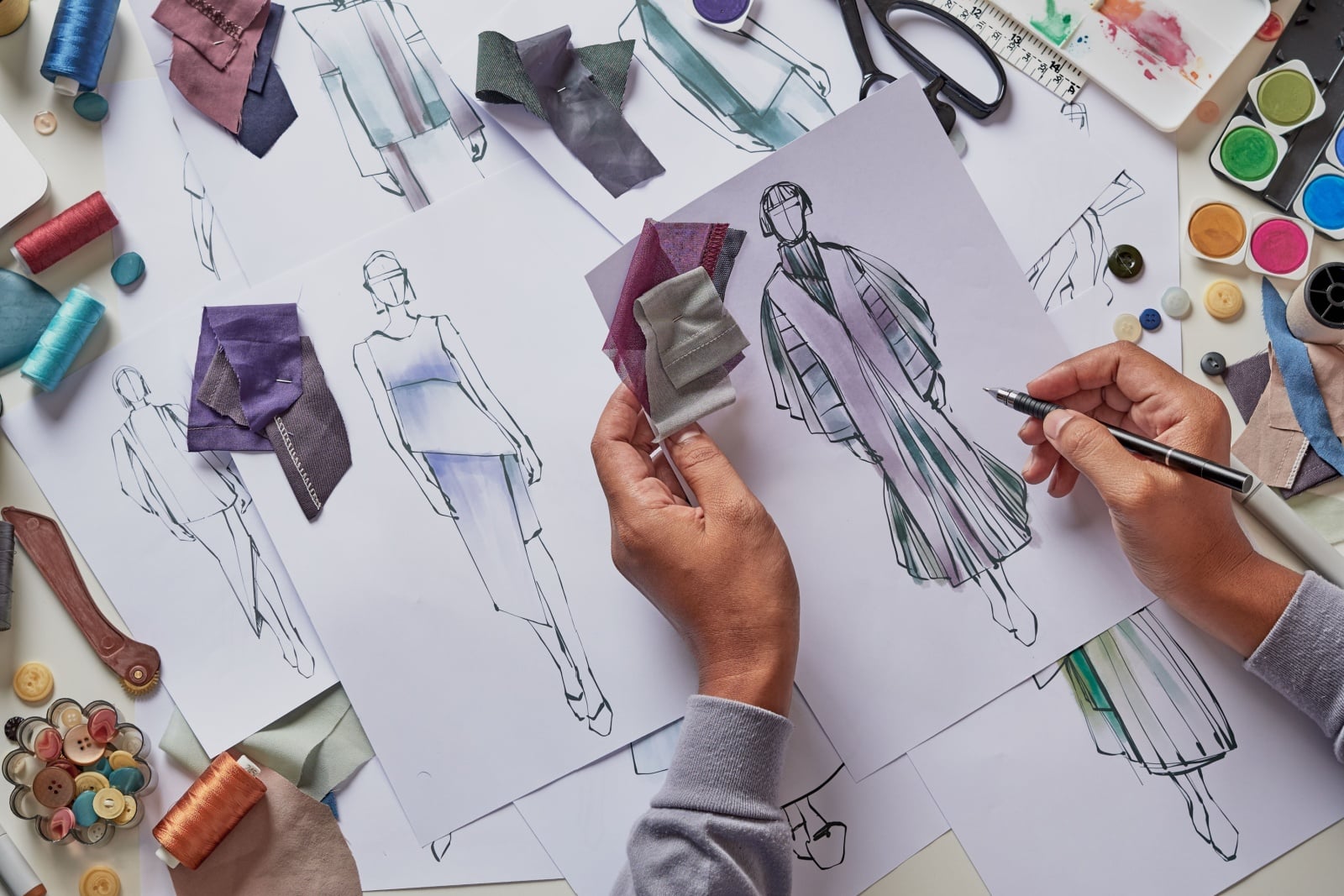
Throughout history, the types of materials used in costume design have changed based on what was available. In the Renaissance, rich fabrics like velvet, brocade, and silk were popular for noble characters, while peasants were dressed in wool or rough linen. But today, designers have access to a wide variety of fabrics, including cotton, denim, leather, polyester, spandex, and even plastic or metal elements. These materials are chosen for how they look, how they move, and how comfortable they are for actors who will be wearing the same outfit multiple times a week. Costumes also have to be practical: They need to stand up to quick costume changes, sweat, and repeated use. That’s why some shows use multiple copies of each costume, ensuring that actors always have a clean set ready for them.
- Costume Design in Six: Period Inspiration Meets Plastic and Metal
- Hodgepodge of Materials Used to Make Clothing for SpongeBob Musical
Costume design is more than just fashion; it’s part of the storytelling process in theater. From the luxurious costumes of the Renaissance to the bold, flexible designs of today, costume design has grown into a true art form. Designers combine knowledge of history, fabric, color, and character to make each costume meaningful, and their work helps turn scripts into fully imagined worlds, giving audiences a deeper connection to the story and the characters on stage.
Home Theater Seating