
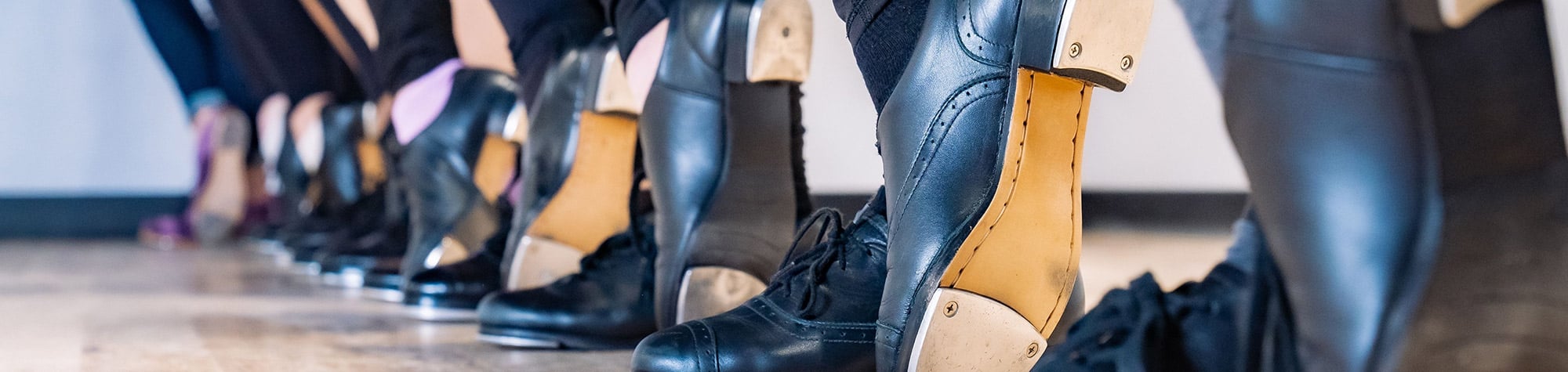
Tap dancing is a rhythmic form of dance that combines intricate footwork with percussive sounds, creating a unique musical performance. Originating in the United States in the early 19th century, it has evolved through influences from African American, Irish, and English dance traditions. Each step in tap dancing tells a story, from the quick, light beats of a shuffle to the dramatic emphasis of a stomp. However, the world of tap dancing can be confusing for beginners, as it has its own specialized terminology. Taking the time to understand these terms can help you to better appreciate the complexity and artistry of this dance style and make it easier to improve your tap skills.
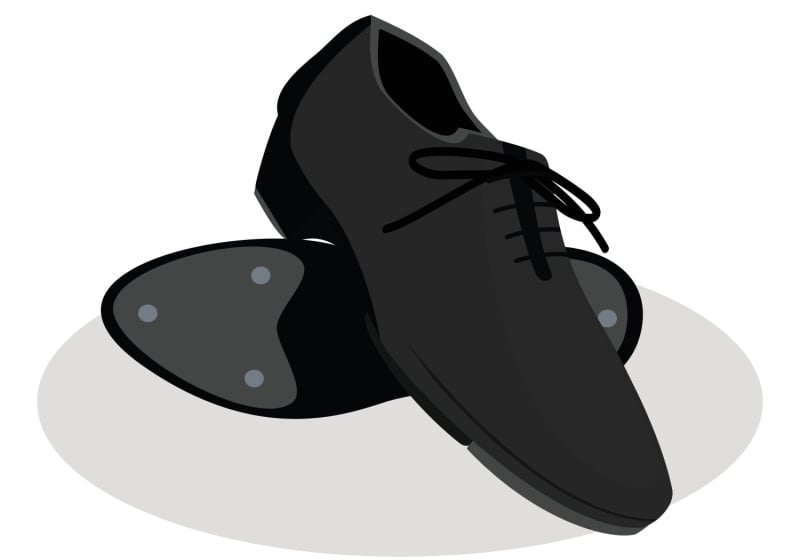
- Ball Change: A quick transfer of weight from the ball of one foot to the ball of the other foot
- Bombershay: A step involving a heel dig, brush, and step
- Brush: A forward or backward swing of the foot, making contact with the floor using the ball of the foot
- Buffalo: A combination step consisting of a leap, a shuffle, and a small leap
- Chug: A slide forward on the balls of the feet, followed by a drop of the heels
- Cramp: Another term for a heel drop
- Cramp Roll: A four-sound step made up of two steps (one for each foot) followed by two heel drops
- Dig: A sharp tap made by striking the back edge of the heel into the floor
- Double Shuffle: A combination of two shuffles in quick succession
- Drawback: A step that consists of a spank, a heel drop, and a step
- Essence: A traveling step used in soft-shoe routines
- Flap: A two-sound movement consisting of a brush forward and a step

- Heel Drop: Dropping the heel to the floor while keeping the ball of the foot on the ground
- Irish: A movement consisting of a shuffle, a hop, and a step
- Maxie Ford: A combination of a step, shuffle, leap, and a toe tap behind the standing leg
- Paradiddle: A four-part step consisting of a dig, spank, step, and heel drop
- Pullback: A movement where both feet leave the ground and brush backward simultaneously
- Reverse Cramp Roll: A cramp roll performed starting with the heels instead of the toes
- Riff: A movement combining a forward brush and a scuff
- Riff Walk: A traveling riff performed in succession
- Scuff: A forward brush with the heel instead of the ball of the foot
- Scuffle: A combination of a scuff and a spank
- Shuffle: A combination of a forward brush and a backward brush with the ball of the foot
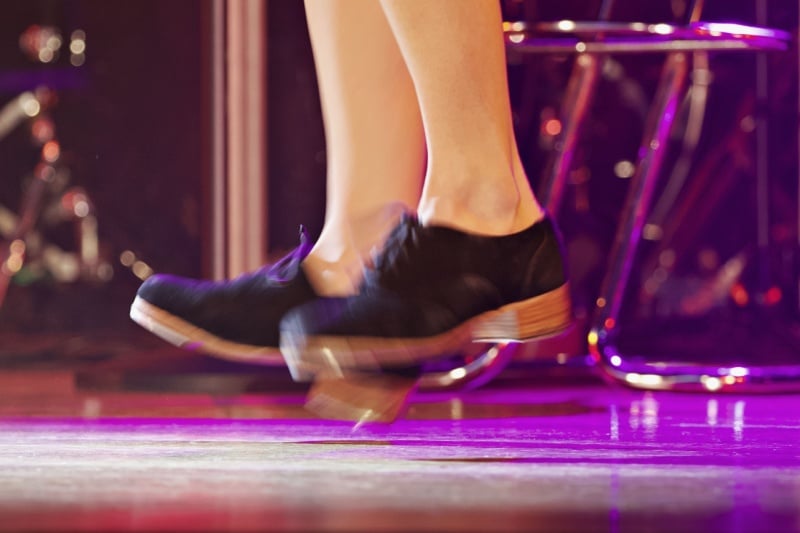
- Single Time Step: A traditional rhythmic combination step used in tap routines
- Slap: A brush forward with the ball of the foot followed by a step, but without the weight transfer
- Spank: A backward brush with the ball of the foot
- Stomp: A forceful step on the whole foot, with the foot immediately lifting off of the floor
- Suzy Q: A step involving a cross step, a side step, and a slide
- Tap: A quick, sharp sound made by striking the floor with the ball or heel of the foot while wearing a hard-soled tap shoe
- Tick Tock: A movement where the feet swing in a pendulum motion, hitting the floor with the toes
- Toe Drop: Dropping the toe to the floor while keeping the heel on the ground
- Toe Stand: Balancing on the tips of the toes, with or without the support of the heels
- Triple Time Step: A complex time step with three shuffles
- Wing: A movement where the dancer scrapes the outside edge of the foot outward before brushing inward and stepping
Additional Resources
- Tap Dance in America: A Short History
- The History of Tap Dance
- From Margins to Mainstream: A Brief Tap Dance History
- History of Tap Dancing
- Introduction to Tap Dancing
- Tap Dance Provides Physical, Emotional Benefits
- Five Tap Dancers and Choreographers to Know
- Top Tap Drills for Beginners
- Mastering the First Three Tap Dance Moves
- The Ten Best Tap Dance Scenes in Film
- 12 Famous Tap Routines
- Iconic Moments in Tap History
- How Tap Has Evolved Over the Years
- Home and Commercial Theater Seating
- Blended Cultures: The Story of Tap Dancing in America