


Contra dancing is a fun, energetic, and welcoming way to be active while meeting new people. Whether you love music, enjoy movement, or just want to try something different, contra dancing offers all of that and more. This traditional form of social dance is easy to learn, even for those who’ve never danced before. You don’t need any special equipment or experience, and you don’t even need to bring a partner. With a lively atmosphere and friendly community, contra dancing is a great way to connect with others and have a good time.
What Is Contra Dancing?
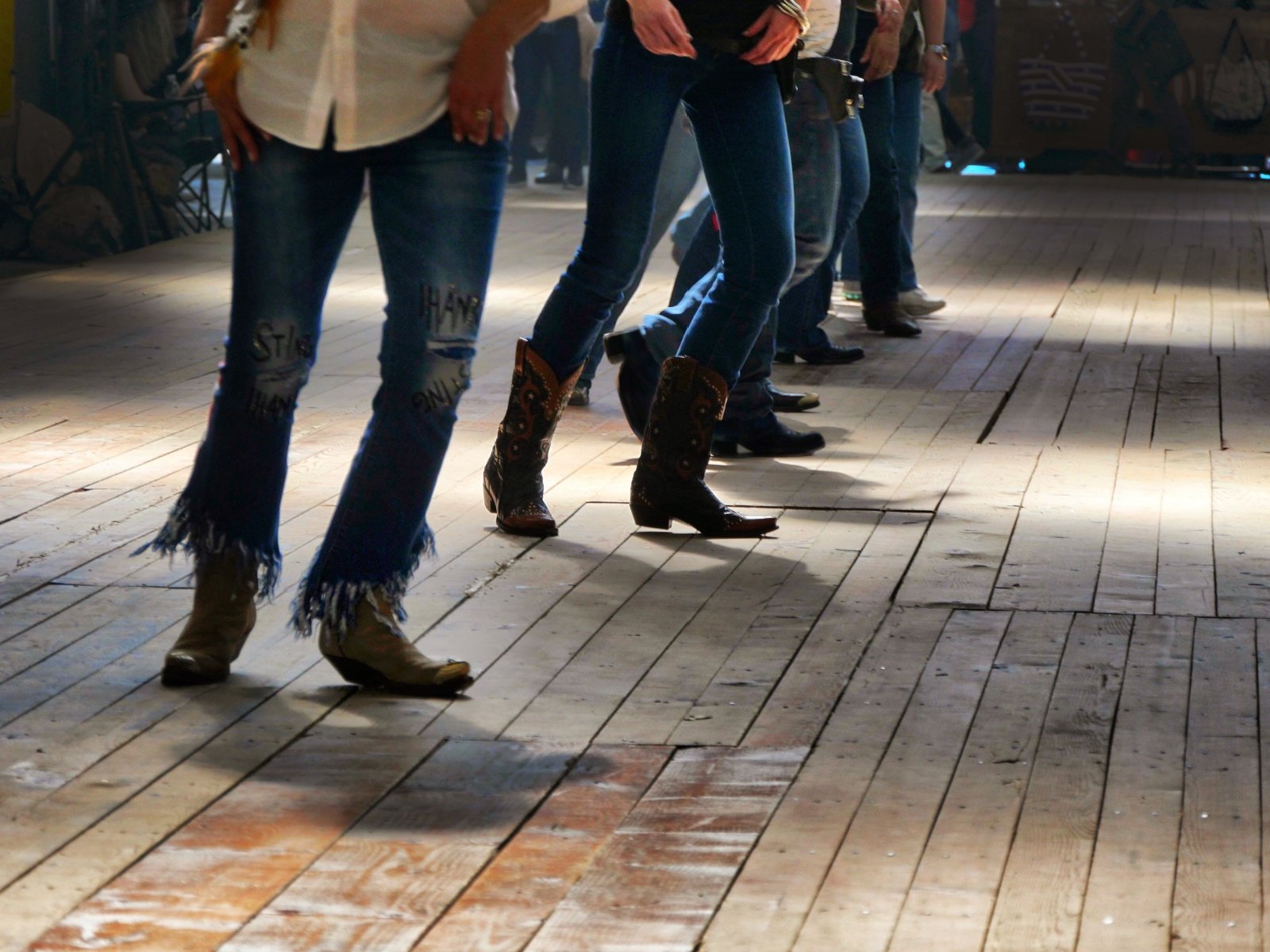
Contra dancing is a type of social folk dance that involves lines of couples dancing in patterns to live or recorded music. Contra dancing is similar to square dancing, but instead of four couples forming a square, dancers line up in two long rows with partners facing each other from opposite sides.
Each dance is a sequence of steps that repeats every 30 to 60 seconds. As the dance continues, couples move up and down the lines, dancing with new neighbors in each round. This pattern creates a flowing, continuous movement that keeps everyone engaged.
What makes contra dancing special is its friendly nature. It’s common and even encouraged to dance with different people throughout the evening. The music is usually traditional fiddle tunes with a Celtic or Appalachian style, which adds to the festive, upbeat nature of contra dancing.
Every contra dance is led by a caller. The caller is someone who explains and walks through the moves before the dance begins. Then, once the music starts, they call out the steps as you dance. After a few repetitions, most dancers have memorized the pattern, and the caller fades into the background, letting the music guide the dance.

Beginner Tips
If you’re new to contra dancing, it might seem a bit confusing at first, but there’s no need to worry: Most people pick up the basics within a dance or two. If you’re going to your first dance, make sure to arrive on time. Most events begin with a beginner lesson about 30 minutes before the official start. This session is a great chance to learn basic moves, meet people, and build your confidence before the dancing really gets going.
You should also be sure to dress for movement. Choose lightweight clothes and shoes that stay secure on your feet. Avoid heels or anything with slick soles, since you’ll be doing quite a bit of moving.
One of the great things about contra dancing is that you don’t have to bring a partner. Dancers usually switch partners between each dance, and regulars are often happy to dance with someone new. As you dance, make eye contact and smile. Contra dancing involves interacting with many different people, and these small gestures help make the experience more enjoyable for everyone.
Pay close attention to the caller. They’ll explain each move before the dance begins and continue giving cues during the first few rounds. If anything’s unclear, it’s perfectly OK to ask questions. And don’t stress about mistakes. Everyone slips up now and then, and that’s part of the fun. Just laugh, keep going, and enjoy the supportive, welcoming atmosphere that makes contra dancing so special.

Basic Steps and Concepts
Most contra dances are built around a few simple steps that repeat in a set sequence, usually timed to the rhythm of the music. Once you get the hang of the pattern, it becomes easier to dance by feel rather than thinking through every move.
Dancers line up in two long lines facing each other, forming what’s called a set. You’ll stand across from your partner and next to another couple, your neighbors, on either side. A group of four people consisting of you, your partner, and one pair of neighbors is known as a minor set. You’ll interact with your minor set through the sequence of moves, then shift positions with your partner to dance with a new couple. That shift is called progression. After each repetition of the dance, you and your partner move one place up or down the line, allowing you to meet and dance with new people. Over the course of a single dance, you’ll end up dancing with nearly everyone in your set.
Each dance typically follows an 8-count or 16-count pattern of movements that repeat in the same order, guided by the beat of the music. This repetition is what makes contra dancing feel intuitive once you’ve done it a few times.
A few moves show up in almost every dance, so it’s helpful to get familiar with them. These include the do-si-do, swing, allemande, balance, and promenade. Learning these basics will set you up for success and make each dance more fun and relaxed.

Glossary of Terms
Here are some of the most common terms you’ll hear at a contra dance:
Active Couple: The pair standing with their backs to the band at the start of the dance in a minor set. They typically begin the sequence of moves, and at the end of a dance, they’ll move down the set, away from the band.
Allemande Left/Right: A turning move where two dancers link specified hands (left or right) in a secure, upright grip similar to an arm-wrestling clasp and walk around one another.
Balance: A four-count move where partners briefly step toward each other and then away
Becket Formation: A variation of the standard contra setup where partners stand side by side rather than across from each other
Circle Left/Right: A simple group move where four dancers join han
Contra Corners: An advanced figure involving specific sequences of allemandes with multiple dancers
Courtesy Turn: A smooth turning movement used in figures like the ladies chain or right-left through. One dancer walks forward while the other backs up, helping both turn to face back toward the set.
Do-si-do: A move where you and another dancer face each other, then walk around one another by passing right shoulders, circling back-to-back without touching, and return to your original spots
Down the Hall: Refers to movement away from the band, typically used when partners are asked to travel together in that direction
Duple: A type of dance structure where two couples complete a cycle of the dance together before progressing
Forward and Back: A move performed in long lines with dancers holding hands where everyone steps forward four beats and then back four beats to the original position
Gypsy: A move similar to an allemande, except dancers walk around each other without touching while maintaining eye contact.
Hands Four: A phrase used to indicate that two couples should join hands in a small circle, forming a minor set for the upcoming dance figures
Inactive Couple: In a minor set, the pair facing the band at the beginning of the dance. This couple moves toward the band in the progression.
Ladies Chain: A traditional move where the women cross the set by taking right hands, then complete the move by turning with the man across from them using a courtesy turn
Major Set: The full length of dancers in two lines, each couple facing their partner
Minor Set: A smaller unit within the major set, most commonly just two couples, that completes one full cycle of the dance before progressing to the next minor set

Pass Through: A straightforward move where dancers face each other and simply walk past by the right shoulder without touching
Promenade: A move where partners walk side by side in a line or curve to a new location
Right-Left Through: Dancers extend right hands across the set and pull past one another, then perform a courtesy turn with the person they meet on the other side, ending by facing the center of the set.
Sashay: Partners face each other, clasp hands, and move sideways across the set using a series of side-steps.
See-Saw: Similar to the do-si-do, but dancers pass left shoulders instead of right while circling back-to-back around each other
Set: A general term used to describe either the full line of dancers (major set) or the smaller grouping of four people dancing together (minor set)
Star Left/Right: In groups of four, dancers extend their left or right arms into the center and grip their wrists to form a star shape. They walk together in the chosen direction, typically returning to their starting place in eight counts.
Swing: A fast-paced, spinning move where partners hold each other in a close ballroom-like position and rotate together
Take Hands Four: At the start of the dance, couples form groups of four by joining hands in small circles.
Up the Hall: Refers to movement toward the band
Wavy Line: A formation where dancers alternate facing in and out while joining hands across the set
Weight: The gentle tension shared between dancers during movements like swings, circles, and turns. Giving proper “weight” ensures smoother, more connected dancing and helps maintain momentum.
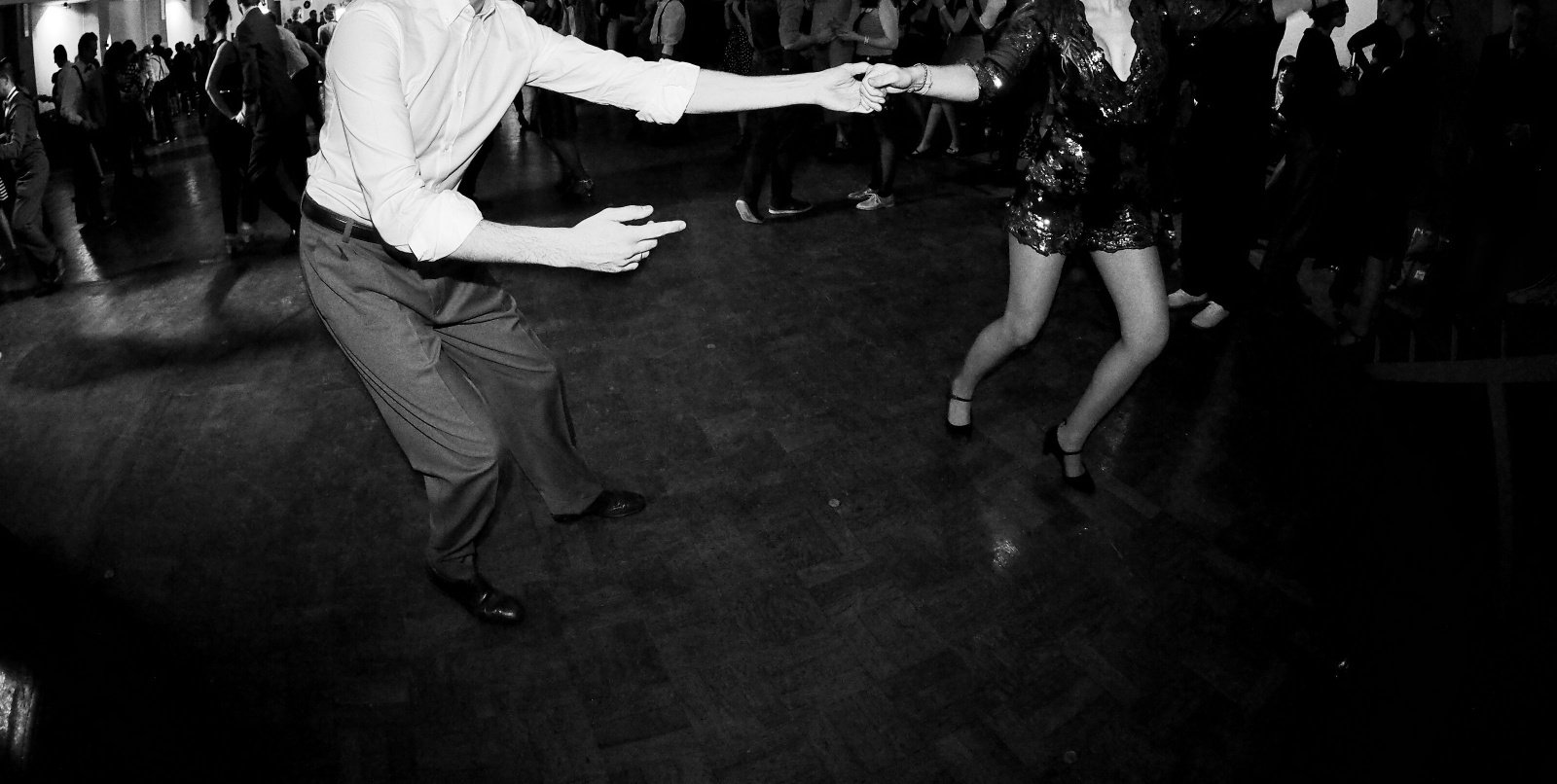
History of Contra Dancing
The origin of contra dancing dates back hundreds of years, with inspiration being found in the English, Scottish, and French country dance styles of the 1600s. Its name stems from the French term “contre-danse,” which means “against-dance,” referring to how couples stood opposite one another in long lines.
However, contra dancing as it’s known today was developed in America. English country dances made their way to colonial America, especially New England, where they evolved into contra dancing. By the 1800s, these dances were a popular part of community gatherings in the U.S., from barn raisings to holiday parties.
Contra dancing faded somewhat in popularity as time moved on, but the folk revival of the 1960s and 1970s led to a resurgence of the dancing style. Young people drawn to traditional music and social connection began forming new dance groups, and contra dancing spread across the country again. Today, you can find contra dance events in cities and towns all over the United States in community centers, schools, and even historic theaters.
Additional Resources
- About Contra Dancing
- A Brief History of Contra Dancing
- What Is Contra Dancing?
- History of Contra, Square, and Round Dancing
- What’s Contra?
- Tips for New Contra Dancers
- Your First Contra Dance
- Contra Tips and Techniques
- Contra Tutorials, Tips, and Terms
- Calling Contras: The Basics
- Home Theater Seating
- Tips for Beginner Dancers
- The Top Ten Things That Make a Good Contra Dancer
- Contra Dance Basics
- How to Contra Dance
- Notes on Calling Contra Dances
Home Theater Seating