


Horseback riding is a skill that combines balance, communication, and trust between human and animal. Whether you’re preparing for your first lesson or simply curious about the world of riding, understanding the basics of horse care and handling can make the experience safer and more enjoyable. From the equipment used to the unique terms riders and trainers rely on, every piece plays a role in building confidence around horses. Learning how to find a good seat in the saddle is just as important as steering or speed control, and the result of all of this effort can be a mix of athleticism and grace that feels like stepping into a live theater of motion, where both horse and rider perform in harmony.

Gear for the Horse
Bell Boots: Rubber or synthetic boots that wrap around a horse’s hooves to protect the heel area from injuries and to prevent horseshoes from being pulled off
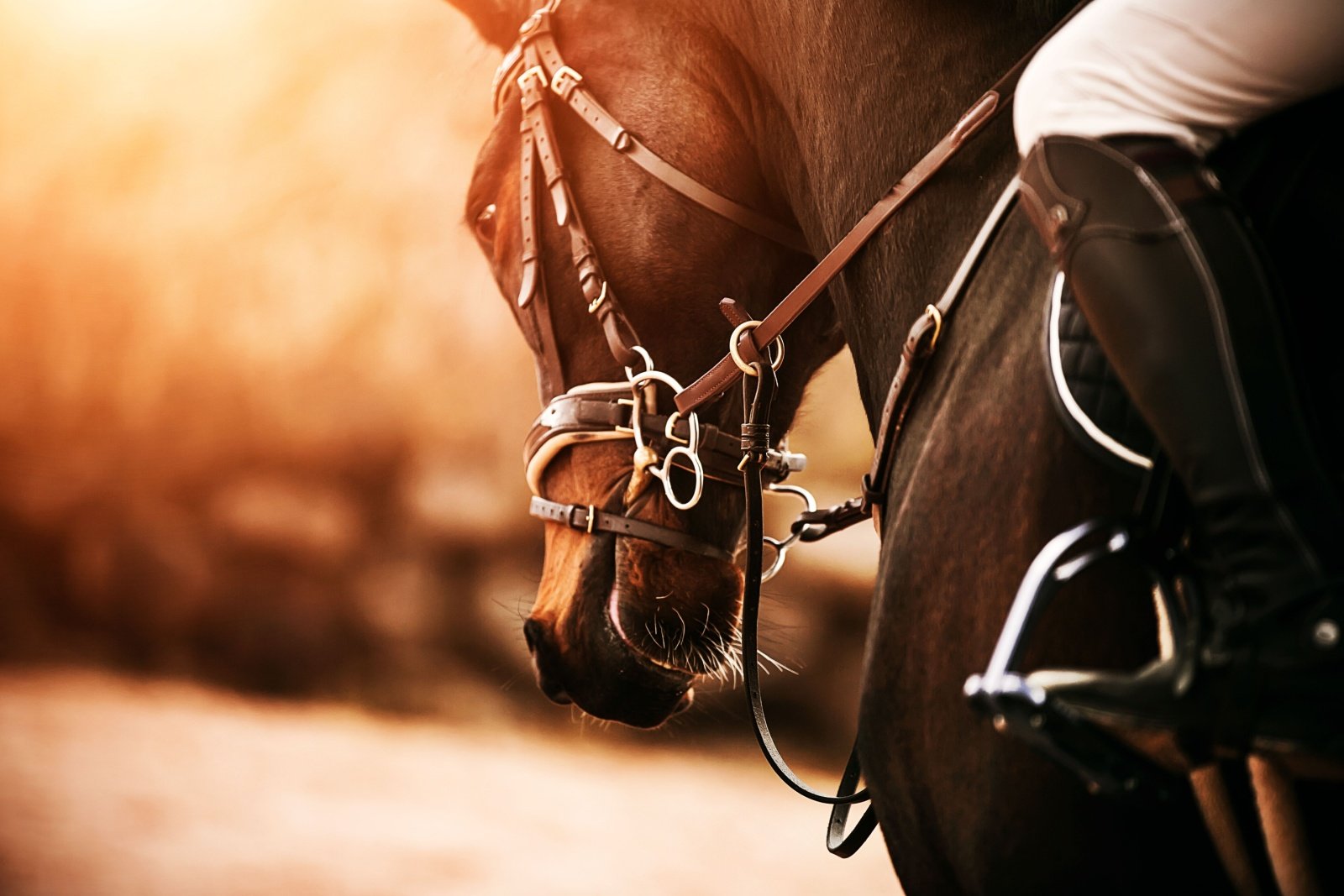
Bit: A metal bar that goes in the horse’s mouth. It connects to the reins and lets the rider communicate with the horse.
Blinkers: A pair of leather pieces that attach to the bridle and cut off the horse’s peripheral vision
Bridle: A piece of equipment that fits on a horse’s head and holds the bit and reins, helping the rider guide the horse
Girth: A strap that goes under the horse’s belly to keep the saddle in place
Halters: A headpiece used to lead or tie up a horse when not riding. It doesn’t have a bit.
Lead Rope: A rope that’s attached to the halter and used for guiding the horse on foot
Reins: Straps attached to the bit and held by the rider to steer or stop the horse
Saddle: A seat strapped to the horse’s back for the rider to sit on
Saddle Pad: A cushioned pad placed between the saddle and the horse’s back
Stirrups: Metal footrests hanging from each side of the saddle to help the rider mount and balance

Gear for the Rider
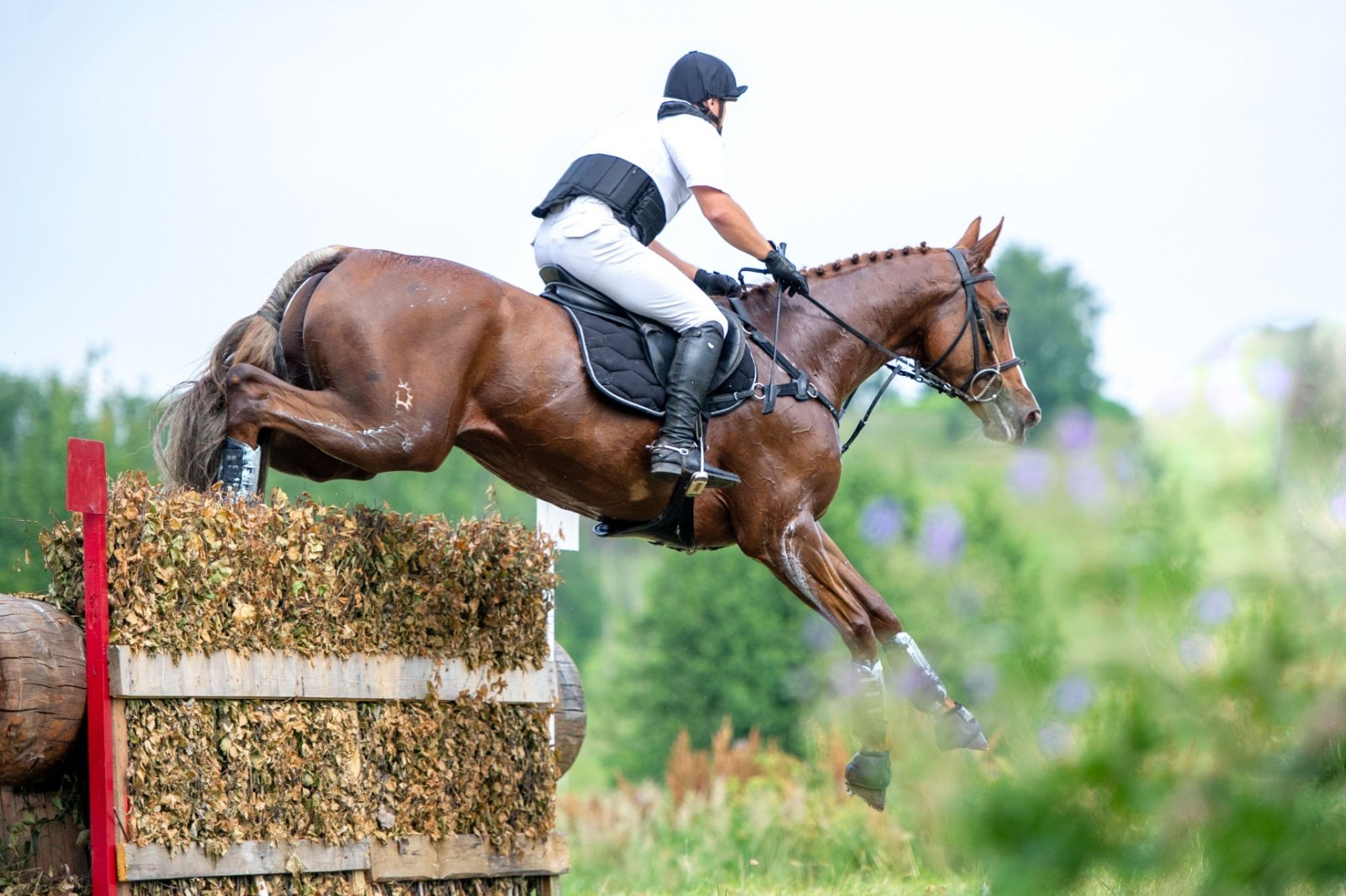
Body Protector: A padded vest that helps protect a rider’s chest and back from injury
Gloves: Worn to protect hands and give better grip on the reins
Helmet: A safety device made to protect the rider’s head in case of a fall
Riding Boots: Sturdy boots with a small heel to keep feet from slipping through the stirrups
Riding Crop or Whip: A short stick used to encourage the horse to move or listen to commands
Riding Pants (Breeches or Jodhpurs): Pants made for comfort and flexibility while riding. They often have extra padding at the knees.

Parts of a Horse
Fetlock: The joint just above the hoof, like an ankle
Flank: The side area between the ribs and the back legs
Hoof: The hard foot of the horse, kind of like a giant toenail. It needs regular care and sometimes horseshoes.
Mane: The long hair along the horse’s neck
Muzzle: The horse’s nose and mouth area
Poll: The spot right between the horse’s ears on top of its head
Tail: The hair at the back, used by horses to swat flies
Withers: The top point of a horse’s shoulders, just above the front legs. It’s where a horse’s height is measured.

Terms to Describe Horses
Colt: A young male horse
Filly: A young female horse
Foal: A baby horse (less than a year old)
Gelding: A castrated male horse
Green Horse: A horse that is new to training or riding
Hands: The unit used to measure a horse’s height. One hand equals 4 inches.
Mare: An adult female horse
Stallion: An adult male horse that has not been castrated
Yearling: A 1-year-old horse
Riding Terminology
Canter: A three-beat gait, faster than a trot
Cross-Country: An endurance event for horses and riders that includes jumps along the course
Cue: A signal the rider gives the horse using their legs, voice, hands, or body movement
Dismount: To get off a horse
Dressage: A competitive event that judges how well a horse and rider work together to complete a series of movements
Eventing: A sport that includes dressage, cross-country, and show jumping
Gallop: The fastest horse gait. It’s a full run.
Half-Halt: A brief pause or light pull on the reins to get the horse’s attention or ask for better balance
Mount: To get on a horse
Posting: When the rider rises and sits in rhythm with the horse’s trot to make the ride smoother
Show Jumping: A competition based on how quickly a horse and rider can jump over a series of obstacles
Trot: A two-beat gait, faster than a walk but slower than a canter
Walk: A slow, four-beat gait

General Horse Terms
Barn: Another word for a stable, though it may also store feed and gear
Farrier: A person who trims and shoes horse hooves
Grooming: Brushing and cleaning a horse to keep it healthy and comfortable
Paddock: A small field or fenced-in area where horses can exercise
Pasture: A large grassy area where horses graze and move around freely
Arena: A large riding space divided into sections for different training purposes, such as jumping or riding on level ground
Stable: A building where horses live
Tack: All the gear used on a horse for riding or working
Trainer: Someone who teaches horses and riders
Additional Resources
- Horse Jargon: Beginner Riding Terms
- What to Know Before Your First Riding Lesson
- Western vs. English Riding for Beginners
- Learn the Parts of a Horse
- Equestrian 101: Olympic Event Terminology
- Move Like a Horse: Understanding Gaits
- Home Theater Seating
- Basic Equipment You Need for Your First Horse
- Competitive English Horse Events
- Curved Theater Seating
- A Complete Guide to Horses
- Beginner Guide to How to Ride a Horse