
How Famous
Directors
Watch Movies
—Inside the Viewing Habits of Cinema’s Greatest Minds
Directors —
The Architects Of Cinema
What happens when directors — the architects of cinema — sit down and watch a movie? Do they analyze every shot composition? Do they obsess over lighting? Or do they just relax and soak up every emotion like the rest of us?
Peering into the movie-watching rituals of these visionaries can help us get a better cinematic experience and enjoy film on a much deeper level.
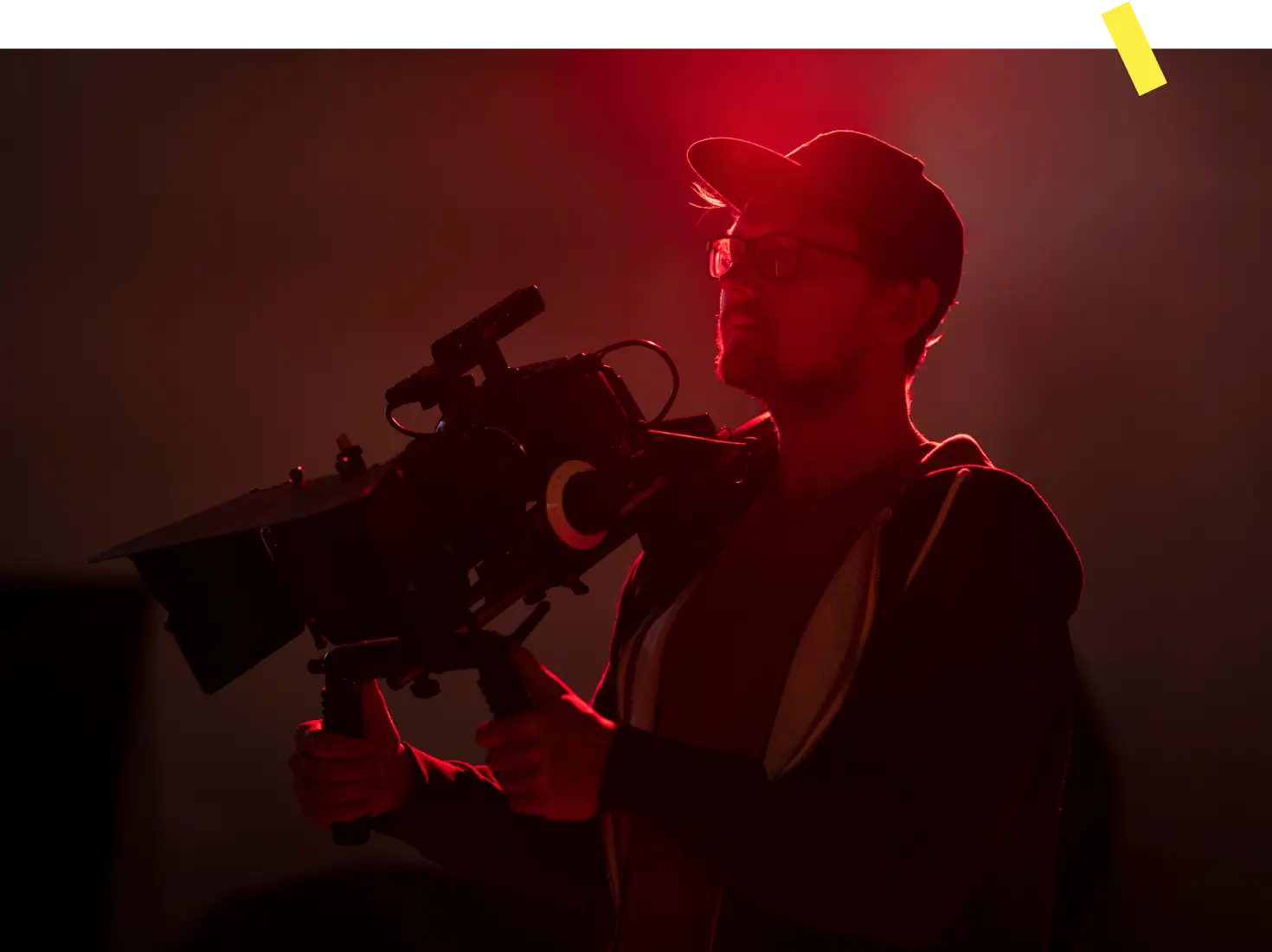
It can also give us a sneak-peak glimpse into their fascinating creative minds, revealing how they got their cool ideas, how they pick up stuff from other things they’ve seen, and how their unique perspectives transform your average movie viewing into a masterclass in storytelling.
From the introspective cinephile who we all know as Martin Scorsese, who enjoys soaking up movies in his own company, to Wes Anderson, the vibrant aesthetic curator who makes a party out of every film viewing, each legendary director has their own way of enjoying cinema.
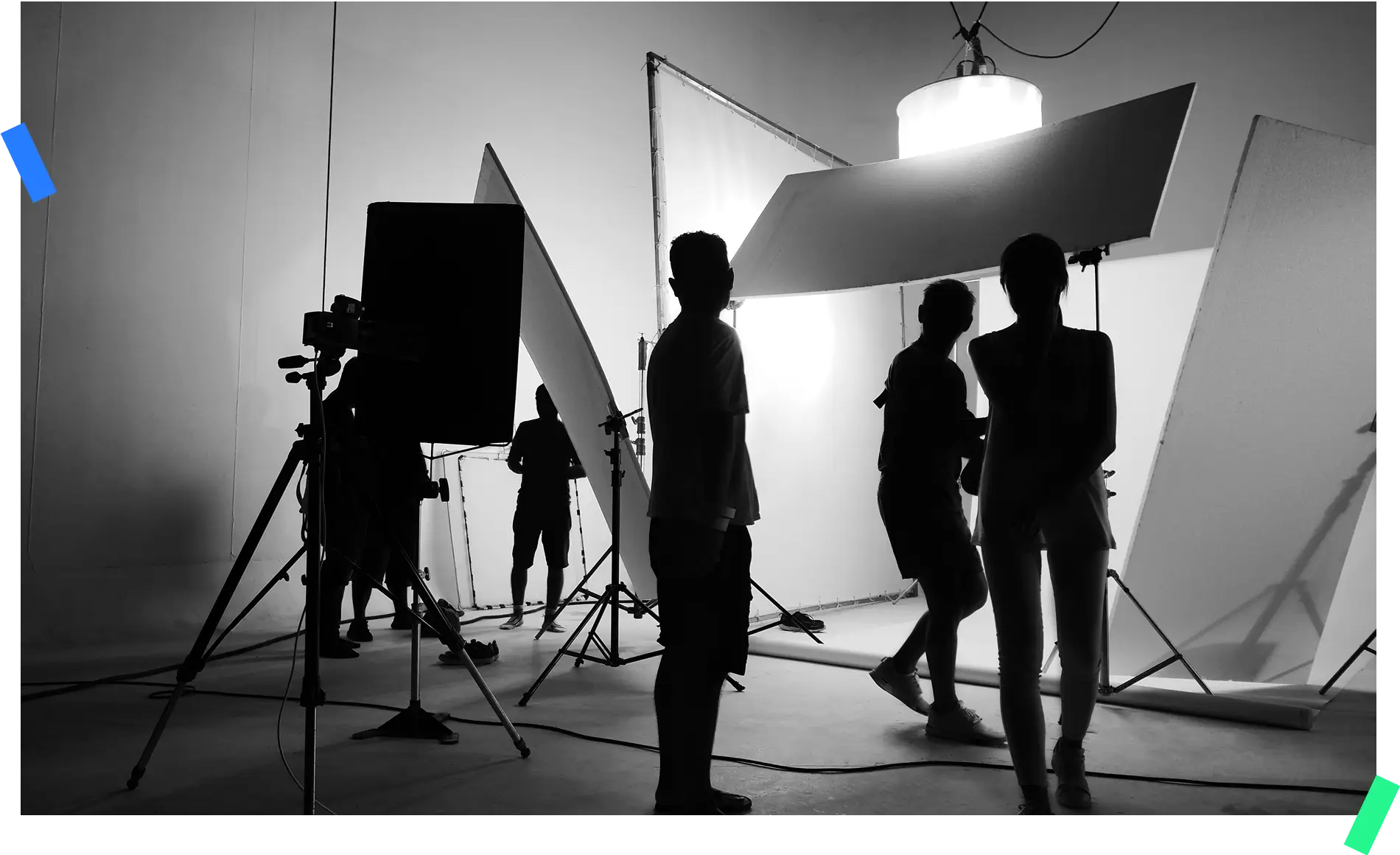
This article delves into the viewing habits of iconic directors, revealing how their approaches to watching films inform their own cinematic creations. Expect to discover the viewing preferences of each director, what cinematic elements they’re most drawn to, what films influence their own work, and much more. We also unveil directors that steer clear from watching their own work, and their reasons why.
If you’re a cinephile seeking to deepen your film-watching experience and enrich your critical understanding and appreciation for the silver screen, this is the perfect place for you to explore how the greatest directors engage with cinema and adopt their artistic lens — after reading our article, the way you watch film will be transformed forever!
Discover how cinema’s biggest legends don’t just make films but also experience films with a depth and intensity that mirrors their own storytelling. Their eyes see more, and so can yours. So, dive into this article and step into their world.
one
Martin Scorsese
The Introspective Cinephile


Martin Scorsese isn’t just a filmmaker — he’s a force of cinema.
1942 / Queens NYC
Born in 1942 in Queens, New York, he was raised in one of the most bustling cities in the world, and a melting pot for creation and cultural diversity. As a kid, Scorsese was a shy, asthmatic boy who spent many of his days alone. Being a lone-wolf with a passion for film, he became accustomed to visiting movie theaters alone and watching movies.

building blocks of filmmaking
But, unlike your average New York kid who went with friends or a date to the cinema, Scorcese treated each viewing as a lesson. He soaked up all the building blocks of filmmaking — visual literacy, emotional resonance, storytelling techniques, film history, you name it.

Visual
Literacy

Emotional
Resonance

Storytelling
Techniques

Film
History
From his youth until now, he’s treated cinema as a sacred art form that is to be enjoyed and respected as a vital expression of the human experience.
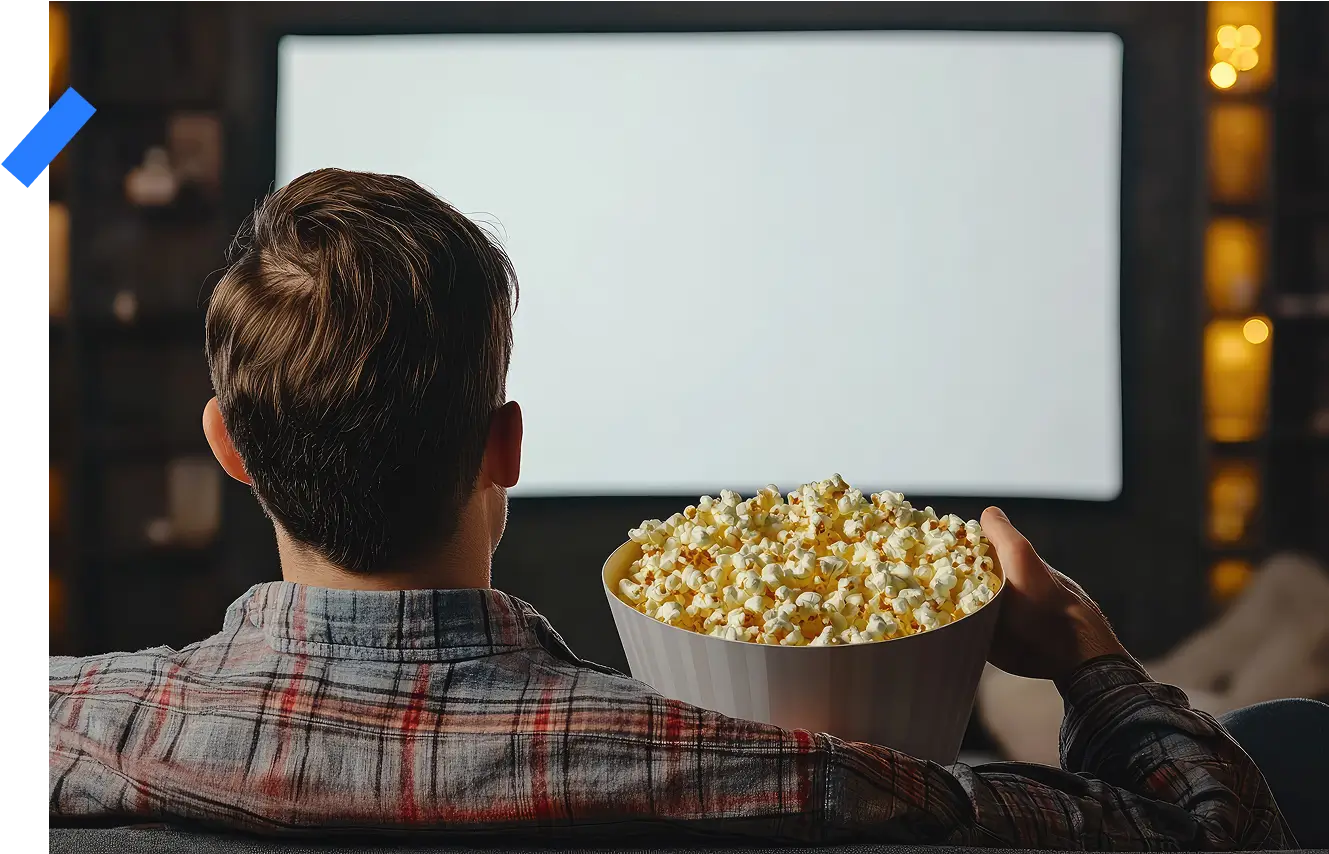
Scorcese prefers to watch movie all alone
Because Scorcese spent so much time alone in dark cinemas, his habits carried through to his adulthood, and even now, as a famed director surrounded by like-minded talent, he still prefers to watch movies all alone. It’s rumored that Scorsese prefers a solo viewing experience because it lets him fully immerse himself in the narrative unfolding — and there’s definitely something we can take away from that!
Watching movies is always fun with all your friends and family, but it’s equally rewarding to get snuggled up on your own and get lost in a movie. When you read a book, you read it alone, and in doing so, you create your own little world where your interpretation and emotions are solely influenced by what you’re taking in.
When you watch a movie in solitude, no one around you is there to drop side comments and change your perspective or opinion, no one can shift your emotions by laughing (or crying) at the wrong moment — there’s nothing to pull you out of the action.
This goes hand-in-hand with connecting on a much deeper level to the story. You get to experience the full range of emotions that a film evokes — with no interruptions — which is a key reason why Scorcese believes intimate movie-watching settings are the best.
Films That Have Inspired Martin Scorsese —
His Favorite Picks
While Scorcese’s artistry is completely unique and one-of-a-kind, it didn’t come from nowhere. He’s taken notes from some of the most iconic and revolutionary movies in cinematic history. Let’s check them out:


two
Quentin Tarantino
The Immersive Storyteller
There’s no one out there who does it quite like Quentin Tarantino. He’s a visionary daredevil who doesn’t shy away from the bad and the ugly. His work is sprinkled with dark humor, brutality, and thrills. He’s got this cinematic swagger about him that’s impossible to forget.
From shocking audiences with a sudden burst of violence to throwing us off guard with random monologues about Madonna lyrics, Tarantino’s movies are equally fantastical, subversive, and unapologetically self-aware.
a novelistic approach to film watching
Tarantino makes films unlike anyone else, and if you thought that Quentin Tarantino watches movies like us folk, think again. He takes a novelistic approach to film watching. For him, each film is a storybook, and every scene is a chapter. He approaches cinema in the same way one would approach the greatest literature — with total focus, reverence, and passion.

It’s said that he never skips a scene or checks his phone, he’s locked-in from start to finish. That way, Tarrentino doesn’t miss a second, and can fully analyse the pacing, composition, and artistry of the movies he’s watching. And it’;s not just how he watches films that’s so fascinating, but also what films he surrenders his time to.
Tarantino has said in interviews that traditional film, particularly 35mm, takes the lead over digital capture. In fact, Tarantino rejects modern technology altogether. He refuses to use a modern cell phone, chooses VHS over online streaming, and avoids digital capture at all costs when making his own movies.
While his methods might seem a little extreme and excessive, we can all learn a thing or two from Tarrentino’s movie watching habits. By treating film like literature, and reading into every scene with no skips or distracting phones, we can be fully present as the narrative unfolds at its intended pace with the attention it deserves.
pays close attention to
He also reads in between the lines. Instead of just analyzing the plot, he pays close attention to the lesser known elements that tie a film together, like the pacing, composition, dialogue, character development, and visual composition.

While it might seem critical to watch movies like this, you’ll find that you actually get a better idea of whether it’s a good film or not when you look at the finer details. This will undoubtedly help you deepen your respect for cinema and filmmaking as an art.
As we’ve said before, Tarrentino doesn’t stream his movies, It’s strictly a DVD or VHS format for him. By watching something in an old-school format, you can experience the film in a completely different way, giving your watching experience a little more novelty and charm. You might even pick up on subtle differences, like the texture and overall playback quality.
He also has an eclectic taste in film. He doesn’t stick to a specific genre but rather delves into all the inventive corners that cinema has to offer. By adopting Tarrantino’s genre-agnostic attitude, you’ll be unlimited in your cinematic exploration, and maybe you’ll even discover a new genre you otherwise wouldn’t have checked out before.
Quentin Tarantino's Essential Movie List
Quentin Tarantino is known to draw directly from the movies he most admires and loves — and he isn’t afraid to admit it. He’s all for paying homage and creative tribute to the greatest movies and filmmakers out there. Here’s a list of his essential movies that every Tarantino fan should watch:

three
Wes Anderson
The Aesthetic Curator
When it comes to quirky, bright, stylized storytelling, there’s one name that comes to everyone’s mind: Wes Anderson. Anderson is a curator of whimsy cinema with a French flair. His style is instantly recognizable and unlike any other — it’s safe to say he carved out a niche that’s playful, nostalgic, and unmissable.
To understand his films — their pastel drenched color palettes, dollhouse compositions, bittersweet characters, and eccentric plots — we’ve got to dig a little deeper and look at what Anderson actually watches to get his creative juices flowing.
Wes Anderson film color palette

For Anderson, watching a film is both a visual and a communal experience. Unlike Scorcese, who advocates for the solo cinema experience, it’s speculated that Anderson loves the communal vibe of watching a film and believes it’s the best way to enjoy a movie. He’s a very collaborative artist and builds strong relationships with his actors and crew, so it’s no shock that he’s the type of guy to enjoy a movie night with friends.
Watching movies together is a great way to share interpretations and open your mind to new ideas while simultaneously soaking up the joy of cinema.
Anderson doesn’t just sit and enjoy films — he meticulously observes them as if he were a painter studying a canvas. He pays complete attention to framing, symmetry, and color composition, which is obviously reflected throughout his own work. To watch a movie like Wes Anderson’s is to truly admire and appreciate the craftsmanship behind the lens
— it’s not just about entertainment; it’s also about mood, meaning, and visual poetry.
So, the next time that you host a movie marathon with your best pals, shift your focus to the artistic details, like the color palettes, the framing, the symmetry, the tone, and see what you make of it!
Wes Anderson's Love Letter To French Cinema
Wes Anderson’s playful style of filmmaking is completely distinctive, but it does have a charm that only one other realm of cinema can evoke: classic French cinema. His penchant for stylized storytelling is born from his adoration for French filmmaking. The vibrancy, the retro nostalgia, the elegant melancholy — it’s all deeply embedded in his cinematic DNA. Let’s see what films have helped Anderson curate his signature movie aesthetic:
four
Pedro Almodóvar
The Emotional Narrator

Pedro Almadóvar is among Spain’s most celebrated and influential filmmakers.
It’s not an Almadóvar film without vibrant color palettes, deeply emotional narratives, and authentically human characters. If you’re after a masterclass in melodramatic yet sincere cinema, his most acclaimed works, like Women on the Verge of a Nervous Breakdown (1988) and All About My Mother (1999), are definitely a must-watch.
Emotion is a key ingredient in Pedro Almadóvar’s movies, so it’s no surprise that he seeks out films that move him. Unlike other directors, like Tarantino — who are more fixated on technical perfection — Almadóvar is much more focused on raw, personal storytelling that stirs up something deep inside you.
As an audience, we can gain a more compassionate understanding of cinema by channeling Almadóvar’s emotional lens. Focusing more on how a film makes you feel, rather than how perfect it is, can help us resonate with the characters and overall emotional journey on a much deeper level.
Pedro Almadóvar’s Ode To Spanish Cinema
Spanish culture is central to Almadóvar’s style — his films are infused with flamenco music, Catholic imagery, and Iberian folklore. If you’re yet to experience the excellence of Spanish cinema, Almadóvar’s top picks are a superb place to start:
five
Nicolas Winding Refn
The Visual Experimenter
Refn has color blindness, which works in his favor as a superpower when making and watching films. What he lacks in color, he makes up for in lighting awareness — he focuses on the lighting composition of every scene, drawing on how shadow and contrast impact the storytelling, emotional tone, and overall vibe of a movie.

The Light and shadow play
What Refn teaches us as an audience is to focus on the visual language of cinema — how light, shadow, movement, and color (or a lack of it) all comes together to tell a story just as powerfully as dialogue can.
Nicolas Winding Refn Die-Hard Love for Cult Classics
Refn’s genre-bending style is reflective of his love for off-beat, fringe films that we appreciate as cutting-edge classics. Let’s see what’s pushed him to embrace such provocative storytelling:
six
The Russo Brothers
The Educators
The Russo Brothers welcome interactive movie-watching and discussions — they’ve even got a podcast for it!
They use their platform to dissect movies and help budding filmmakers better understand the techniques that make good cinema. They aren’t limited to just one kind of genre, so expect each episode to delve into every corner of the film, be it comedy, horror, or cult classic.
When you’re next watching a movie, try embracing The Russo Brothers’ approach to interactive viewing. Here’s what you can get out of engaging with movies like them:
Pause, Rewind, Rewatch
Don’t be a passive audience member — pause to ask questions as you go, rewind scenes to really soak up every detail, and rewatch entire movies a few times to really grasp the core elements of storytelling.
Dive Into Every Genre
Broaden your cinematic diet. Jump into indie dramas, fast-paced actions, spooky horror movies, and more — you’ll get a huge range of storytelling lessons from every angle.

Use Films As a Learning Tool
The Russo Brothers treat films as an opportunity to visually learn the recipe that makes great cinema, and you should too! Sharpen your own critical and creative skills by breaking down every structure, tone, and pacing in the movies you watch.
seven
Ben Affleck
The Reflective Commentator
Ben afflick is more than just the star of movies — he’s also the brains behind them. That’s right, Afflick is a seasoned director, who had his directorial debut way back in 2007 when he made Baby Gone Baby.
1998
Armageddon
Directed by Michael Bay
When it comes to movie watching, Affleck loves to honestly reflect upon the filmmaking process of his works, like Armageddon (1998) – a film he starred in that’s directed by Michael Bay. He openly discusses things like creative choices and on-set challenges, giving us raw, unfiltered insight into the blood, sweat, and tears that go into filmmaking.
As a spectator, try engaging in Affleck’s reflective thinking. Why not host a movie night with fellow cinephiles where you sit together and deep dive into the ways a story was crafted? Or, perhaps, enjoy your own company, putting your thoughts together in a journal, ensuring you’re as candid and unapologetic as Affleck is with his own commentary.
Directors Who Avoid
Watching Their Own
Work
While some directors love watching other people’s work and their own, others shy away from watching their own creations — but why?
Well, it could be down to obsessive perfectionism, discomfort with their artistic decisions, negative associations with filming, or even the desire to move on and open a new creative chapter as a director.
According to Screen Rant, David Fincher avoids watching some of his own films due to dissatisfaction with the final product.
2003
Alien 3
Directed by David Fincher
Fincher notoriously avoids Alien 3 (2003) at all costs. He’s gone as far to say that he hates it. Many think it’s because this movie didn’t get the same critically acclaimed attention as its earlier installments did. So, maybe Fincher’s distaste and avoidance is down to embarrassment?
1955
Rebel Without a Cause
Directed by Orson Welles
Orson Welles is another director who made a particular film that he hated: Rebel Without a Cause (1955). His aversion is allegedly rooted in the fact that the movie was not released when he wanted it to come out. It ended up being delayed and released a month after James Dean died in a car accident.
Conclusion
To wrap things up, directors give us more than movies to watch — they give us new approaches to watch movies!
Whether it’s Martin Scorsese’s deeply introspective lens, Quentin Tarantino’s novelistic engagement, Wes Anderson’s fixation of visual composition, or The Russo Brothers’ invitation for discussion and learning, each perspective offers its own unique insight that can transform how we appreciate and understand cinema altogether.
Such viewing habits have the power to influence how we interpret everything — narrative structure, visual aesthetics, character development, you name it.



So, next time you’re getting cozy on your recliner with some popcorn, are you going to just sit back and passively absorb the movie or be actively engaged by adopting the many viewing techniques of these legendary directors?
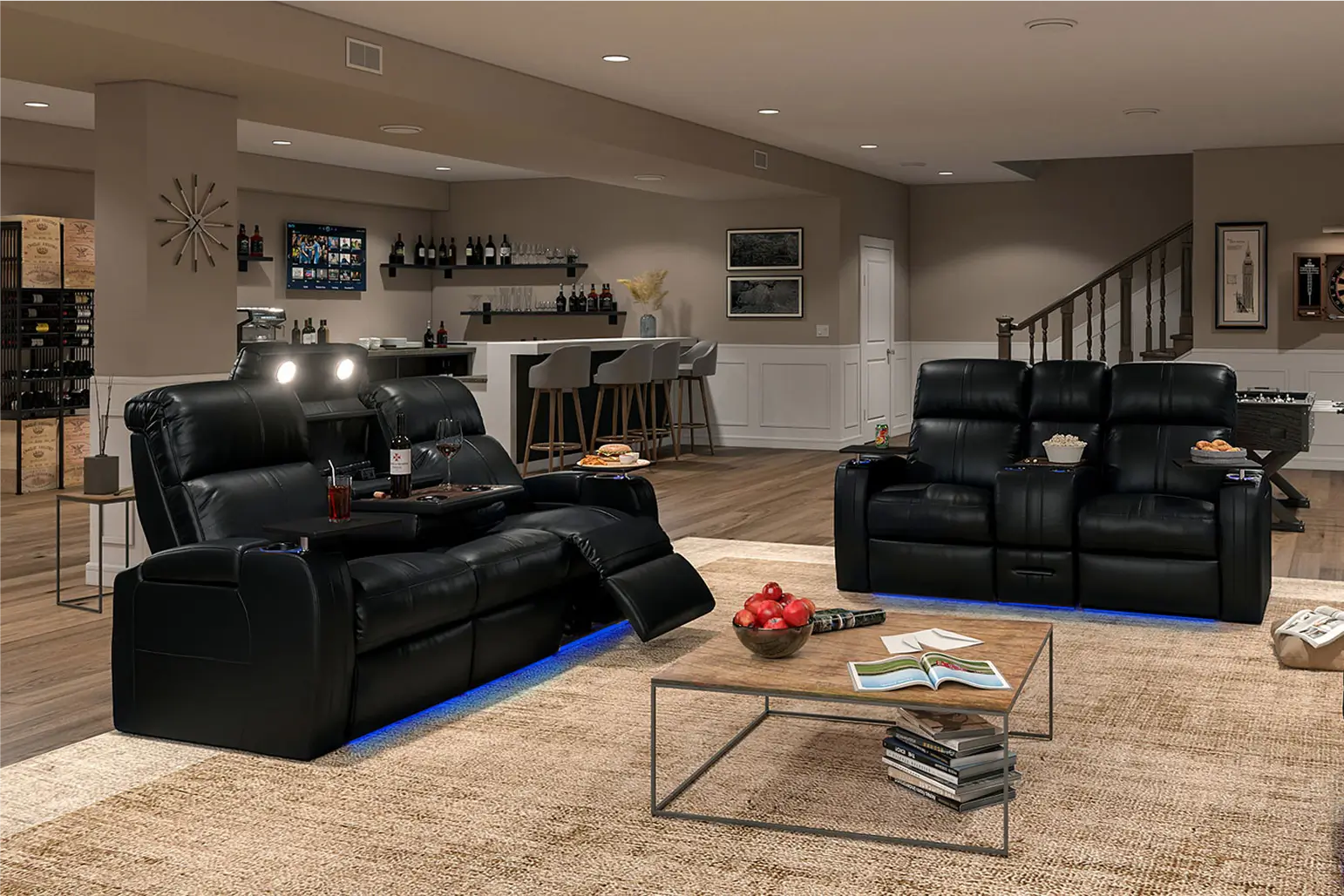
If you choose the latter, we guarantee you’ll get much more out of every cinematic experience. Every scene will be savored, and every intended message and level of artistry appreciated. You’ll not only level-up your film appreciation, but also your storytelling skills.