
Theater has been around for thousands of years, but have you ever stopped to wonder how it all started? Before Broadway and Hollywood, before Shakespeare and musicals, there were open-air spaces, stone seating, and traveling actors carrying their costumes, props, and scenery from town to town on carts. Theater has transformed over time, but its heart, storytelling and performance, has remained the same, and it’s had an impact on human culture from ancient times to the present day.
2000 B.C.E.

According to historians, the earliest known theatrical spaces date back to around 2000 B.C.E. on Minoan Crete. These early performance areas were open-air spaces made of stone, designed for rituals, storytelling, and communal gatherings. These performances may not have been plays as we know them today, but they laid the foundation for later theatrical traditions. The Minoans valued dramatic storytelling, using music and dance to express their myths and religious beliefs.
600 B.C.E.
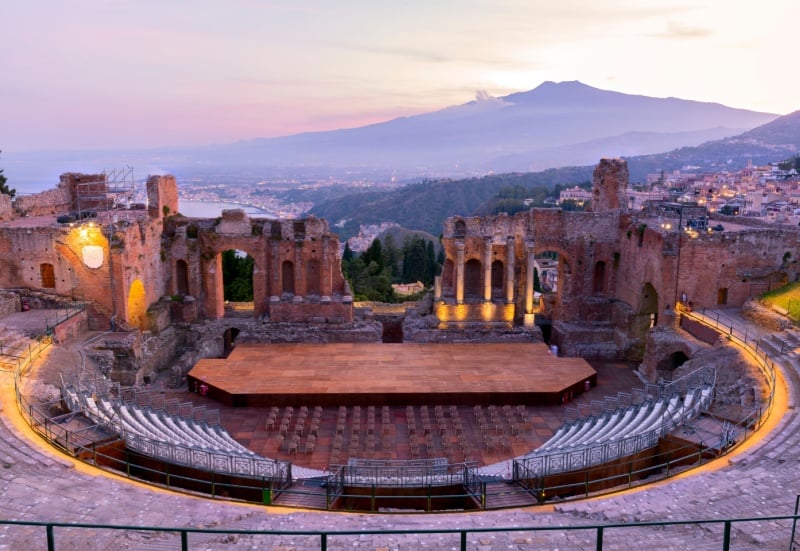
By the 6th century B.C.E., theater had become an essential part of Greek culture. Greek drama was deeply tied to religious festivals, especially those honoring Dionysus, the god of wine and fertility. This period saw the emergence of Thespis, the first known actor to step out of a chorus and deliver lines solo, giving us the term “thespian.” Greek theaters were vast, seating thousands of spectators in open-air spaces, and they introduced key theatrical elements such as masks, the orchestra (a circular performance area), and the distinction between tragedy and comedy. Notable playwrights such as Sophocles, Euripides, and Aeschylus crafted works like Oedipus Rex and Medea, which are still performed today.
300 B.C.E.
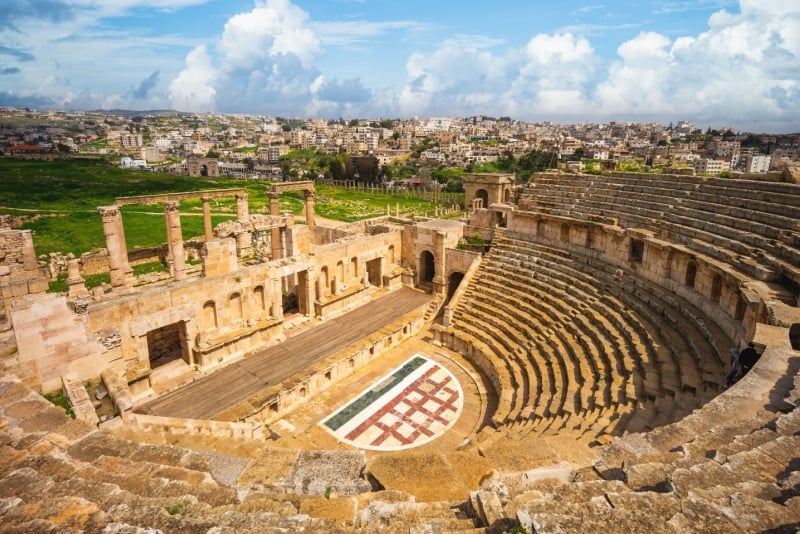
The Romans borrowed heavily from Greek theater, but by 300 B.C.E., they had begun developing their own styles. Roman theaters were grander and more enclosed, featuring impressive backdrops, enhanced acoustics, and elaborate stage machinery. Unlike the religious roots of Greek theater, Roman performances focused on entertainment, including elaborate comedies, pantomimes, and even gladiatorial spectacles. Notable Roman playwrights like Plautus and Seneca helped shape comedic and dramatic structures still seen in modern theater. However, after the fall of Rome, formal theatrical productions declined for centuries due to political instability and the rise of the Christian church, which viewed theater with suspicion.
1500s C.E.
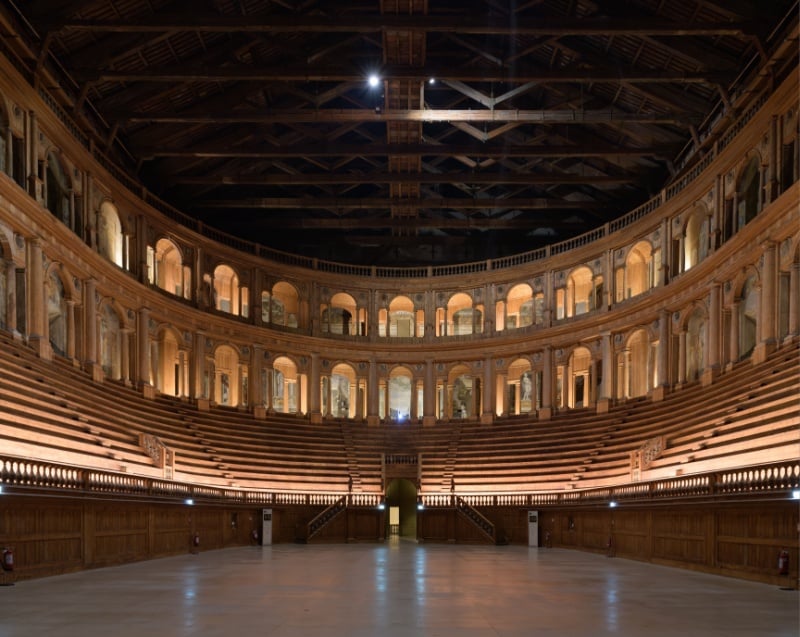
The Renaissance marked a major revival of theater. This period gave rise to some of the greatest playwrights in history, including William Shakespeare, Christopher Marlowe, and Molière. In England, the Globe Theatre became the home of Shakespearean productions such as Hamlet, Romeo and Juliet, and Macbeth. Shakespeare’s works explored universal themes of love, power, revenge, and fate, making them timeless pieces of literature. Theaters in this era moved from temporary stages in courtyards to grand playhouses, and professional acting companies became established. The use of elaborate costumes, creative stage design, and the development of dramatic structure during this period set the stage for modern theater.
1800s and 1900s

The 19th and 20th centuries saw theater expand into a wide variety of styles and traditions worldwide. The rise of Broadway in New York and London’s West End turned theater into a major entertainment industry. Musicals gained popularity, with legendary productions such as Les Misérables, The Phantom of the Opera, and West Side Story redefining storytelling through song and performance. Meanwhile, experimental theater, community productions, and off-Broadway shows allowed for more diverse voices and innovative storytelling techniques. This era also saw the rise of realism and naturalism in theater, pioneered by playwrights like Henrik Ibsen and Anton Chekhov, who aimed to portray everyday life with authenticity.
2000s to the Present

In the 21st century, theater continues to evolve. Modern productions experiment with technology, using projection mapping, immersive experiences, and interactive performances to engage audiences in new ways. Productions like Hamilton by Lin-Manuel Miranda blend hip-hop, history, and musical theater to create groundbreaking performances. Streaming services have also allowed theater to reach global audiences, making productions more accessible than ever. Even with the rise of digital entertainment, live theater remains a unique and powerful form of storytelling that captivates audiences worldwide.
Theater as a Literary Art
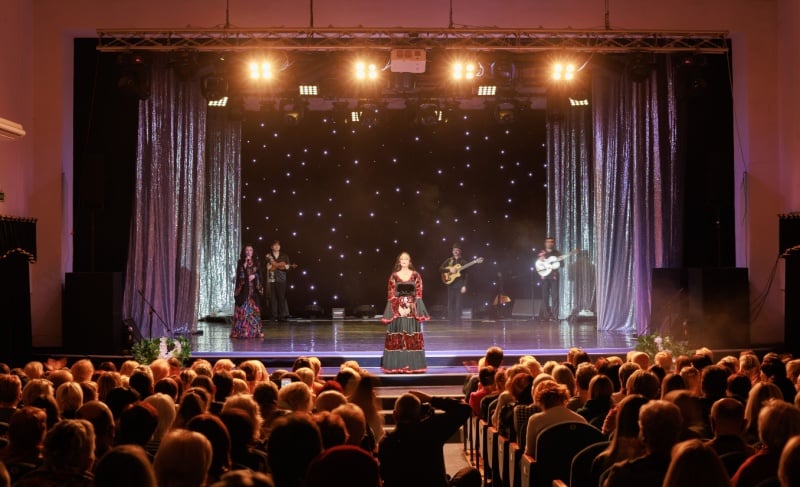
While theater is a visual and auditory experience, it is also a form of literature. Every great play begins with a script, carefully crafted words that bring stories, emotions, and characters to life. Whether it’s the poetic tragedies of Shakespeare, the thought-provoking dramas of Arthur Miller, or the fast-paced musical lyrics of Miranda, theater is writing in motion. It blends dialogue, stage directions, and character development into a living, breathing form of storytelling. Playwrights must consider how their words will be performed, making theater a unique intersection of writing and performance art.
Why Theater Still Matters
Even in an era dominated by movies, TV, and digital entertainment, live theater remains a powerful and irreplaceable art form, and the sale of theater tickets continues unabated. There’s something magical about watching actors perform in real time, experiencing the energy of the audience, and being drawn into a story in a way that no screen can replicate. Theater fosters human connection, inspires social change, and allows audiences to explore complex themes through performance. From ancient rituals to modern Broadway productions, theater has continuously adapted while maintaining its core purpose: to tell stories that resonate with people.
- Gladiators, Theater and Ancient Roman Entertainment
- Theater Design: Ancient, Renaissance, and Modern
- Nine Must-See Classical Plays to Better Understand Theater
- Classical Greek Tragedy
- Curved Theater Seating
- History of Theater
- Ten Ways in Which Shakespeare Changed the World
- The Best Plays for New Theatergoers
- The Best Home Theater Seating
- 21 Famous Works of Literature That Inspired Broadway Musicals
- Quick History of Theater in America
- 19th Century American Theater