

Film preservation refers to the ongoing process of protecting motion picture materials and ensuring their availability for future generations. In the past, preservation was mainly associated with duplication, copying old film onto new stock. Today, the definition has expanded to include proper storage and handling as well as restoration and access to these works. Film is a delicate medium that requires consistent care; even duplicated versions may need reprocessing over time due to evolving standards and techniques. But with some effort, memories and works of art can be saved for people in the future to enjoy.

Preservation Methods
Conservation
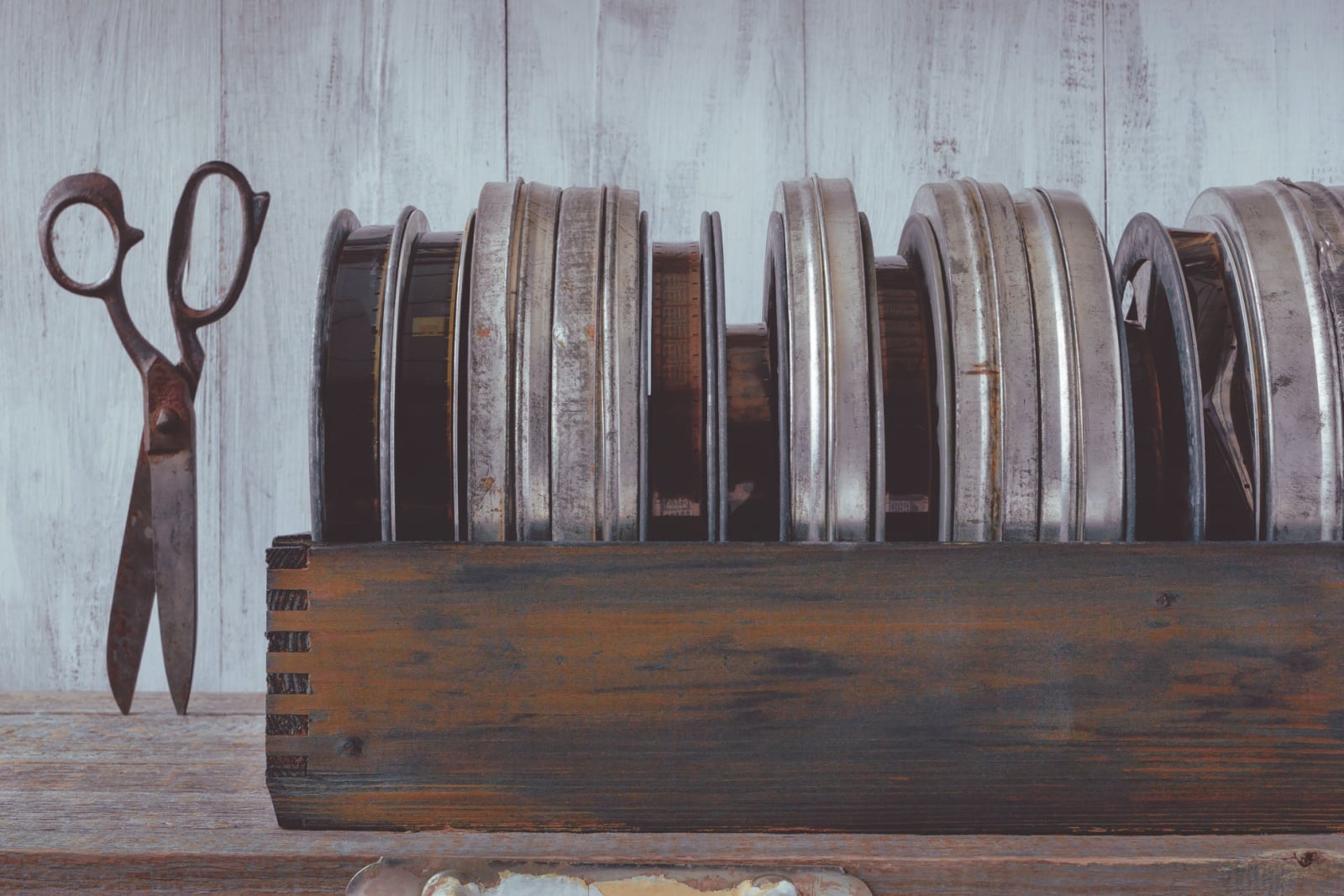
Conservation is safeguarding the original film reel as a cultural artifact. Archivists typically create surrogate copies for viewing or research to limit wear and tear, allowing the original materials to be kept safe in ideal conditions. Proper storage slows the natural degradation of film, preserving it for future restoration efforts or historical reference.

Duplication
Duplication plays a crucial role in the preservation workflow. It involves creating new films or digital versions from the best available sources. These copies are used for public screenings, education, or research, while the master copy remains protected. Ideally, duplication is done using elements reflecting the original version as it was first exhibited, ensuring authenticity in image and sound reproduction.

Restoration
Restoration goes beyond duplication by piecing together a film’s most complete and historically accurate version. Archivists often compare scripts, production records, and different surviving prints to reconstruct a film’s intended form. Modern tools allow for digital cleaning and audio repair, but restoration always involves creating new copies, not altering the original reel.
Access
Preserved films are ultimately meant to be shared. Access can take many forms, like screenings at archives or in theaters, research use in libraries, or digital platforms that reach broader audiences. While protecting the original is crucial, enabling the public to experience these works is equally important. Access ensures that historical and artistic contributions can be appreciated for years to come.

Media Preservation and Digitization Resources
- Preserving Film Preservation in the Digital Era: An academic study from San Jose State University examines how institutions respond to the changing demands of preserving digital collections.
- British Council Film Archive: Part of the value of film preservation is saving firsthand experiences of history, such as in this archive of documentaries made during and after World War II.
- Keeping Digital Films Safe: Learn practical advice on preserving digital film formats, focusing on strategies for file management, backups, and long-term access reliability.
- Audiovisual Archiving: Philosophy and Principles: UNESCO provides guidance on AV preservation as part of its efforts to preserve our cultural heritage.
- Film Preservation 101: A Brief Guide: The best time to act to preserve a film is as soon as it’s completed.
- Eastman Museum Film Preservation Program: George Eastman was a pioneer in the science of capturing images on film, and today, the museum named for him operates one of the world’s first educational programs dedicated to film archival training.
- Chicago Film Archives: Preservation Work: Find out about the projects that have been undertaken at the Chicago Film Archives.
- How Will You Store Your Filmed Materials? Learn tips for preserving your existing film as well as digitizing its content to watch in your home theater.
- Handling of Processed Motion Picture Film: Kodak put together this thorough guide to help you keep your film safe.
- Media Preservation Principles: This thorough guide outlines best practices for digitizing and preserving films.
- Getting Started With QCTools: QCTools is free, open-source software that can be used to analyze digitized film to verify that the file is free of data transfer glitches.
- Home Movie Preservation Guide: Old home movies are valuable sources of both family and cultural history.
- Guide to Film-Based Photographic Materials: A detailed Northeast Document Conservation Center leaflet explains how to identify, care for, and duplicate a variety of film-based photographic formats.
- Archival Storage of Photographic Materials: This guide covers best practices for selecting safe enclosures, controlling environmental factors, and storing photographs.
- Preventive Conservation at Home or Work: All sorts of materials can be conserved for future generations, from photos and movies to clothing and toys.
- Fabulous Fleischer Cartoons Restored: Learn about the efforts to restore classic cartoons from the early years of animation featuring characters like Popeye and Betty Boop.
- Motion Picture Film Condition Assessment: A step-by-step guide to evaluating the physical condition of film materials is an important part of the preservation process.
- Preservation Guidance for Filmmakers: The Association of Moving Image Archivists offers practical strategies to help independent creators preserve both digital and analog media.
- Dye Fade and What Causes It: If you’ve ever seen an old film that looks weirdly pinkish-red, you’ve seen what can happen when film degrades.
- No Longer a Matter of Film Versus Digital: A reflective conversation featuring Martin Scorsese and leading archivists from major institutions (like the Library of Congress, UCLA, and MoMA) explores the evolving role of film in a digital era.
- Moving Image Preservation: The New York Public Library has a lab that preserves and stabilizes videos and film by cleaning, repairing, and reformatting these materials into high-quality digital files for public access.
- National Film Preservation Act of 1996: Legislation enacted in 1996 created the National Film Preservation Foundation.
- Digital Color Restoration for the Preservation of Reversal Film Heritage: Take a seat and learn about preservation practices that can be used on slides.