
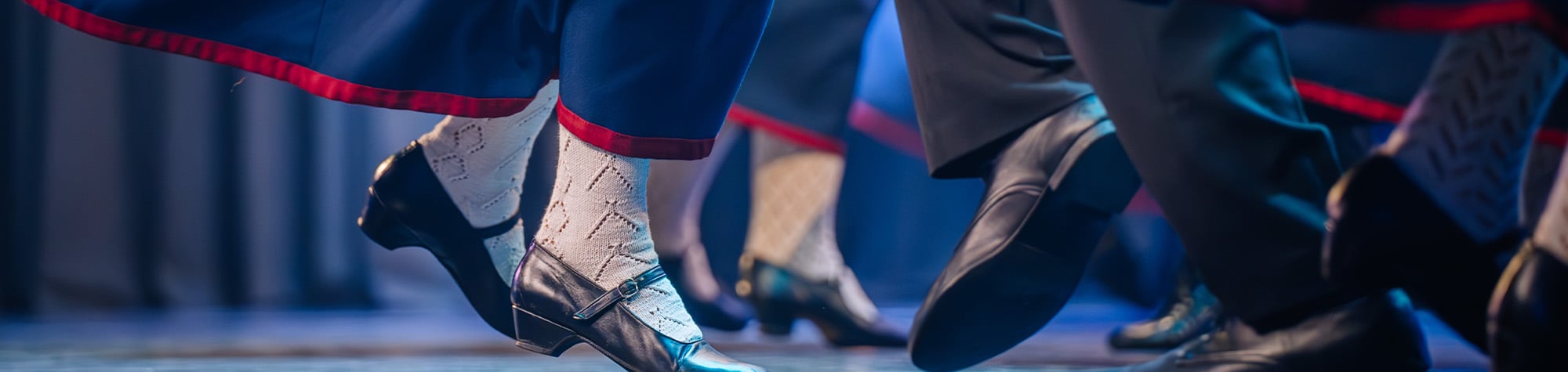
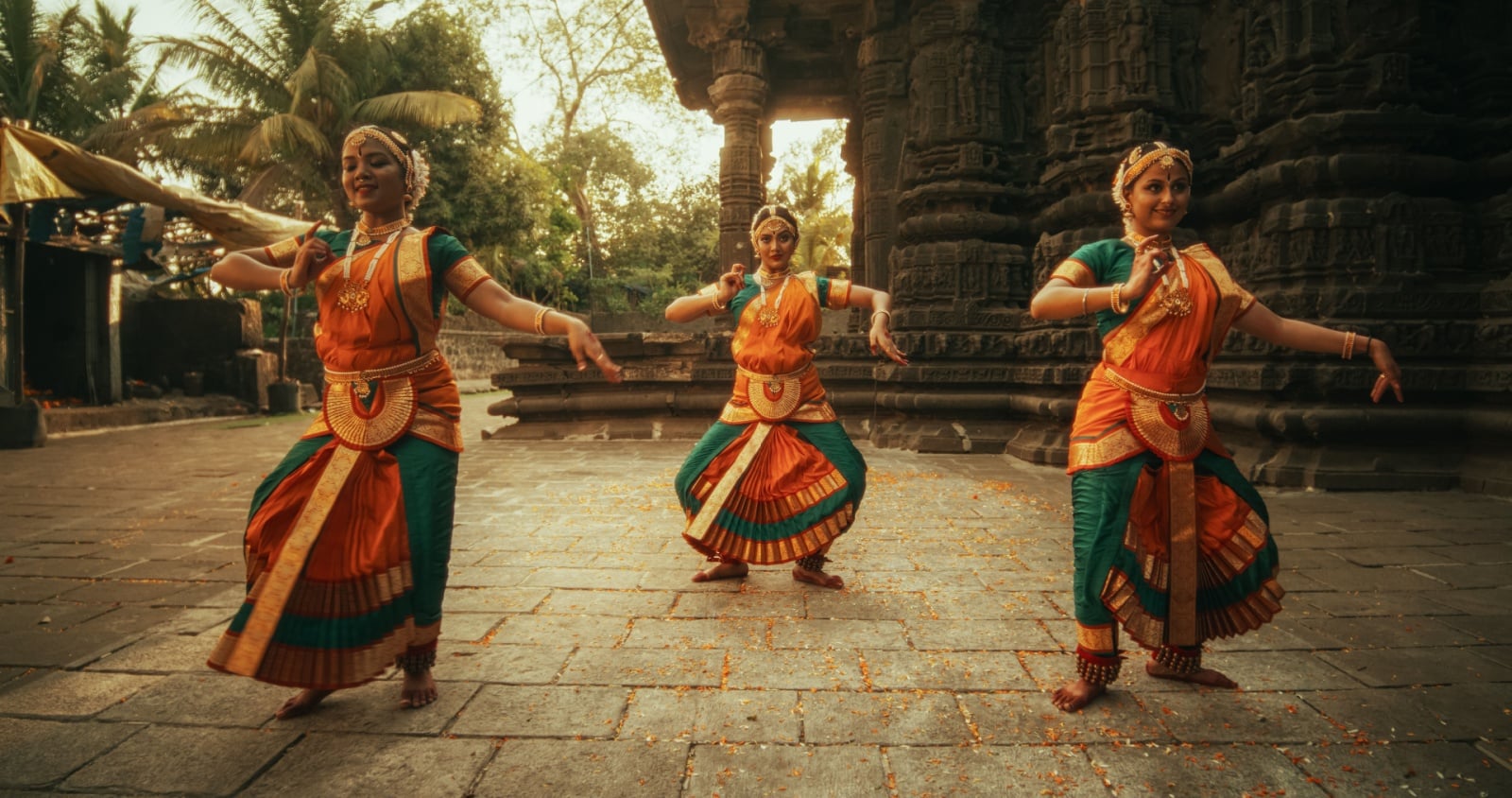
Folk dancing is one of humanity’s oldest forms of artistic and social expression. Rooted in the traditions of everyday people rather than professional performers, it grew out of the rhythms of agricultural life, seasonal celebrations, and community rituals. While the origins are difficult to trace precisely, evidence of folk dances can be found in nearly every culture in recorded history, from the circle dances of ancient Greece to the ritual dances of indigenous peoples in the Americas.
Unlike ballet or courtly dances, which were often formalized for performance, folk dancing was created by and for the community. Movements were designed to be simple, repetitive, and inclusive, making it easy for people of all ages to join in. As communities migrated or interacted through trade and conquest, their dances blended, adapted, and evolved. For example, the polka spread across Central Europe in the 19th century, while clog dancing in Appalachia drew from both African and European traditions.
Today, folk dancing continues to preserve cultural identity while also serving as a way for people worldwide to connect with traditions that may be centuries old. It is practiced in cultural festivals, schools, and recreational groups, keeping alive the music, stories, and rhythms of the past.

Basic Steps
Although folk dancing varies widely across cultures, certain foundational movements appear again and again. The most essential are walking and stepping patterns, which keep dancers moving to the rhythm of traditional instruments such as fiddles, drums, or bagpipes. To add energy and lift, many dances also include hops and skips, often used in festive or playful contexts. Claps, stomps, or strikes of the heel are another common element, especially in dances that emphasize rhythm or mimic the sounds of daily work, as seen in flamenco or clogging. Partnered dances may incorporate simple turns or exchanges, where dancers rotate in place or briefly change partners before returning to the larger formation.
The repetition of these sequences is what makes folk dancing so inclusive. Short groups of steps, often called figures, are repeated throughout the dance so that even beginners can participate with ease. For instance, in a traditional Greek sirtaki, dancers link arms and step side to side in an evolving sequence that builds in speed and energy, sometimes even luring onlookers from their seats to join the line. In Irish ceili dancing, participants form lines or circles and repeat patterns of kicks, hops, and turns, creating a lively and communal atmosphere. These simple yet dynamic movements ensure that the focus remains on connection, rhythm, and shared enjoyment, drawing people out of their seats who might otherwise worry about their lack of technical skill.
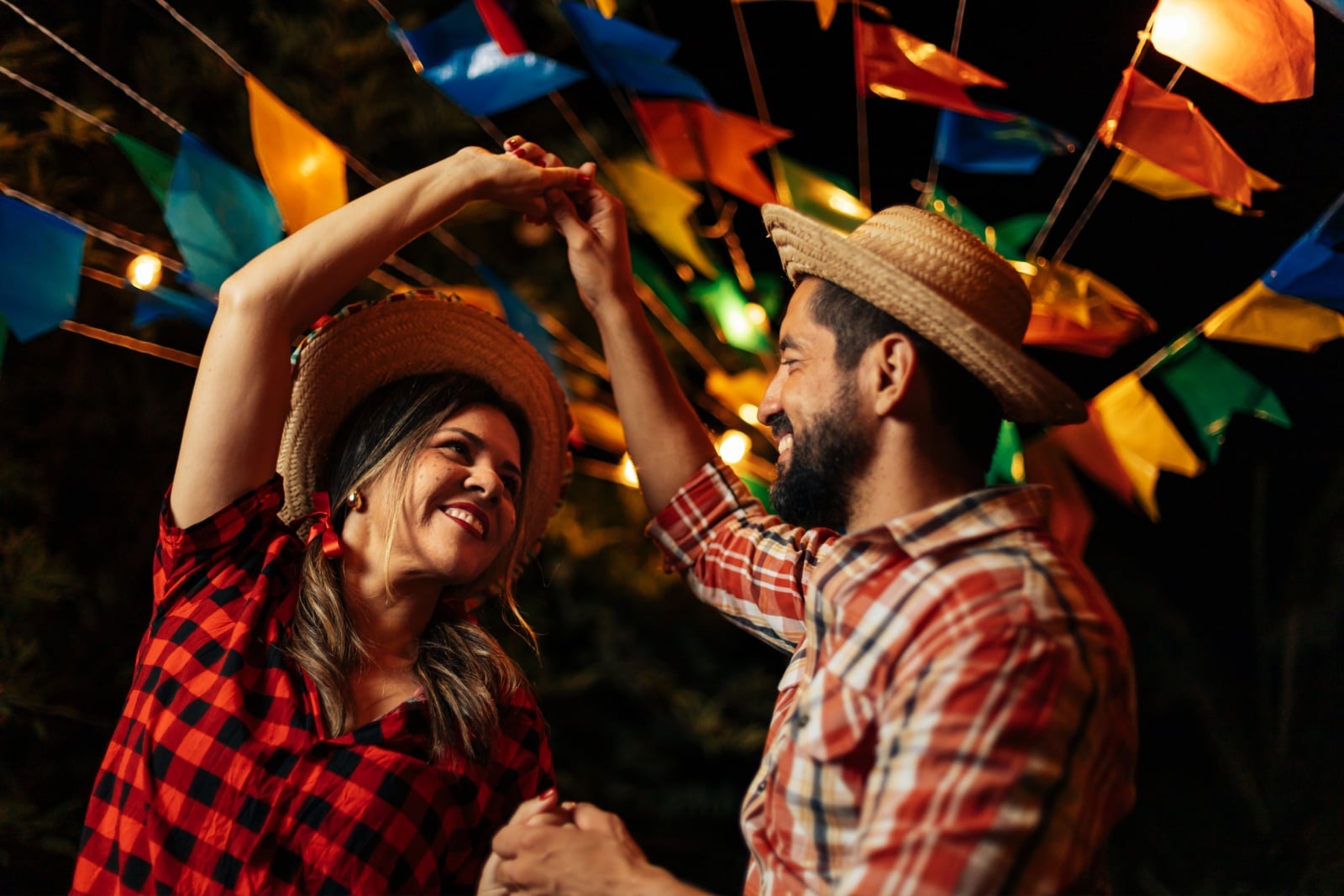
Folk Dancing Terms
Understanding a few basic terms makes it easier to follow along with instructions and appreciate the structure of folk dances:
Caller: In traditions like square dancing, the person who gives directions or prompts the figures during the dance
Do-Si-Do: A common figure in square dancing where two dancers circle each other back to back without touching
Figure: A sequence of steps that makes up part of the dance, often repeated or varied
Formation: The overall shape created by the dancers, such as a circle, line, or square
Partner: The dancer with whom you are paired, often for turns or hand-holding sequences
Polka: A central European dance with a quick 2/4 rhythm involving hops and lively steps
Set: A group of dancers arranged in a specific formation, such as four couples in a square
Step: The most basic movement of transferring weight from one foot to another
Reel: A lively type of folk dance, particularly in Scottish and Irish traditions, usually in 4/4 time
- Steps and Styling: A Glossary of Folk Dance Terms
- Types of Scottish Dance
- English Folk Dance Glossary
- Dance Definitions
- Dance Curriculum Glossary
- Folk Dance Terminology
- Curved Theater Seating
Folk dancing is not just an art form; it is a living connection to history and culture. Every step, figure, and rhythm carries the imprint of the people who created it, reflecting their joys, struggles, and traditions. From the energetic reels of Ireland to the solemn sword dances of Japan, folk dances remain powerful symbols of identity and heritage.
For modern participants, folk dancing offers both cultural insight and community connection. It’s one of the few art forms where professional training is unnecessary; all that’s required is a willingness to get up out of your seat, join hands, follow the rhythm, and share in the joy of movement. By learning the basic steps and terms, anyone can take part in this centuries-old tradition, experiencing the same sense of unity and celebration that has brought communities together for generations.