

Learning guitar is exciting, but all of the new words and gear can be a lot to take in. Whether you’re playing an acoustic guitar by the campfire or plugging into an amp to rock out, it helps to understand the terms related to your craft. Once you have a good grasp of the vocabulary of the guitar, you can focus more on playing and less on getting lost in the jargon.
Action: The height of the strings above the fretboard. Lower action makes the guitar easier to play, but if the string are too low, it can cause buzzing.
Alternate Picking: A picking technique where you move the pick up and down in a steady rhythm. It’s good for fast playing.
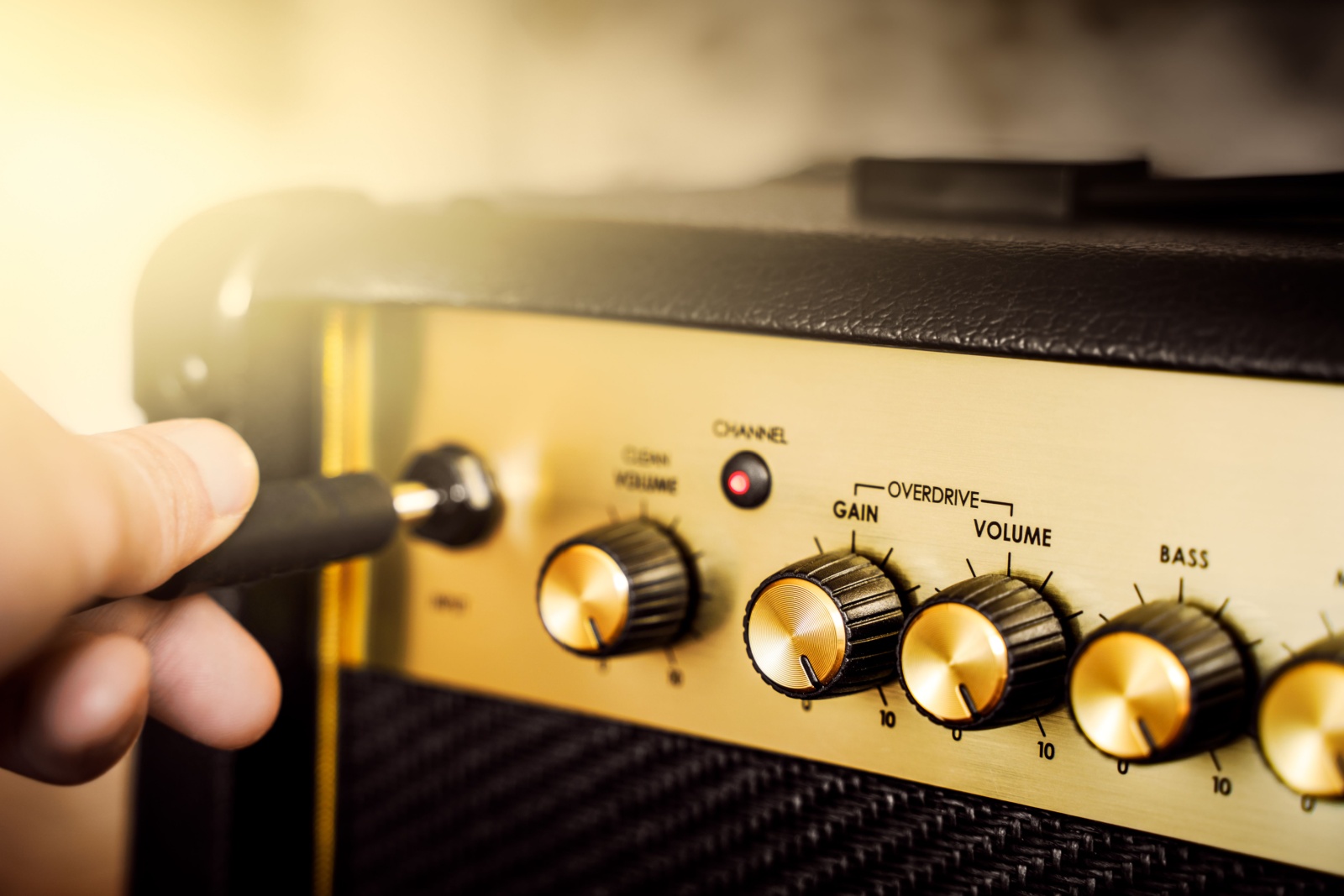
Amplifier (Amp): A device that makes the sound of an electric guitar louder. Amps also shape the tone through different settings and effects.
Arpeggio: A chord played one note at a time instead of strummed all at once
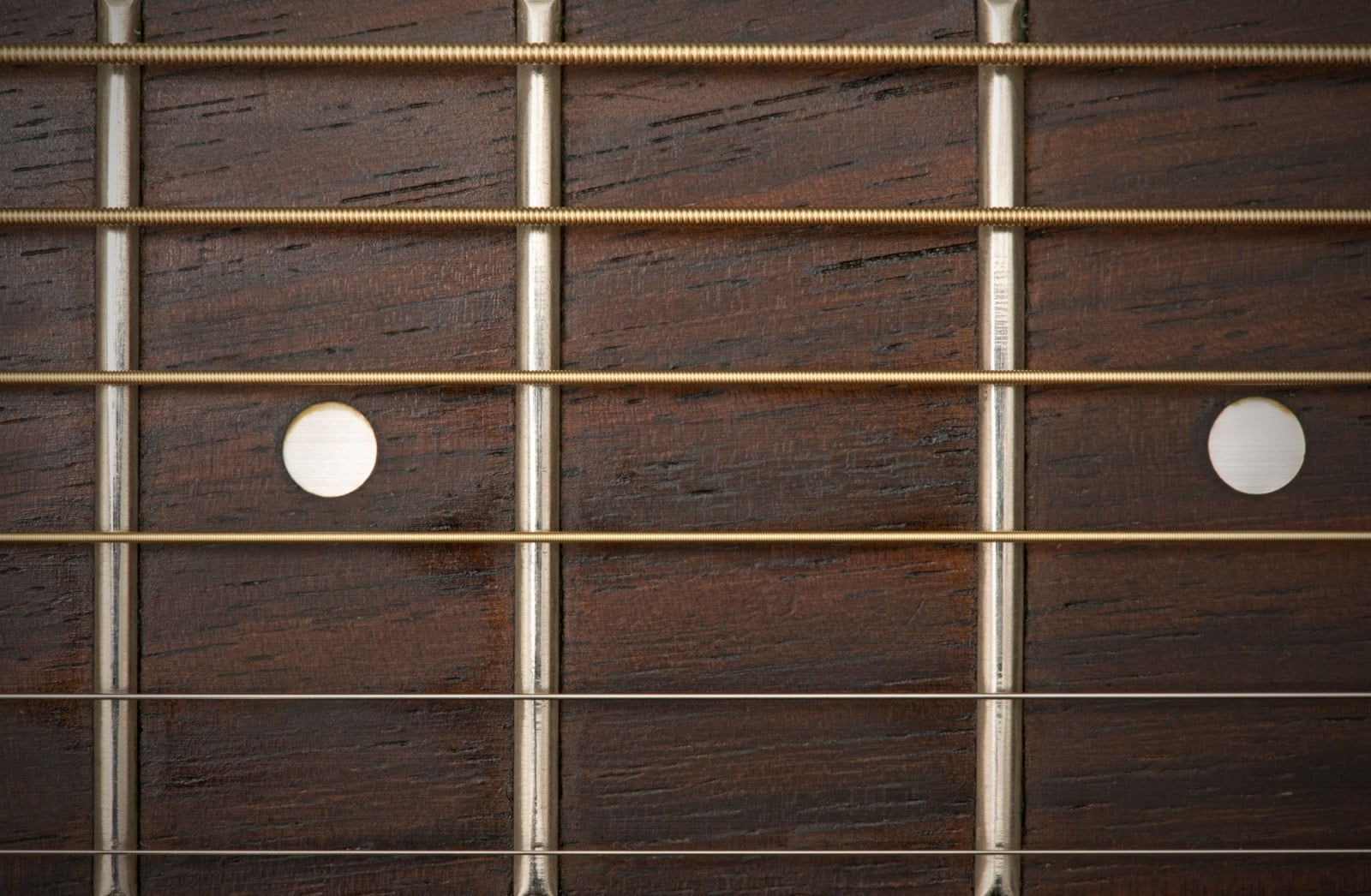
Barre Chord: A chord made by pressing one finger across multiple strings
Body: The main part of the guitar
Bridge: The part on the guitar body where the strings are anchored
Bend: A technique where you push or pull a string to change the pitch while holding a note
Capo: A tool that clamps onto the neck of a guitar to make playing in different keys easier
Chorus: An effect that makes your guitar sound fuller by duplicating the sound and slightly changing the pitch and timing

Chord: A group of notes played at the same time
Cutaway: An indentation in the body of a guitar that lets you reach higher frets more easily
Delay: An effect that repeats your sound after a short pause, like an echo
Distortion: A gritty, growling effect often used in rock, metal, and punk music
Dreadnought: A common acoustic guitar body shape known for its large size and powerful tone
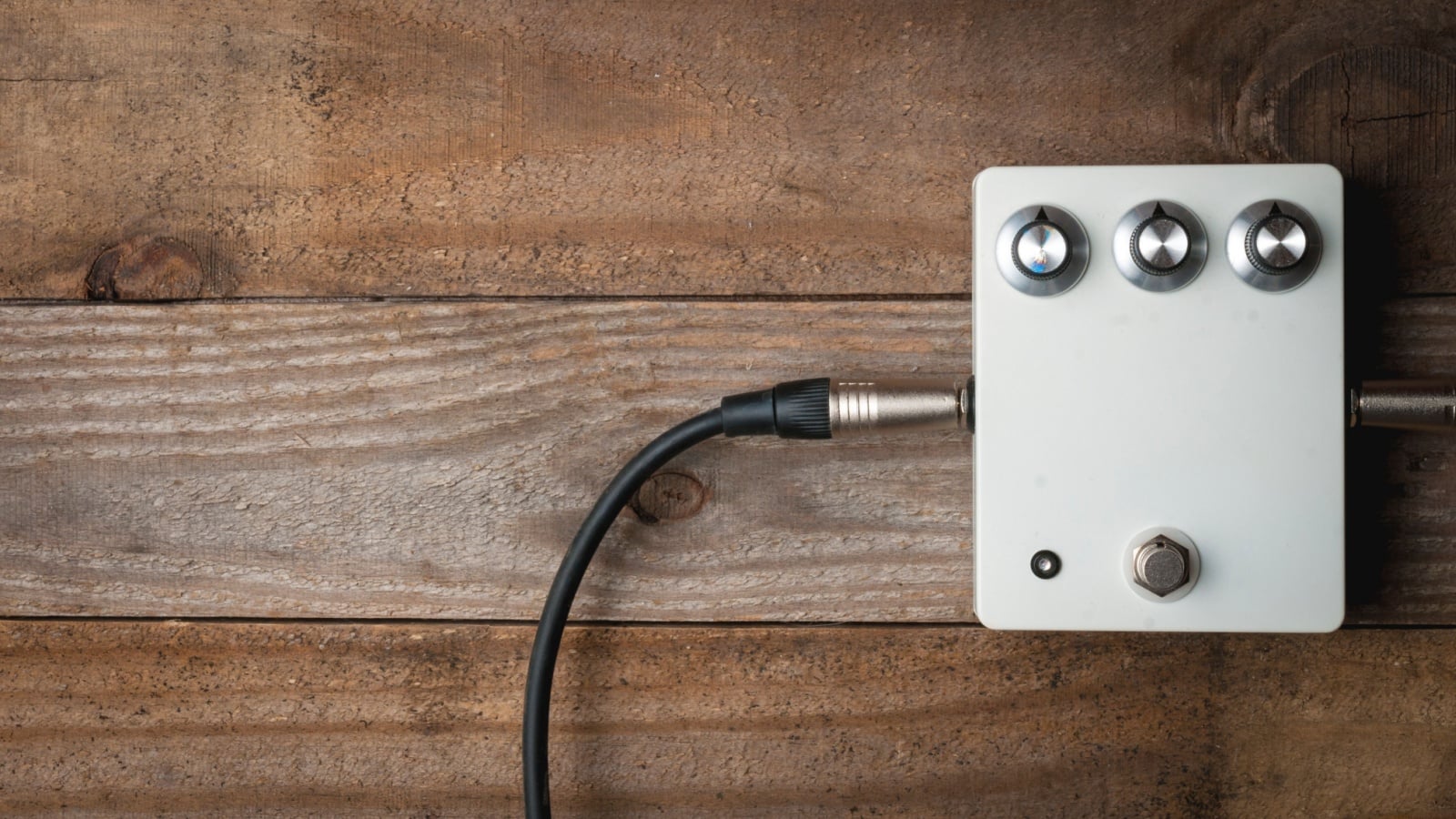
Drop Tuning: A type of tuning where one or more strings are tuned lower than standard
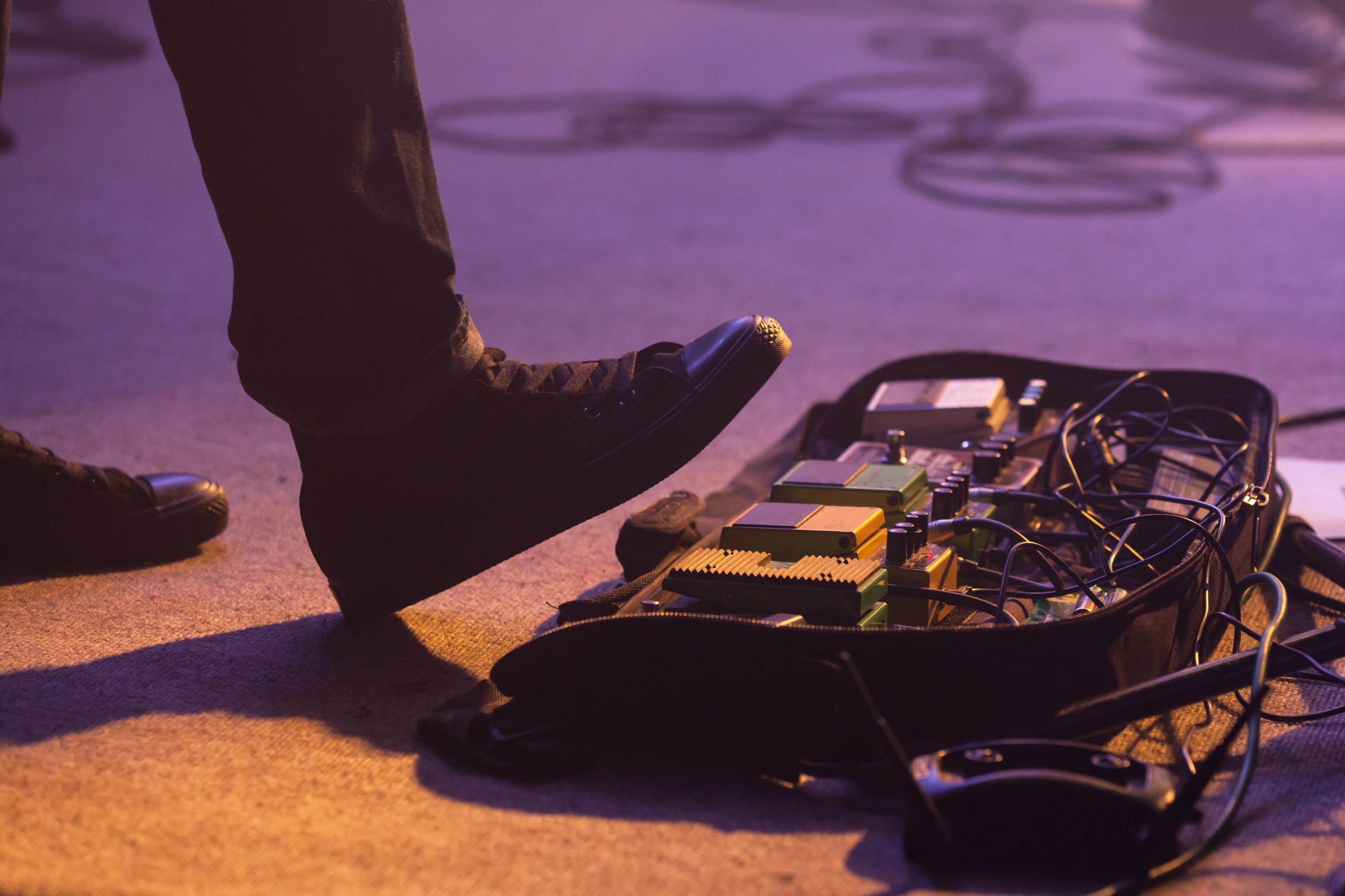
Effects Pedal: A small box connected to a guitar that changes the guitar’s sound. Popular effects include delay, reverb, overdrive, and chorus.
Electric Guitar: A guitar that uses pickups to convert string vibrations into electric signals
EQ (Equalizer): A setting or device that adjusts the bass, mid, and treble frequencies in your tone
Fingerpicking: Plucking the strings with your fingers instead of a pick

Flatwound Strings: Strings with a smooth surface, often used in jazz for a mellow tone
Frets: Metal strips across the fretboard that are placed at specific positions, corresponding to different string lengths that produce different notes
Fretboard (Fingerboard): The front of the neck where you press the strings down
Gain: The level of signal going into the amp or effect. More gain usually means more distortion.
Gig Bag: A padded soft case for carrying and protecting a guitar
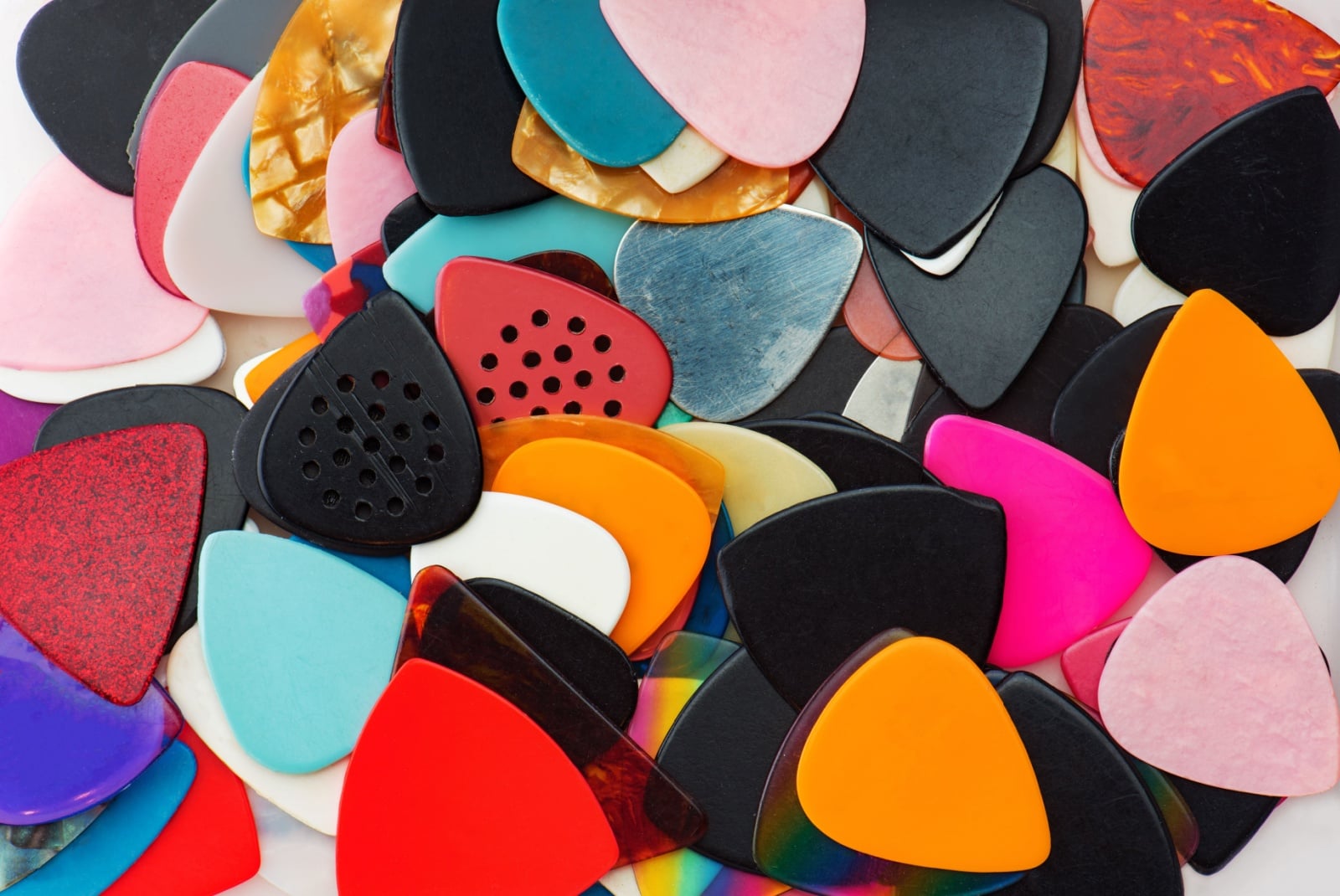
Guitar Pick (Plectrum): A small piece of plastic or other material used to strum or pluck the strings
Headstock: The end of the neck that holds the tuning pegs
Humbucker: A type of pickup that cancels unwanted buzzing noise and gives a thick, warm tone
Hammer-On: A technique where you hit the fretboard with a finger to sound a note without picking again
Intonation: How in tune the notes are up and down the neck. Poor intonation can make your guitar sound out of tune even if the open strings are correct.
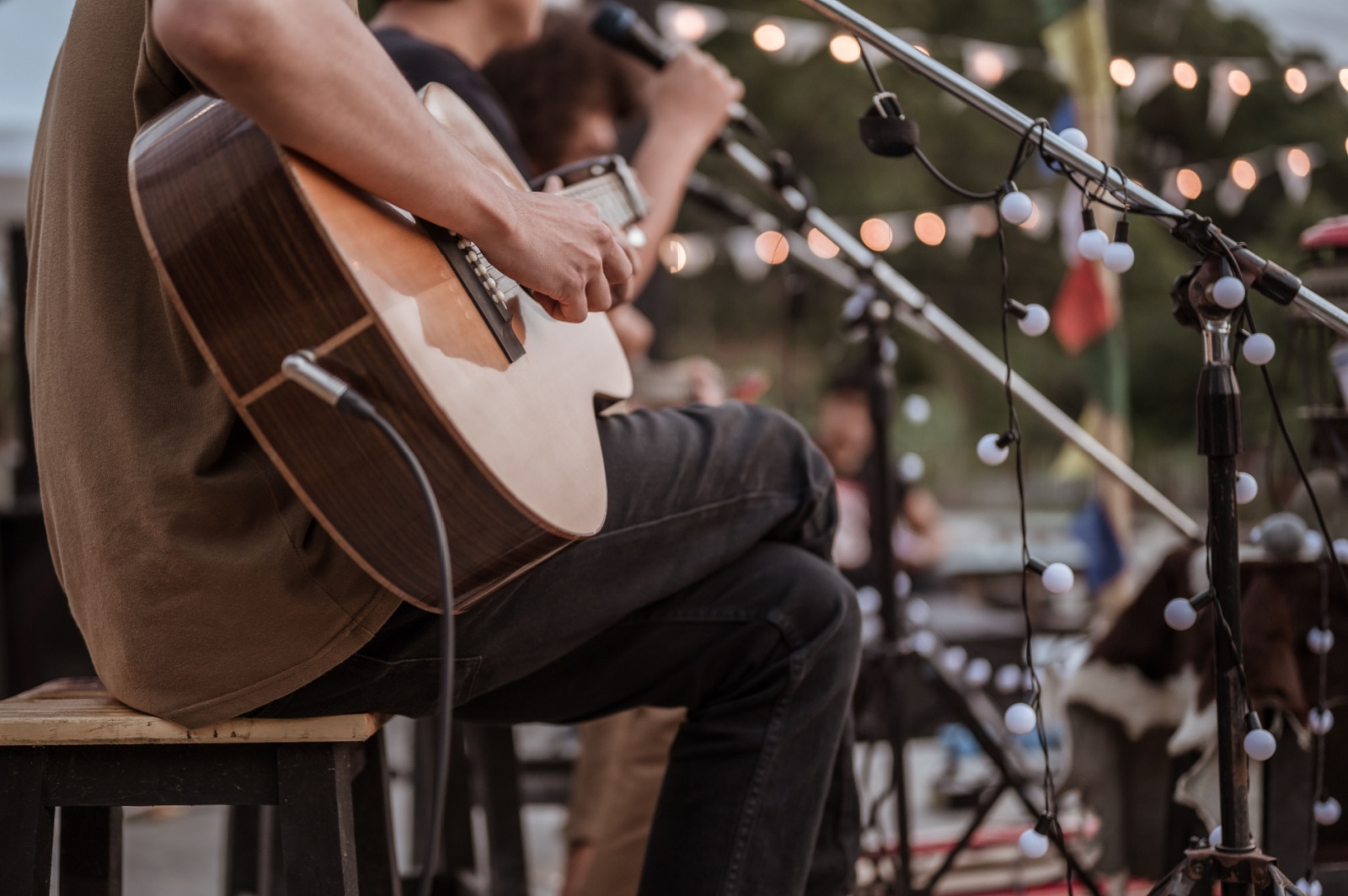
Jam: To play music freely, often with others, without sheet music or a strict plan
Lead Guitar: The part of the band that plays melodies, solos, or high riffs, usually in contrast to rhythm guitar
Loop Pedal: A pedal that records a short part of your playing and plays it over and over so you can layer more parts on top
Mode: A type of scale with a unique pattern of notes. Modes create different moods in music.
Muting: A technique used to quiet the strings, either with the picking hand (palm muting) or the fretting hand
Neck: The long wooden part of the guitar that holds the fretboard and connects the body and headstock
Nut: A small piece at the top of the neck that guides the strings and keeps them spaced evenly
Overdrive: A warm, crunchy effect often used in blues and rock that’s similar to distortion but less aggressive
Palm Muting: A technique where you rest your picking hand lightly on the strings near the bridge to create a muted, chunky sound
Pedalboard: A flat board used to organize and power multiple effects pedals
Pickups: Magnetic parts on electric guitars that sense string vibrations and send them to the amp
Power Chord: A two-note chord often used in rock. It’s simple and sounds powerful with distortion.
Pull-Off: A technique where you pull your finger off the string to let another note ring out without picking again
Riff: A catchy musical phrase, often repeated
Rhythm Guitar: The part of the band that plays the chords and keeps the beat steady, supporting the lead guitar

Scale: A series of notes that follow a certain pattern
Slide: A technique or a glass/metal tool used to glide smoothly between notes
Strumming: Sweeping your hand across the strings to play a chord
String Gauge: The thickness of a string. Heavier strings sound fuller; lighter strings are easier to bend.
Tone: The quality or character of the sound

Tone Knob: A control that adjusts how bright or dark your sound is
Tremolo Arm (Whammy Bar): A lever that changes string tension, letting you raise or lower the pitch while playing
Tuning Pegs (Tuners): The knobs you turn to tune each string up or down
Vibrato: A slight and fast change in pitch that makes a note sound more expressive
Volume Knob: A control that adjusts how loud your signal is, usually found on guitars and amps
Wah Pedal: An effect pedal that changes the tone of your guitar in a way that sounds like a human voice saying “wah”
Winding: The way a string is wrapped
Learn More
- Guitar Playing Styles to Explore and Master
- Guitar Anatomy: Every Part of a Guitar Explained
- Acoustic vs. Electric Guitar: Which Is Better for Beginners?
- What Are the Different Types of Guitars and Their Uses?
- Exploring the Parts of the Guitar
- How Does a Guitar Work?
- Home Theater Seating
- Types of Guitars
- Power Recliners
- The Ultimate Guide to Guitar Pedals
- Curved Theater Seating
- What Type of Guitar Effects Pedals Do You Need?
- Commercial Movie Theater Seats
- Guide to Restringing Your Acoustic Guitar