


Marionettes are unique and delicate puppets that have entertained children and adults alike for centuries. When the puppets are manipulated by a skilled puppeteer, the graceful, lifelike gestures of these miniature performers come to life. They are often paired with storytelling or songs to add to the overall theatrics. From humble origins to grand theatrical spectacles, marionettes have been transformed, shaped by cultural traditions and artistic breakthroughs across time.
Marionettes have served as entertainers, educators, and spiritual symbols, and each puppet reflects the creativity and craftsmanship of its makers. As they were carried across continents, marionettes, their design, and their use were impacted by each culture, evolving into a storied and diverse form of performance that is cherished and enjoyed around the world. From their golden era in Renaissance Europe to modern-day marionettes, these puppets continue to mesmerize audiences.

The Origins of Marionette Puppetry
Thousands of years ago, in ancient Egypt, early puppets, crafted from wood and ivory and featuring movable joints, played an important role in religious rituals and performative storytelling. These rudimentary marionettes are thought to have been operated with strings or rods, allowing the puppet master to animate myths and tales honoring deities during ceremonial events.
Marionettes also played a part in ancient Rome and Greece, as they were used to both entertain and teach. Prominent philosophers, including Plato, referenced puppets, underscoring their cultural significance. Roman theaters featured puppet shows, and marionettes were even placed in tombs, possibly as symbolic guides for the deceased to the afterlife. The spiritual and narrative power of early puppets was carried throughout early empires and adopted by different cultures in myriad ways.
Marionettes Around the World
Around the world, different cultures have developed their own unique traditions of puppetry, and marionettes have played an important part, reflecting the distinct aesthetics and storytelling customs of each place.
In Japan, the tradition of Bunraku stands out for its intricate craftsmanship and multi-operator control system. These large puppets are animated by performers dressed in black and portray dramatic tales of heroism, tragedy, and love, accompanied by traditional Japanese music and storytelling.
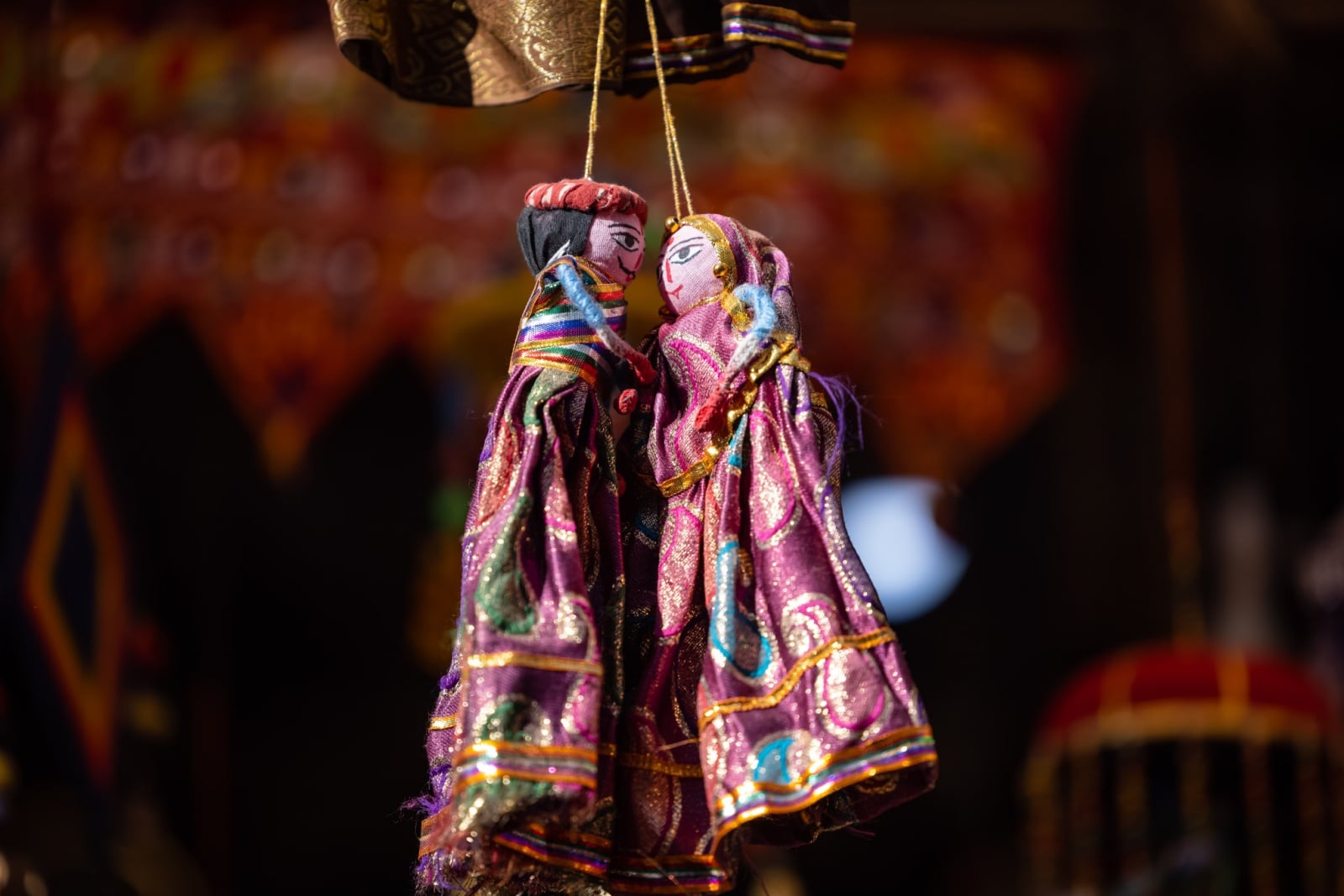
India’s vibrant Kathputli tradition features vividly painted wooden puppets that are moved and manipulated by strings held by Bhats, traditional puppeteers, who use song and spoken word to recount popular myths and to bring history to life, passing down stories to younger generations through colorful and engaging performances.
Likewise, Europe also boasts a rich history of puppetry. Italian puppetry traditions, particularly that of Sicily, contributed greatly to the arts and continued infatuation with puppetry. And French marionettes, more refined in form, were once a very popular attraction that graced aristocratic salons and royal courts, performing elaborate plays in European seats of power. These varied regional approaches illustrate the universal appeal and adaptability of puppetry and marionette theater.
The Renaissance: A Golden Age of Puppet Theater
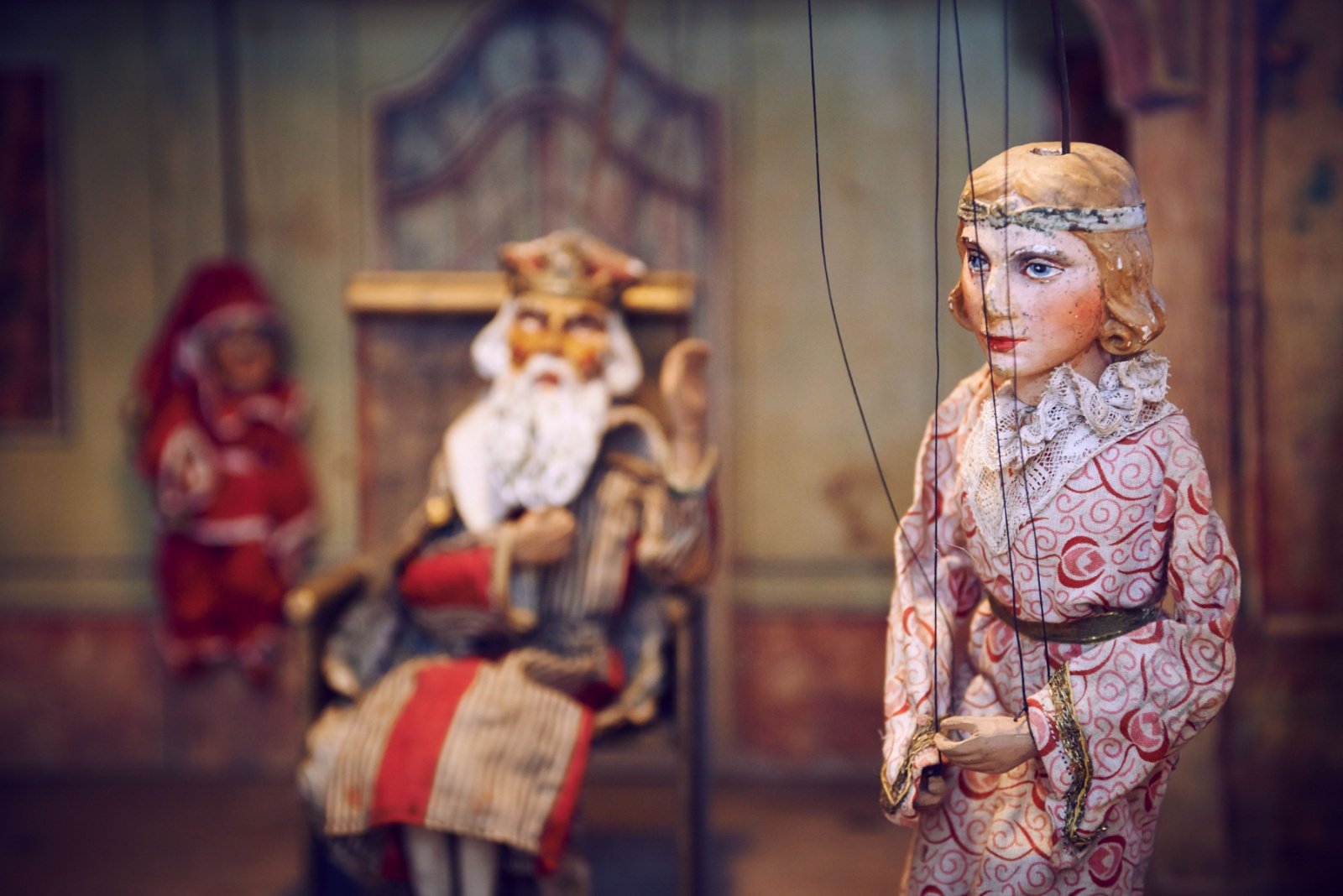
Inspired by humanism and the classical themes that were characteristic of the Renaissance, puppeteers staged complex narratives using meticulously designed puppets in elaborate costumes. Marionette theaters flourished in European cities during the Renaissance, mirroring the popularity of live theater, and as technology advanced, so did the mechanics used in puppetry. This allowed the marionettes to display more nuanced expressions and choreography. Performances were not only held in established theaters but in public spaces and in royal courts, making this once-humble art a cornerstone of European cultural life.

Modern Marionettes
Marionette puppetry has continued to thrive and entertain today. Propelled by innovations and a renewed appreciation for handmade arts, contemporary puppeteers blend the art of traditional craftsmanship with new materials, including lightweight composites instead of wood and advanced stringing systems, enhancing performance and durability. As interest in tactile, immersive art forms grows, marionettes find new audiences, filling theater seats and drawing in digital innovators. Digital technologies, including motion capture and animation, are now integral parts of puppetry, enabling interactive and multimedia storytelling to create an engaging audience experience. Workshops, festivals, and educational programs promote marionette preservation and experimentation, ensuring that marionette puppetry evolves to meet the expectations of today’s audiences while still honoring its humble roots.
- American Puppet Modernism: The Early 20th Century
- The Future of the Marionette
- Puppet Matters: New Materialism and Eco-Criticism in Contemporary Puppetry
- Puppets Are Still Very Much a Thing
- The Evolution and Construction of Marionettes
- The History of Making Marionettes
- The Puppetry Glossary
- Types of Puppets
- Puppet Genres
- Puppet Theaters
- Puppets: A Story of Magical Actors
- Shadow Puppet Theater in Indonesia
- The Life and Death of Yiddish Puppet Theater
- Curved Theater Seating
- The Art of Puppeteering
- Words From a Professional Puppeteer
- Learn How to Put on a Shadow Puppet Show
- How to Make a Marionette Theater
- Make an Easy Marionette Bird
- Home Theater Seating
- Create a Marionette