

The origin of theater remains has been of interest to many and there is much we still don’t know. Archaeologists have uncovered some information regarding the origin of theater across different cultures. Discoveries that help us to best understand early civilizations and how the roles of storytelling and theater have developed and evolved include ancient artifacts, wall paintings, decorations, and hieroglyphics. All of these ancient recordings tell of successful hunts, life cycles, seasonal changes, and myths about the gods. These historical findings explain how ancient peoples passed along their experiences through the art of storytelling and dramatizing events. Though it looks very different today, the art of storytelling and theater are still important. From movies and media streaming into home theater to be enjoyed in the comfort of one’s own sectional sofa or power reclining chair, to live theater productions that sell out the world’s most popular venues, ancient stories and myths continue to be part of our entertainment landscape.
Ancient Theater Was Built on Traditions and Rituals, Not on Entertainment and the Sale of Theater Seat Tickets
Ancient theater emerged from myths, rituals, and ceremonies dedicated to the gods. Early societies perceived a direct connection between the actions of a group or its leaders and its impact on the whole society. In order to preserve the society, these same groups and leaders acted from habit to form a tradition that would cultivate unique ceremonies and rituals. The repetition of these ceremonies and rituals laid the groundwork for theater. Those earliest iterations of public theater are far from the theater we know today to be driven by theater seat ticket sales and home theater movie rentals.
According to esteemed mythologist Joseph Campbell, societies performed rituals and ceremonies out of a sense of duty, and to receive power and pleasure. In fact, these same societies carried out these rituals as a means to influence and control events, such as guaranteeing a plentiful harvest. Other times, societies performed rituals out of religious duty. As societies developed into full-blown civilizations, rituals became more elaborate by incorporating costumes and masks. Many rituals brought entertainment and pleasure, especially those intended to glorify victories, heroes, supernatural powers, and the gods.
Many of these rituals are accompanied by myths. Myths entered the storytelling tradition, which gave rise beyond the original rites. As a result, myths evolved towards entertainment and the aesthetic. Eventually, societies performed these stories on their own accord. This became the first steps towards theater. Leaders, mainly elders and priests, or actors emerged from these rituals. In addition, societies reserved acting spaces to enact their rituals. These acting spaces eventually led to the development of auditoriums for more elaborate rituals.
Ancient Egyptians Have Been Credited With Great Contributions to Theater Long Before Elizabeth Taylor Played Cleopatra and Audiences Flocked to the Theater Seats
The Ancient Egyptians were one of the earliest civilizations to start the transition from ritual to theater. Archaeological evidence dating from 2,800 to 2,400 B.C. describes dramas that sent the pharaoh off to the underworld. These same dramas also depicted the continuous cycle of life and the pharaoh’s power in the afterlife. Other Egyptian dramas include the drama recounting the life and death of the god Osiris. It’s easy to imagine audiences watching from their theater seats, though maybe they weren’t reclining sections, they were no less engrossed in the production.
The Greeks also held many festivals to honor their many gods, particularly Dionysus. These festivals usually involved drunken men dressed in goat skins to symbolize sexual potency. The earliest festivals only had one person playing all roles. Later, three actors were used on-stage. Due to the limited amount of actors allowed on stage, the chorus became an active part of Greek theater. Greek theater took on my forms; however, the tragedies written during this time resonate well with contemporary audiences. Greek tragedies are based on history and mythology. Many of the stories centered on a character’s search for the meaning of life and the quest to understand the nature of the gods.
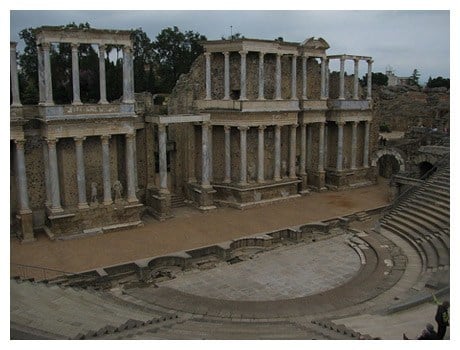
The Romans modeled their dramatization based on Greek and other cultural influences. Roman theater incorporated stock characters, costumes, and masks. Roman theater based its dramatization on domestic life and mythology. Dramas were held in large amphitheaters. Other cultures continued the trend of honoring the gods and depicting life in drama. In fact, the mythological influence in theater continued into medieval times, when acting began to flourish. It is still depicted today in some playwrights and performances.
More Information on Mythology in the Theater
More information on mythology in the theater can be found below:
- Introduction to Theatre Online Course: Roman Theatre and Drama
- Theater and Amphitheater in the Roman World
- The Ancient Theater Archive: Greek and Roman Theatre Glossary
- Theatre and Drama in Ancient Greece
- Greek Theater: Evolution and Influence
- Greek and Roman Theater Activities
- Roman Amphitheaters
- Roman Theater and Amphitheater (PDF)
- Dionysus and Greek Drama
- Chapter 4: The Origins of Greek Theatre, Part 1
- All About Greek Theater
- Dr. J’s Illustrated Greek Drama
- Ancient Greek Theatre: Background on Ancient Greek Theatre
- Drama: The Greek Theatre and Three Athenian Tragedians: Aeschylus, Sophocles, and Euripides
- PBS: The Different Types of Greek Drama and their Importance
- Roman Theater Characteristics
- Theater of Ancient Rome: A Tale of Gladiators and Greeks
- Tupelo Community Theatre: Greek and Roman Theater
- BBC: Ancient Greeks: Art and Theater
- Irish Literature, Mythology, Folklore, and Drama
- A Guide to Ancient Greek Drama (PDF)
- Ancient Greek Theatre and the Theatre of the World: The Case of the Tauric Iphigenia (PDF)
- Ancient Greek Theater Lesson Plan (PDF)
- An Overview of Ancient Greek Theater (PDF)
- The British Museum: The Gods and Festivals in Ancient Greece
- City Dionysia: The Ancient Roots of Modern Theater
- Introduction to Roman Stagecraft
- Able Media: The Roman World
- Ancient Greek Theatre WebQuest
- The British Theatre Guide: Greek Tragedy and Comedy
- Structure of the Greek Theater
Home Theater Seating
- Recliners for Sale Cheap
- Best Small Recliner
- Best Home Theater Seats
- Theater Seats
- Heated Recliner
- Leather Theater Chairs
- Oversized Recliners
- Theater Seating Sectional
- Electric Recliner Chairs
- Home Theater Seating With Loveseat
- Cinema Chairs
- Two Chair Theatre Seats
- 4-Seat Home Theater Sectional
- Style Seater
- Sectionals On Clearance
Decor & Accessories
- Riser Platform
- Home Theater Sound Panels
- Home Theater Decor
- Ideas For Theatre Room
- Theater Carpet
- Swivel Table For Recliner
- Recliners With Power Headrest
- Home Popcorn Machine
- Movie Poster Frames
- Deluxe Stadium Seat With Lumbar Support
- Seating Risers For Sale
- Wall Hugger Power Recliner Chairs
- Octane Diesel Seating
- Grey Leather Sectional
- Movie Room Platform
- Heat Seats
Top Pages
- Home Theater Package
- Movie Seats
- Recliner Modern
- Elite Theater Seating
- Sofa Tray Table
- Recliner Chair with Cup Holder
- Home Theatre Design
- Movie Loungers
- Fortress Theater Seating
- Speaker Cable
- Top Grain Leather Recliner
- Reclining Chairs For Movie Room
- Small Space Sectional Sofa
- Electric Fabric Home Theater Seating
- Small Room Recliner
- Chaise Couches For Sale