
Theater vocabulary is more than insider jargon. It’s the shared language that helps people understand how performances come together. Whether you love movies, enjoy live performances, study drama in school, work behind the scenes, or simply want to expand your vocabulary, learning common theater terms makes the experience richer and more accessible. From what happens onstage to what goes on behind the curtain, these words help explain how creative ideas turn into memorable moments.

Stage & Space Terms
The physical design of a theater shapes how performances are perceived by both performers and audiences. Stage layout, seating types and placement, elevation, and architectural features all influence visibility, acoustics, and proximity, affecting how action is interpreted from different viewpoints. Language related to stage orientation and spatial design is used to describe movement, positioning, and audience perspective within a performance environment. Familiarity with this vocabulary supports clearer discussion of how space functions as part of storytelling.
Stage: The main performance area where actors appear and action unfolds.
Proscenium: The architectural frame that separates the audience from the stage.
Wings: Hidden areas on either side of the stage used for entrances and preparation.
House: The seating area where the audience watches the performance.
Downstage: The part of the stage closest to the audience.
Upstage: The area of the stage farthest from the audience.
Apron: The portion of the stage that extends beyond the proscenium arch.
Orchestra: The seating section closest to the stage, typically on the main floor.
Balcony: An elevated seating area that overlooks the main floor.
Box Seats: Premium seating sections offering semi-private viewing experience like watching in your own living room.
Trapdoor: A hidden opening in the stage floor used for entrances, exits, or effects.
Fly System: A system of ropes and pulleys used to raise or lower scenery above the stage.
Sightline: The clear view an audience member has of the stage from their seat.
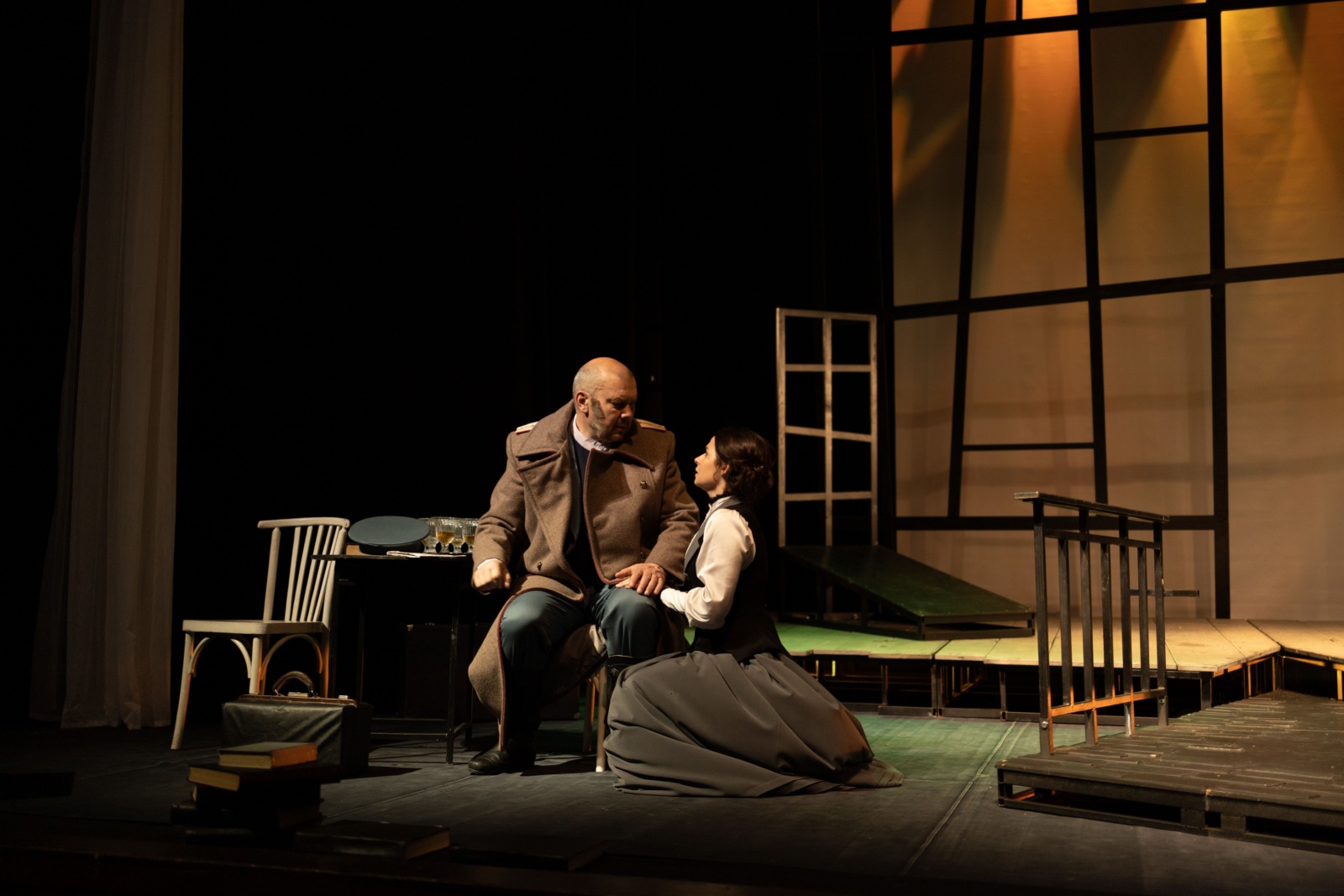
Performance & Rehearsal
Live performance is the result of structured preparation and coordinated effort. Rehearsals, scheduling, movement planning, and communication all play a role in transforming written material into a polished presentation. Vocabulary associated with performance preparation reflects how creative teams organize time, manage responsibility, and refine scenes through repetition. This language is commonly used in educational settings, rehearsal rooms, and professional productions to maintain clarity and efficiency.
Blocking: The planned movement and positioning of performers on stage.
Cue: A signal that tells a performer or technician when to act.
Rehearsal: A practice session used to prepare a performance before an audience is present.
Call Time: The required arrival time for performers and crew.
Ensemble: A group of performers working together without a single lead role.
Curtain Call: The moment at the end of a performance when performers acknowledge applause.
Understudy: A performer prepared to replace another if needed.
Standby: A warning that a cue or entrance is about to happen.
Marking: Performing movements at reduced energy during rehearsal to conserve stamina.
Read-Through: A rehearsal where the script is read aloud without full staging.
Run-Through: A rehearsal that goes through a large portion or all of the performance.
Notes: Feedback given after rehearsal or performance to improve future runs.

Objects & Visuals
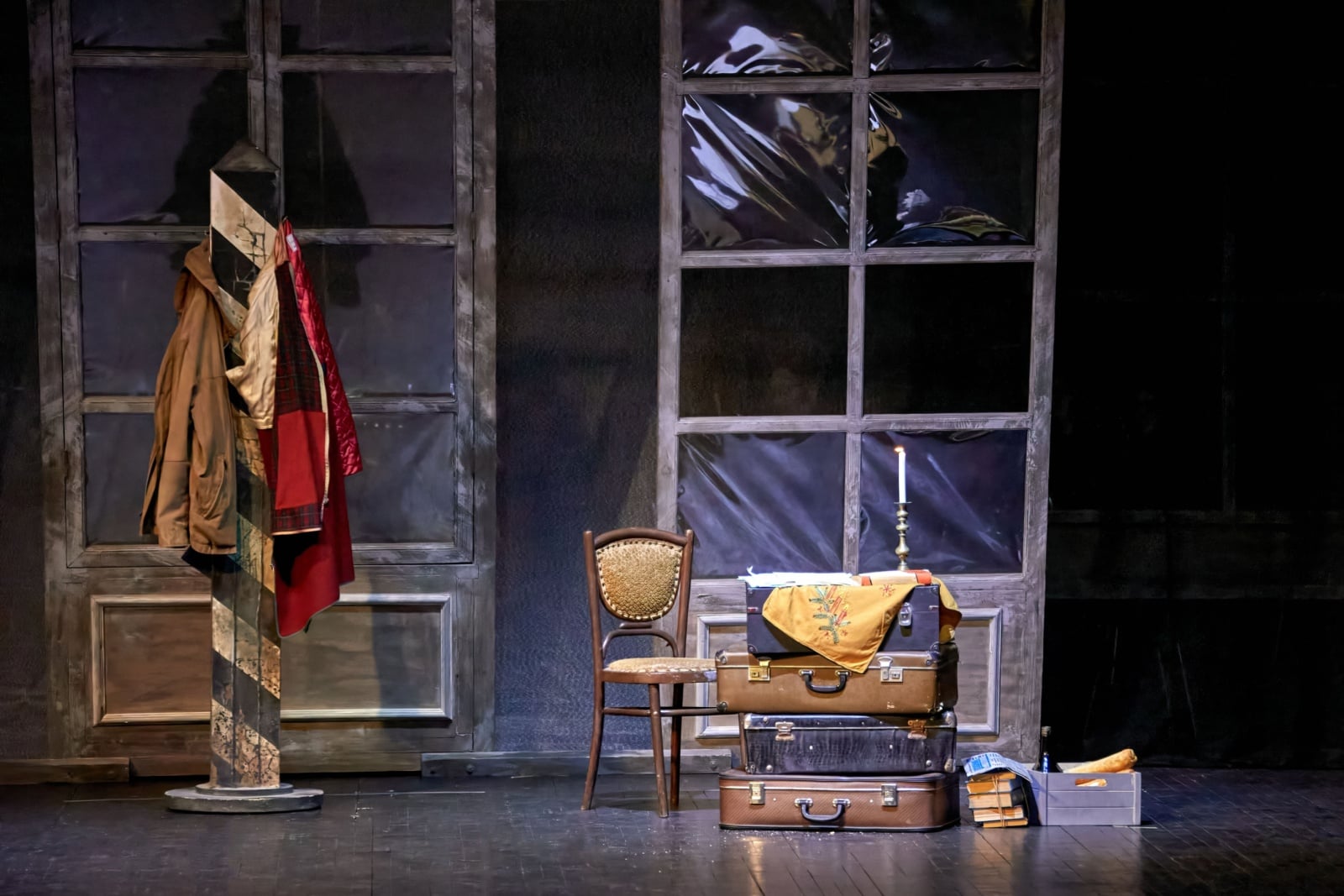
Visual storytelling depends on deliberate design choices that communicate information beyond spoken dialogue. Scenery, lighting, sound, costumes, and written materials work together to establish setting, mood, and character. Words connected to visual elements describe how physical objects and technical components support narrative meaning. Understanding this vocabulary helps explain how audiences receive visual cues and interpret atmosphere, relationships, and action on stage.
Props: Objects used or handled by performers during a show.
Set: The scenery that represents where the story takes place. It can change, but not as fast as scenes change in a movie.
Backdrop: A background element that suggests location or atmosphere.
Spotlight: A focused beam of light used to highlight a performer or moment.
Costume: Clothing worn by performers to communicate character and time period.
Script: The written text of a performance, including dialogue and stage directions.
Set Piece: A large, movable scenic element used as part of the set.
Hand Prop: A small prop carried or manipulated by a performer.
Lighting Cue: A specific lighting change triggered at a set moment.
Wardrobe: Costumes and costume-related responsibilities during a production.
Makeup: Visual enhancement used to define character features under stage lighting.
Sound Effect: An audio element added to support action or atmosphere.
Backstage Slang
Theater operations rely on clear communication in fast-paced, time-sensitive environments. Practical language developed to support coordination among performers, technicians, and venue staff, while informal expressions reflect long-standing traditions within theater culture. Some phrases address logistics and scheduling, while others carry symbolic or customary significance. Awareness of this vocabulary offers insight into how productions function beyond the audience’s view.
Backstage: All areas hidden from the audience where preparation happens.
Front of House: Areas and staff responsible for the audience experience.
Tech Week: The rehearsal period when lighting, sound, and scene changes are added.
Green Room: A waiting area where performers relax when not on stage.
Dry Run: A rehearsal without full costumes or technical effects.
Strike: The process of dismantling the set after a performance run ends.
Break a Leg: A traditional phrase used to wish performers good luck.
Places: A call telling performers to get ready for entrances.
House Open: An announcement that the audience is being admitted.
Blackout: A moment when stage lights go completely dark.
Go Dark: A phrase meaning the theater will not hold a performance.
Call Board: A posted schedule and information board for cast and crew.
Load-In: The process of bringing scenery, props, and equipment into the theater.
Load-Out: The removal of scenery and equipment after a production ends.

Making Sense of Theater Language
Understanding theater vocabulary helps make performances more approachable and meaningful. Whether watching from the audience, studying drama, or working behind the scenes, familiarity with these terms opens the door to appreciating how creativity, collaboration, and planning come together onstage.

Additional Resources
- The Story of Theatre
- The Origins of Theatre and Drama
- National Park Service – Language of the Theater
- Tennessee Dept. of Education – Theatre Art Terminology
- Nebraska Dept. of Education – Theatre Glossary
- DC Office of the State Superintendent of Education – Theatre Vocabulary
- University of Rochester – Theatre Terms
- Columbus State University – Theatre Appreciation Terms
- Yale Teachers Institute – Stage-Direction Vocabulary
- Colby College – Tech Theater Terms (PDF)
- Stanford University – Opera and Theatre Glossary
- American Association of Community Theatre (AACT) – Theatre Terms
- PBS LearningMedia – Theater Vocabulary & Concepts
- The Open University – Glossary for Plays and Theatre Concepts
- Cambridge International – Drama Glossary
- Raleigh Little Theatre – Theatre Jargon
- Kennedy Center – “It’s Not Just a Stage” (Parts of a Theater/Stage Areas Explained)
- Theatres Trust (UK) – Theatre Spaces/Stage Areas Explained
- StageSoc (Stage Society) – Theatre Glossary
- Learn About World Theatre Day